Sulking
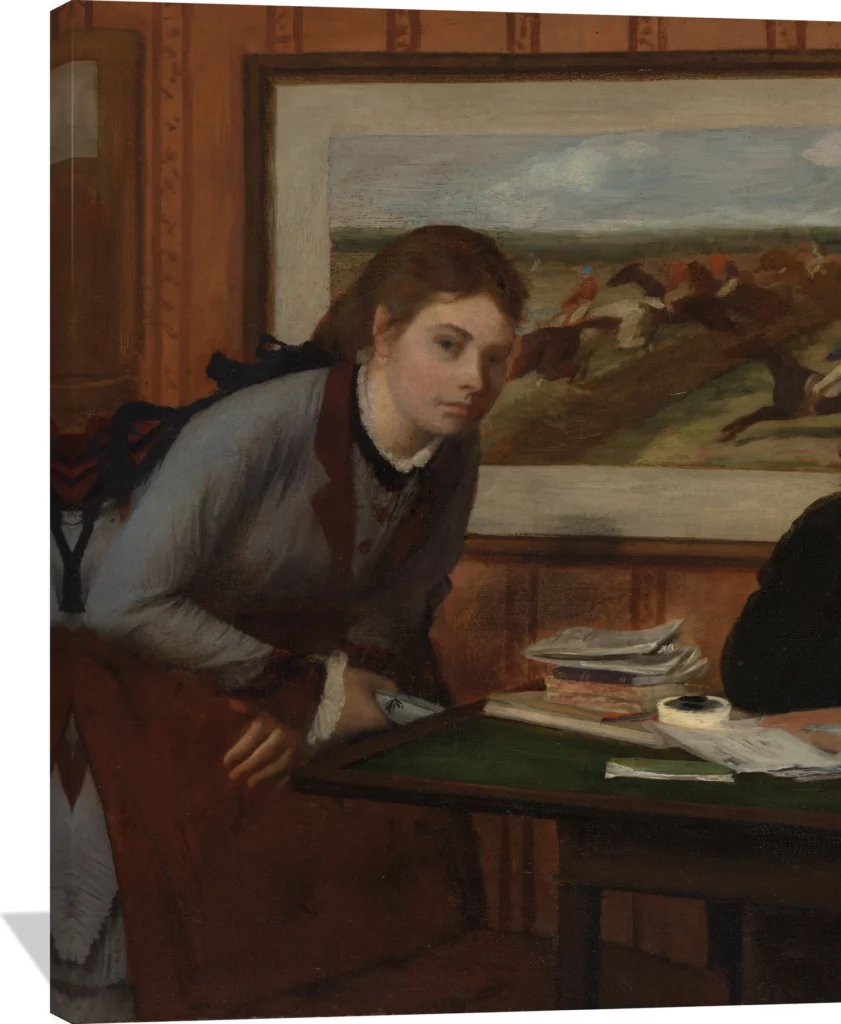
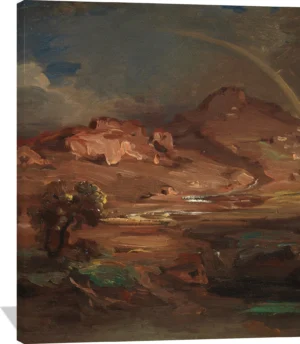
The Edgar Degas Sulking canvas captures a moment of quiet tension and introspection within a warmly lit interior. Rendered in rich tones of chestnut brown, muted blue, soft gray, and deep green, Degas’s composition draws the viewer into the emotional distance between two figures, set against the refined backdrop of a 19th‑century study. His masterful use of light and texture lends the scene both intimacy and restraint.
This elegant Sulking canvas print brings timeless sophistication to any space—ideal for a living room, study, or entryway where subtle emotion and classic artistry can be appreciated daily. A refined choice for collectors and admirers of French Impressionist wall art.
Edgar Degas (1834–1917) was a Paris-born French artist whose innovative vision helped shape the course of modern art. Known for his mastery of drawing and his keen observation of contemporary life, Degas became one of the most influential figures associated with Impressionism, though he preferred to be seen as a realist.
Artistic Style
Degas developed a distinctive aesthetic defined by unconventional compositions, dramatic cropping, and a sophisticated understanding of light and movement. His work bridged traditional academic training with new, modern subjects, resulting in a style that was both disciplined and boldly experimental. His exploration of pastels, in particular, pushed the medium to new expressive possibilities and remains one of his most celebrated contributions.
Signature Subjects
Degas is best known for his depictions of ballet dancers, captured backstage, in rehearsal, or mid-performance, revealing intimate and often unguarded moments. He was equally drawn to everyday Parisian scenes, including milliners, laundresses, and café patrons. His works such as The Ballet Class and The Absinthe Drinker highlight his fascination with gesture, psychology, and the rhythms of modern urban life.
Cultural Significance
A central figure in the artistic circles of late nineteenth-century Paris, Degas contributed profoundly to the evolving language of modern art. His commitment to draftsmanship, his innovative use of perspective, and his focus on fleeting, candid moments helped redefine how contemporary life could be portrayed. Today, Degas is celebrated as a brilliant visual storyteller whose work balances technical mastery with a refined, deeply human sensitivity.
Legacy
Degas’s influence extends far beyond Impressionism. His exploration of movement, his devotion to observation, and his experimentation with materials established him as a foundational voice in modern visual culture. Collectors and art enthusiasts continue to value his work for its elegance, insight, and the quiet yet powerful sense of authenticity that characterizes his timeless vision.
Trust & policies
- 🚚 Free worldwide shipping
- 🔁 30-day returns (change of mind)
- 🛡️ If damaged/defective/misprinted: free replacement or full refund
- 🌍 Printed in US/CA/EU/UK/AU (based on delivery location)
- 💎 Made to order using acid-free, fade-resistant canvas
- 💎 Solid wood stretcher bars • Pine floating frames
- 🪝 Ready to hang

John F. Kensett
George Augustus Baker Jr.Canvas from
142,00 leiSelect options This product has multiple variants. The options may be chosen on the product pageThe Ameya
Robert Frederick BlumCanvas from
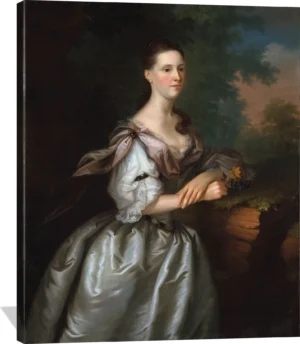
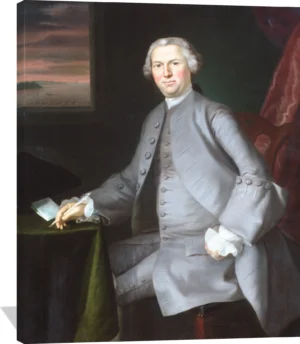
142,00 leiSelect options This product has multiple variants. The options may be chosen on the product pageMrs. Samuel Cutts
Joseph BlackburnCanvas from
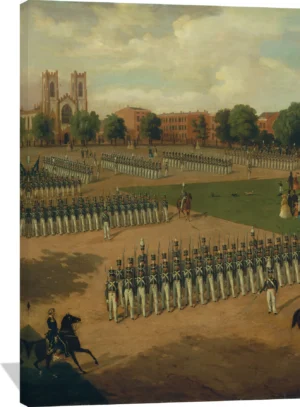
142,00 leiSelect options This product has multiple variants. The options may be chosen on the product pageSeventh Regiment on Review, Washington Square, New York
Otto BoetticherCanvas from
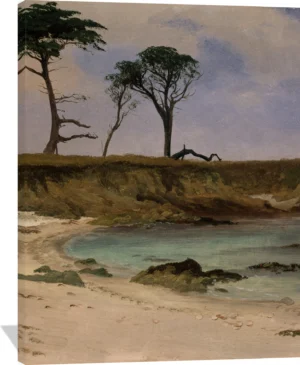
222,00 leiSelect options This product has multiple variants. The options may be chosen on the product pageSea Cove
Albert BierstadtCanvas from
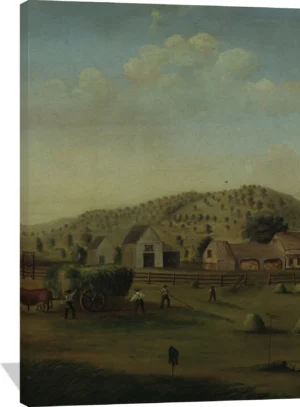
147,00 leiSelect options This product has multiple variants. The options may be chosen on the product pageLeete Farm, West Claremont, New Hampshire
Francis AlexanderCanvas from
222,00 leiSelect options This product has multiple variants. The options may be chosen on the product pageJames Badger
Joseph BadgerCanvas from
142,00 leiSelect options This product has multiple variants. The options may be chosen on the product pageThe Children of Nathan Starr
Ambrose AndrewsCanvas from
142,00 leiSelect options This product has multiple variants. The options may be chosen on the product pageThe Pipe Dance
Ralph Albert BlakelockCanvas from
222,00 leiSelect options This product has multiple variants. The options may be chosen on the product pageJanet Halleck Drake
Henry InmanCanvas from
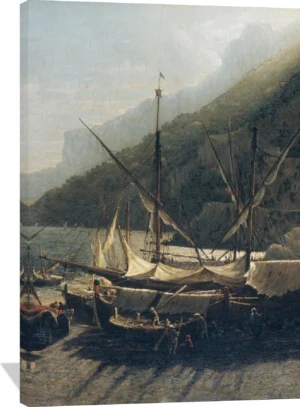
142,00 leiSelect options This product has multiple variants. The options may be chosen on the product pageView at Amalfi, Bay of Salerno
George Loring BrownCanvas from
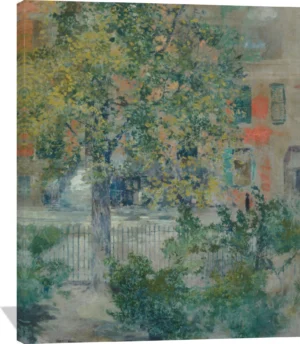
222,00 leiSelect options This product has multiple variants. The options may be chosen on the product pageView from the Artist’s Window, Grove Street
Robert Frederick BlumCanvas from
142,00 leiSelect options This product has multiple variants. The options may be chosen on the product pageSamuel Cutts
Joseph BlackburnCanvas from
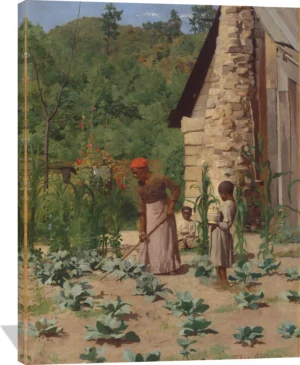
142,00 leiSelect options This product has multiple variants. The options may be chosen on the product pageThe Way They Live
Thomas AnshutzCanvas from
147,00 leiSelect options This product has multiple variants. The options may be chosen on the product pageEmma Homan
John BradleyCanvas from
142,00 leiSelect options This product has multiple variants. The options may be chosen on the product pageEleanor Hardy Bunker
Dennis Miller BunkerCanvas from
142,00 leiSelect options This product has multiple variants. The options may be chosen on the product pageAfter a Long Cruise
John CarlinCanvas from
222,00 leiSelect options This product has multiple variants. The options may be chosen on the product pageStudy in Green and Black
John White AlexanderCanvas from
142,00 leiSelect options This product has multiple variants. The options may be chosen on the product pageIn the Laboratory
Henry AlexanderCanvas from
142,00 leiSelect options This product has multiple variants. The options may be chosen on the product pageFur Traders Descending the Missouri
George Caleb BinghamCanvas from
142,00 leiSelect options This product has multiple variants. The options may be chosen on the product pageThe Ring
John White AlexanderCanvas from
142,00 leiSelect options This product has multiple variants. The options may be chosen on the product pageAdult Funeral Procession
William P. ChappelCanvas from
222,00 leiSelect options This product has multiple variants. The options may be chosen on the product page

Explore Edgar Degas
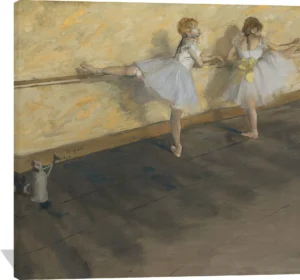
Dancers Practicing at the Barre
Edgar DegasCanvas from
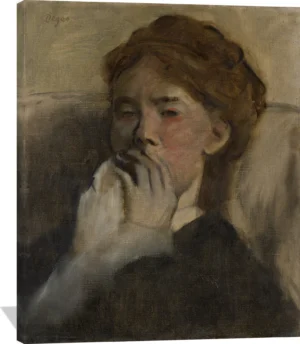
195,00 leiSelect options This product has multiple variants. The options may be chosen on the product pageYoung Woman with Her Hand over Her Mouth
Edgar DegasCanvas from
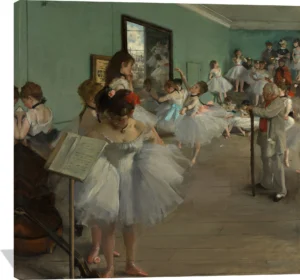
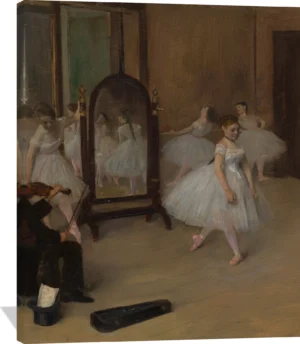
142,00 leiSelect options This product has multiple variants. The options may be chosen on the product pageThe Dance Class
Edgar DegasCanvas from
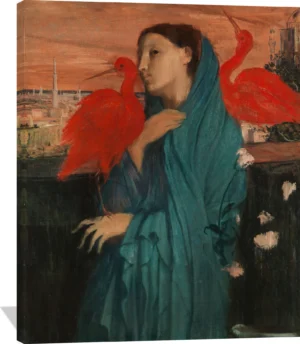
195,00 leiSelect options This product has multiple variants. The options may be chosen on the product pageYoung Woman with Ibis
Edgar DegasCanvas from
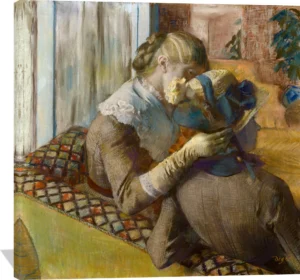
142,00 leiSelect options This product has multiple variants. The options may be chosen on the product pageAt the Milliner’s
Edgar DegasCanvas from
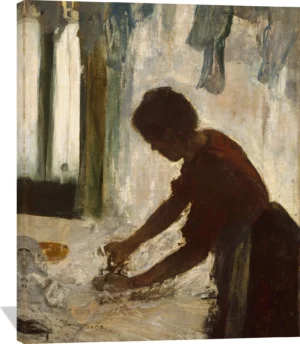
195,00 leiSelect options This product has multiple variants. The options may be chosen on the product pageA Woman Ironing
Edgar DegasCanvas from
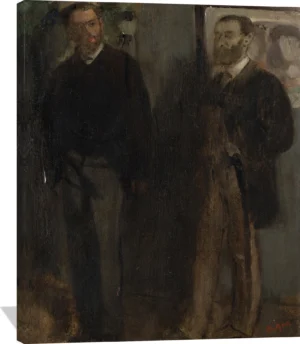
142,00 leiSelect options This product has multiple variants. The options may be chosen on the product pageTwo Men
Edgar DegasCanvas from
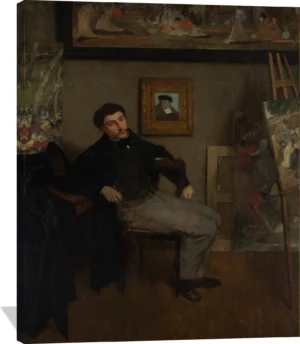
142,00 leiSelect options This product has multiple variants. The options may be chosen on the product pageJames-Jacques-Joseph Tissot (1836–1902)
Edgar DegasCanvas from
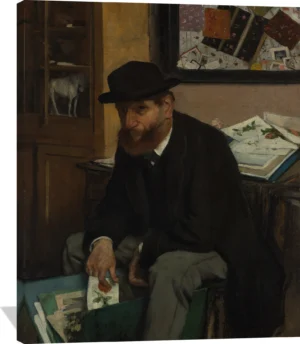
142,00 leiSelect options This product has multiple variants. The options may be chosen on the product pageThe Collector of Prints
Edgar DegasCanvas from
142,00 leiSelect options This product has multiple variants. The options may be chosen on the product pageThe Dancing Class
Edgar DegasCanvas from
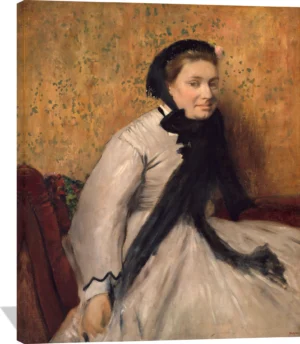
142,00 leiSelect options This product has multiple variants. The options may be chosen on the product pagePortrait of a Woman in Gray
Edgar DegasCanvas from
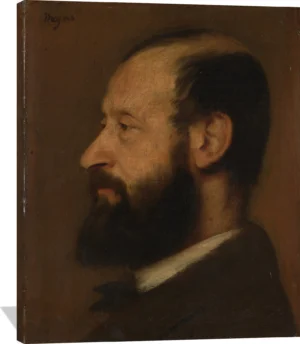
142,00 leiSelect options This product has multiple variants. The options may be chosen on the product pageJoseph-Henri Altès (1826–1895)
Edgar DegasCanvas from
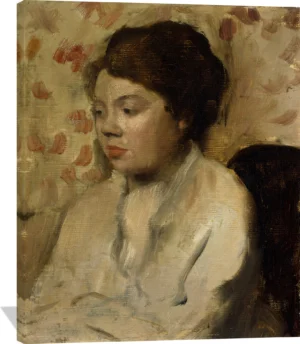
142,00 leiSelect options This product has multiple variants. The options may be chosen on the product pagePortrait of a Young Woman
Edgar DegasCanvas from
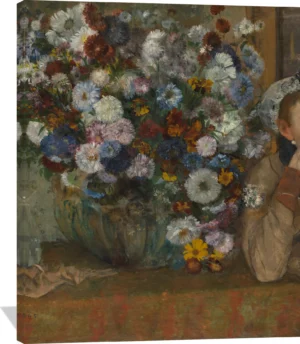
142,00 leiSelect options This product has multiple variants. The options may be chosen on the product pageA Woman Seated beside a Vase of Flowers (Madame Paul Valpinçon?)
Edgar DegasCanvas from
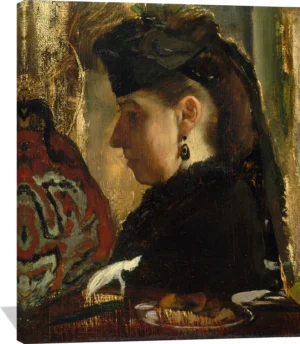
142,00 leiSelect options This product has multiple variants. The options may be chosen on the product pageMarie Dihau (1843–1935)
Edgar DegasCanvas from
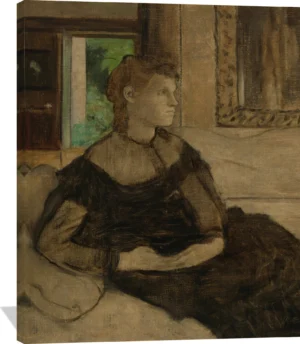
142,00 leiSelect options This product has multiple variants. The options may be chosen on the product pageMadame Théodore Gobillard (Yves Morisot, 1838–1893)
Edgar DegasCanvas from
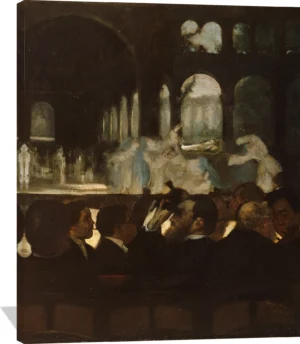
142,00 leiSelect options This product has multiple variants. The options may be chosen on the product pageThe Ballet from “Robert le Diable”
Edgar DegasCanvas from
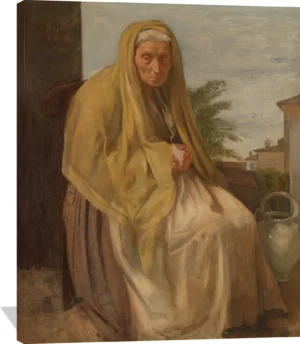
142,00 leiSelect options This product has multiple variants. The options may be chosen on the product pageThe Old Italian Woman
Edgar DegasCanvas from
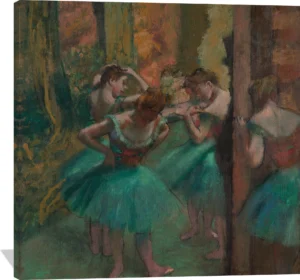
142,00 leiSelect options This product has multiple variants. The options may be chosen on the product pageDancers, Pink and Green
Edgar DegasCanvas from
195,00 leiSelect options This product has multiple variants. The options may be chosen on the product page
Explore Portraits
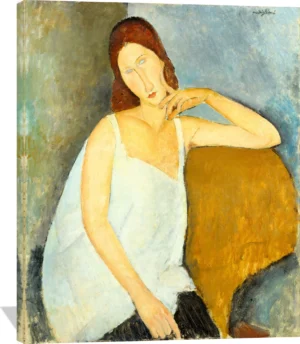
Jeanne Hébuterne
Amedeo ModiglianiCanvas from
142,00 leiSelect options This product has multiple variants. The options may be chosen on the product pageGirl in a Sailor’s Blouse
Amedeo ModiglianiCanvas from
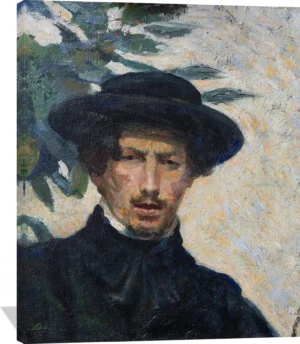
147,00 leiSelect options This product has multiple variants. The options may be chosen on the product pageSelf-Portrait
Umberto BoccioniCanvas from
142,00 leiSelect options This product has multiple variants. The options may be chosen on the product pageThe Fitting Room
Kenneth Hayes MillerCanvas from
142,00 leiSelect options This product has multiple variants. The options may be chosen on the product pageThe Jabach Family
Charles Le BrunCanvas from
142,00 leiSelect options This product has multiple variants. The options may be chosen on the product pageArab Warrior
Horace VernetCanvas from
147,00 leiSelect options This product has multiple variants. The options may be chosen on the product pageThe Arab Sage
German PainterCanvas from
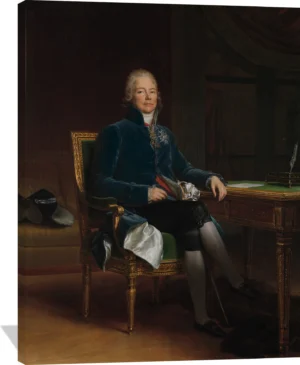
142,00 leiSelect options This product has multiple variants. The options may be chosen on the product pageCharles Maurice de Talleyrand Périgord (1754–1838), Prince de Bénévent
baron François GérardCanvas from
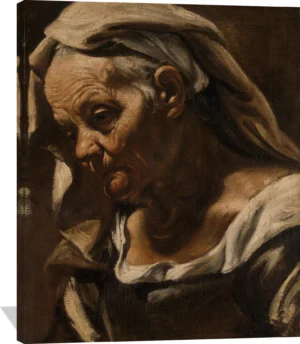
147,00 leiSelect options This product has multiple variants. The options may be chosen on the product pageHead of an Old Woman
Orazio BorgianniCanvas from
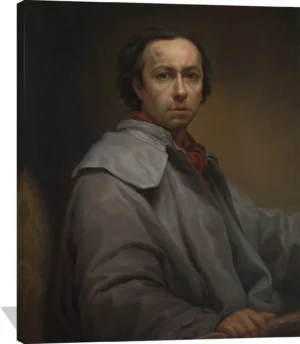
142,00 leiSelect options This product has multiple variants. The options may be chosen on the product pageSelf-Portrait
Anton Raphael MengsCanvas from
142,00 leiSelect options This product has multiple variants. The options may be chosen on the product pageSeated Arab Man with Horse
Alfred DedreuxCanvas from
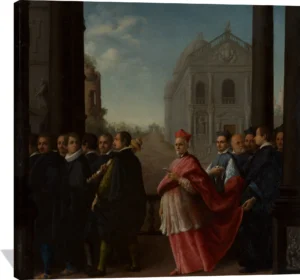
142,00 leiSelect options This product has multiple variants. The options may be chosen on the product pageA Cardinal’s Procession
Ottavio Leoni (Il Padovano)Canvas from
195,00 leiSelect options This product has multiple variants. The options may be chosen on the product pageAn Egyptian in a Doorway
Sir Lawrence Alma-TademaCanvas from
147,00 leiSelect options This product has multiple variants. The options may be chosen on the product pageWestern Gentleman in Oriental Costume
British PainterCanvas from
142,00 leiSelect options This product has multiple variants. The options may be chosen on the product pageA Female Martyr Saint
Carlo Francesco NuvoloneCanvas from
142,00 leiSelect options This product has multiple variants. The options may be chosen on the product pageGirl in a Courtyard, Algiers (formerly Courtyard in Tangier)
Philippe PavyCanvas from
222,00 leiSelect options This product has multiple variants. The options may be chosen on the product pageLute Player
Valentin de BoulogneCanvas from
142,00 leiSelect options This product has multiple variants. The options may be chosen on the product pageThe Opium Smokers
Georges ClairinCanvas from
195,00 leiSelect options This product has multiple variants. The options may be chosen on the product pageHead of a Bishop
Gaetano GandolfiCanvas from
142,00 leiSelect options This product has multiple variants. The options may be chosen on the product pageThe Two Central Figures in “Derby Day”
William Powell FrithCanvas from
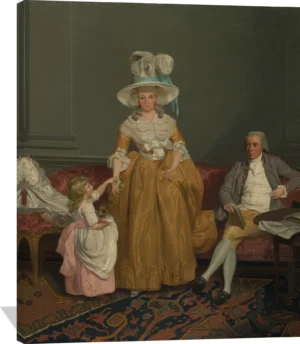
147,00 leiSelect options This product has multiple variants. The options may be chosen on the product pageThe Saithwaite Family
Francis WheatleyCanvas from
142,00 leiSelect options This product has multiple variants. The options may be chosen on the product page


Explore Figurative
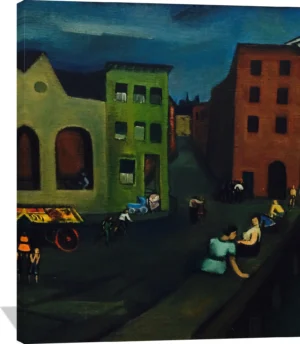
Docks on Sunday
Joseph De MartiniCanvas from
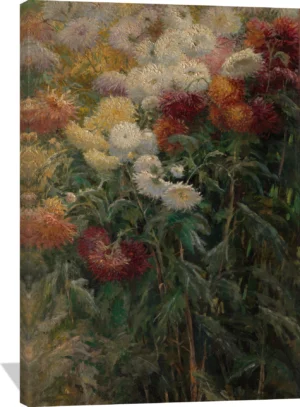
142,00 leiSelect options This product has multiple variants. The options may be chosen on the product pageChrysanthemums in the Garden at Petit-Gennevilliers
Gustave CaillebotteCanvas from
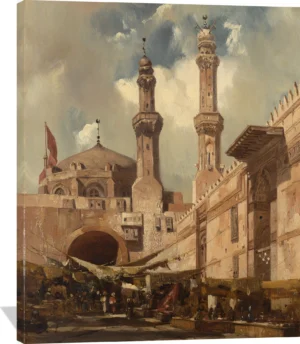
222,00 leiSelect options This product has multiple variants. The options may be chosen on the product pageA Cairo Bazaar
Adrien DauzatsCanvas from
142,00 leiSelect options This product has multiple variants. The options may be chosen on the product pageStudy of Palm Trees
Jean-Léon GérômeCanvas from
142,00 leiSelect options This product has multiple variants. The options may be chosen on the product pageA Section of the Via Sacra, Rome (The Church of Saints Cosmas and Damian)
Christoffer Wilhelm EckersbergCanvas from
147,00 leiSelect options This product has multiple variants. The options may be chosen on the product pageLandscape with Figures
Kenneth Hayes MillerCanvas from
142,00 leiSelect options This product has multiple variants. The options may be chosen on the product pageThe Great Pyramid, Giza
Adrien DauzatsCanvas from
142,00 leiSelect options This product has multiple variants. The options may be chosen on the product pageThe Holy Family with the Infant Saint John the Baptist
Perino del Vaga (Pietro Buonaccorsi)Canvas from
142,00 leiSelect options This product has multiple variants. The options may be chosen on the product pageScene in a Harem (Un Envoi de Serbie)
Benjamin-Constant (Jean-Joseph-Benjamin Constant)Canvas from
142,00 leiSelect options This product has multiple variants. The options may be chosen on the product pageView over Hallingdal
Johan Christian DahlCanvas from
222,00 leiSelect options This product has multiple variants. The options may be chosen on the product pageWedding Procession
Victor EeckhoutCanvas from
147,00 leiSelect options This product has multiple variants. The options may be chosen on the product pageSketch for “Reception of Emperor Napoleon III and Empress Eugénie by the Kabyle Leaders at Algiers on September 18, 1860”
Isidore PilsCanvas from
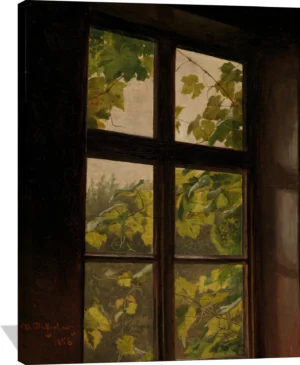
222,00 leiSelect options This product has multiple variants. The options may be chosen on the product pageWindow
Anton DieffenbachCanvas from
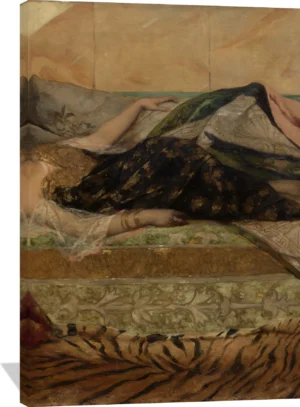
147,00 leiSelect options This product has multiple variants. The options may be chosen on the product pageOdalisque
Benjamin-Constant (Jean-Joseph-Benjamin Constant)Canvas from
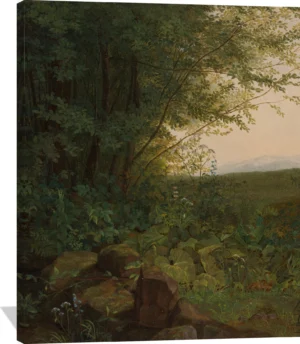
222,00 leiSelect options This product has multiple variants. The options may be chosen on the product pageAt the Edge of the Forest
August HeinrichCanvas from
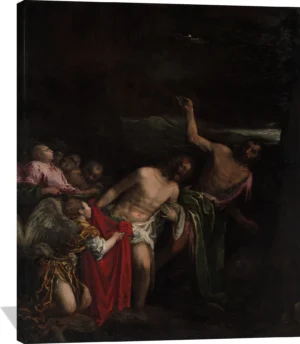
142,00 leiSelect options This product has multiple variants. The options may be chosen on the product pageThe Baptism of Christ
Jacopo Bassano (Jacopo da Ponte)Canvas from
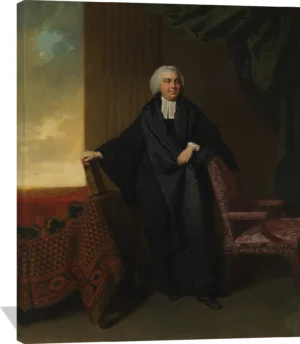
142,00 leiSelect options This product has multiple variants. The options may be chosen on the product pageThe Reverend Philip Cocks (1735–1797)
Johan Joseph ZoffanyCanvas from
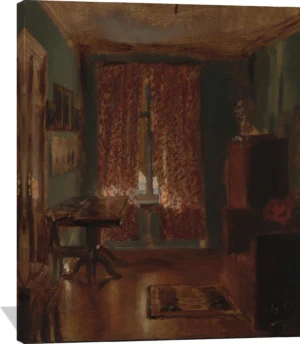
142,00 leiSelect options This product has multiple variants. The options may be chosen on the product pageThe Artist’s Sitting Room in Ritterstrasse
Adolph MenzelCanvas from
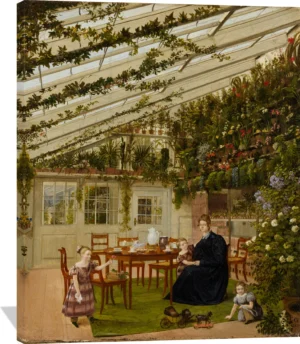
142,00 leiSelect options This product has multiple variants. The options may be chosen on the product pageThe Family of Mr. Westphal in the Conservatory
Eduard GaertnerCanvas from
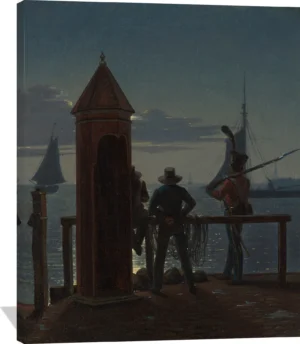
142,00 leiSelect options This product has multiple variants. The options may be chosen on the product pageView from the Citadel Ramparts in Copenhagen by Moonlight
Martinus RørbyeCanvas from
142,00 leiSelect options This product has multiple variants. The options may be chosen on the product pageThe Cemetery at Pronoia near Nauplia
Carl RottmannCanvas from
142,00 leiSelect options This product has multiple variants. The options may be chosen on the product page

Explore Rembrandt
Aristotle with a Bust of Homer
Rembrandt (Rembrandt van Rijn)Canvas from
195,00 leiSelect options This product has multiple variants. The options may be chosen on the product pageYoung Woman with a Red Necklace
RembrandtCanvas from
142,00 leiSelect options This product has multiple variants. The options may be chosen on the product pageRembrandt (1606–1669) as a Young Man
RembrandtCanvas from
142,00 leiSelect options This product has multiple variants. The options may be chosen on the product pageRembrandt’s Son Titus (1641–1668)
RembrandtCanvas from
142,00 leiSelect options This product has multiple variants. The options may be chosen on the product pageLieven Willemsz van Coppenol (born about 1599, died 1671 or later)
Rembrandt (Rembrandt van Rijn)Canvas from
142,00 leiSelect options This product has multiple variants. The options may be chosen on the product pagePilate Washing His Hands
RembrandtCanvas from
142,00 leiSelect options This product has multiple variants. The options may be chosen on the product pagePortrait of a Man (“The Auctioneer”)
RembrandtCanvas from
142,00 leiSelect options This product has multiple variants. The options may be chosen on the product pageChrist and the Woman of Samaria
RembrandtCanvas from
142,00 leiSelect options This product has multiple variants. The options may be chosen on the product pagePortrait of a Man
Rembrandt (Rembrandt van Rijn)Canvas from
142,00 leiSelect options This product has multiple variants. The options may be chosen on the product pageThe Toilet of Bathsheba
Rembrandt (Rembrandt van Rijn)Canvas from
142,00 leiSelect options This product has multiple variants. The options may be chosen on the product pageMan in a Red Cloak
RembrandtCanvas from
142,00 leiSelect options This product has multiple variants. The options may be chosen on the product pageMan with a Steel Gorget
RembrandtCanvas from
142,00 leiSelect options This product has multiple variants. The options may be chosen on the product pageOld Woman Cutting Her Nails
Rembrandt (Rembrandt van Rijn)Canvas from
142,00 leiSelect options This product has multiple variants. The options may be chosen on the product pageHerman Doomer (ca. 1595–1650)
Rembrandt (Rembrandt van Rijn)Canvas from
142,00 leiSelect options This product has multiple variants. The options may be chosen on the product pagePortrait of a Man with a Breastplate and Plumed Hat
RembrandtCanvas from
142,00 leiSelect options This product has multiple variants. The options may be chosen on the product pagePortrait of a Woman
RembrandtCanvas from
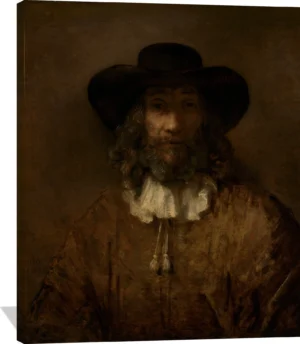
142,00 leiSelect options This product has multiple variants. The options may be chosen on the product pageMan with a Beard
RembrandtCanvas from
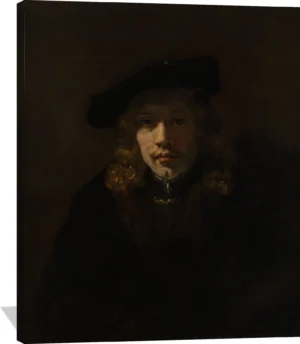
142,00 leiSelect options This product has multiple variants. The options may be chosen on the product pageMan in a Beret
RembrandtCanvas from
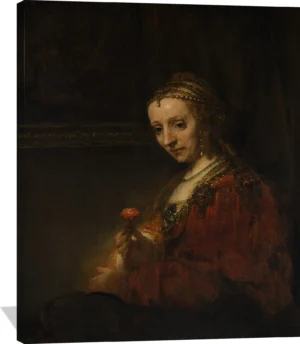
142,00 leiSelect options This product has multiple variants. The options may be chosen on the product pageWoman with a Pink
Rembrandt (Rembrandt van Rijn)Canvas from
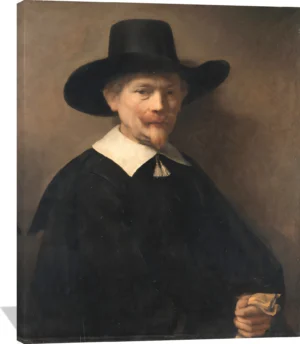
142,00 leiSelect options This product has multiple variants. The options may be chosen on the product pagePortrait of a Man Holding Gloves
Rembrandt (Rembrandt van Rijn)Canvas from
142,00 leiSelect options This product has multiple variants. The options may be chosen on the product pageMan with a Magnifying Glass
Rembrandt (Rembrandt van Rijn)Canvas from
142,00 leiSelect options This product has multiple variants. The options may be chosen on the product page