Repose
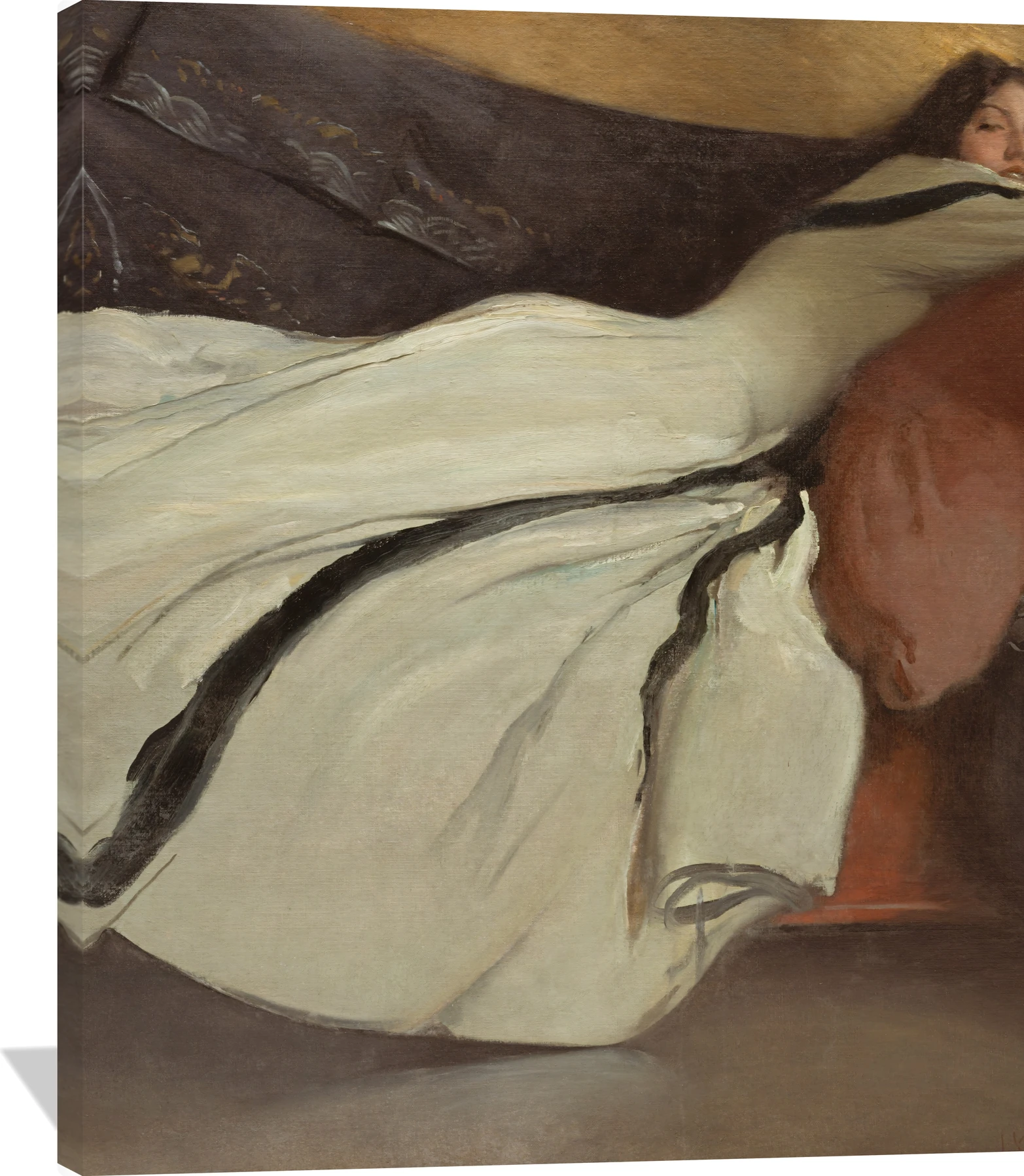
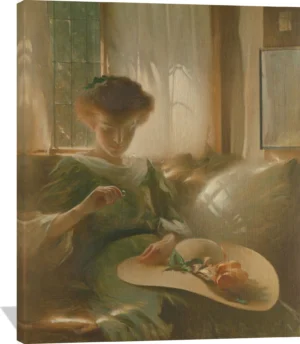
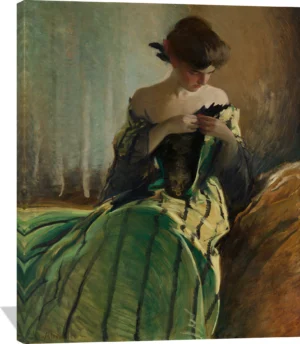
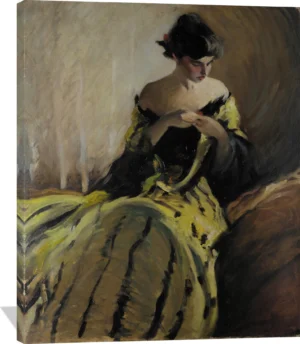
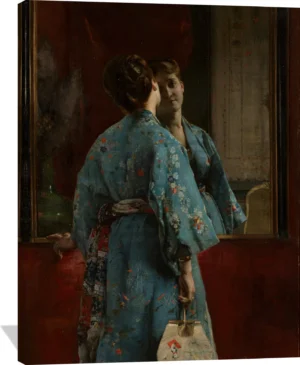
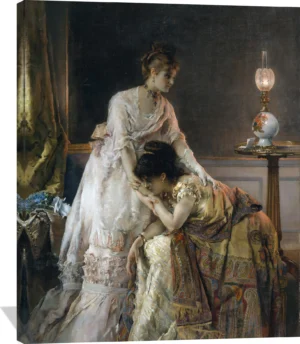
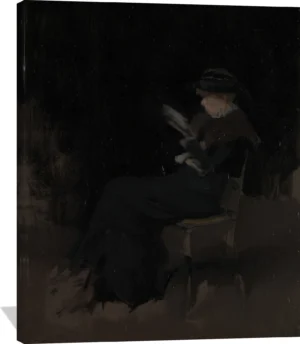
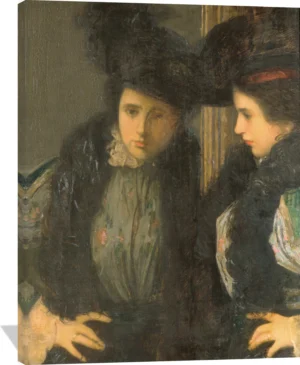
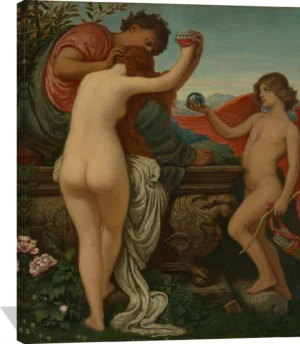
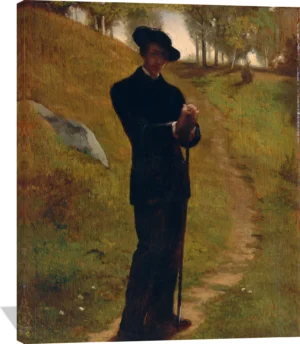
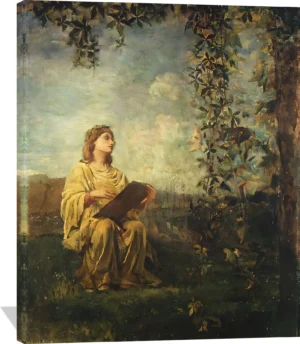
The John White Alexander Repose canvas captures a moment of serene elegance and quiet introspection. A woman reclines gracefully across a dark sofa, her flowing ivory gown illuminated against rich tones of bronze, charcoal, and soft cream. The composition’s sweeping lines and gentle contrasts evoke a sense of calm sophistication that draws the viewer inward.
This exquisite wall art brings timeless refinement to any interior. Perfect for a living room, study, or entryway, this canvas print embodies the poetic stillness and painterly grace that define Alexander’s American artistry.
John White Alexander (1856–1915) was an American painter celebrated for his refined draftsmanship, atmospheric elegance, and the poetic fluidity of his compositions. Born in Allegheny, Pennsylvania, and later active in New York, he emerged as a prominent figure of the American Gilded Age, admired for his ability to merge tonal harmony with expressive, modern sensibilities.
Artistic Style
Alexander developed a distinctive style characterized by sweeping curves, soft contours, and a subtle yet rich palette. His work often blended elements of Tonalism and Aestheticism, resulting in compositions that feel both serene and emotionally resonant. Figures seem to drift within their environments, shaped by rhythmic lines and atmospheric light. This lyrical approach became a hallmark of his mature period and contributed significantly to his enduring reputation.
Subjects and Themes
He is best known for his expressive portraits, elegant depictions of women, and symbolic interiors, many rendered with a sense of quiet introspection. His sitters, often poised in flowing garments, appear suspended in luminous environments that elevate mood over narrative. Alexander also created murals and allegorical works, expanding his visual language beyond portraiture while maintaining his signature grace.
Cultural Significance
A respected figure in American art circles, Alexander helped shape the nation’s transition toward more modern pictorial forms. His ability to merge American realism with European artistic influences reflects his international perspective and professional experience abroad. Today, his works stand as important examples of late 19th- and early 20th-century American painting, admired for their lyricism and refined sense of design.
Repose
Trust & policies
- 🚚 Free worldwide shipping
- 🔁 30-day returns (change of mind)
- 🛡️ If damaged/defective/misprinted: free replacement or full refund
- 🌍 Printed in US/CA/EU/UK/AU (based on delivery location)
- 💎 Made to order using acid-free, fade-resistant canvas
- 💎 Solid wood stretcher bars • Pine floating frames
- 🪝 Ready to hang