“One Third of a Nation”
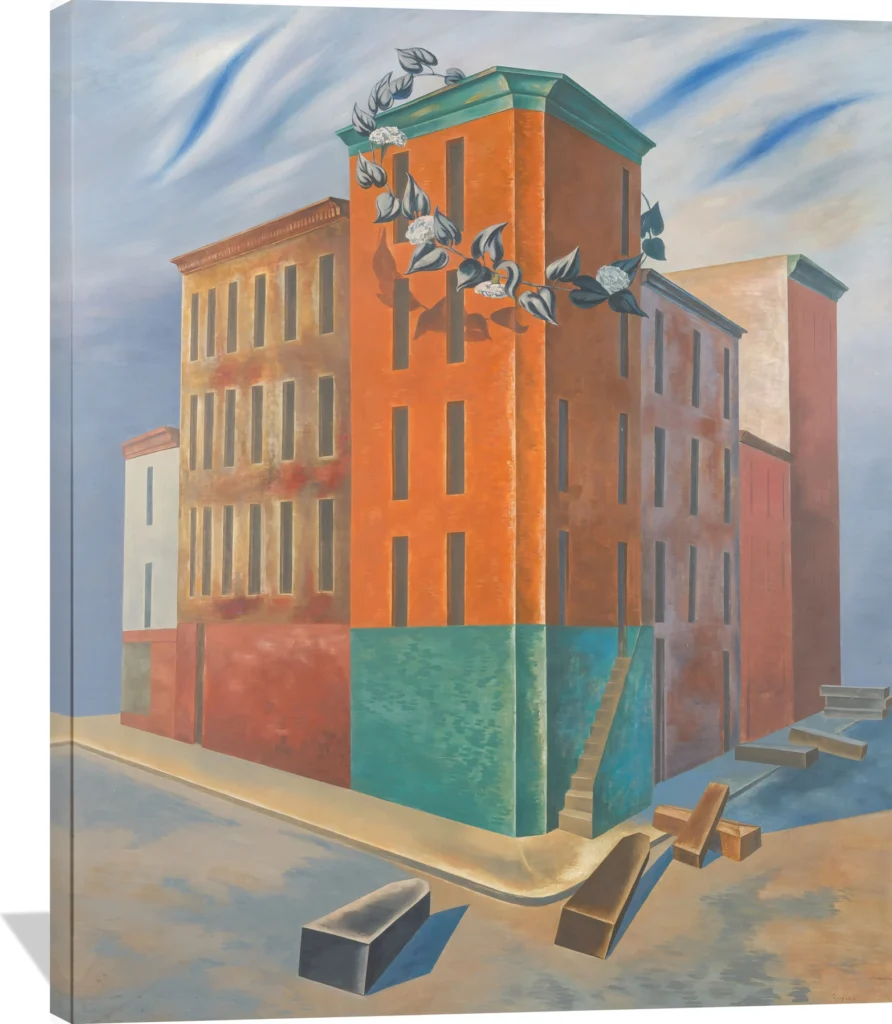
The O. Louis Guglielmi One Third of a Nation canvas captures a hauntingly poetic vision of urban life through bold geometry and surreal composition. Warm terracotta reds, muted teals, and soft sky blues create a striking interplay of light and shadow, evoking both isolation and quiet resilience. The dreamlike architecture and suspended floral forms draw the eye into a contemplative cityscape that feels timeless and modern all at once.
This premium canvas print brings depth and sophistication to any space—ideal for a living room, study, or entryway. The One Third of a Nation wall art invites reflection on structure, beauty, and the human spirit within the urban landscape.
O. Louis Guglielmi (Cairo, 1906–Amagansett, 1956) was an American painter whose distinctive blend of social commentary and poetic symbolism placed him among the most compelling voices of mid‑twentieth‑century art. Born in Egypt and raised in New York City, he developed a visual language that merged the precision of Magic Realism with the emotional urgency of Social Realism.
Artistic Style
Guglielmi’s work is defined by meticulously rendered scenes infused with an uncanny, dreamlike atmosphere. Architectural fragments, quiet streets, and ordinary objects often appear suspended in a tense stillness, transforming familiar urban settings into charged psychological spaces. His palette, carefully controlled and often subdued, heightens the sense of introspection while revealing the subtle beauty of overlooked environments.
Subjects and Themes
Through symbolic compositions and measured detail, Guglielmi explored themes of isolation, economic hardship, and the fragility of modern life. He frequently depicted working‑class neighborhoods, vacant lots, and atmospheric city corners, using them as metaphors for both personal reflection and broader social anxieties. Even in his more surreal works, the emotional clarity remains unmistakable, grounding his imagery in a world that feels both real and quietly uncanny.
Legacy and Significance
Guglielmi’s contribution lies in his ability to merge exacting draftsmanship with subtle psychological depth. His paintings stand as refined examples of American Magic Realism, offering an introspective counterpoint to more overtly political movements of his era. Today he is recognized for his evocative visual symbolism and his capacity to elevate everyday scenes into moments of profound contemplation.
Trust & policies
- 🚚 Free worldwide shipping
- 🔁 30-day returns (change of mind)
- 🛡️ If damaged/defective/misprinted: free replacement or full refund
- 🌍 Printed in US/CA/EU/UK/AU (based on delivery location)
- 💎 Made to order using acid-free, fade-resistant canvas
- 💎 Solid wood stretcher bars • Pine floating frames
- 🪝 Ready to hang

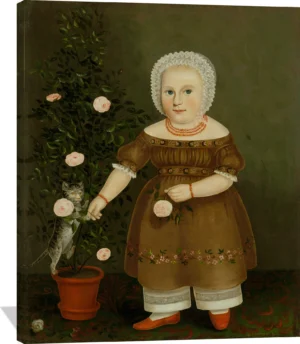
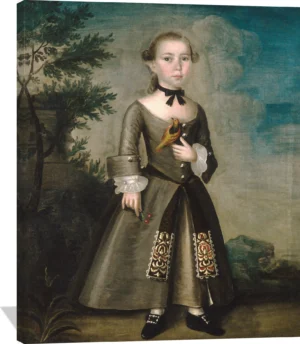
The Children of Nathan Starr
Ambrose AndrewsCanvas from
142,00 leiSelect options This product has multiple variants. The options may be chosen on the product pageThe Way They Live
Thomas AnshutzCanvas from
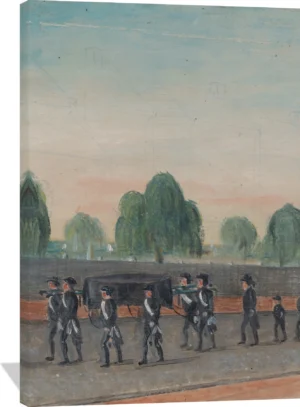
147,00 leiSelect options This product has multiple variants. The options may be chosen on the product pageAdult Funeral Procession
William P. ChappelCanvas from
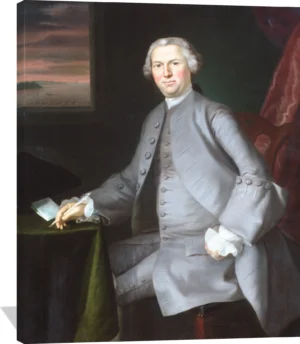
222,00 leiSelect options This product has multiple variants. The options may be chosen on the product pageSamuel Cutts
Joseph BlackburnCanvas from
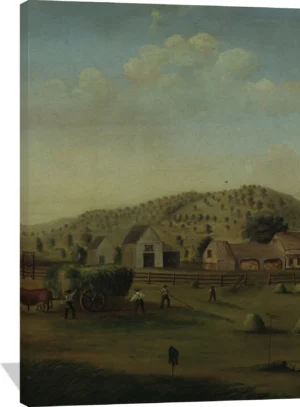
142,00 leiSelect options This product has multiple variants. The options may be chosen on the product pageLeete Farm, West Claremont, New Hampshire
Francis AlexanderCanvas from
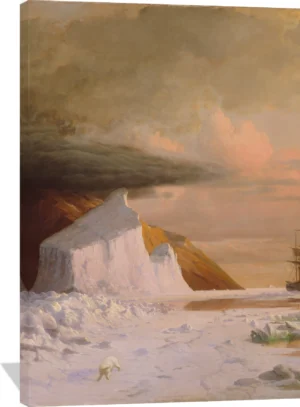
222,00 leiSelect options This product has multiple variants. The options may be chosen on the product pageAn Arctic Summer: Boring Through the Pack in Melville Bay
William BradfordCanvas from
222,00 leiSelect options This product has multiple variants. The options may be chosen on the product pageStudy in Green and Black
John White AlexanderCanvas from
142,00 leiSelect options This product has multiple variants. The options may be chosen on the product pageBaked Pears in Duane Park
William P. ChappelCanvas from
222,00 leiSelect options This product has multiple variants. The options may be chosen on the product pageJanet Halleck Drake
Henry InmanCanvas from
142,00 leiSelect options This product has multiple variants. The options may be chosen on the product pageMrs. David Chesebrough
Joseph BlackburnCanvas from
142,00 leiSelect options This product has multiple variants. The options may be chosen on the product pageEmma Homan
John BradleyCanvas from
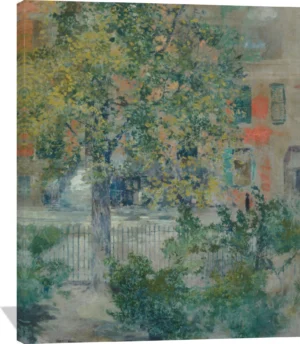
142,00 leiSelect options This product has multiple variants. The options may be chosen on the product pageView from the Artist’s Window, Grove Street
Robert Frederick BlumCanvas from
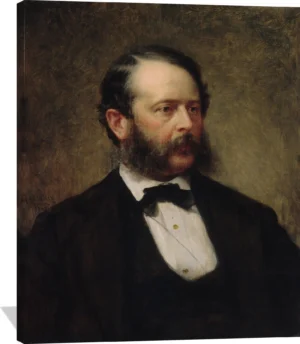
142,00 leiSelect options This product has multiple variants. The options may be chosen on the product pageJohn F. Kensett
George Augustus Baker Jr.Canvas from
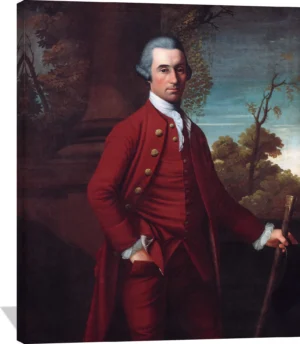
142,00 leiSelect options This product has multiple variants. The options may be chosen on the product pagePortrait of a Gentleman
Henry BenbridgeCanvas from
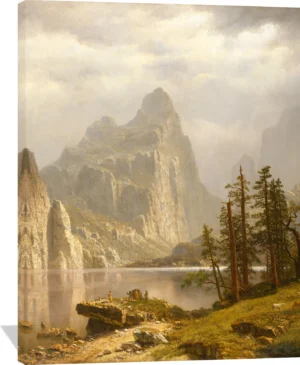
142,00 leiSelect options This product has multiple variants. The options may be chosen on the product pageMerced River, Yosemite Valley
Albert BierstadtCanvas from
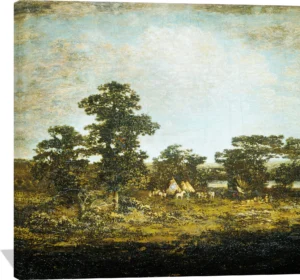
147,00 leiSelect options This product has multiple variants. The options may be chosen on the product pageAn Indian Encampment
Ralph Albert BlakelockCanvas from
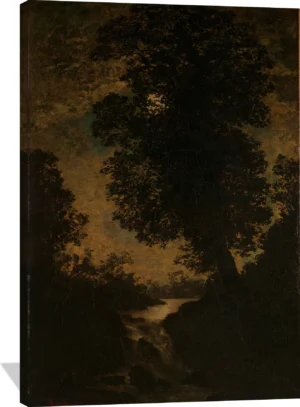
195,00 leiSelect options This product has multiple variants. The options may be chosen on the product pageA Waterfall, Moonlight
Ralph Albert BlakelockCanvas from
222,00 leiSelect options This product has multiple variants. The options may be chosen on the product pageJames Badger
Joseph BadgerCanvas from
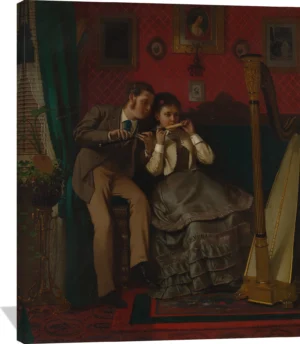
142,00 leiSelect options This product has multiple variants. The options may be chosen on the product pageThe Music Lesson
John George BrownCanvas from
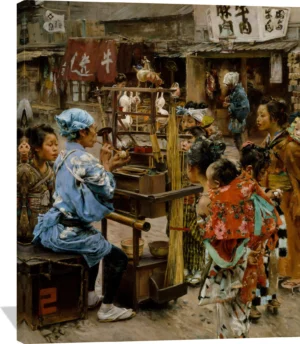
142,00 leiSelect options This product has multiple variants. The options may be chosen on the product pageThe Ameya
Robert Frederick BlumCanvas from
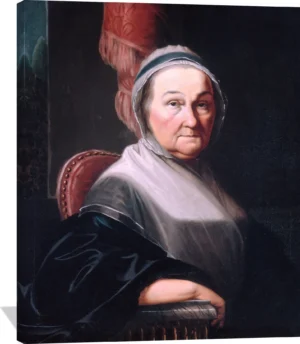
142,00 leiSelect options This product has multiple variants. The options may be chosen on the product pageMrs. Benjamin Simons
Henry BenbridgeCanvas from
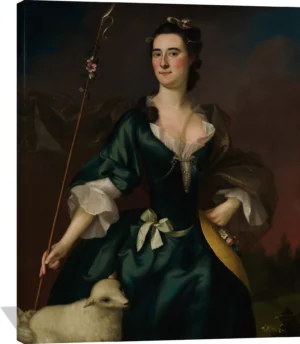
142,00 leiSelect options This product has multiple variants. The options may be chosen on the product pageMary Sylvester
Joseph BlackburnCanvas from
142,00 leiSelect options This product has multiple variants. The options may be chosen on the product page
Explore Landscapes
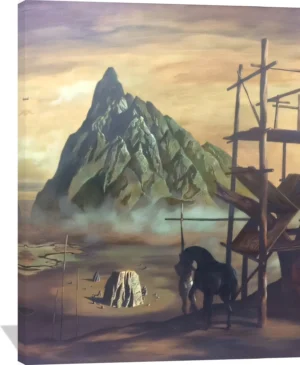
The Black Horse
John AthertonCanvas from
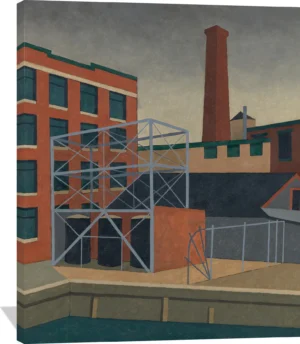
147,00 leiSelect options This product has multiple variants. The options may be chosen on the product pageWaterfront Mill
Niles SpencerCanvas from
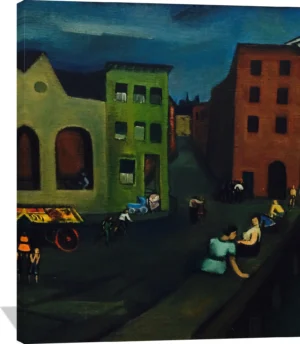
142,00 leiSelect options This product has multiple variants. The options may be chosen on the product pageDocks on Sunday
Joseph De MartiniCanvas from
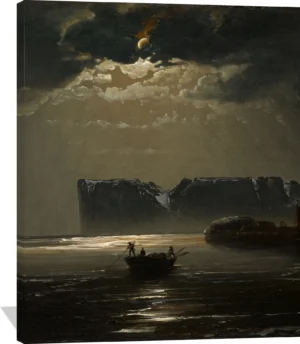
142,00 leiSelect options This product has multiple variants. The options may be chosen on the product pageThe North Cape by Moonlight
Peder BalkeCanvas from
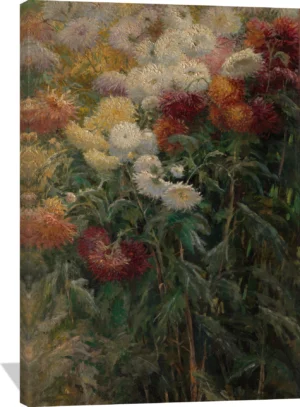
142,00 leiSelect options This product has multiple variants. The options may be chosen on the product pageChrysanthemums in the Garden at Petit-Gennevilliers
Gustave CaillebotteCanvas from
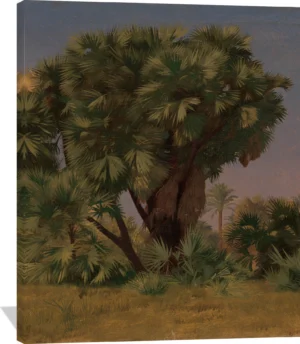
222,00 leiSelect options This product has multiple variants. The options may be chosen on the product pageStudy of Palm Trees
Jean-Léon GérômeCanvas from
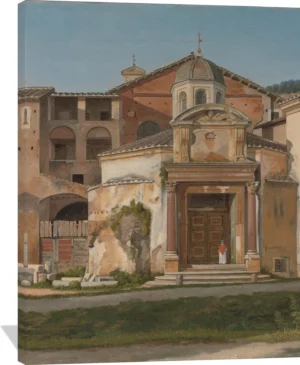
142,00 leiSelect options This product has multiple variants. The options may be chosen on the product pageA Section of the Via Sacra, Rome (The Church of Saints Cosmas and Damian)
Christoffer Wilhelm EckersbergCanvas from
147,00 leiSelect options This product has multiple variants. The options may be chosen on the product pageLandscape with Figures
Kenneth Hayes MillerCanvas from
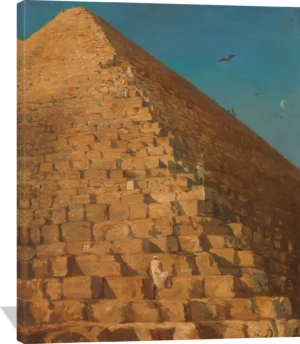
142,00 leiSelect options This product has multiple variants. The options may be chosen on the product pageThe Great Pyramid, Giza
Adrien DauzatsCanvas from
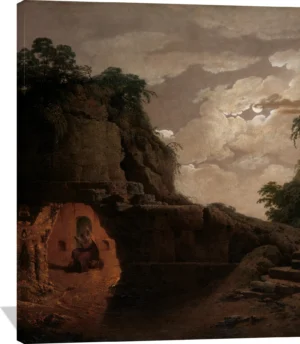
142,00 leiSelect options This product has multiple variants. The options may be chosen on the product pageVirgil’s Tomb by Moonlight, with Silius Italicus Declaiming
Joseph Wright (Wright of Derby)Canvas from
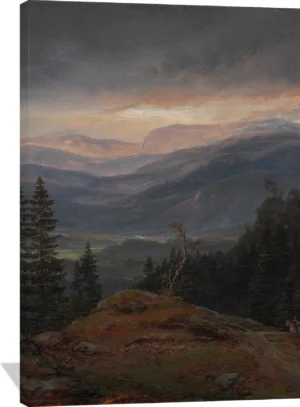
142,00 leiSelect options This product has multiple variants. The options may be chosen on the product pageView over Hallingdal
Johan Christian DahlCanvas from
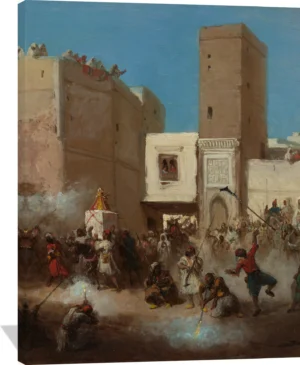
222,00 leiSelect options This product has multiple variants. The options may be chosen on the product pageWedding Procession
Victor EeckhoutCanvas from
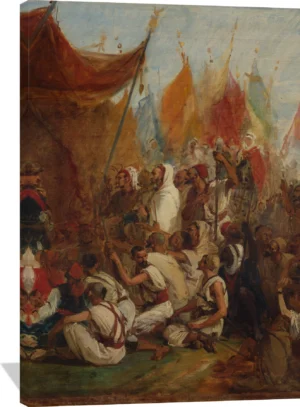
147,00 leiSelect options This product has multiple variants. The options may be chosen on the product pageSketch for “Reception of Emperor Napoleon III and Empress Eugénie by the Kabyle Leaders at Algiers on September 18, 1860”
Isidore PilsCanvas from
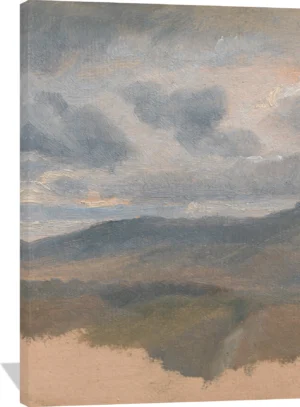
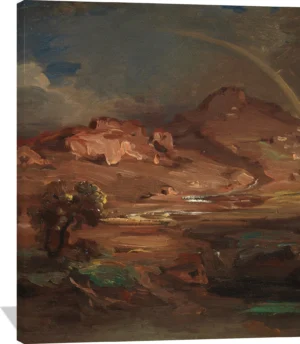
222,00 leiSelect options This product has multiple variants. The options may be chosen on the product pageLandscape Study with Clouds
Emile LoubonCanvas from
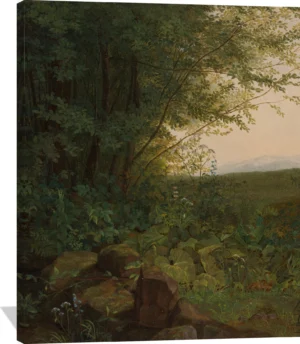
222,00 leiSelect options This product has multiple variants. The options may be chosen on the product pageAt the Edge of the Forest
August HeinrichCanvas from
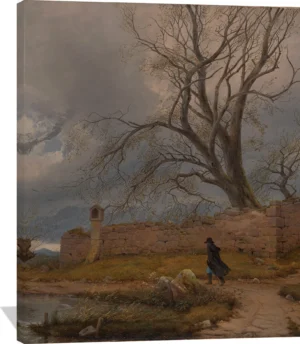
142,00 leiSelect options This product has multiple variants. The options may be chosen on the product pageWanderer in the Storm
Julius von LeypoldCanvas from
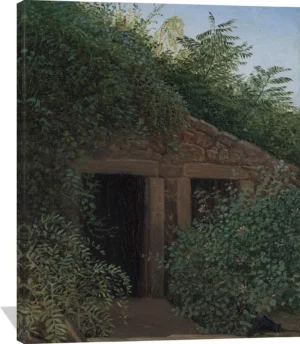
142,00 leiSelect options This product has multiple variants. The options may be chosen on the product pageAn Overgrown Mineshaft
Carl Gustav CarusCanvas from
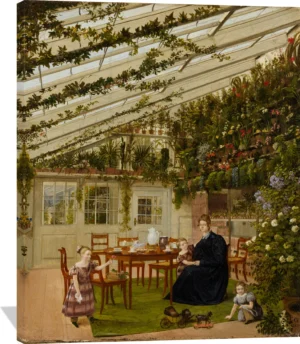
142,00 leiSelect options This product has multiple variants. The options may be chosen on the product pageThe Family of Mr. Westphal in the Conservatory
Eduard GaertnerCanvas from
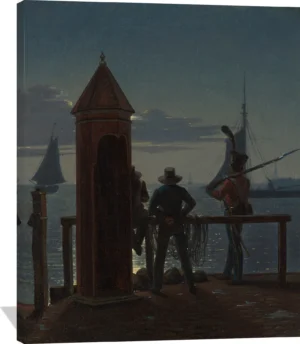
142,00 leiSelect options This product has multiple variants. The options may be chosen on the product pageView from the Citadel Ramparts in Copenhagen by Moonlight
Martinus RørbyeCanvas from
142,00 leiSelect options This product has multiple variants. The options may be chosen on the product pageThe Cemetery at Pronoia near Nauplia
Carl RottmannCanvas from
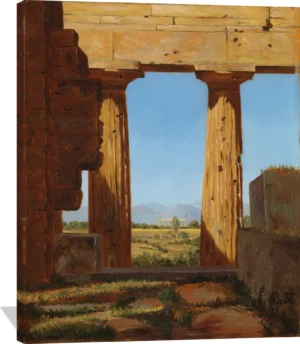
142,00 leiSelect options This product has multiple variants. The options may be chosen on the product pageColumns of the Temple of Neptune at Paestum
Constantin HansenCanvas from
142,00 leiSelect options This product has multiple variants. The options may be chosen on the product page
Explore Rural Scenes
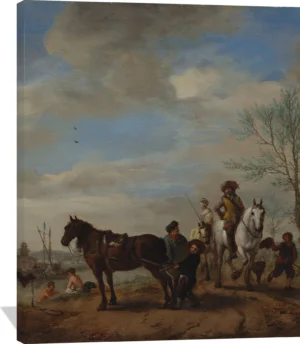
A Man and a Woman on Horseback
Philips WouwermanCanvas from
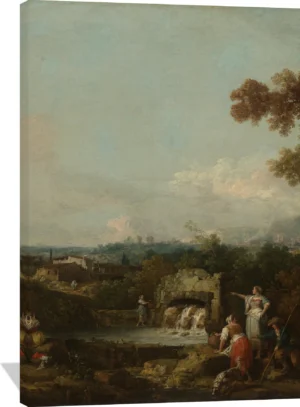
142,00 leiSelect options This product has multiple variants. The options may be chosen on the product pageLandscape with Peasants at a Fountain
Francesco ZuccarelliCanvas from
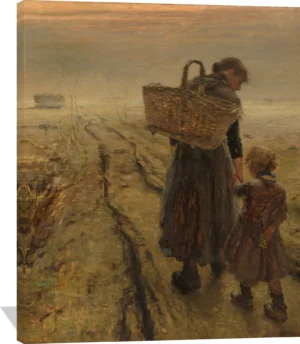
222,00 leiSelect options This product has multiple variants. The options may be chosen on the product pageGoing Home
Fritz von UhdeCanvas from
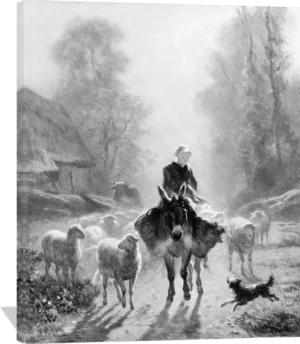
142,00 leiSelect options This product has multiple variants. The options may be chosen on the product pageGoing to Market
Constant TroyonCanvas from
142,00 leiSelect options This product has multiple variants. The options may be chosen on the product pageLandscape with Cattle
Jacob van StrijCanvas from
142,00 leiSelect options This product has multiple variants. The options may be chosen on the product pageThe Third Duke of Dorset’s Hunter with a Groom and a Dog
George StubbsCanvas from
142,00 leiSelect options This product has multiple variants. The options may be chosen on the product pagePeasants Dancing and Feasting
David Teniers the YoungerCanvas from
142,00 leiSelect options This product has multiple variants. The options may be chosen on the product pageLandscape with a Village in the Distance
Jacob van RuisdaelCanvas from
147,00 leiSelect options This product has multiple variants. The options may be chosen on the product pageThe Banks of the Bièvre near Bicêtre
Henri Rousseau (le Douanier)Canvas from
142,00 leiSelect options This product has multiple variants. The options may be chosen on the product pagePreparing for Christmas (Plucking Turkeys)
Francis William EdmondsCanvas from
142,00 leiSelect options This product has multiple variants. The options may be chosen on the product pageOn the Old Sod
William MagrathCanvas from
142,00 leiSelect options This product has multiple variants. The options may be chosen on the product pageCamp Fire
Winslow HomerCanvas from
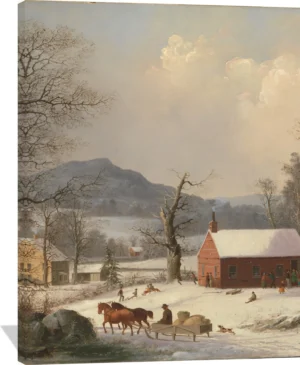
222,00 leiSelect options This product has multiple variants. The options may be chosen on the product pageRed School House (Country Scene)
George Henry DurrieCanvas from
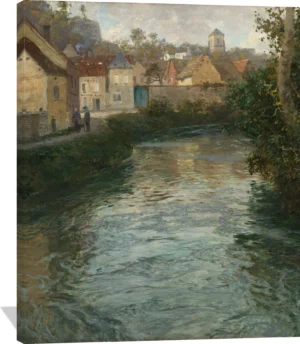
147,00 leiSelect options This product has multiple variants. The options may be chosen on the product pagePicquigny
Frits ThaulowCanvas from
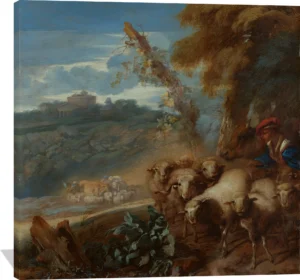
142,00 leiSelect options This product has multiple variants. The options may be chosen on the product pageRoman Landscape with a Shepherd and Sheep
Giovanni Benedetto Castiglione (Il Grechetto)Canvas from
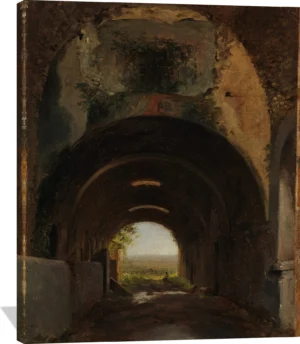
195,00 leiSelect options This product has multiple variants. The options may be chosen on the product pageView in the Stables of the Villa of Maecenas, Tivoli
François Marius GranetCanvas from
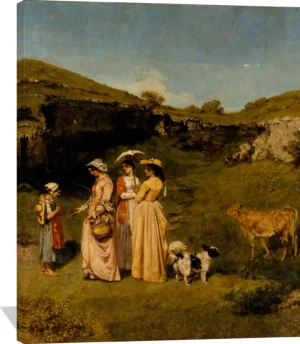
142,00 leiSelect options This product has multiple variants. The options may be chosen on the product pageYoung Ladies of the Village
Gustave CourbetCanvas from
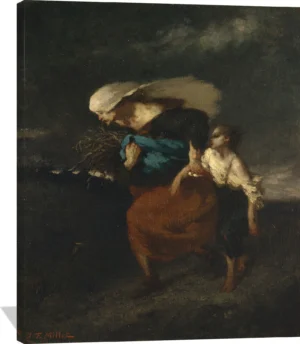
142,00 leiSelect options This product has multiple variants. The options may be chosen on the product pageRetreat from the Storm
Jean-François MilletCanvas from
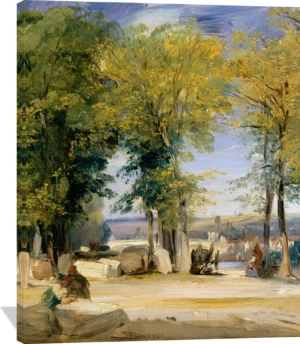
142,00 leiSelect options This product has multiple variants. The options may be chosen on the product pageView near Rouen
Richard Parkes BoningtonCanvas from
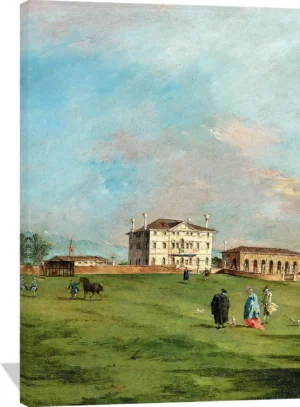
142,00 leiSelect options This product has multiple variants. The options may be chosen on the product pageThe Villa Loredan, Paese
Francesco GuardiCanvas from
222,00 leiSelect options This product has multiple variants. The options may be chosen on the product pageRoad in the Woods
Constant TroyonCanvas from
142,00 leiSelect options This product has multiple variants. The options may be chosen on the product page