Benson John Lossing
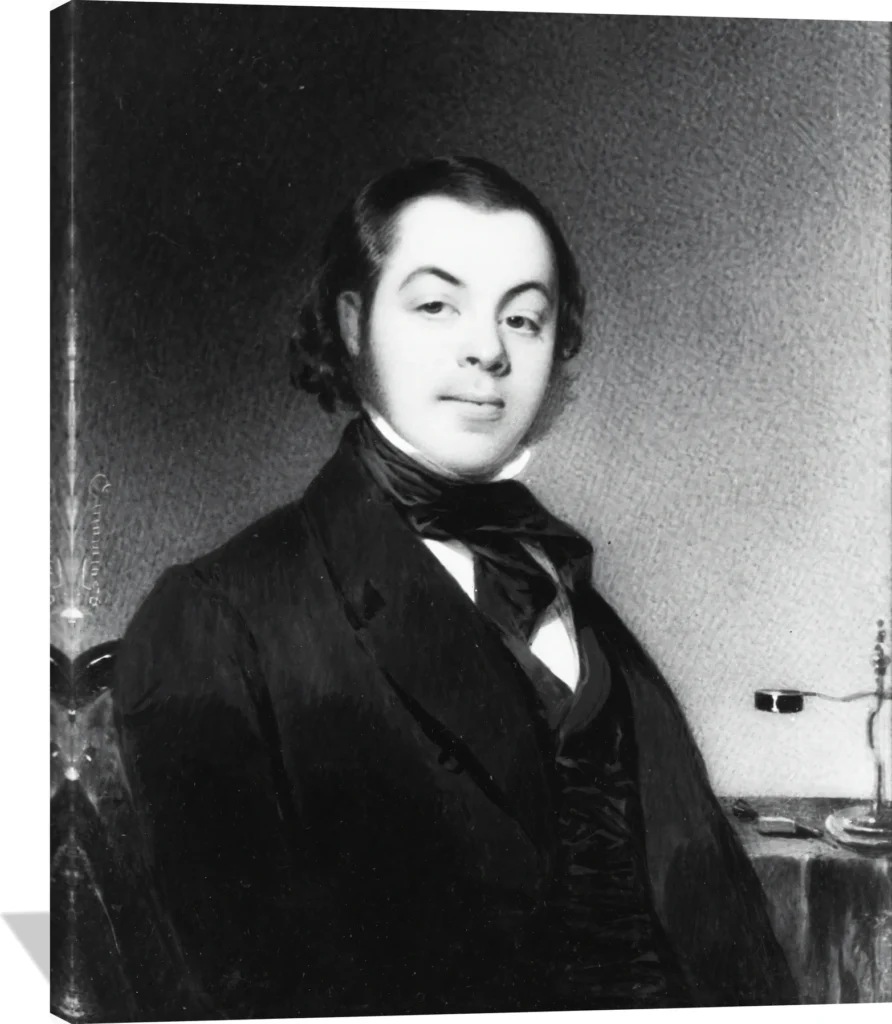
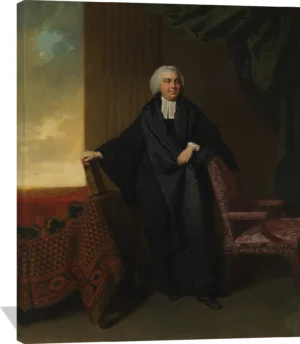
The Thomas Seir Cummings Benson John Lossing canvas captures a refined portrait rendered in smooth grayscale tones with deep blacks, soft grays, and subtle ivory highlights. Cummings’ precise brushwork and balanced composition evoke quiet confidence and timeless dignity, making this piece a striking statement of classical artistry.
This elegant wall art brings sophistication to any interior—perfect for a study, library, or modern living room. The Benson John Lossing canvas print embodies 19th-century portraiture at its most graceful, offering a serene focal point that complements both traditional and contemporary décor.
Thomas Seir Cummings (1804–1894) was an American artist, born in Bath, England, who became one of the leading miniature painters of the nineteenth century. Active primarily in New York, he helped shape the early landscape of American portraiture during a period of rapid cultural growth.
Artistic Style
Cummings was celebrated for his refined miniature portraits, executed with remarkable precision and sensitivity. His work is distinguished by delicate brushwork, subtle transitions of light and shadow, and a focus on psychological presence. This meticulous approach made his portraits highly sought after in an era when miniature painting was a preferred means of personal representation.
Notable Contributions
A pivotal figure in the American art community, Cummings was among the founders of the National Academy of Design, where he also served as an instructor. His efforts helped establish professional standards and educational opportunities for emerging artists. As both a practitioner and a teacher, he played a significant role in elevating the status of American portraiture.
Subjects and Themes
Cummings specialized in intimate likenesses of individuals, often members of prominent families, capturing both fashionable detail and human character. His portraits reveal a careful study of costume, texture, and expression, reflecting his commitment to authenticity and refinement. Many of his works preserve the visual history of nineteenth-century American society.
Cultural and Historical Significance
Cummings’s legacy rests in his contribution to early American art institutions and his mastery of a medium that bridged personal memento and fine art. As miniature painting gradually gave way to new forms of portraiture, his work remained a testament to the elegance and craftsmanship of the tradition. Today, he is recognized for his role in shaping the professional landscape of American art and for his enduring ability to capture the individuality of his sitters with exceptional clarity and grace.
Trust & policies
- 🚚 Free worldwide shipping
- 🔁 30-day returns (change of mind)
- 🛡️ If damaged/defective/misprinted: free replacement or full refund
- 🌍 Printed in US/CA/EU/UK/AU (based on delivery location)
- 💎 Made to order using acid-free, fade-resistant canvas
- 💎 Solid wood stretcher bars • Pine floating frames
- 🪝 Ready to hang

Fur Traders Descending the Missouri
George Caleb BinghamCanvas from
142,00 leiSelect options This product has multiple variants. The options may be chosen on the product pageNevada Falls, Yosemite
Albert BierstadtCanvas from
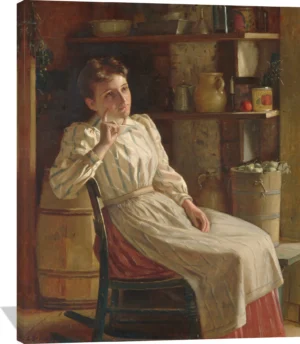
142,00 leiSelect options This product has multiple variants. The options may be chosen on the product pageThe Way They Live
Thomas AnshutzCanvas from
147,00 leiSelect options This product has multiple variants. The options may be chosen on the product pageJohn F. Kensett
George Augustus Baker Jr.Canvas from
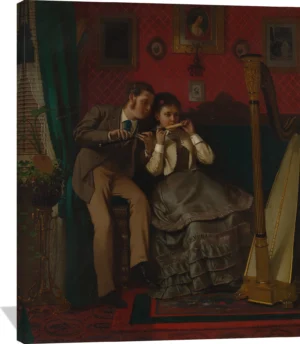
142,00 leiSelect options This product has multiple variants. The options may be chosen on the product pageThe Music Lesson
John George BrownCanvas from
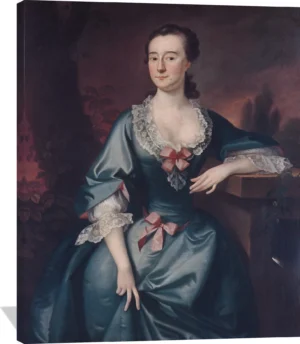
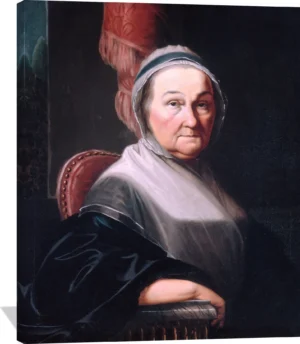
142,00 leiSelect options This product has multiple variants. The options may be chosen on the product pageMrs. David Chesebrough
Joseph BlackburnCanvas from
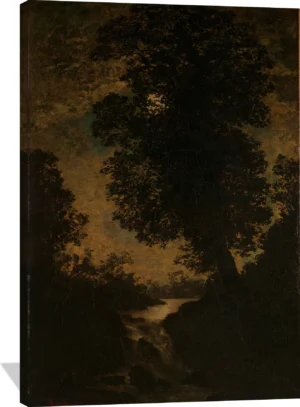
142,00 leiSelect options This product has multiple variants. The options may be chosen on the product pageA Waterfall, Moonlight
Ralph Albert BlakelockCanvas from
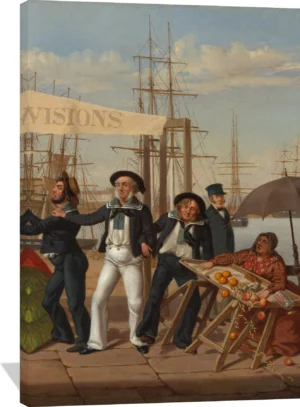
222,00 leiSelect options This product has multiple variants. The options may be chosen on the product pageAfter a Long Cruise
John CarlinCanvas from
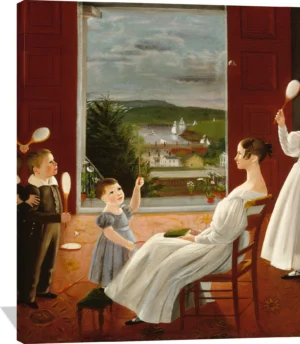
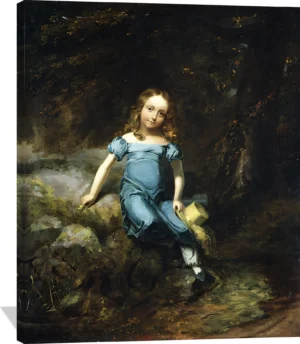
222,00 leiSelect options This product has multiple variants. The options may be chosen on the product pageThe Children of Nathan Starr
Ambrose AndrewsCanvas from
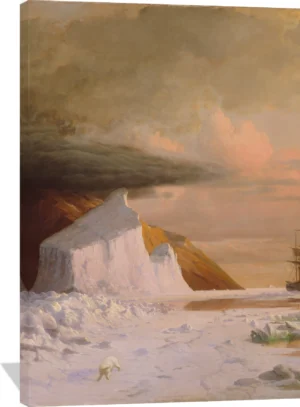
142,00 leiSelect options This product has multiple variants. The options may be chosen on the product pageAn Arctic Summer: Boring Through the Pack in Melville Bay
William BradfordCanvas from
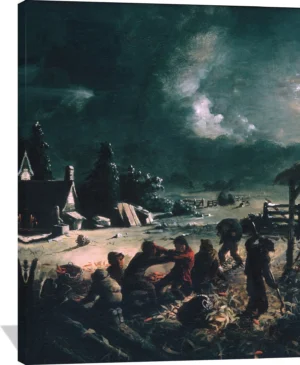
222,00 leiSelect options This product has multiple variants. The options may be chosen on the product pageCorn Husking
David Gilmour BlytheCanvas from
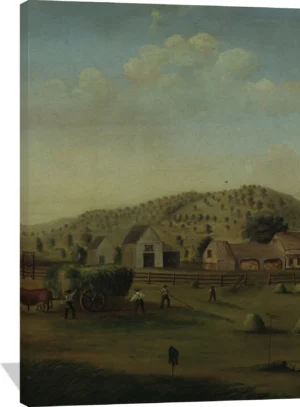
147,00 leiSelect options This product has multiple variants. The options may be chosen on the product pageLeete Farm, West Claremont, New Hampshire
Francis AlexanderCanvas from
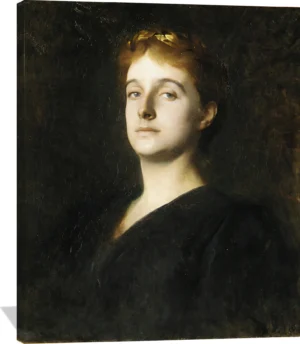
222,00 leiSelect options This product has multiple variants. The options may be chosen on the product pageEleanor Hardy Bunker
Dennis Miller BunkerCanvas from
142,00 leiSelect options This product has multiple variants. The options may be chosen on the product pageJanet Halleck Drake
Henry InmanCanvas from
142,00 leiSelect options This product has multiple variants. The options may be chosen on the product pageMrs. Benjamin Simons
Henry BenbridgeCanvas from
142,00 leiSelect options This product has multiple variants. The options may be chosen on the product pageMeditation
John George BrownCanvas from
142,00 leiSelect options This product has multiple variants. The options may be chosen on the product pageJames Badger
Joseph BadgerCanvas from
142,00 leiSelect options This product has multiple variants. The options may be chosen on the product pageEmma Homan
John BradleyCanvas from
142,00 leiSelect options This product has multiple variants. The options may be chosen on the product pageWalt Whitman
John White AlexanderCanvas from
142,00 leiSelect options This product has multiple variants. The options may be chosen on the product pageLandscape
Ralph Albert BlakelockCanvas from
147,00 leiSelect options This product has multiple variants. The options may be chosen on the product pageThe Ameya
Robert Frederick BlumCanvas from
142,00 leiSelect options This product has multiple variants. The options may be chosen on the product pageMerced River, Yosemite Valley
Albert BierstadtCanvas from
147,00 leiSelect options This product has multiple variants. The options may be chosen on the product page


Explore Portraits
Jeanne Hébuterne
Amedeo ModiglianiCanvas from
142,00 leiSelect options This product has multiple variants. The options may be chosen on the product pageGirl in a Sailor’s Blouse
Amedeo ModiglianiCanvas from
147,00 leiSelect options This product has multiple variants. The options may be chosen on the product pageSelf-Portrait
Umberto BoccioniCanvas from
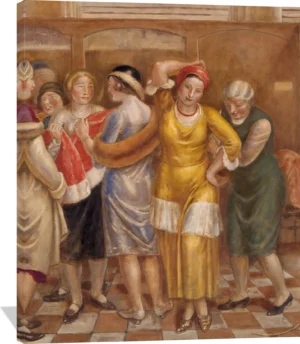
142,00 leiSelect options This product has multiple variants. The options may be chosen on the product pageThe Fitting Room
Kenneth Hayes MillerCanvas from
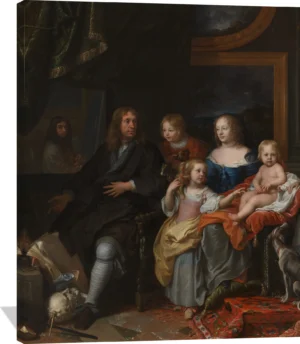
142,00 leiSelect options This product has multiple variants. The options may be chosen on the product pageThe Jabach Family
Charles Le BrunCanvas from
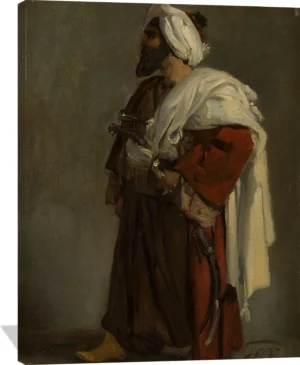
142,00 leiSelect options This product has multiple variants. The options may be chosen on the product pageArab Warrior
Horace VernetCanvas from
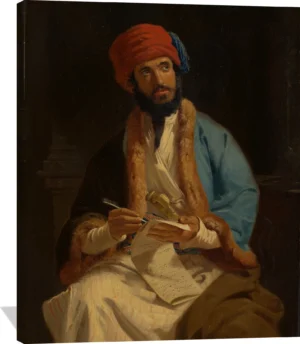
147,00 leiSelect options This product has multiple variants. The options may be chosen on the product pageThe Arab Sage
German PainterCanvas from
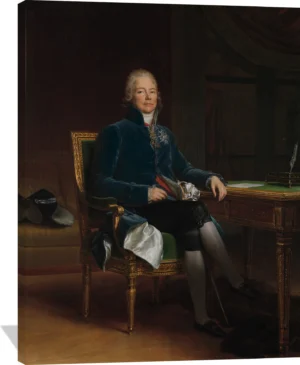
142,00 leiSelect options This product has multiple variants. The options may be chosen on the product pageCharles Maurice de Talleyrand Périgord (1754–1838), Prince de Bénévent
baron François GérardCanvas from
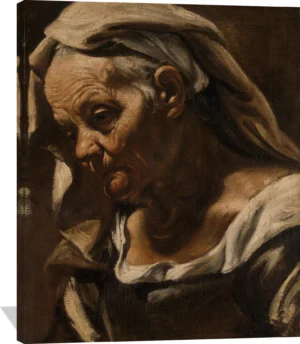
147,00 leiSelect options This product has multiple variants. The options may be chosen on the product pageHead of an Old Woman
Orazio BorgianniCanvas from
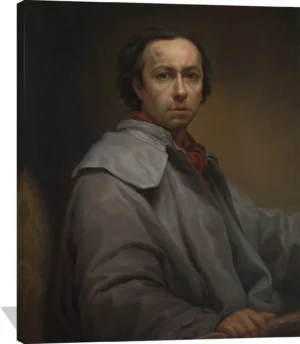
142,00 leiSelect options This product has multiple variants. The options may be chosen on the product pageSelf-Portrait
Anton Raphael MengsCanvas from
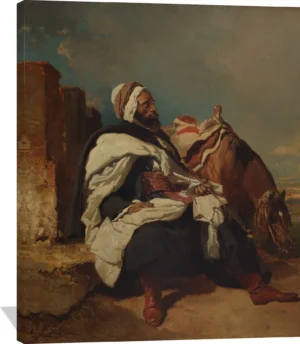
142,00 leiSelect options This product has multiple variants. The options may be chosen on the product pageSeated Arab Man with Horse
Alfred DedreuxCanvas from
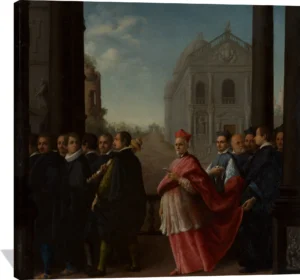
142,00 leiSelect options This product has multiple variants. The options may be chosen on the product pageA Cardinal’s Procession
Ottavio Leoni (Il Padovano)Canvas from
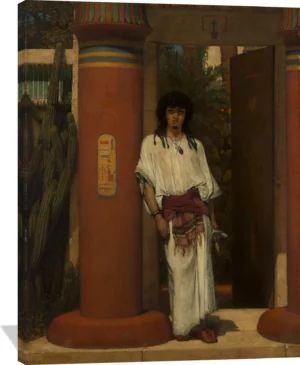
195,00 leiSelect options This product has multiple variants. The options may be chosen on the product pageAn Egyptian in a Doorway
Sir Lawrence Alma-TademaCanvas from
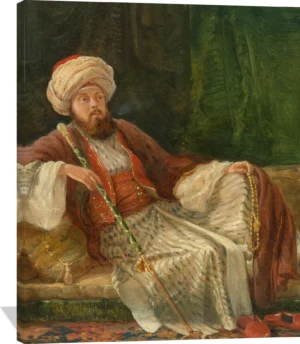
147,00 leiSelect options This product has multiple variants. The options may be chosen on the product pageWestern Gentleman in Oriental Costume
British PainterCanvas from
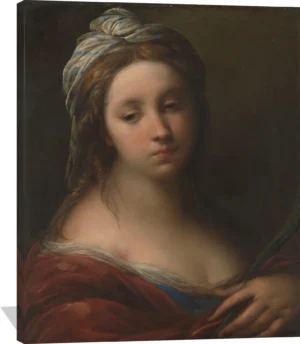
142,00 leiSelect options This product has multiple variants. The options may be chosen on the product pageA Female Martyr Saint
Carlo Francesco NuvoloneCanvas from
142,00 leiSelect options This product has multiple variants. The options may be chosen on the product pageGirl in a Courtyard, Algiers (formerly Courtyard in Tangier)
Philippe PavyCanvas from
222,00 leiSelect options This product has multiple variants. The options may be chosen on the product pageLute Player
Valentin de BoulogneCanvas from
142,00 leiSelect options This product has multiple variants. The options may be chosen on the product pageThe Opium Smokers
Georges ClairinCanvas from
195,00 leiSelect options This product has multiple variants. The options may be chosen on the product pageHead of a Bishop
Gaetano GandolfiCanvas from
142,00 leiSelect options This product has multiple variants. The options may be chosen on the product pageThe Two Central Figures in “Derby Day”
William Powell FrithCanvas from
147,00 leiSelect options This product has multiple variants. The options may be chosen on the product pageThe Saithwaite Family
Francis WheatleyCanvas from
142,00 leiSelect options This product has multiple variants. The options may be chosen on the product page

Explore Figurative
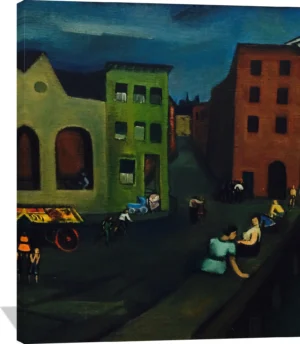
Docks on Sunday
Joseph De MartiniCanvas from
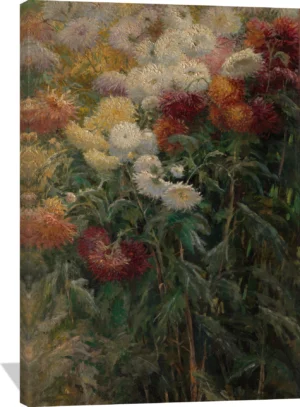
142,00 leiSelect options This product has multiple variants. The options may be chosen on the product pageChrysanthemums in the Garden at Petit-Gennevilliers
Gustave CaillebotteCanvas from
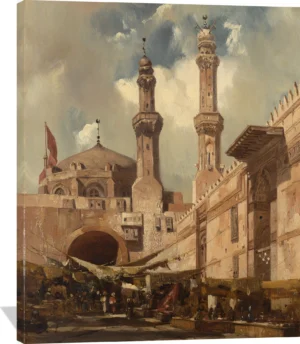
222,00 leiSelect options This product has multiple variants. The options may be chosen on the product pageA Cairo Bazaar
Adrien DauzatsCanvas from
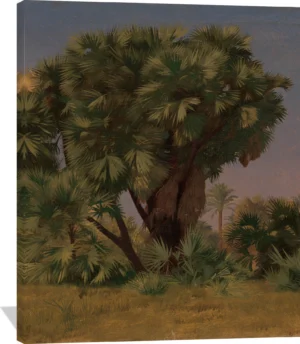
142,00 leiSelect options This product has multiple variants. The options may be chosen on the product pageStudy of Palm Trees
Jean-Léon GérômeCanvas from
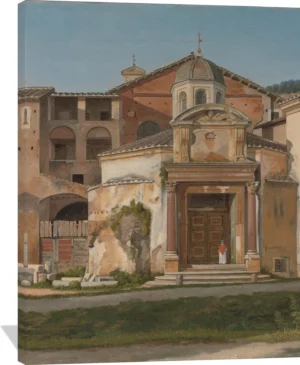
142,00 leiSelect options This product has multiple variants. The options may be chosen on the product pageA Section of the Via Sacra, Rome (The Church of Saints Cosmas and Damian)
Christoffer Wilhelm EckersbergCanvas from
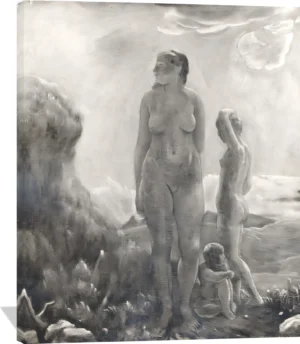
147,00 leiSelect options This product has multiple variants. The options may be chosen on the product pageLandscape with Figures
Kenneth Hayes MillerCanvas from
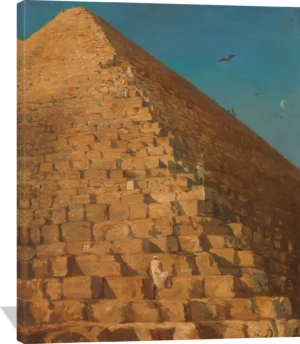
142,00 leiSelect options This product has multiple variants. The options may be chosen on the product pageThe Great Pyramid, Giza
Adrien DauzatsCanvas from
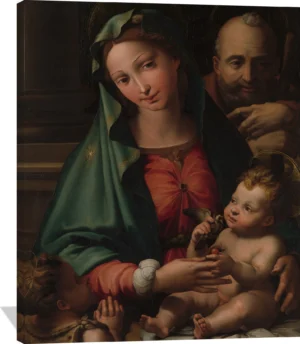
142,00 leiSelect options This product has multiple variants. The options may be chosen on the product pageThe Holy Family with the Infant Saint John the Baptist
Perino del Vaga (Pietro Buonaccorsi)Canvas from
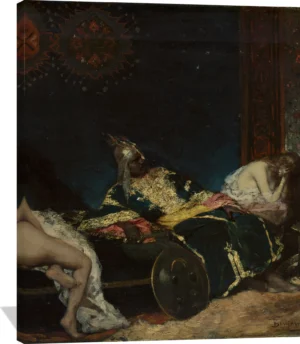
142,00 leiSelect options This product has multiple variants. The options may be chosen on the product pageScene in a Harem (Un Envoi de Serbie)
Benjamin-Constant (Jean-Joseph-Benjamin Constant)Canvas from
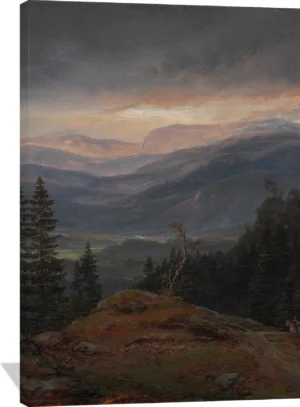
142,00 leiSelect options This product has multiple variants. The options may be chosen on the product pageView over Hallingdal
Johan Christian DahlCanvas from
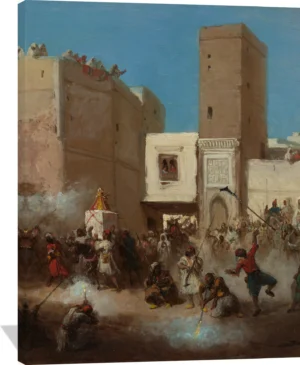
222,00 leiSelect options This product has multiple variants. The options may be chosen on the product pageWedding Procession
Victor EeckhoutCanvas from
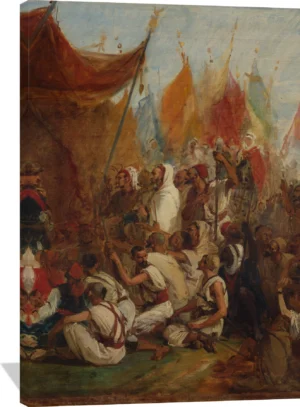
147,00 leiSelect options This product has multiple variants. The options may be chosen on the product pageSketch for “Reception of Emperor Napoleon III and Empress Eugénie by the Kabyle Leaders at Algiers on September 18, 1860”
Isidore PilsCanvas from
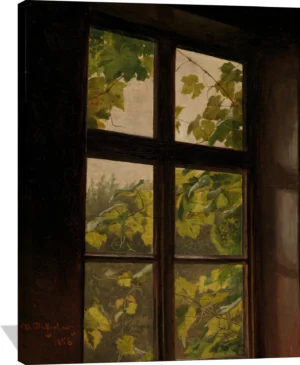
222,00 leiSelect options This product has multiple variants. The options may be chosen on the product pageWindow
Anton DieffenbachCanvas from
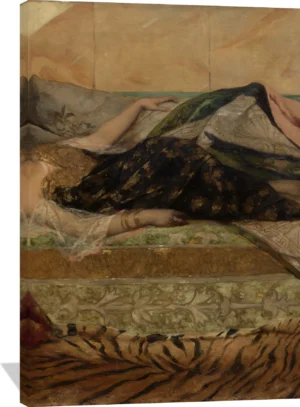
147,00 leiSelect options This product has multiple variants. The options may be chosen on the product pageOdalisque
Benjamin-Constant (Jean-Joseph-Benjamin Constant)Canvas from
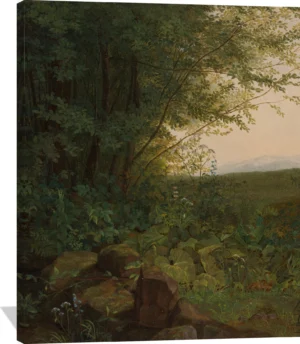
222,00 leiSelect options This product has multiple variants. The options may be chosen on the product pageAt the Edge of the Forest
August HeinrichCanvas from
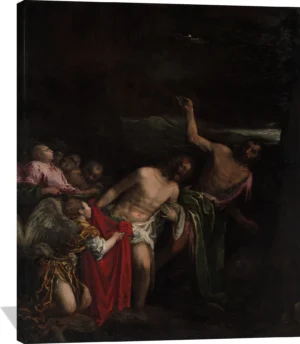
142,00 leiSelect options This product has multiple variants. The options may be chosen on the product pageThe Baptism of Christ
Jacopo Bassano (Jacopo da Ponte)Canvas from
142,00 leiSelect options This product has multiple variants. The options may be chosen on the product pageThe Reverend Philip Cocks (1735–1797)
Johan Joseph ZoffanyCanvas from
142,00 leiSelect options This product has multiple variants. The options may be chosen on the product pageThe Artist’s Sitting Room in Ritterstrasse
Adolph MenzelCanvas from
142,00 leiSelect options This product has multiple variants. The options may be chosen on the product pageThe Family of Mr. Westphal in the Conservatory
Eduard GaertnerCanvas from
142,00 leiSelect options This product has multiple variants. The options may be chosen on the product pageView from the Citadel Ramparts in Copenhagen by Moonlight
Martinus RørbyeCanvas from
142,00 leiSelect options This product has multiple variants. The options may be chosen on the product pageThe Cemetery at Pronoia near Nauplia
Carl RottmannCanvas from
142,00 leiSelect options This product has multiple variants. The options may be chosen on the product page