Three Beauties Playing Musical Instruments
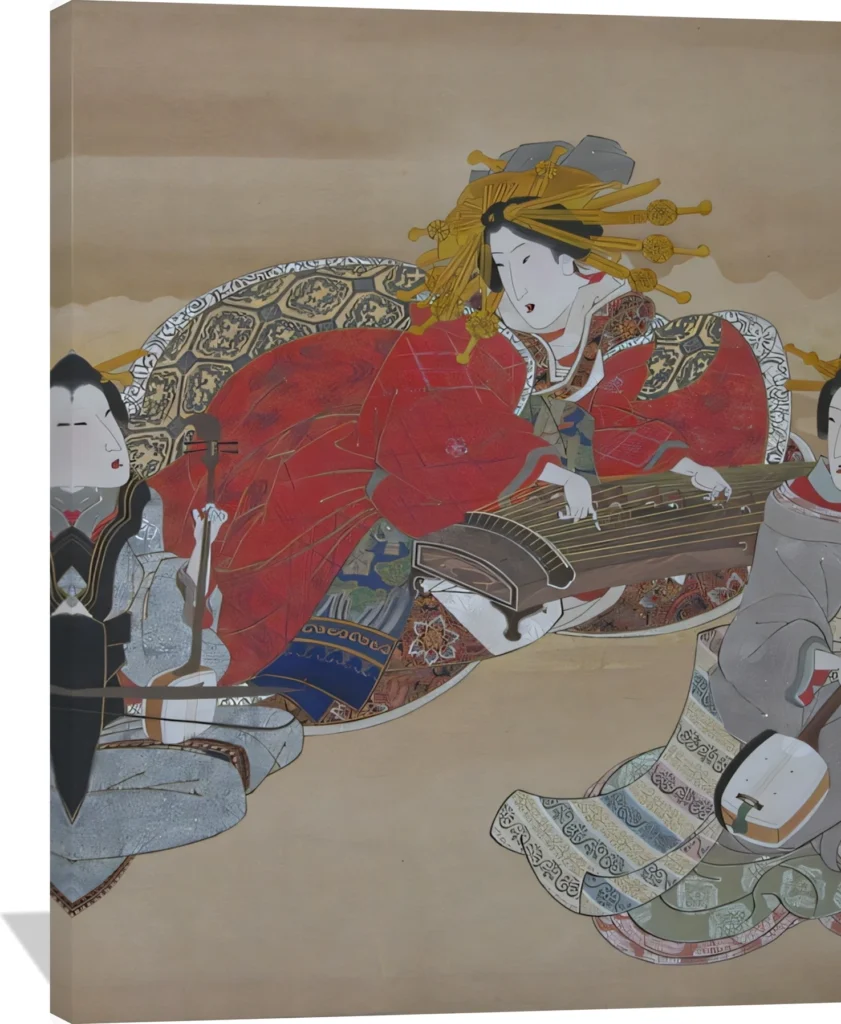
The Utagawa Kuniyoshi Three Beauties Playing Musical Instruments canvas captures a serene moment of refinement and artistry. Three elegantly dressed women, adorned in intricate kimonos of crimson, ivory, and muted gold, perform traditional instruments with quiet grace. The soft beige background and delicate patterns evoke the timeless beauty of Edo-period Japan, making this wall art a striking blend of harmony and detail.
This exquisite canvas print brings sophistication and calm to any space—perfect for a living room, study, or entryway. A tribute to Kuniyoshi’s mastery, it invites a sense of cultural depth and meditative balance into your home décor.
Utagawa Kuniyoshi (1797–1861) was a master of the late Edo-period ukiyo-e tradition, celebrated for his dynamic compositions, vivid imagination, and exceptional storytelling. Renowned as one of the last great artists of the Utagawa school, he brought a bold, theatrical energy to woodblock printmaking that continues to captivate viewers today.
Artistic Style
Kuniyoshi’s style is distinguished by powerful linework, dramatic movement, and striking color contrasts. He blended realism with fantasy, often pushing the boundaries of conventional ukiyo-e with inventive perspectives, expressive figures, and richly detailed settings. His work reveals a keen interest in human emotion and physicality, rendered with both precision and exuberance.
Subjects and Iconic Themes
Best known for his warrior prints, Kuniyoshi created exhilarating depictions of samurai heroes, legendary battles, and scenes from the popular novel Suikoden. He also produced imaginative portrayals of folklore, supernatural beings, kabuki actors, and beautiful women. His humorous and sometimes playful compositions, including anthropomorphic animals and satirical scenes, highlight his remarkable creative range.
Legacy and Significance
Kuniyoshi played a pivotal role in shaping the visual culture of nineteenth-century Japan. His bold imagery and narrative intensity contributed to the rise of heroic and historical print genres, while his innovative approach influenced generations of artists. Today, his work is admired for its technical mastery, vibrant storytelling, and its enduring reflection of Edo-period culture.
Trust & policies
- 🚚 Free worldwide shipping
- 🔁 30-day returns (change of mind)
- 🛡️ If damaged/defective/misprinted: free replacement or full refund
- 🌍 Printed in US/CA/EU/UK/AU (based on delivery location)
- 💎 Made to order using acid-free, fade-resistant canvas
- 💎 Solid wood stretcher bars • Pine floating frames
- 🪝 Ready to hang

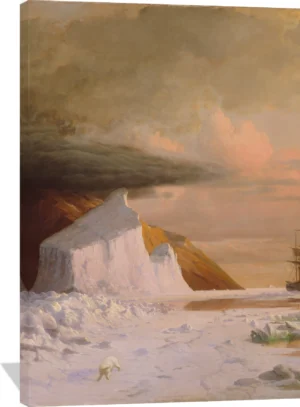
An Arctic Summer: Boring Through the Pack in Melville Bay
William BradfordCanvas from
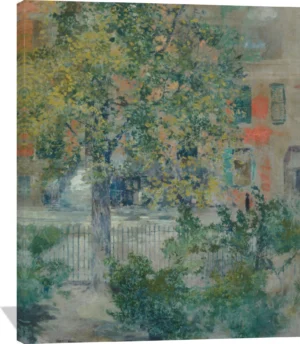
222,00 leiSelect options This product has multiple variants. The options may be chosen on the product pageView from the Artist’s Window, Grove Street
Robert Frederick BlumCanvas from
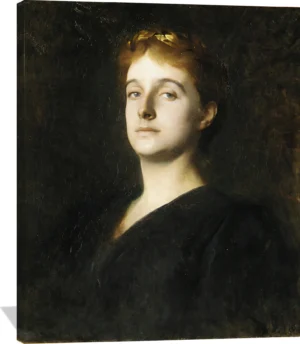
142,00 leiSelect options This product has multiple variants. The options may be chosen on the product pageEleanor Hardy Bunker
Dennis Miller BunkerCanvas from
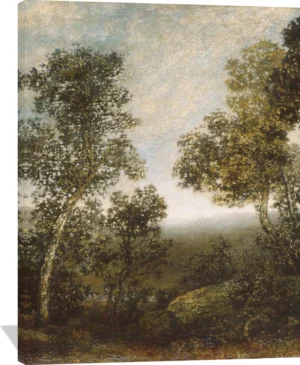
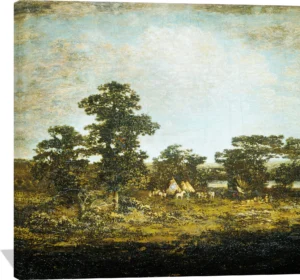
142,00 leiSelect options This product has multiple variants. The options may be chosen on the product pageLandscape
Ralph Albert BlakelockCanvas from
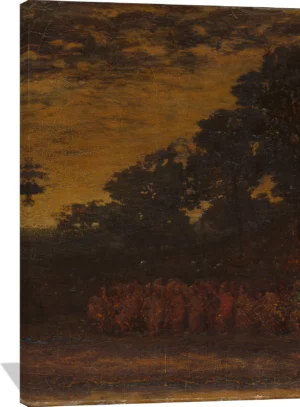
147,00 leiSelect options This product has multiple variants. The options may be chosen on the product pageThe Pipe Dance
Ralph Albert BlakelockCanvas from
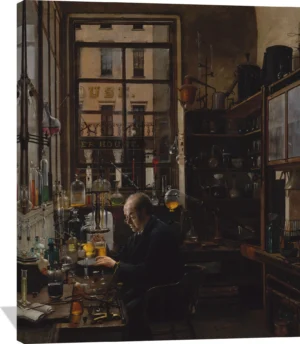
222,00 leiSelect options This product has multiple variants. The options may be chosen on the product pageIn the Laboratory
Henry AlexanderCanvas from
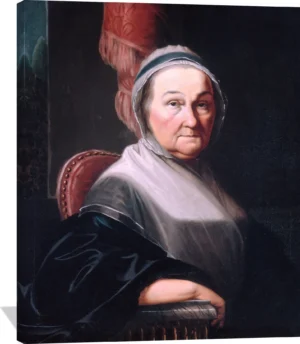
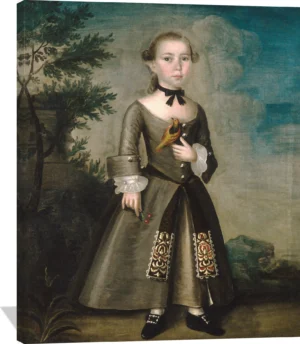
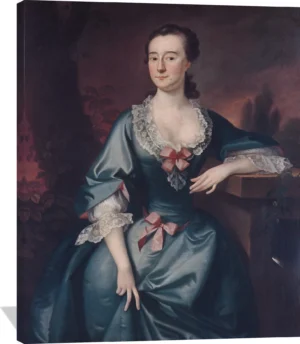
142,00 leiSelect options This product has multiple variants. The options may be chosen on the product pageMrs. Benjamin Simons
Henry BenbridgeCanvas from
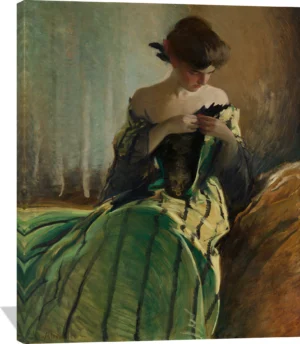
142,00 leiSelect options This product has multiple variants. The options may be chosen on the product pageStudy in Green and Black
John White AlexanderCanvas from
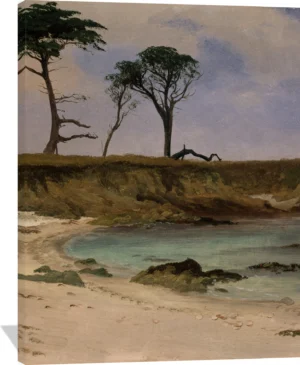
142,00 leiSelect options This product has multiple variants. The options may be chosen on the product pageSea Cove
Albert BierstadtCanvas from
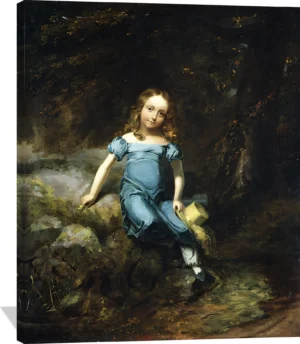
147,00 leiSelect options This product has multiple variants. The options may be chosen on the product pageJanet Halleck Drake
Henry InmanCanvas from
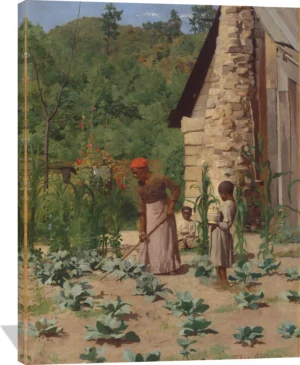
142,00 leiSelect options This product has multiple variants. The options may be chosen on the product pageThe Way They Live
Thomas AnshutzCanvas from
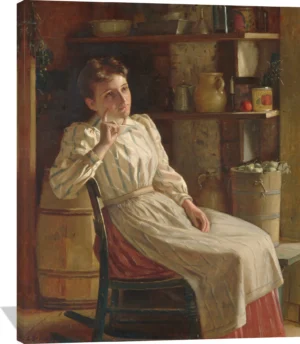
147,00 leiSelect options This product has multiple variants. The options may be chosen on the product pageMeditation
John George BrownCanvas from
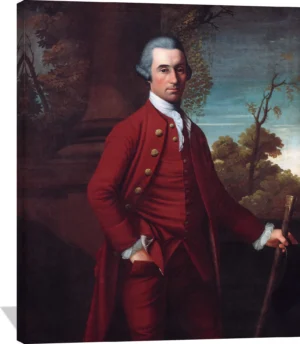
142,00 leiSelect options This product has multiple variants. The options may be chosen on the product pagePortrait of a Gentleman
Henry BenbridgeCanvas from
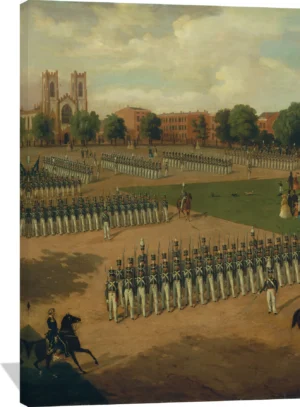
142,00 leiSelect options This product has multiple variants. The options may be chosen on the product pageSeventh Regiment on Review, Washington Square, New York
Otto BoetticherCanvas from
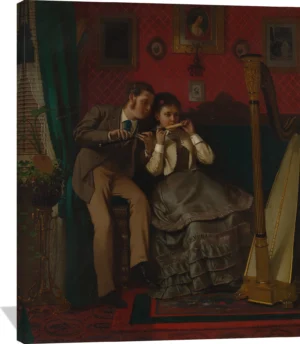
222,00 leiSelect options This product has multiple variants. The options may be chosen on the product pageThe Music Lesson
John George BrownCanvas from
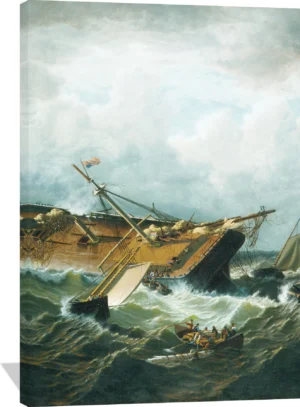
142,00 leiSelect options This product has multiple variants. The options may be chosen on the product pageShipwreck off Nantucket (Wreck off Nantucket after a Storm)
William BradfordCanvas from
222,00 leiSelect options This product has multiple variants. The options may be chosen on the product pageAn Indian Encampment
Ralph Albert BlakelockCanvas from
195,00 leiSelect options This product has multiple variants. The options may be chosen on the product pageJames Badger
Joseph BadgerCanvas from
142,00 leiSelect options This product has multiple variants. The options may be chosen on the product pageMrs. David Chesebrough
Joseph BlackburnCanvas from
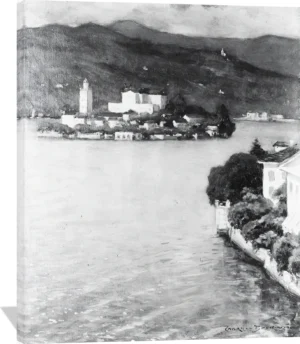
142,00 leiSelect options This product has multiple variants. The options may be chosen on the product pageLake of Orta
J. Carroll BeckwithCanvas from
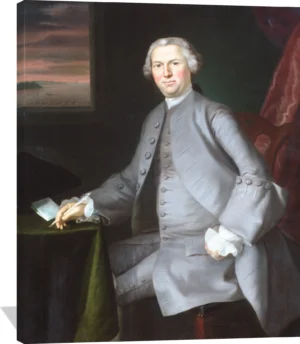
142,00 leiSelect options This product has multiple variants. The options may be chosen on the product pageSamuel Cutts
Joseph BlackburnCanvas from
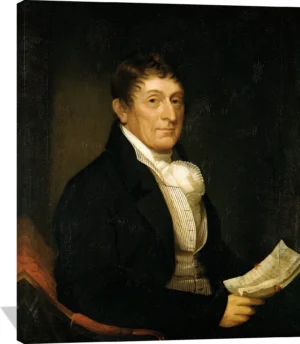
142,00 leiSelect options This product has multiple variants. The options may be chosen on the product pagePhilip Van Cortlandt
Ezra AmesCanvas from
142,00 leiSelect options This product has multiple variants. The options may be chosen on the product page
Explore Portraits
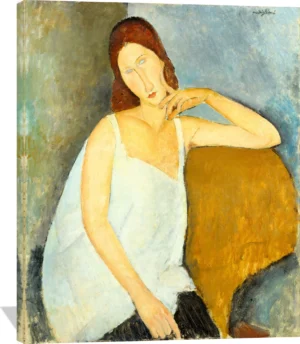
Jeanne Hébuterne
Amedeo ModiglianiCanvas from
142,00 leiSelect options This product has multiple variants. The options may be chosen on the product pageGirl in a Sailor’s Blouse
Amedeo ModiglianiCanvas from
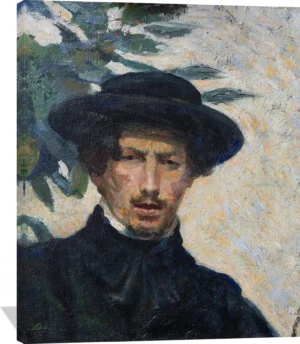
147,00 leiSelect options This product has multiple variants. The options may be chosen on the product pageSelf-Portrait
Umberto BoccioniCanvas from
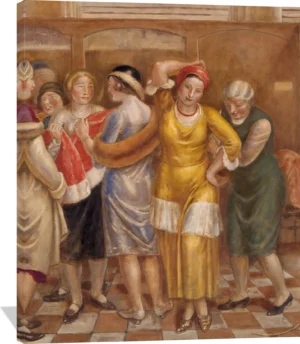
142,00 leiSelect options This product has multiple variants. The options may be chosen on the product pageThe Fitting Room
Kenneth Hayes MillerCanvas from
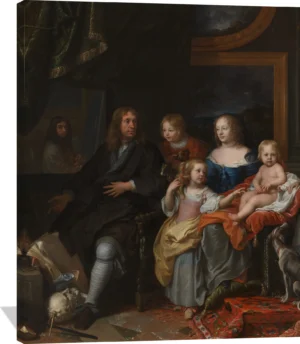
142,00 leiSelect options This product has multiple variants. The options may be chosen on the product pageThe Jabach Family
Charles Le BrunCanvas from
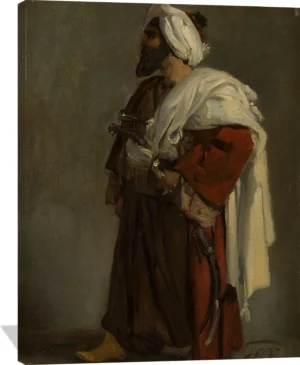
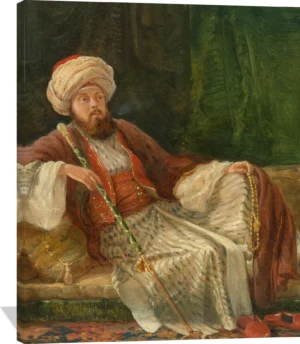
142,00 leiSelect options This product has multiple variants. The options may be chosen on the product pageArab Warrior
Horace VernetCanvas from
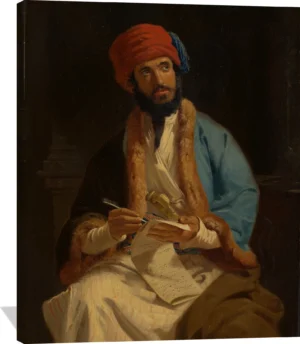
147,00 leiSelect options This product has multiple variants. The options may be chosen on the product pageThe Arab Sage
German PainterCanvas from
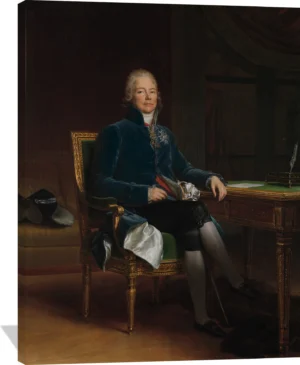
142,00 leiSelect options This product has multiple variants. The options may be chosen on the product pageCharles Maurice de Talleyrand Périgord (1754–1838), Prince de Bénévent
baron François GérardCanvas from
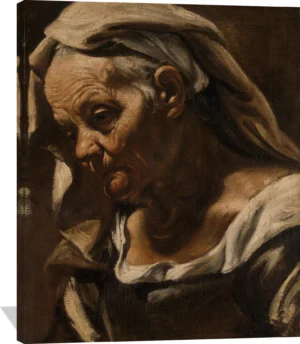
147,00 leiSelect options This product has multiple variants. The options may be chosen on the product pageHead of an Old Woman
Orazio BorgianniCanvas from
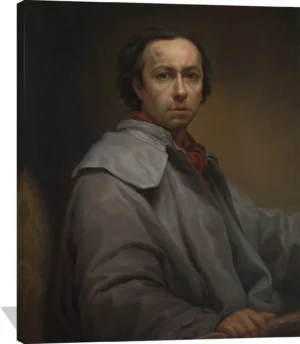
142,00 leiSelect options This product has multiple variants. The options may be chosen on the product pageSelf-Portrait
Anton Raphael MengsCanvas from
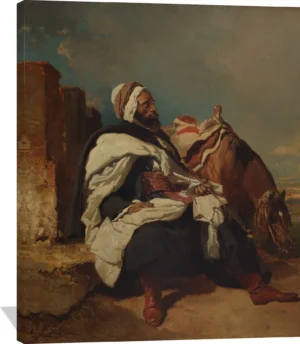
142,00 leiSelect options This product has multiple variants. The options may be chosen on the product pageSeated Arab Man with Horse
Alfred DedreuxCanvas from
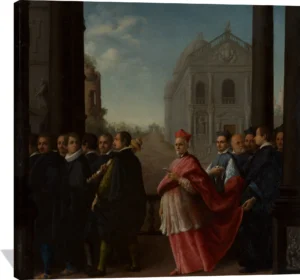
142,00 leiSelect options This product has multiple variants. The options may be chosen on the product pageA Cardinal’s Procession
Ottavio Leoni (Il Padovano)Canvas from
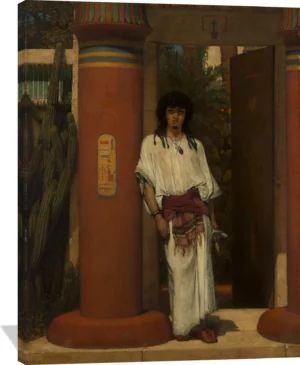
195,00 leiSelect options This product has multiple variants. The options may be chosen on the product pageAn Egyptian in a Doorway
Sir Lawrence Alma-TademaCanvas from
147,00 leiSelect options This product has multiple variants. The options may be chosen on the product pageWestern Gentleman in Oriental Costume
British PainterCanvas from
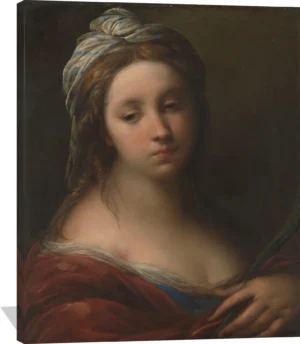
142,00 leiSelect options This product has multiple variants. The options may be chosen on the product pageA Female Martyr Saint
Carlo Francesco NuvoloneCanvas from
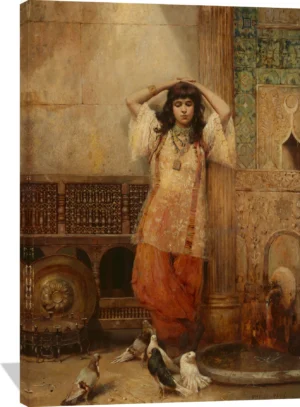
142,00 leiSelect options This product has multiple variants. The options may be chosen on the product pageGirl in a Courtyard, Algiers (formerly Courtyard in Tangier)
Philippe PavyCanvas from
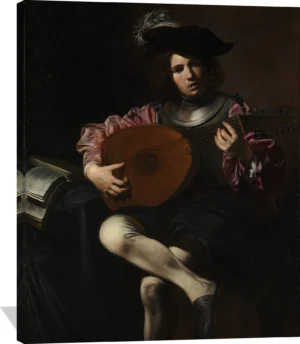
222,00 leiSelect options This product has multiple variants. The options may be chosen on the product pageLute Player
Valentin de BoulogneCanvas from
142,00 leiSelect options This product has multiple variants. The options may be chosen on the product pageThe Opium Smokers
Georges ClairinCanvas from
195,00 leiSelect options This product has multiple variants. The options may be chosen on the product pageHead of a Bishop
Gaetano GandolfiCanvas from
142,00 leiSelect options This product has multiple variants. The options may be chosen on the product pageThe Two Central Figures in “Derby Day”
William Powell FrithCanvas from
147,00 leiSelect options This product has multiple variants. The options may be chosen on the product pageThe Saithwaite Family
Francis WheatleyCanvas from
142,00 leiSelect options This product has multiple variants. The options may be chosen on the product page

Explore Intricate
A Bedroom in Bernstorff Palace near Copenhagen
Johan Vilhelm GertnerCanvas from
142,00 leiSelect options This product has multiple variants. The options may be chosen on the product pageInterior of the Oude Kerk, Delft
Emanuel de WitteCanvas from
147,00 leiSelect options This product has multiple variants. The options may be chosen on the product pageInterior of the Oude Kerk, Delft
Hendrick van VlietCanvas from
142,00 leiSelect options This product has multiple variants. The options may be chosen on the product pageThe Flight into Egypt
Cosmè Tura (Cosimo di Domenico di Bonaventura)Canvas from
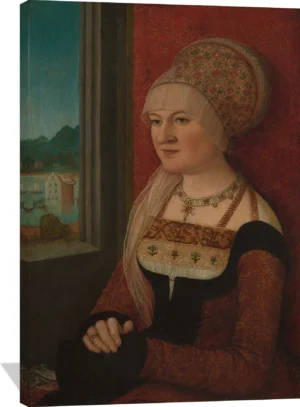
195,00 leiSelect options This product has multiple variants. The options may be chosen on the product pagePortrait of a Woman
Bernhard StrigelCanvas from
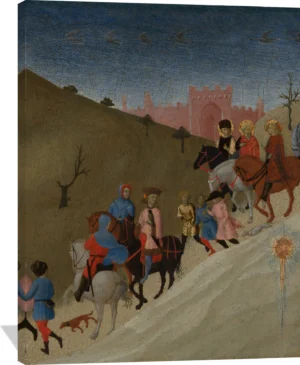
222,00 leiSelect options This product has multiple variants. The options may be chosen on the product pageThe Journey of the Magi
Sassetta (Stefano di Giovanni)Canvas from
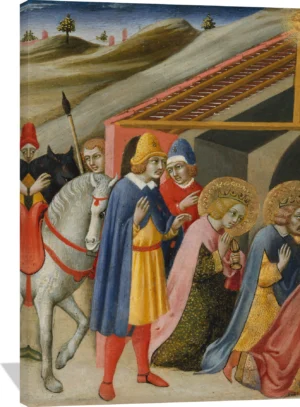
147,00 leiSelect options This product has multiple variants. The options may be chosen on the product pageThe Adoration of the Magi
Sano di Pietro (Ansano di Pietro di Mencio)Canvas from
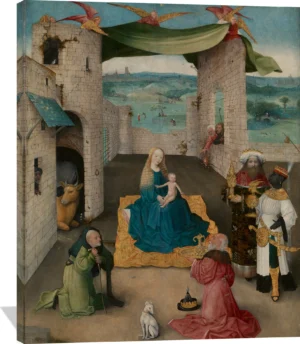
222,00 leiSelect options This product has multiple variants. The options may be chosen on the product pageThe Adoration of the Magi
Hieronymus BoschCanvas from
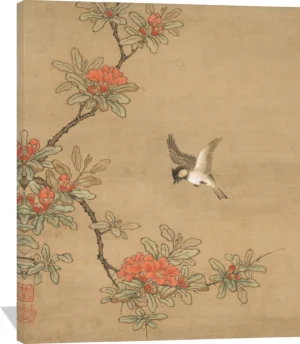
142,00 leiSelect options This product has multiple variants. The options may be chosen on the product pageTitmouse with Pomegranate Flowers
Kano Yukinobu 狩野之信Canvas from
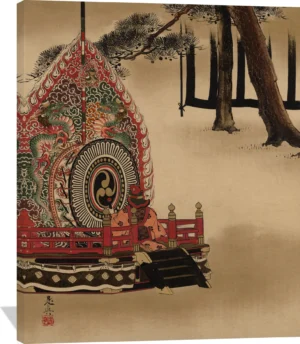
142,00 leiSelect options This product has multiple variants. The options may be chosen on the product pageLacquer Paintings of Various Subjects: Drum for Gagaku Dance
Shibata ZeshinCanvas from
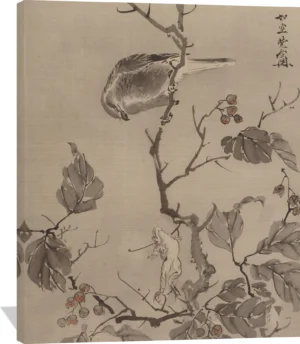
142,00 leiSelect options This product has multiple variants. The options may be chosen on the product pageBird and Frog
Kawanabe Kyōsai 河鍋暁斎Canvas from
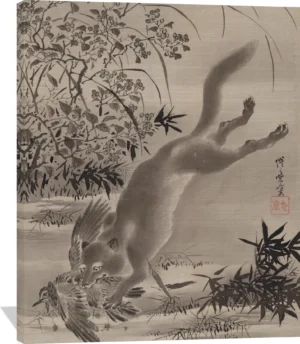
142,00 leiSelect options This product has multiple variants. The options may be chosen on the product pageFox Catching Bird
Kawanabe Kyōsai 河鍋暁斎Canvas from
142,00 leiSelect options This product has multiple variants. The options may be chosen on the product pageOwl Mocked by Small Birds
Kawanabe Kyōsai 河鍋暁斎Canvas from
142,00 leiSelect options This product has multiple variants. The options may be chosen on the product pageKintaro with Carp
Canvas from
142,00 leiSelect options This product has multiple variants. The options may be chosen on the product pageMagpie on Viburnum Branch
GengaCanvas from
142,00 leiSelect options This product has multiple variants. The options may be chosen on the product pageMaharana Amar Singh II with Ladies of the Zenana outside the Picture Hall at Rajnagar
Stipple MasterCanvas from
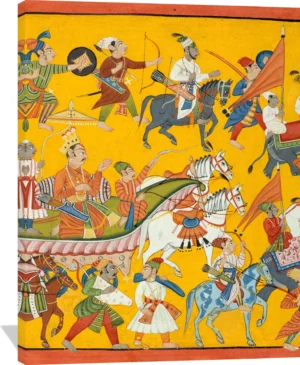
142,00 leiSelect options This product has multiple variants. The options may be chosen on the product pageKing Dasaratha and His Retinue Proceed to Rama’s Wedding: Folio from the Shangri Ramayana Series (Style II)
Canvas from
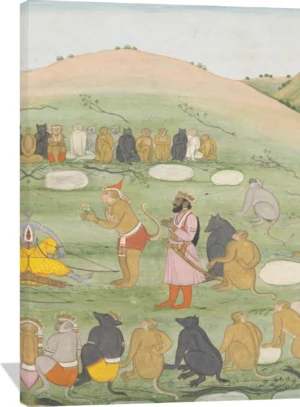
147,00 leiSelect options This product has multiple variants. The options may be chosen on the product pageHanuman Revives Rama and Lakshmana with Medicinal Herbs: Illustrated folio from a dispersed Ramayana series
NainsukhCanvas from
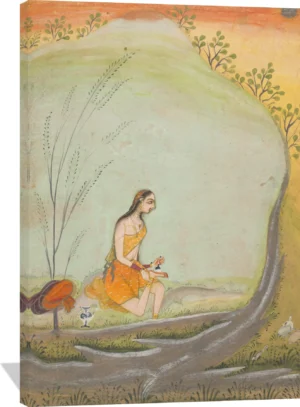
222,00 leiSelect options This product has multiple variants. The options may be chosen on the product pageA Lady Applying Henna to Her Foot
Ustad Mohamed, son of MuradCanvas from
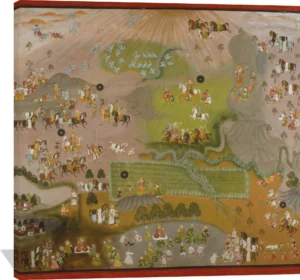
147,00 leiSelect options This product has multiple variants. The options may be chosen on the product pageMaharana Jagat Singh Hawks for Cranes
Shiva and DayalCanvas from
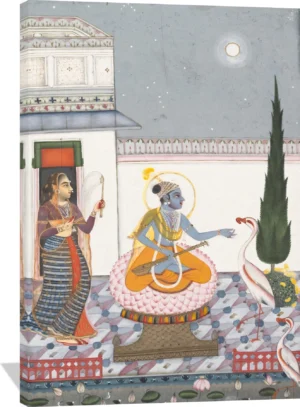
195,00 leiSelect options This product has multiple variants. The options may be chosen on the product pageChandravimba Ragaputra: Page from a Dispersed “Boston” Ragamala Series (Garland of Musical Modes)
Canvas from
222,00 leiSelect options This product has multiple variants. The options may be chosen on the product page
Explore Musical Instruments
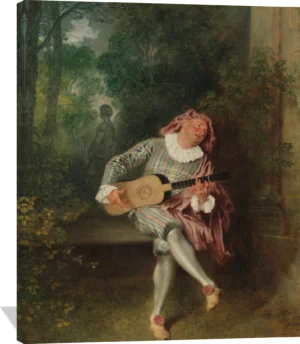
Mezzetin
Antoine WatteauCanvas from
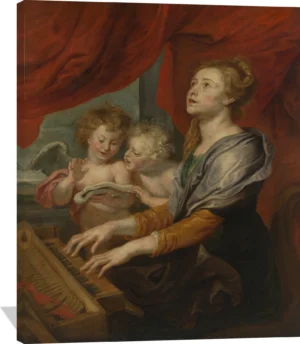
142,00 leiSelect options This product has multiple variants. The options may be chosen on the product pageSaint Cecilia
Abraham van DiepenbeeckCanvas from
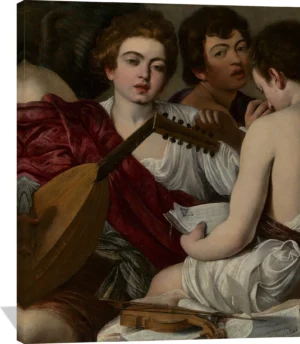
142,00 leiSelect options This product has multiple variants. The options may be chosen on the product pageThe Musicians
Caravaggio (Michelangelo Merisi)Canvas from
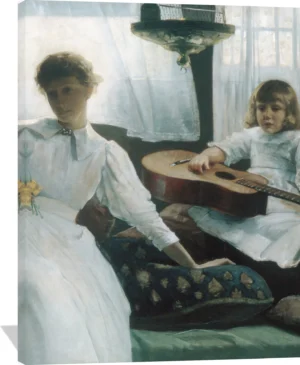
142,00 leiSelect options This product has multiple variants. The options may be chosen on the product pageIdle Hours
Julian Alden WeirCanvas from
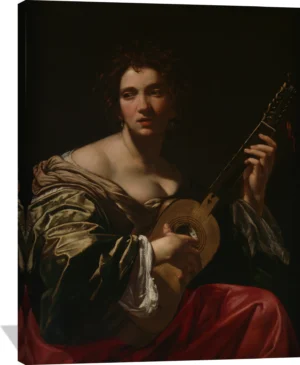
147,00 leiSelect options This product has multiple variants. The options may be chosen on the product pageWoman Playing a Guitar
Simon VouetCanvas from
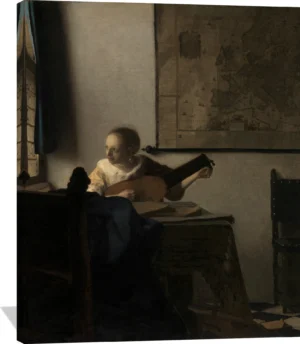
147,00 leiSelect options This product has multiple variants. The options may be chosen on the product pageYoung Woman with a Lute
Johannes VermeerCanvas from
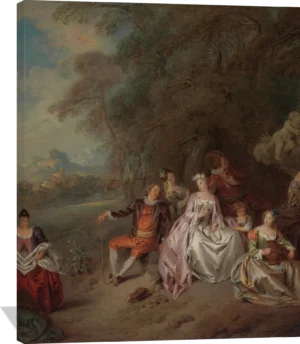
142,00 leiSelect options This product has multiple variants. The options may be chosen on the product pageConcert Champêtre
Jean-Baptiste Joseph PaterCanvas from
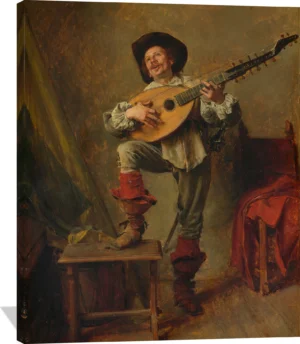
142,00 leiSelect options This product has multiple variants. The options may be chosen on the product pageSoldier Playing the Theorbo
Ernest MeissonierCanvas from
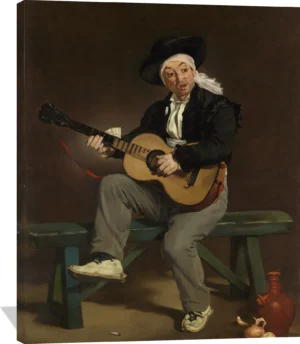
142,00 leiSelect options This product has multiple variants. The options may be chosen on the product pageThe Spanish Singer
Edouard ManetCanvas from
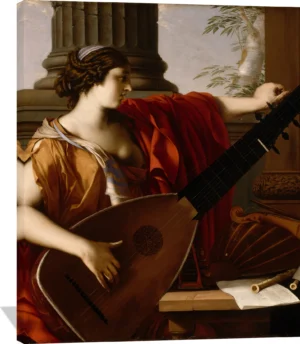
142,00 leiSelect options This product has multiple variants. The options may be chosen on the product pageAllegory of Music
Laurent de La HyreCanvas from
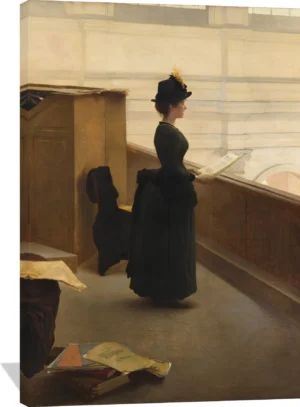
142,00 leiSelect options This product has multiple variants. The options may be chosen on the product pageThe Organ Rehearsal
Henry LerolleCanvas from
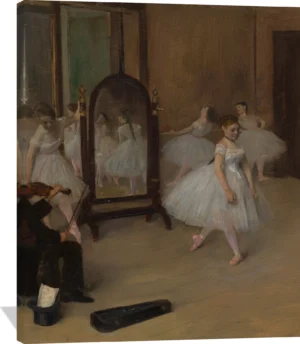
222,00 leiSelect options This product has multiple variants. The options may be chosen on the product pageThe Dancing Class
Edgar DegasCanvas from
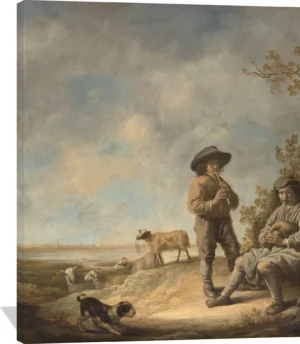
142,00 leiSelect options This product has multiple variants. The options may be chosen on the product pagePiping Shepherds
Aelbert CuypCanvas from
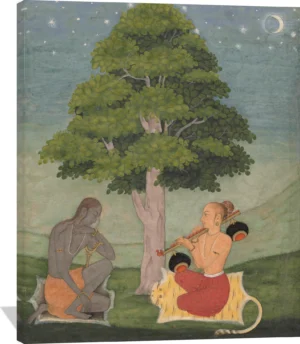
142,00 leiSelect options This product has multiple variants. The options may be chosen on the product pageKedar Ragini: Folio from a ragamala series (Garland of Musical Modes)
RuknuddinCanvas from
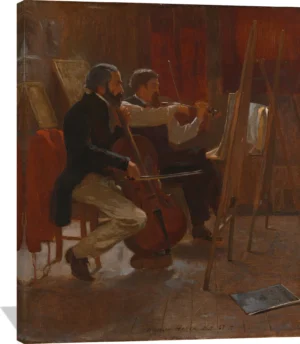
142,00 leiSelect options This product has multiple variants. The options may be chosen on the product pageThe Studio
Winslow HomerCanvas from
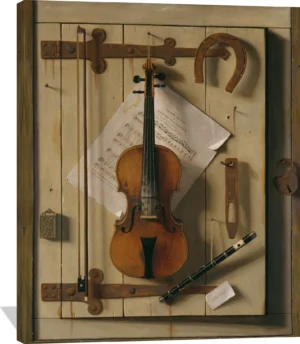
142,00 leiSelect options This product has multiple variants. The options may be chosen on the product pageStill Life—Violin and Music
William Michael HarnettCanvas from
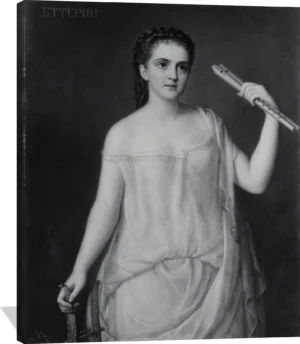
142,00 leiSelect options This product has multiple variants. The options may be chosen on the product pageEuterpe
Joseph FagnaniCanvas from
142,00 leiSelect options This product has multiple variants. The options may be chosen on the product pageThe Music Lesson
John George BrownCanvas from
142,00 leiSelect options This product has multiple variants. The options may be chosen on the product page