Artistic Style
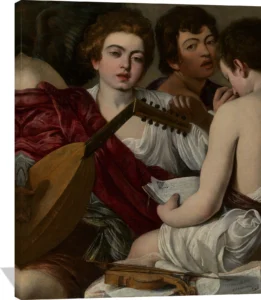
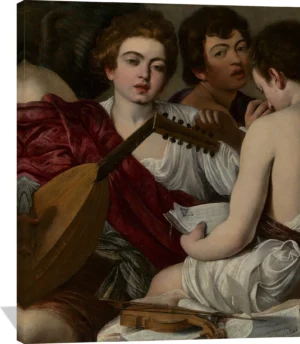
Caravaggio pioneered the powerful chiaroscuro technique now synonymous with his name, shaping figures through intense contrasts of illumination and shadow. His compositions are unmistakably direct, inviting viewers into scenes charged with tension, spirituality, and emotional depth. This signature approach gave rise to what would become known as the Caravaggisti movement, influencing artists across the continent.
Subjects and Themes
His work often portrays biblical narratives, mythological moments, and everyday figures elevated to striking prominence. Caravaggio’s saints, musicians, cardsharps, and martyrs possess a raw realism that challenged idealized Renaissance conventions. Paintings such as The Calling of Saint Matthew and Judith Beheading Holofernes demonstrate his gift for capturing decisive, transformative instants.
Cultural Significance
Bold, rebellious, and artistically daring, Caravaggio redefined the possibilities of painting. His fusion of dramatic light, psychological intensity, and unvarnished naturalism left a lasting imprint on Western art. Today, he is celebrated as a master whose work remains as compelling and revolutionary as it was in the early seventeenth century, a testament to his enduring vision and profound artistic impact.