Artistic Style and Approach
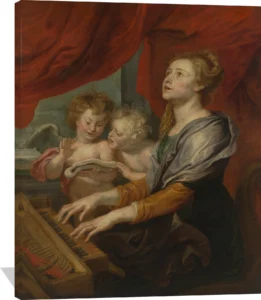
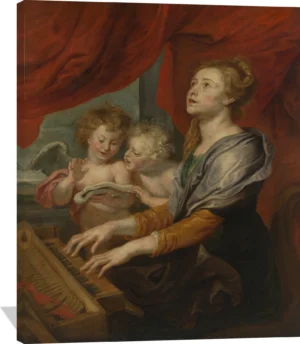
Van Diepenbeeck’s work reflects the elegance and expressive clarity characteristic of the Flemish Baroque. His style combines precise, graceful drawing with a measured use of color, resulting in images that feel both dynamic and harmoniously balanced. His command of line made him particularly sought after for designs, while his paintings reveal a thoughtful interplay of light and narrative detail. A hallmark of his work is its refined staging of figures, often arranged with theatrical poise yet infused with a natural sense of movement.
Subjects and Themes
Although versatile, van Diepenbeeck is especially recognized for his religious and mythological scenes, as well as his contributions to allegorical and historical imagery. His figures are often rendered with a sculptural presence, reflecting his deep knowledge of classical forms. In addition to his paintings, he produced influential designs for stained‑glass windows, a medium in which his clarity of line and narrative instinct proved particularly effective. His book illustrations further extended his reach, transforming literary subjects into vivid visual experiences.
Legacy and Significance
A respected member of Antwerp’s artistic community and a collaborator with leading painters of his time, van Diepenbeeck played a meaningful role in disseminating the ideals of the Baroque across different media. His work demonstrates the intellectual richness and technical versatility that defined Flemish art during the seventeenth century. Today, he is remembered for his exceptional draftsmanship and his ability to translate complex narratives into compelling, elegantly structured compositions.