Tahitian Landscape
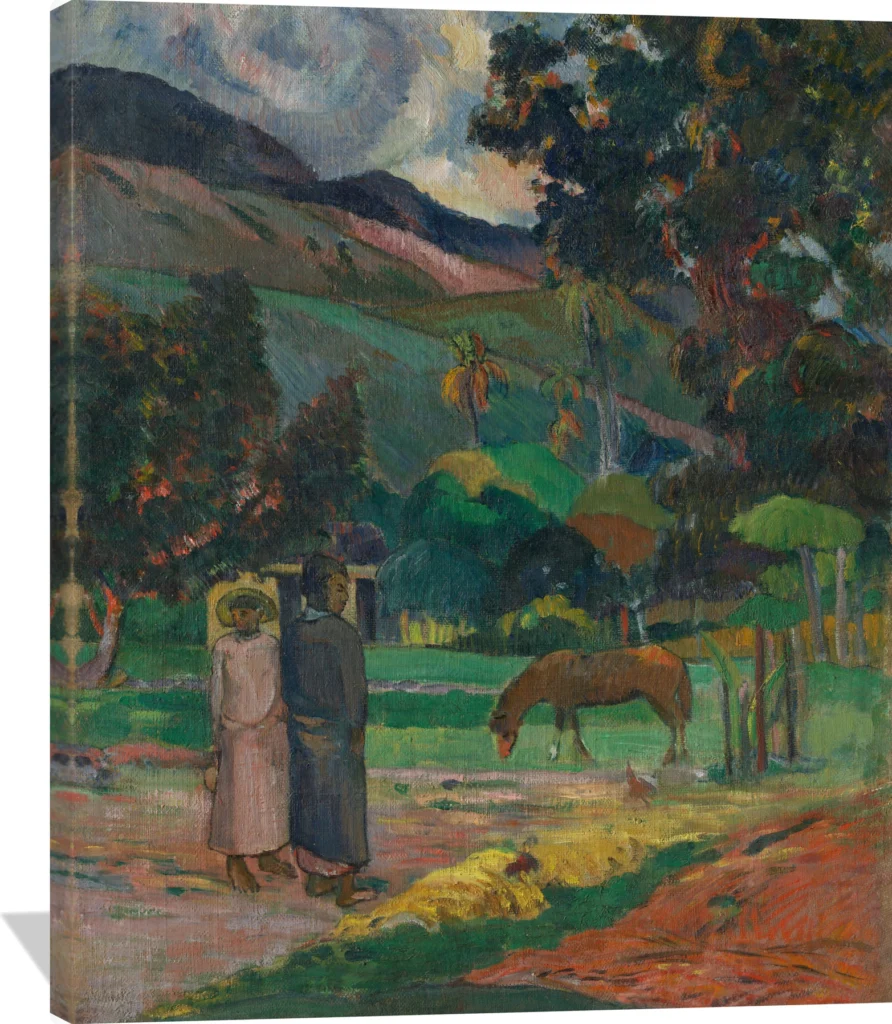
Paul Gauguin’s Tahitian Landscape canvas captures the tranquil beauty of island life through lush greens, earthy reds, and soft golden tones. Two serene figures and a grazing horse rest beneath dramatic tropical skies, evoking a sense of harmony between people and nature. The painter’s expressive brushwork and rich palette create a timeless scene that draws the viewer into Gauguin’s vision of paradise.
This premium Tahitian Landscape canvas print brings warmth and sophistication to any space. Ideal for a living room, study, or entryway, it adds a touch of exotic calm and artistic depth to modern interiors.
Paul Gauguin (French, Paris 1848–1903 Atuona, Hiva Oa, Marquesas Islands) was a pioneering Post‑Impressionist whose bold vision reshaped modern art. Renowned for his pursuit of emotional truth over naturalistic representation, he developed a highly personal style defined by expressive color, flattened forms, and striking compositional simplicity.
Artistic Style and Approach
Gauguin’s work embodies a deliberate break from conventional Western realism. Rejecting optical accuracy, he embraced symbolic color, rhythmic outlines, and distilled shapes to create images that conveyed inner meaning rather than surface appearance. This approach, often associated with Synthetism and Symbolism, became a foundation for many early modernist movements. His use of radiant, non-naturalistic hues and expansive areas of unmodulated color remains one of his most influential contributions.
Subjects and Themes
Drawn to places he believed offered a more elemental way of life, Gauguin spent significant periods in Brittany, Tahiti, and the Marquesas Islands. These journeys profoundly shaped his art. He depicted daily rituals, spiritual motifs, and local landscapes with a blend of observation and imagination, creating scenes that feel at once intimate and mythic. Works such as Where Do We Come From? What Are We? Where Are We Going? capture his enduring preoccupation with humanity’s existential questions.
Legacy and Cultural Significance
Gauguin’s pursuit of a new visual language made him a central figure in the transition from Impressionism to modern art. His emphasis on expressive color inspired artists from the Nabis to Fauvist painters like Matisse. His distinctive fusion of symbolism, emotional intensity, and innovative form has secured his place as a transformative force in modern painting. Today, Gauguin’s work remains celebrated for its vivid originality and its powerful exploration of belief, identity, and the human condition.
Trust & policies
- 🚚 Free worldwide shipping
- 🔁 30-day returns (change of mind)
- 🛡️ If damaged/defective/misprinted: free replacement or full refund
- 🌍 Printed in US/CA/EU/UK/AU (based on delivery location)
- 💎 Made to order using acid-free, fade-resistant canvas
- 💎 Solid wood stretcher bars • Pine floating frames
- 🪝 Ready to hang

Corn Husking
David Gilmour BlytheCanvas from
147,00 leiSelect options This product has multiple variants. The options may be chosen on the product pageAn Indian Encampment
Ralph Albert BlakelockCanvas from
195,00 leiSelect options This product has multiple variants. The options may be chosen on the product pageView from the Artist’s Window, Grove Street
Robert Frederick BlumCanvas from
142,00 leiSelect options This product has multiple variants. The options may be chosen on the product pageMrs. Benjamin Simons
Henry BenbridgeCanvas from
142,00 leiSelect options This product has multiple variants. The options may be chosen on the product pageMrs. Samuel Cutts
Joseph BlackburnCanvas from
142,00 leiSelect options This product has multiple variants. The options may be chosen on the product pageThe Ring
John White AlexanderCanvas from
142,00 leiSelect options This product has multiple variants. The options may be chosen on the product pagePortrait of a Gentleman
Henry BenbridgeCanvas from
142,00 leiSelect options This product has multiple variants. The options may be chosen on the product pageJames Badger
Joseph BadgerCanvas from
142,00 leiSelect options This product has multiple variants. The options may be chosen on the product pageAdult Funeral Procession
William P. ChappelCanvas from
222,00 leiSelect options This product has multiple variants. The options may be chosen on the product pageJanet Halleck Drake
Henry InmanCanvas from
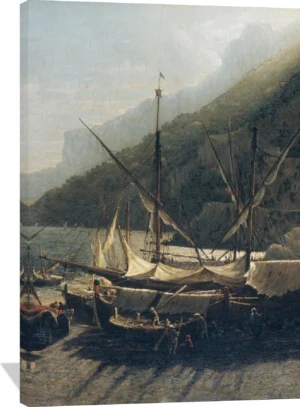
142,00 leiSelect options This product has multiple variants. The options may be chosen on the product pageView at Amalfi, Bay of Salerno
George Loring BrownCanvas from
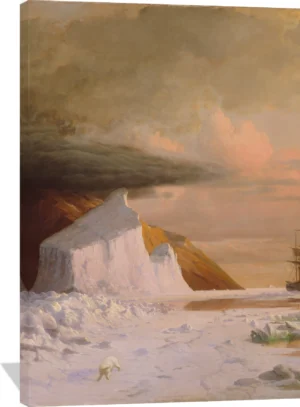
222,00 leiSelect options This product has multiple variants. The options may be chosen on the product pageAn Arctic Summer: Boring Through the Pack in Melville Bay
William BradfordCanvas from
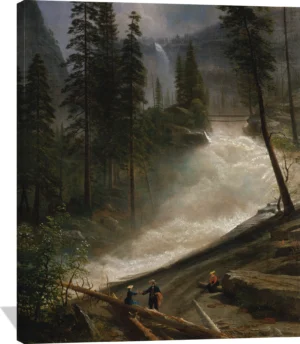
222,00 leiSelect options This product has multiple variants. The options may be chosen on the product pageNevada Falls, Yosemite
Albert BierstadtCanvas from
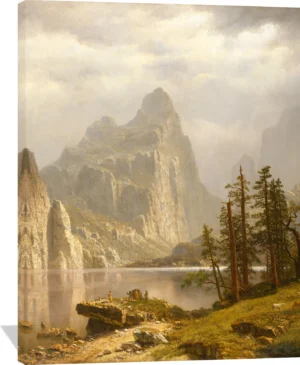
142,00 leiSelect options This product has multiple variants. The options may be chosen on the product pageMerced River, Yosemite Valley
Albert BierstadtCanvas from
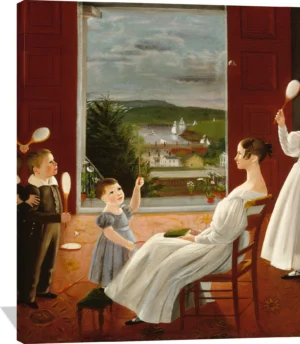
147,00 leiSelect options This product has multiple variants. The options may be chosen on the product pageThe Children of Nathan Starr
Ambrose AndrewsCanvas from
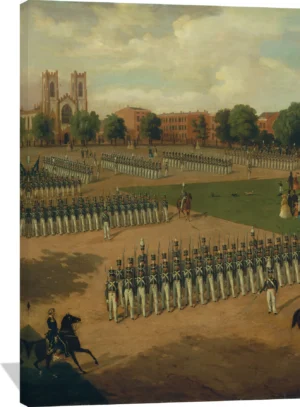
142,00 leiSelect options This product has multiple variants. The options may be chosen on the product pageSeventh Regiment on Review, Washington Square, New York
Otto BoetticherCanvas from
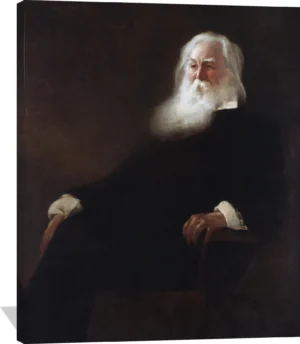
222,00 leiSelect options This product has multiple variants. The options may be chosen on the product pageWalt Whitman
John White AlexanderCanvas from
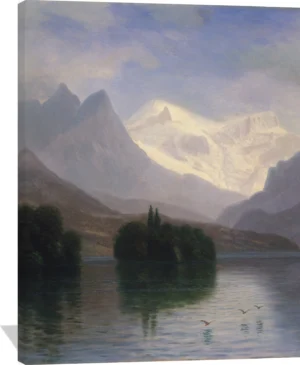
142,00 leiSelect options This product has multiple variants. The options may be chosen on the product pageMountain Scene
Albert BierstadtCanvas from
147,00 leiSelect options This product has multiple variants. The options may be chosen on the product pageShipwreck off Nantucket (Wreck off Nantucket after a Storm)
William BradfordCanvas from
222,00 leiSelect options This product has multiple variants. The options may be chosen on the product pageRepose
John White AlexanderCanvas from
142,00 leiSelect options This product has multiple variants. The options may be chosen on the product pageAfter a Long Cruise
John CarlinCanvas from
222,00 leiSelect options This product has multiple variants. The options may be chosen on the product pageThe Music Lesson
John George BrownCanvas from
142,00 leiSelect options This product has multiple variants. The options may be chosen on the product page
Explore Paul Gauguin
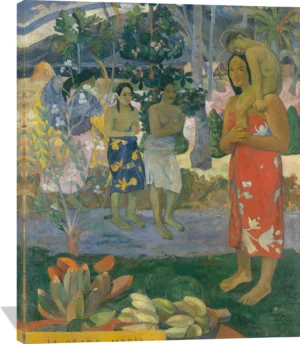
Ia Orana Maria (Hail Mary)
Paul GauguinCanvas from
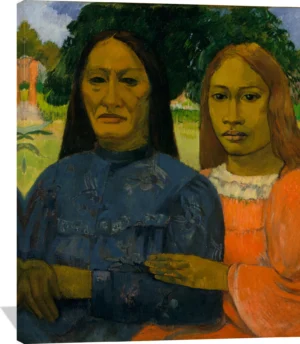
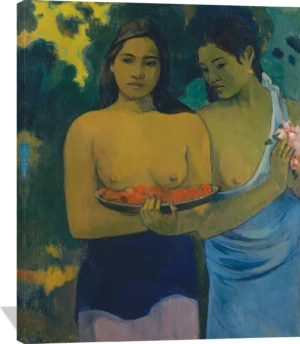
142,00 leiSelect options This product has multiple variants. The options may be chosen on the product pageTwo Women
Paul GauguinCanvas from
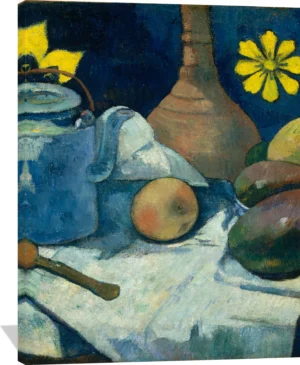
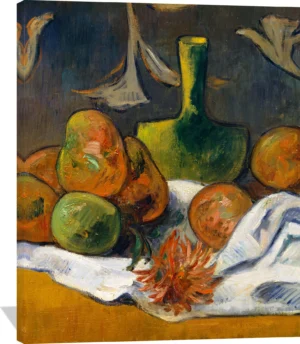
142,00 leiSelect options This product has multiple variants. The options may be chosen on the product pageStill Life with Teapot and Fruit
Paul GauguinCanvas from
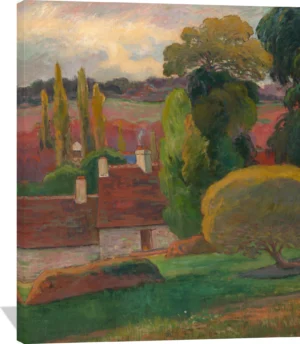
147,00 leiSelect options This product has multiple variants. The options may be chosen on the product pageA Farm in Brittany
Paul GauguinCanvas from
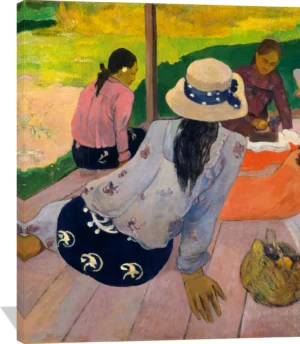
142,00 leiSelect options This product has multiple variants. The options may be chosen on the product pageThe Siesta
Paul GauguinCanvas from
142,00 leiSelect options This product has multiple variants. The options may be chosen on the product pageTwo Tahitian Women
Paul GauguinCanvas from
142,00 leiSelect options This product has multiple variants. The options may be chosen on the product pageStill Life
Paul GauguinCanvas from
142,00 leiSelect options This product has multiple variants. The options may be chosen on the product page
Explore Landscapes
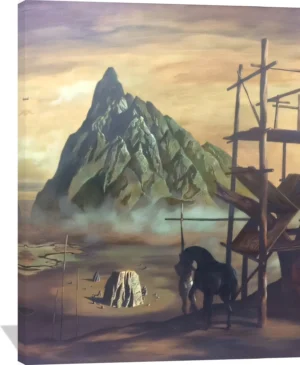
The Black Horse
John AthertonCanvas from
147,00 leiSelect options This product has multiple variants. The options may be chosen on the product pageWaterfront Mill
Niles SpencerCanvas from
142,00 leiSelect options This product has multiple variants. The options may be chosen on the product pageDocks on Sunday
Joseph De MartiniCanvas from
142,00 leiSelect options This product has multiple variants. The options may be chosen on the product pageThe North Cape by Moonlight
Peder BalkeCanvas from
142,00 leiSelect options This product has multiple variants. The options may be chosen on the product pageChrysanthemums in the Garden at Petit-Gennevilliers
Gustave CaillebotteCanvas from
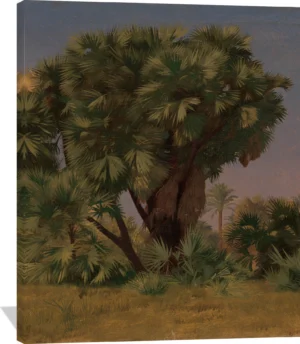
222,00 leiSelect options This product has multiple variants. The options may be chosen on the product pageStudy of Palm Trees
Jean-Léon GérômeCanvas from
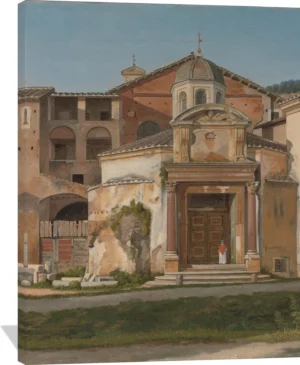
142,00 leiSelect options This product has multiple variants. The options may be chosen on the product pageA Section of the Via Sacra, Rome (The Church of Saints Cosmas and Damian)
Christoffer Wilhelm EckersbergCanvas from
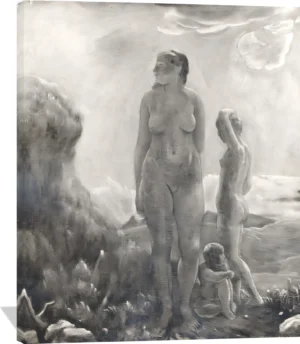
147,00 leiSelect options This product has multiple variants. The options may be chosen on the product pageLandscape with Figures
Kenneth Hayes MillerCanvas from
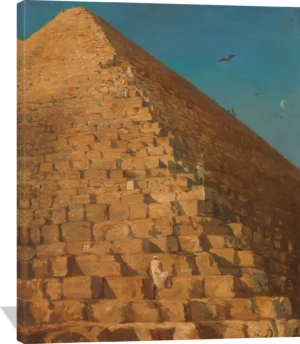
142,00 leiSelect options This product has multiple variants. The options may be chosen on the product pageThe Great Pyramid, Giza
Adrien DauzatsCanvas from
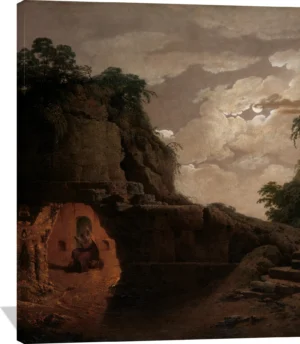
142,00 leiSelect options This product has multiple variants. The options may be chosen on the product pageVirgil’s Tomb by Moonlight, with Silius Italicus Declaiming
Joseph Wright (Wright of Derby)Canvas from
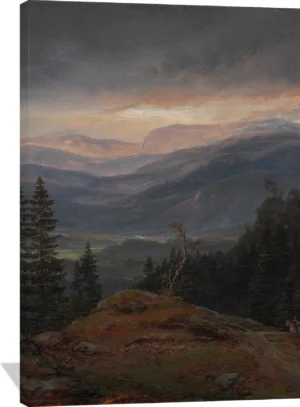
142,00 leiSelect options This product has multiple variants. The options may be chosen on the product pageView over Hallingdal
Johan Christian DahlCanvas from
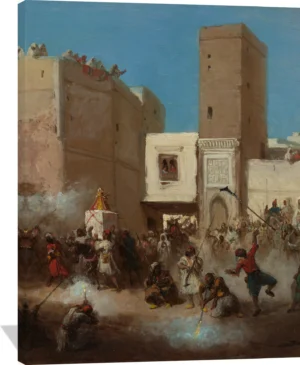
222,00 leiSelect options This product has multiple variants. The options may be chosen on the product pageWedding Procession
Victor EeckhoutCanvas from
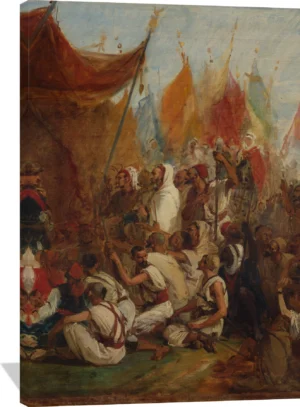
147,00 leiSelect options This product has multiple variants. The options may be chosen on the product pageSketch for “Reception of Emperor Napoleon III and Empress Eugénie by the Kabyle Leaders at Algiers on September 18, 1860”
Isidore PilsCanvas from
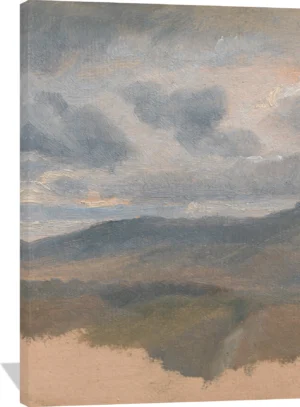
222,00 leiSelect options This product has multiple variants. The options may be chosen on the product pageLandscape Study with Clouds
Emile LoubonCanvas from
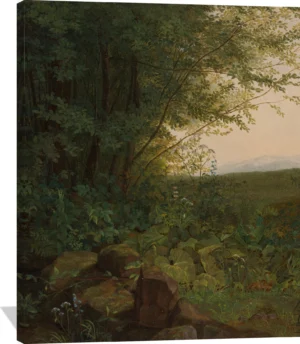
222,00 leiSelect options This product has multiple variants. The options may be chosen on the product pageAt the Edge of the Forest
August HeinrichCanvas from
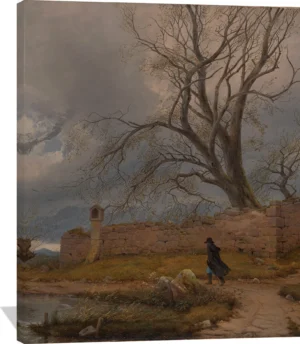
142,00 leiSelect options This product has multiple variants. The options may be chosen on the product pageWanderer in the Storm
Julius von LeypoldCanvas from
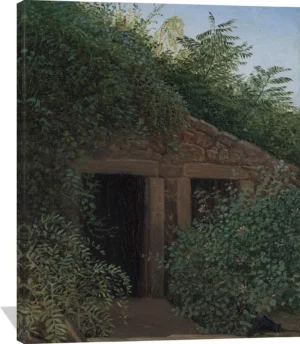
142,00 leiSelect options This product has multiple variants. The options may be chosen on the product pageAn Overgrown Mineshaft
Carl Gustav CarusCanvas from
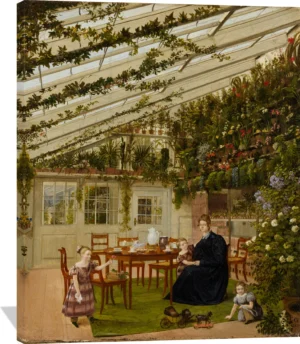
142,00 leiSelect options This product has multiple variants. The options may be chosen on the product pageThe Family of Mr. Westphal in the Conservatory
Eduard GaertnerCanvas from
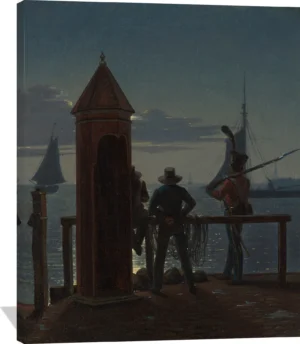
142,00 leiSelect options This product has multiple variants. The options may be chosen on the product pageView from the Citadel Ramparts in Copenhagen by Moonlight
Martinus RørbyeCanvas from
142,00 leiSelect options This product has multiple variants. The options may be chosen on the product pageThe Cemetery at Pronoia near Nauplia
Carl RottmannCanvas from
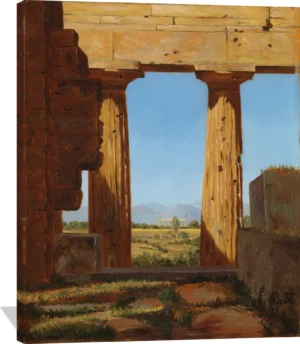
142,00 leiSelect options This product has multiple variants. The options may be chosen on the product pageColumns of the Temple of Neptune at Paestum
Constantin HansenCanvas from
142,00 leiSelect options This product has multiple variants. The options may be chosen on the product page
Explore Vibrant
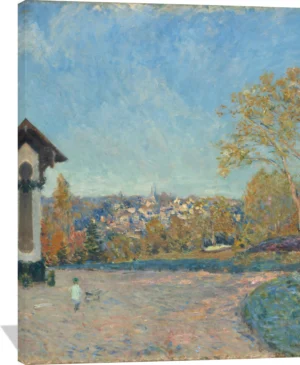
View of Marly-le-Roi from Coeur-Volant
Alfred SisleyCanvas from
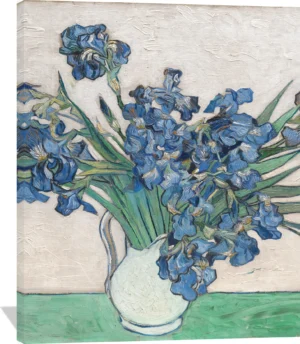
147,00 leiSelect options This product has multiple variants. The options may be chosen on the product pageIrises
Vincent van GoghCanvas from
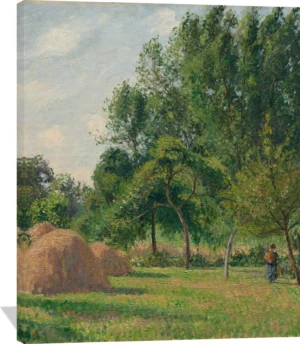
142,00 leiSelect options This product has multiple variants. The options may be chosen on the product pageHaystacks, Morning, Eragny
Camille PissarroCanvas from
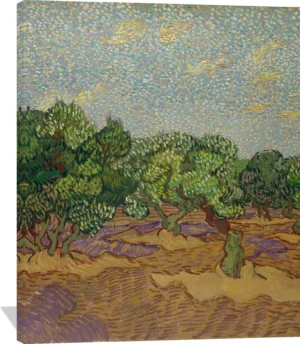
142,00 leiSelect options This product has multiple variants. The options may be chosen on the product pageOlive Trees
Vincent van GoghCanvas from
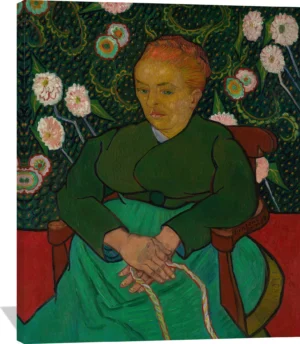
142,00 leiSelect options This product has multiple variants. The options may be chosen on the product pageLa Berceuse (Woman Rocking a Cradle; Augustine-Alix Pellicot Roulin, 1851–1930)
Vincent van GoghCanvas from
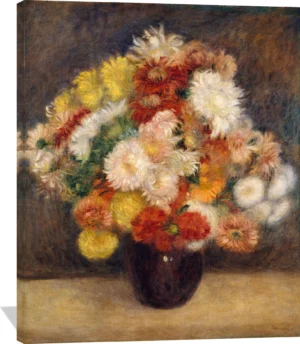
142,00 leiSelect options This product has multiple variants. The options may be chosen on the product pageBouquet of Chrysanthemums
Auguste RenoirCanvas from
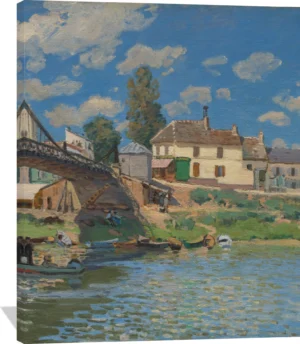
142,00 leiSelect options This product has multiple variants. The options may be chosen on the product pageThe Bridge at Villeneuve-la-Garenne
Alfred SisleyCanvas from
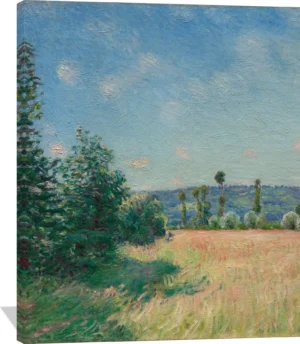
142,00 leiSelect options This product has multiple variants. The options may be chosen on the product pageSahurs Meadows in Morning Sun
Alfred SisleyCanvas from
142,00 leiSelect options This product has multiple variants. The options may be chosen on the product pageThe Road from Moret to Saint-Mammès
Alfred SisleyCanvas from
142,00 leiSelect options This product has multiple variants. The options may be chosen on the product pageThe Bay of Naples
Auguste RenoirCanvas from
142,00 leiSelect options This product has multiple variants. The options may be chosen on the product pageA Road in Louveciennes
Auguste RenoirCanvas from
142,00 leiSelect options This product has multiple variants. The options may be chosen on the product pageHills around the Bay of Moulin Huet, Guernsey
Auguste RenoirCanvas from
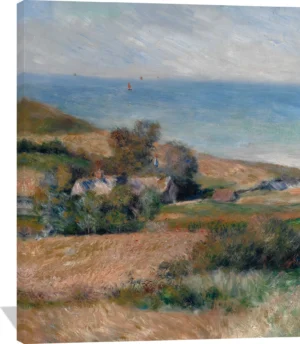
147,00 leiSelect options This product has multiple variants. The options may be chosen on the product pageView of the Seacoast near Wargemont in Normandy
Auguste RenoirCanvas from
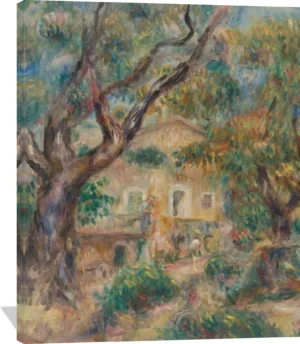
142,00 leiSelect options This product has multiple variants. The options may be chosen on the product pageThe Farm at Les Collettes, Cagnes
Auguste RenoirCanvas from
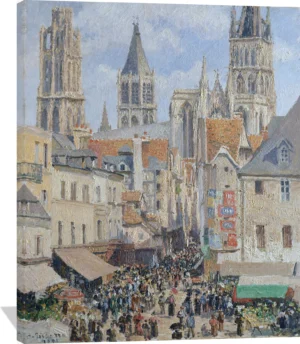
142,00 leiSelect options This product has multiple variants. The options may be chosen on the product pageRue de l’Epicerie, Rouen (Effect of Sunlight)
Camille PissarroCanvas from
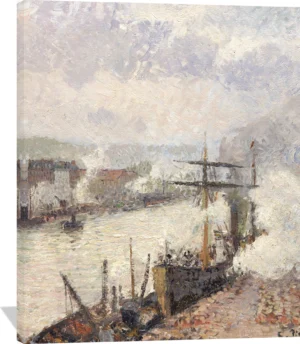
142,00 leiSelect options This product has multiple variants. The options may be chosen on the product pageSteamboats in the Port of Rouen
Camille PissarroCanvas from
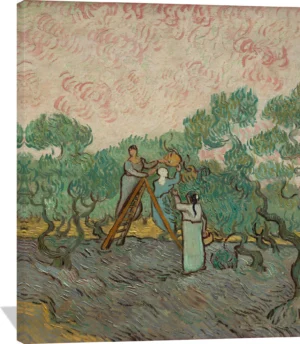
142,00 leiSelect options This product has multiple variants. The options may be chosen on the product pageWomen Picking Olives
Vincent van GoghCanvas from
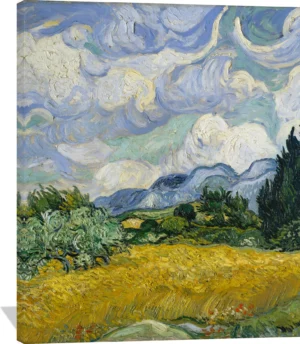
142,00 leiSelect options This product has multiple variants. The options may be chosen on the product pageWheat Field with Cypresses
Vincent van GoghCanvas from
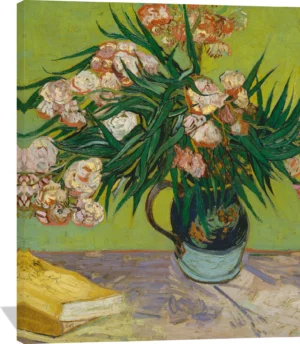
142,00 leiSelect options This product has multiple variants. The options may be chosen on the product pageOleanders
Vincent van GoghCanvas from
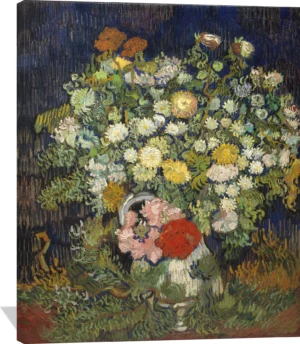
142,00 leiSelect options This product has multiple variants. The options may be chosen on the product pageBouquet of Flowers in a Vase
Vincent van GoghCanvas from
142,00 leiSelect options This product has multiple variants. The options may be chosen on the product pageThe Constitution and the Guerriere
Thomas ChambersCanvas from
147,00 leiSelect options This product has multiple variants. The options may be chosen on the product page
Explore Mammals
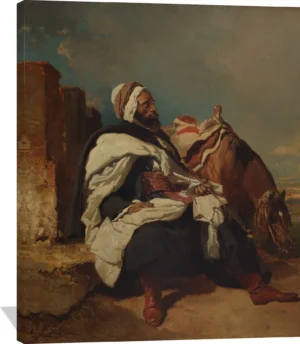
Seated Arab Man with Horse
Alfred DedreuxCanvas from
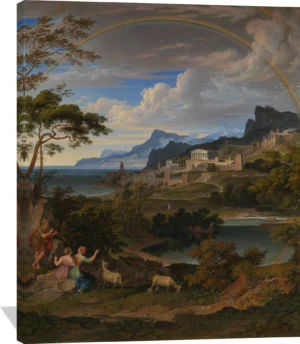
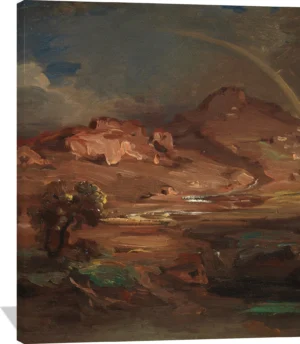
142,00 leiSelect options This product has multiple variants. The options may be chosen on the product pageHeroic Landscape with Rainbow
Joseph Anton KochCanvas from
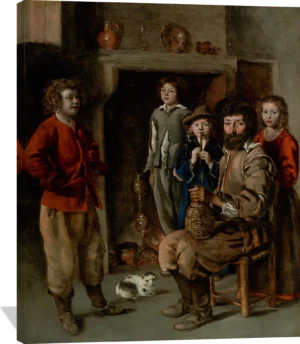
142,00 leiSelect options This product has multiple variants. The options may be chosen on the product pageA Peasant Family
Antoine Le NainCanvas from
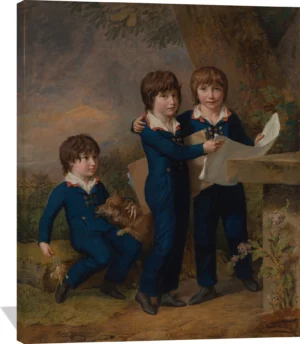
142,00 leiSelect options This product has multiple variants. The options may be chosen on the product pageThe Children of Martin Anton Heckscher: Johann Gustav Wilhelm Moritz (1797–1865), Carl Martin Adolph (1796–1850), and Leopold (born 1792)
Johann Heinrich Wilhelm TischbeinCanvas from
142,00 leiSelect options This product has multiple variants. The options may be chosen on the product pageMadonna and Child with the Infant Saint John the Baptist
Santi di TitoCanvas from
142,00 leiSelect options This product has multiple variants. The options may be chosen on the product pageLandscape with Travelers on a Woodland Path
Jan Brueghel the ElderCanvas from
222,00 leiSelect options This product has multiple variants. The options may be chosen on the product pageA Man and a Woman on Horseback
Philips WouwermanCanvas from
142,00 leiSelect options This product has multiple variants. The options may be chosen on the product pageLandscape with Peasants at a Fountain
Francesco ZuccarelliCanvas from
222,00 leiSelect options This product has multiple variants. The options may be chosen on the product pageMrs. Walter Rathbone Bacon (Virginia Purdy Barker, 1862–1919)
Anders ZornCanvas from
222,00 leiSelect options This product has multiple variants. The options may be chosen on the product pageThe Highland Family
Sir David WilkieCanvas from
222,00 leiSelect options This product has multiple variants. The options may be chosen on the product pageMars and Venus United by Love
Paolo Veronese (Paolo Caliari)Canvas from
142,00 leiSelect options This product has multiple variants. The options may be chosen on the product pageHalt of the Hunt
Carle (Charles André) VanlooCanvas from
142,00 leiSelect options This product has multiple variants. The options may be chosen on the product pageThe Start of the Race of the Riderless Horses
Horace VernetCanvas from
142,00 leiSelect options This product has multiple variants. The options may be chosen on the product pageAbraham’s Parting from the Family of Lot
Jan VictorsCanvas from
142,00 leiSelect options This product has multiple variants. The options may be chosen on the product pageGoing to Market
Constant TroyonCanvas from
142,00 leiSelect options This product has multiple variants. The options may be chosen on the product pageSaint Margaret of Cortona
Gaspare TraversiCanvas from
147,00 leiSelect options This product has multiple variants. The options may be chosen on the product pageThe Flight into Egypt
Cosmè Tura (Cosimo di Domenico di Bonaventura)Canvas from
195,00 leiSelect options This product has multiple variants. The options may be chosen on the product pageThe Billiard Room
Nicolas Antoine TaunayCanvas from
142,00 leiSelect options This product has multiple variants. The options may be chosen on the product pageLandscape with Cattle
Jacob van StrijCanvas from
142,00 leiSelect options This product has multiple variants. The options may be chosen on the product pageThe Third Duke of Dorset’s Hunter with a Groom and a Dog
George StubbsCanvas from
142,00 leiSelect options This product has multiple variants. The options may be chosen on the product pageTobias Curing His Father’s Blindness
Bernardo StrozziCanvas from
222,00 leiSelect options This product has multiple variants. The options may be chosen on the product page