Study of a Boy in a Blue Jacket
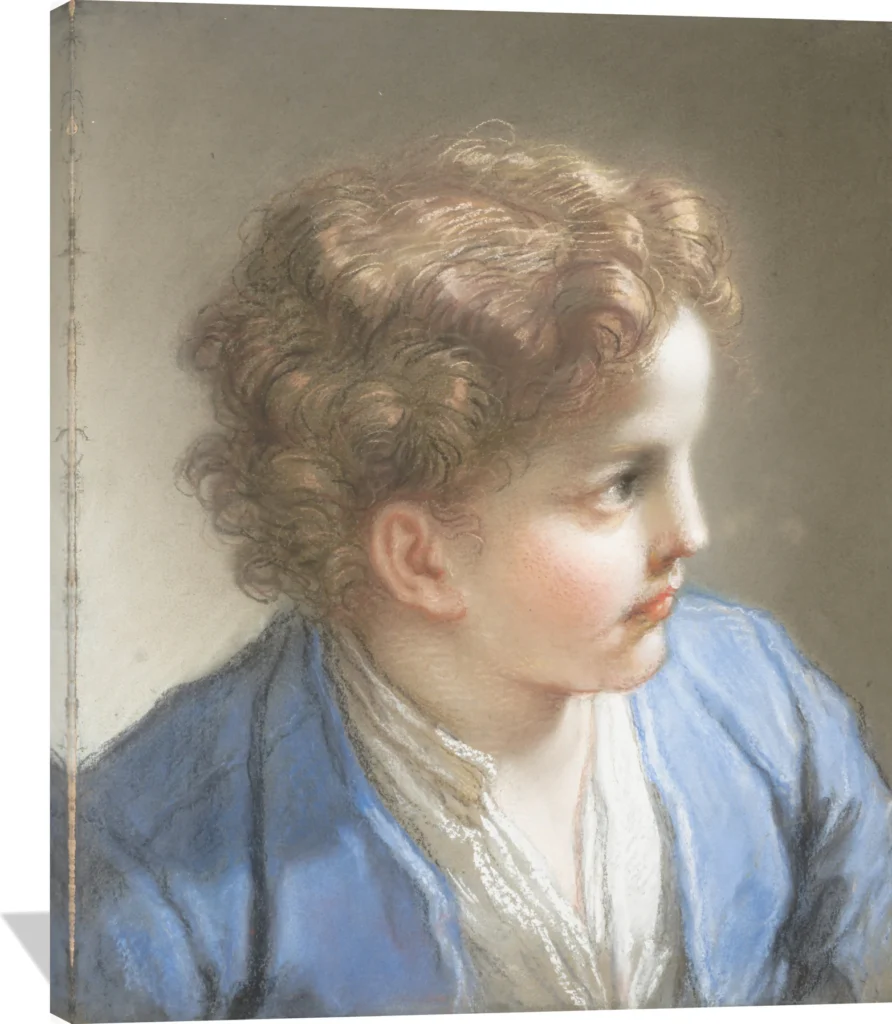
The Benedetto Luti Study of a Boy in a Blue Jacket canvas captures the tender innocence of youth through masterful pastel tones and soft light. The boy’s golden curls, luminous skin, and vivid blue jacket are rendered with exquisite sensitivity, creating a serene and timeless portrait that draws the viewer in.
This elegant wall art brings a refined touch to any interior—perfect for a living room, study, or entryway. The subtle palette of sky blue, warm beige, ivory, and rose tones enhances both classic and contemporary spaces. A canvas print that embodies the grace and artistry of early 18th-century Florence, it offers quiet sophistication and enduring beauty.
Benedetto Luti (1666–1724) was an Italian painter and draftsman whose career bridged the refined traditions of Florentine training with the vibrant artistic culture of Rome. Celebrated for his mastery of chalks and pastels as well as oil painting, he developed a distinctive style marked by luminous color, elegant compositions, and a deeply expressive approach to the human figure.
Artistic Style and Technique
Luti became known for his delicate modeling of light and his ability to convey psychological depth through subtle facial expressions. His pastel portraits, in particular, were admired for their radiance and precision, elevating the medium to new artistic prestige. Whether working in pastel or oil, he favored graceful contours, soft transitions of tone, and a polished refinement characteristic of the late Baroque.
Typical Subjects and Themes
Although he produced portraits, Luti was especially valued for his religious and mythological scenes. His figures often embody an idealized beauty and gentle emotional intensity, bringing a sense of humanity to sacred narratives. Works such as his interpretations of The Annunciation and Madonna and Child reveal his sensitivity to devotional themes and his ability to infuse familiar subjects with fresh vitality.
Legacy and Significance
After relocating to Rome, Luti became a central figure in the city’s artistic circles. He served as an influential teacher and contributed to the evolving tastes of the Roman art world. His sophisticated use of pastel and his refined, expressive handling of form secured his reputation as one of the medium’s early champions. Today, he is remembered for his elegant draftsmanship and his role in shaping the transition between Florentine classicism and the more emotive Roman Baroque.
Trust & policies
- 🚚 Free worldwide shipping
- 🔁 30-day returns (change of mind)
- 🛡️ If damaged/defective/misprinted: free replacement or full refund
- 🌍 Printed in US/CA/EU/UK/AU (based on delivery location)
- 💎 Made to order using acid-free, fade-resistant canvas
- 💎 Solid wood stretcher bars • Pine floating frames
- 🪝 Ready to hang

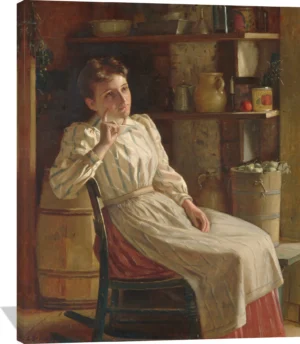
After a Long Cruise
John CarlinCanvas from
50,00 $Select options This product has multiple variants. The options may be chosen on the product pageEleanor Hardy Bunker
Dennis Miller BunkerCanvas from
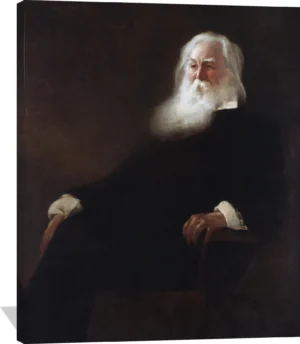
32,00 $Select options This product has multiple variants. The options may be chosen on the product pageWalt Whitman
John White AlexanderCanvas from
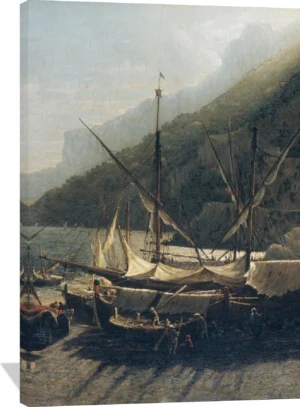
32,00 $Select options This product has multiple variants. The options may be chosen on the product pageView at Amalfi, Bay of Salerno
George Loring BrownCanvas from
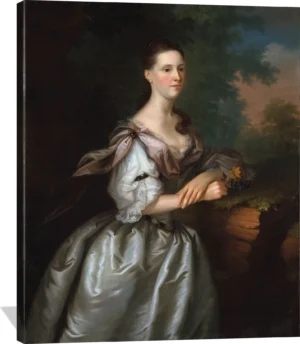
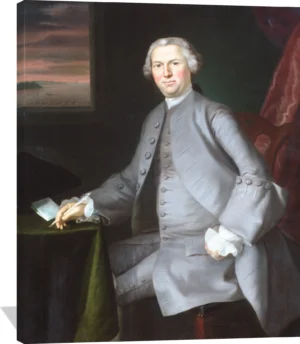
50,00 $Select options This product has multiple variants. The options may be chosen on the product pageMrs. Samuel Cutts
Joseph BlackburnCanvas from
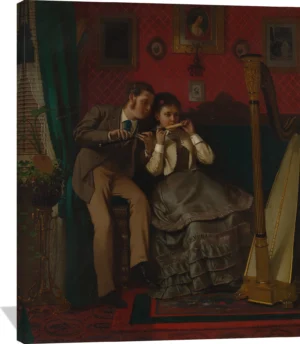
32,00 $Select options This product has multiple variants. The options may be chosen on the product pageThe Music Lesson
John George BrownCanvas from
32,00 $Select options This product has multiple variants. The options may be chosen on the product pageSamuel Cutts
Joseph BlackburnCanvas from
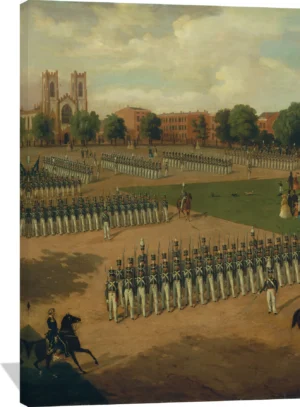
32,00 $Select options This product has multiple variants. The options may be chosen on the product pageSeventh Regiment on Review, Washington Square, New York
Otto BoetticherCanvas from
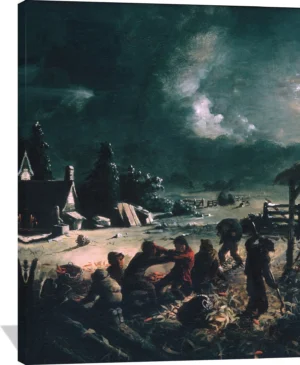
50,00 $Select options This product has multiple variants. The options may be chosen on the product pageCorn Husking
David Gilmour BlytheCanvas from
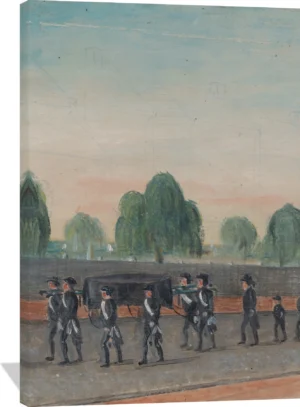
33,00 $Select options This product has multiple variants. The options may be chosen on the product pageAdult Funeral Procession
William P. ChappelCanvas from
50,00 $Select options This product has multiple variants. The options may be chosen on the product pageLeete Farm, West Claremont, New Hampshire
Francis AlexanderCanvas from
50,00 $Select options This product has multiple variants. The options may be chosen on the product pageMountain Scene
Albert BierstadtCanvas from
33,00 $Select options This product has multiple variants. The options may be chosen on the product pageEmma Homan
John BradleyCanvas from
32,00 $Select options This product has multiple variants. The options may be chosen on the product pageA Waterfall, Moonlight
Ralph Albert BlakelockCanvas from
50,00 $Select options This product has multiple variants. The options may be chosen on the product pageMeditation
John George BrownCanvas from
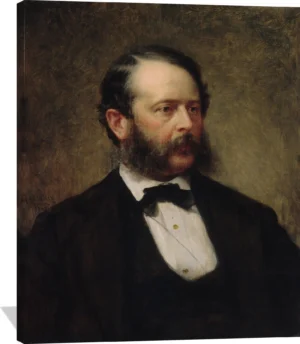
32,00 $Select options This product has multiple variants. The options may be chosen on the product pageJohn F. Kensett
George Augustus Baker Jr.Canvas from
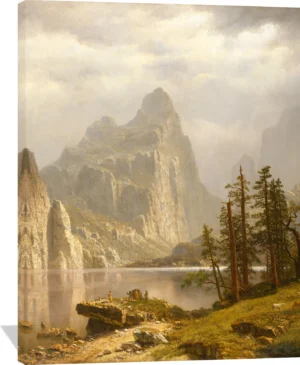
32,00 $Select options This product has multiple variants. The options may be chosen on the product pageMerced River, Yosemite Valley
Albert BierstadtCanvas from
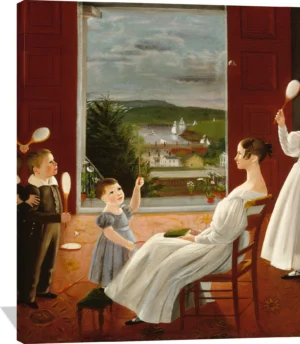
33,00 $Select options This product has multiple variants. The options may be chosen on the product pageThe Children of Nathan Starr
Ambrose AndrewsCanvas from
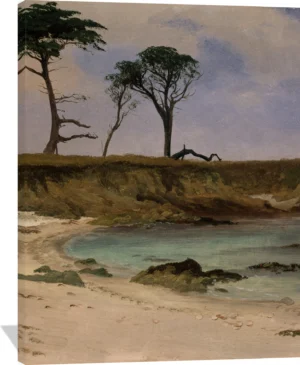
32,00 $Select options This product has multiple variants. The options may be chosen on the product pageSea Cove
Albert BierstadtCanvas from
33,00 $Select options This product has multiple variants. The options may be chosen on the product pageBaked Pears in Duane Park
William P. ChappelCanvas from
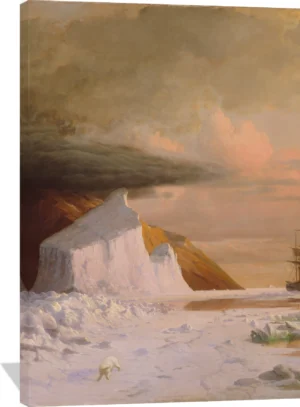
50,00 $Select options This product has multiple variants. The options may be chosen on the product pageAn Arctic Summer: Boring Through the Pack in Melville Bay
William BradfordCanvas from
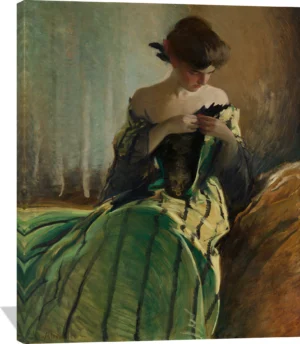
50,00 $Select options This product has multiple variants. The options may be chosen on the product pageStudy in Green and Black
John White AlexanderCanvas from
32,00 $Select options This product has multiple variants. The options may be chosen on the product page
Explore Portraits
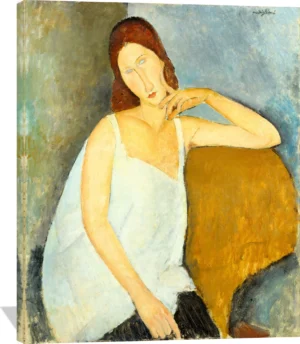
Jeanne Hébuterne
Amedeo ModiglianiCanvas from
32,00 $Select options This product has multiple variants. The options may be chosen on the product pageGirl in a Sailor’s Blouse
Amedeo ModiglianiCanvas from
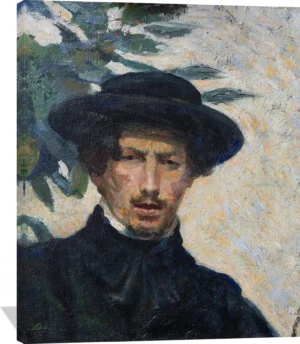
33,00 $Select options This product has multiple variants. The options may be chosen on the product pageSelf-Portrait
Umberto BoccioniCanvas from
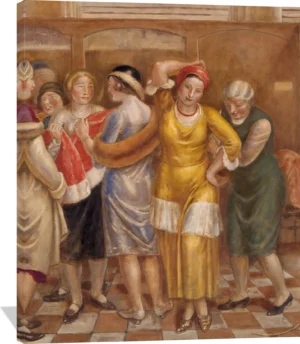
32,00 $Select options This product has multiple variants. The options may be chosen on the product pageThe Fitting Room
Kenneth Hayes MillerCanvas from
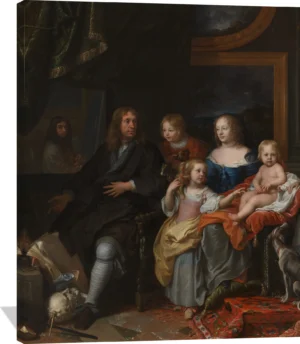
32,00 $Select options This product has multiple variants. The options may be chosen on the product pageThe Jabach Family
Charles Le BrunCanvas from
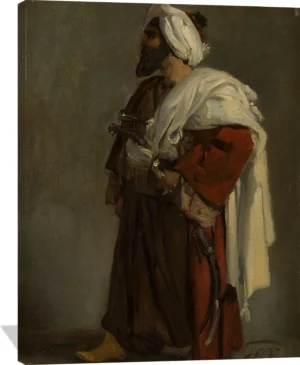
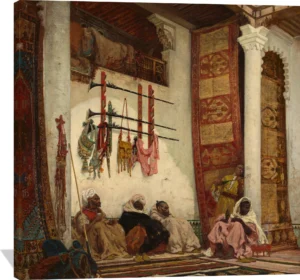
32,00 $Select options This product has multiple variants. The options may be chosen on the product pageArab Warrior
Horace VernetCanvas from
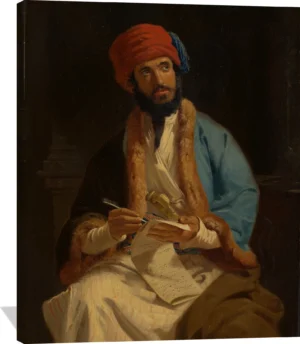
33,00 $Select options This product has multiple variants. The options may be chosen on the product pageThe Arab Sage
German PainterCanvas from
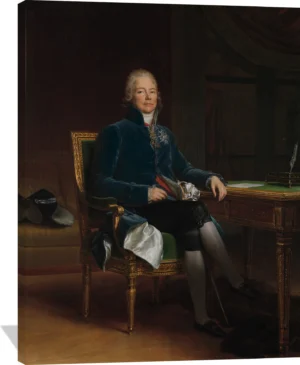
32,00 $Select options This product has multiple variants. The options may be chosen on the product pageCharles Maurice de Talleyrand Périgord (1754–1838), Prince de Bénévent
baron François GérardCanvas from
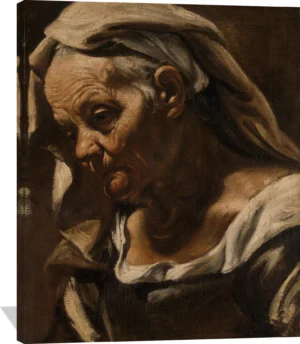
33,00 $Select options This product has multiple variants. The options may be chosen on the product pageHead of an Old Woman
Orazio BorgianniCanvas from
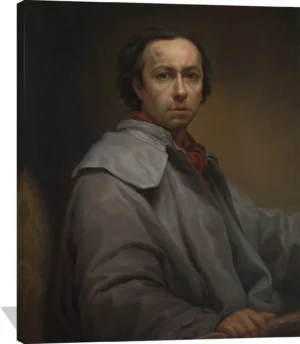
32,00 $Select options This product has multiple variants. The options may be chosen on the product pageSelf-Portrait
Anton Raphael MengsCanvas from
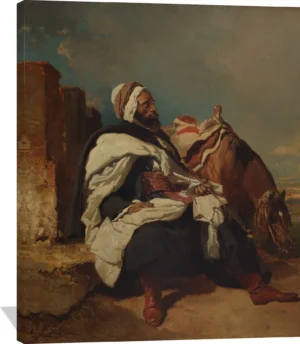
32,00 $Select options This product has multiple variants. The options may be chosen on the product pageSeated Arab Man with Horse
Alfred DedreuxCanvas from
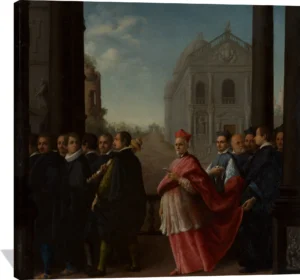
32,00 $Select options This product has multiple variants. The options may be chosen on the product pageA Cardinal’s Procession
Ottavio Leoni (Il Padovano)Canvas from
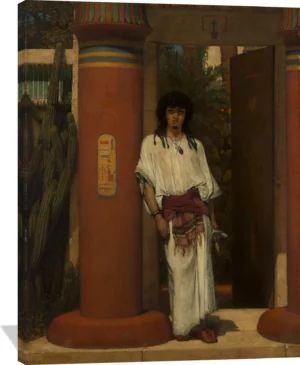
44,00 $Select options This product has multiple variants. The options may be chosen on the product pageAn Egyptian in a Doorway
Sir Lawrence Alma-TademaCanvas from
33,00 $Select options This product has multiple variants. The options may be chosen on the product pageWestern Gentleman in Oriental Costume
British PainterCanvas from
32,00 $Select options This product has multiple variants. The options may be chosen on the product pageA Female Martyr Saint
Carlo Francesco NuvoloneCanvas from
32,00 $Select options This product has multiple variants. The options may be chosen on the product pageGirl in a Courtyard, Algiers (formerly Courtyard in Tangier)
Philippe PavyCanvas from
50,00 $Select options This product has multiple variants. The options may be chosen on the product pageLute Player
Valentin de BoulogneCanvas from
32,00 $Select options This product has multiple variants. The options may be chosen on the product pageThe Opium Smokers
Georges ClairinCanvas from
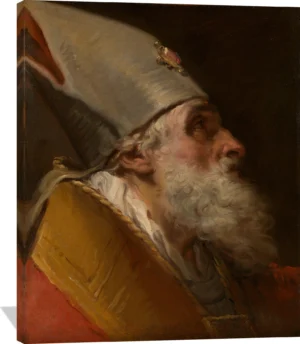
44,00 $Select options This product has multiple variants. The options may be chosen on the product pageHead of a Bishop
Gaetano GandolfiCanvas from
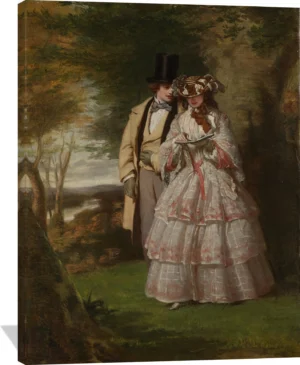
32,00 $Select options This product has multiple variants. The options may be chosen on the product pageThe Two Central Figures in “Derby Day”
William Powell FrithCanvas from
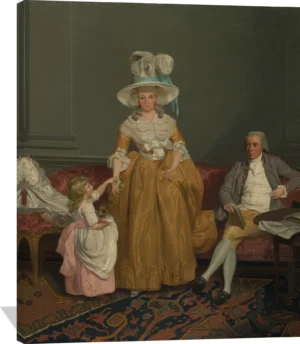
33,00 $Select options This product has multiple variants. The options may be chosen on the product pageThe Saithwaite Family
Francis WheatleyCanvas from
32,00 $Select options This product has multiple variants. The options may be chosen on the product page

Explore Rococo
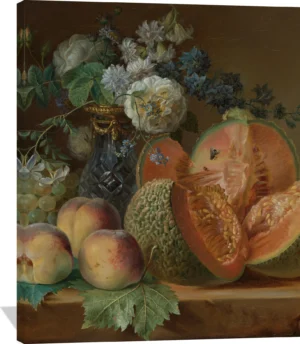
Still Life with a Vase of Flowers, Melon, Peaches, and Grapes
Charlotte Eustache Sophie de Fuligny Damas, marquise de GrollierCanvas from
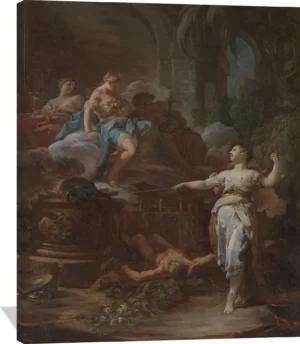
32,00 $Select options This product has multiple variants. The options may be chosen on the product pageMedea Rejuvenating Aeson
Corrado GiaquintoCanvas from
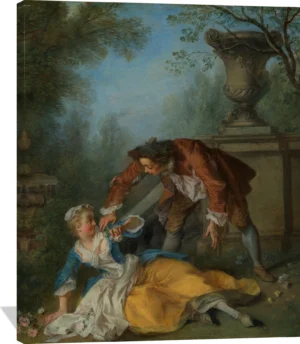
32,00 $Select options This product has multiple variants. The options may be chosen on the product pageThe Servant Justified
Nicolas LancretCanvas from
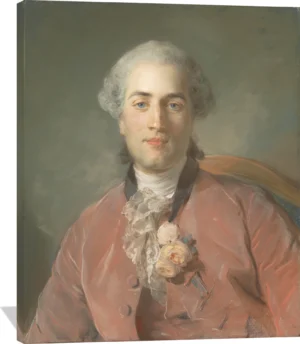
32,00 $Select options This product has multiple variants. The options may be chosen on the product pageOlivier Journu (1724–1783)
Jean-Baptiste PerronneauCanvas from
32,00 $Select options This product has multiple variants. The options may be chosen on the product pageGustavus Hamilton (1710–1746), Second Viscount Boyne, in Masquerade Costume
Rosalba CarrieraCanvas from
32,00 $Select options This product has multiple variants. The options may be chosen on the product pageJean Charles Garnier d’Isle (1697–1755)
Maurice Quentin de La TourCanvas from
32,00 $Select options This product has multiple variants. The options may be chosen on the product pageThe Garter
Jean François de TroyCanvas from
32,00 $Select options This product has multiple variants. The options may be chosen on the product pageMezzetin
Antoine WatteauCanvas from
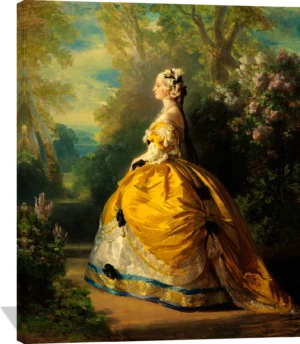
32,00 $Select options This product has multiple variants. The options may be chosen on the product pageThe Empress Eugénie (Eugénie de Montijo, 1826–1920, Condesa de Teba)
Franz Xaver WinterhalterCanvas from
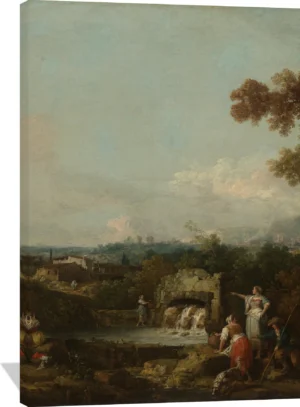
32,00 $Select options This product has multiple variants. The options may be chosen on the product pageLandscape with Peasants at a Fountain
Francesco ZuccarelliCanvas from
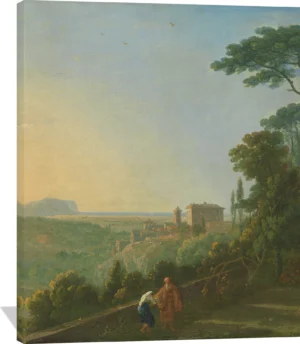
50,00 $Select options This product has multiple variants. The options may be chosen on the product pageLake Nemi and Genzano from the Terrace of the Capuchin Monastery
Richard WilsonCanvas from
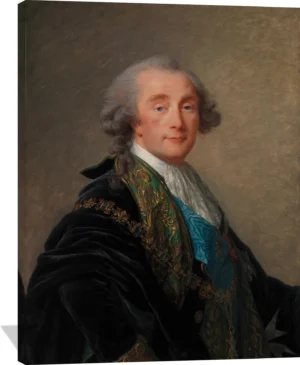
32,00 $Select options This product has multiple variants. The options may be chosen on the product pageAlexandre Charles Emmanuel de Crussol-Florensac (1743–1815)
Elisabeth Louise Vigée Le BrunCanvas from
33,00 $Select options This product has multiple variants. The options may be chosen on the product pageHalt of the Hunt
Carle (Charles André) VanlooCanvas from
32,00 $Select options This product has multiple variants. The options may be chosen on the product pageJean Marc Nattier (1685–1766)
Louis TocquéCanvas from
32,00 $Select options This product has multiple variants. The options may be chosen on the product pageComedy
Pierre Charles TrémolièresCanvas from
32,00 $Select options This product has multiple variants. The options may be chosen on the product pageThe Investiture of Bishop Harold as Duke of Franconia
Giovanni Battista TiepoloCanvas from
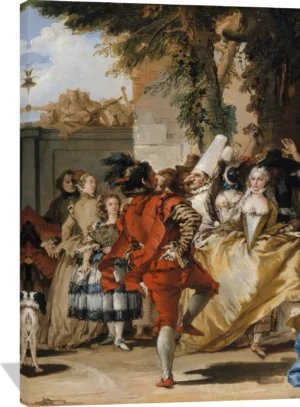
33,00 $Select options This product has multiple variants. The options may be chosen on the product pageA Dance in the Country
Giovanni Domenico TiepoloCanvas from
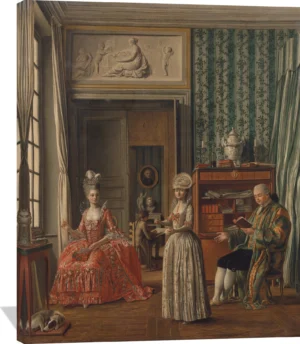
50,00 $Select options This product has multiple variants. The options may be chosen on the product pageDomestic Scene
German PainterCanvas from
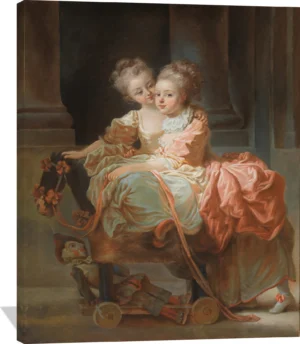
32,00 $Select options This product has multiple variants. The options may be chosen on the product pageThe Two Sisters
Jean Claude Richard, Abbé de Saint-NonCanvas from
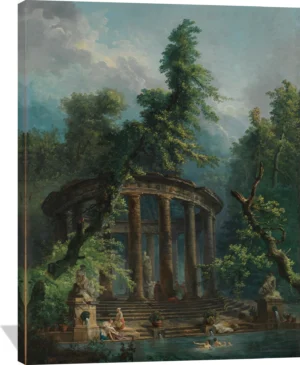
32,00 $Select options This product has multiple variants. The options may be chosen on the product pageThe Bathing Pool
Hubert RobertCanvas from
33,00 $Select options This product has multiple variants. The options may be chosen on the product pageEdward Smith Stanley (1752–1834), Twelfth Earl of Derby, Elizabeth, Countess of Derby (Lady Elizabeth Hamilton, 1753–1797), and Their Son (Edward Smith Stanley, 1775–1851)
Angelica KauffmannCanvas from
32,00 $Select options This product has multiple variants. The options may be chosen on the product page