Portrait of a Woman
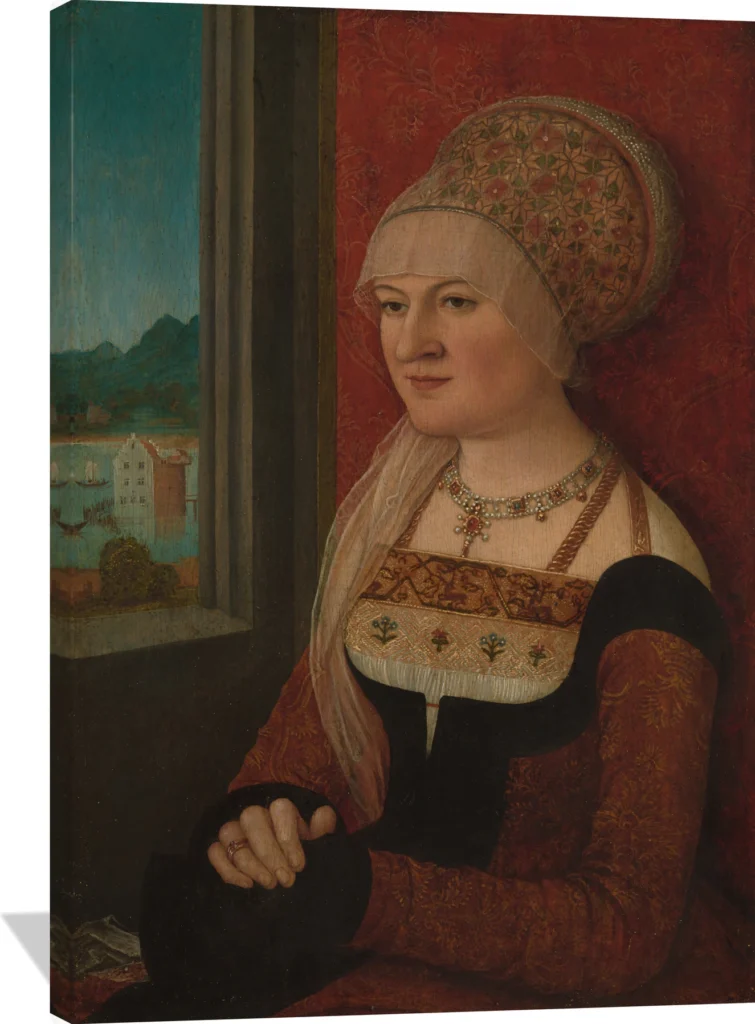
The Bernhard Strigel Portrait of a Woman canvas captures the quiet dignity and refined elegance of Renaissance portraiture. Rich tones of crimson, gold, and soft cream are balanced by the serene blue landscape glimpsed through the window, creating a composition that feels both intimate and timeless. Every detail—from the intricate embroidery to the sitter’s composed expression—reflects Strigel’s mastery of texture and light.
This exquisite canvas print brings a sense of history and sophistication to any space. Ideal for a living room, study, or entryway, it adds a touch of Old World grace and contemplative beauty to modern interiors.
Bernhard Strigel (1460–1528) was a German painter from Memmingen whose work reflects the refinement and clarity of the late Gothic tradition as it transitioned into the Northern Renaissance. Known for his precise draftsmanship and serene, dignified figures, he became one of the foremost artists of the imperial city and an influential member of the celebrated Strigel workshop.
Artistic Style
Strigel’s style is marked by crisp contours, harmonious compositions, and a poised balance between Gothic elegance and emerging Renaissance naturalism. His portraits are especially notable for their quiet psychological depth, capturing sitters with a combination of restraint and realism that distinguished his practice from his contemporaries. Delicate modeling, luminous color, and meticulous attention to costume and surface textures further define his artistic signature.
Subjects and Contributions
While he painted religious works such as altarpieces and devotional panels, Strigel gained particular acclaim for his portraits of nobility and prominent civic figures. His depictions of members of the Habsburg court contributed to the visual culture of early sixteenth‑century Germany and solidified his reputation as a master portraitist. Works like The Emperor Maximilian I and His Family demonstrate his ability to convey both individual likeness and dynastic presence.
Cultural Significance
As one of Memmingen’s leading painters, Strigel played a central role in shaping the artistic identity of southern Germany during a period of major cultural change. His paintings reflect the shift toward increased naturalism in European art while retaining the spiritual clarity characteristic of late medieval imagery. Today, he is recognized for his refined portraiture and his contributions to the evolution of German Renaissance painting.
Trust & policies
- 🚚 Free worldwide shipping
- 🔁 30-day returns (change of mind)
- 🛡️ If damaged/defective/misprinted: free replacement or full refund
- 🌍 Printed in US/CA/EU/UK/AU (based on delivery location)
- 💎 Made to order using acid-free, fade-resistant canvas
- 💎 Solid wood stretcher bars • Pine floating frames
- 🪝 Ready to hang

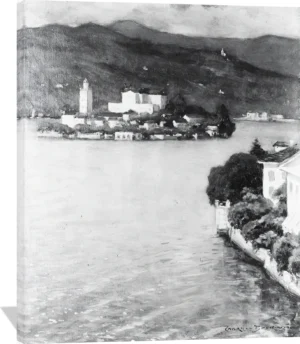
Lake of Orta
J. Carroll BeckwithCanvas from
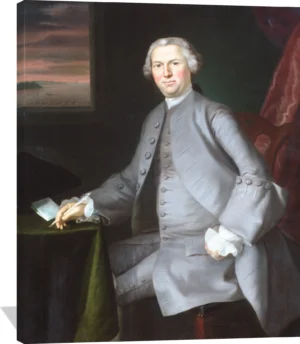
142,00 leiSelect options This product has multiple variants. The options may be chosen on the product pageSamuel Cutts
Joseph BlackburnCanvas from
142,00 leiSelect options This product has multiple variants. The options may be chosen on the product pageBaked Pears in Duane Park
William P. ChappelCanvas from
222,00 leiSelect options This product has multiple variants. The options may be chosen on the product pageJohn F. Kensett
George Augustus Baker Jr.Canvas from
142,00 leiSelect options This product has multiple variants. The options may be chosen on the product pageRepose
John White AlexanderCanvas from
142,00 leiSelect options This product has multiple variants. The options may be chosen on the product pageFur Traders Descending the Missouri
George Caleb BinghamCanvas from
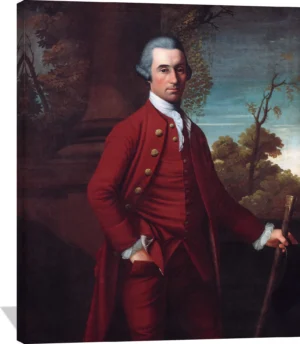
142,00 leiSelect options This product has multiple variants. The options may be chosen on the product pagePortrait of a Gentleman
Henry BenbridgeCanvas from
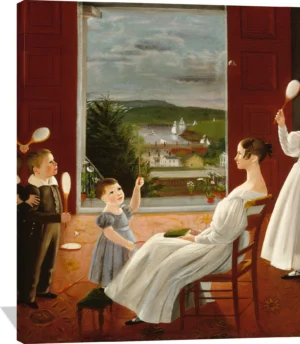
142,00 leiSelect options This product has multiple variants. The options may be chosen on the product pageThe Children of Nathan Starr
Ambrose AndrewsCanvas from
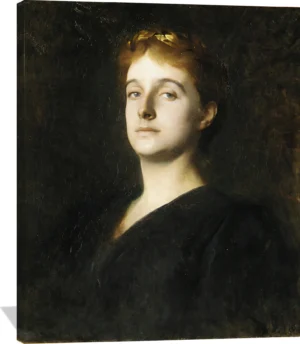
142,00 leiSelect options This product has multiple variants. The options may be chosen on the product pageEleanor Hardy Bunker
Dennis Miller BunkerCanvas from
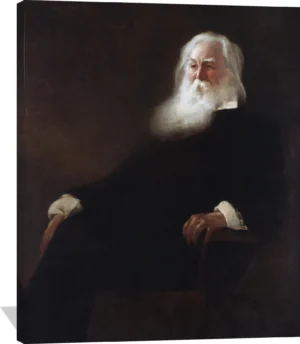
142,00 leiSelect options This product has multiple variants. The options may be chosen on the product pageWalt Whitman
John White AlexanderCanvas from
142,00 leiSelect options This product has multiple variants. The options may be chosen on the product pageAn Indian Encampment
Ralph Albert BlakelockCanvas from
195,00 leiSelect options This product has multiple variants. The options may be chosen on the product pageLeete Farm, West Claremont, New Hampshire
Francis AlexanderCanvas from
222,00 leiSelect options This product has multiple variants. The options may be chosen on the product pageSeventh Regiment on Review, Washington Square, New York
Otto BoetticherCanvas from
222,00 leiSelect options This product has multiple variants. The options may be chosen on the product pageMrs. Benjamin Simons
Henry BenbridgeCanvas from
142,00 leiSelect options This product has multiple variants. The options may be chosen on the product pageMeditation
John George BrownCanvas from
142,00 leiSelect options This product has multiple variants. The options may be chosen on the product pageJames Badger
Joseph BadgerCanvas from
142,00 leiSelect options This product has multiple variants. The options may be chosen on the product pageEmma Homan
John BradleyCanvas from
142,00 leiSelect options This product has multiple variants. The options may be chosen on the product pageIn the Laboratory
Henry AlexanderCanvas from
142,00 leiSelect options This product has multiple variants. The options may be chosen on the product pageView from the Artist’s Window, Grove Street
Robert Frederick BlumCanvas from
142,00 leiSelect options This product has multiple variants. The options may be chosen on the product pageView at Amalfi, Bay of Salerno
George Loring BrownCanvas from
222,00 leiSelect options This product has multiple variants. The options may be chosen on the product pageSea Cove
Albert BierstadtCanvas from
147,00 leiSelect options This product has multiple variants. The options may be chosen on the product pageMountain Scene
Albert BierstadtCanvas from
147,00 leiSelect options This product has multiple variants. The options may be chosen on the product page
Explore Portraits
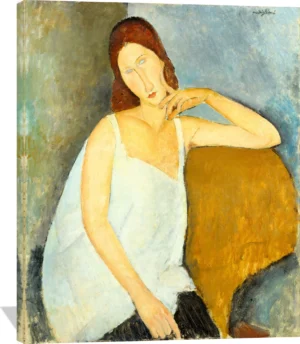
Jeanne Hébuterne
Amedeo ModiglianiCanvas from
142,00 leiSelect options This product has multiple variants. The options may be chosen on the product pageGirl in a Sailor’s Blouse
Amedeo ModiglianiCanvas from
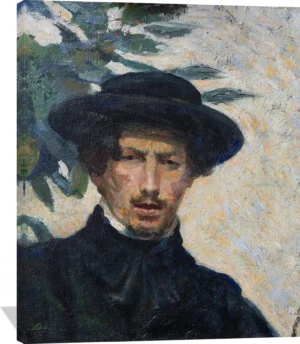
147,00 leiSelect options This product has multiple variants. The options may be chosen on the product pageSelf-Portrait
Umberto BoccioniCanvas from
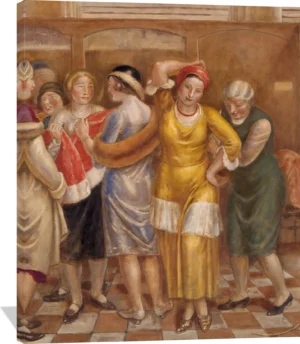
142,00 leiSelect options This product has multiple variants. The options may be chosen on the product pageThe Fitting Room
Kenneth Hayes MillerCanvas from
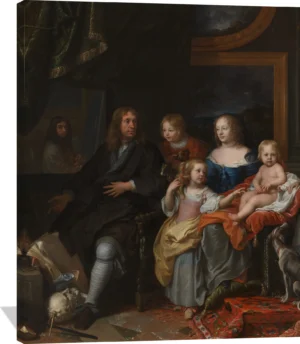
142,00 leiSelect options This product has multiple variants. The options may be chosen on the product pageThe Jabach Family
Charles Le BrunCanvas from
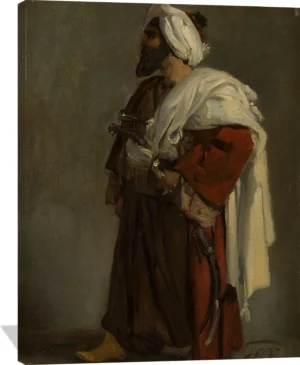
142,00 leiSelect options This product has multiple variants. The options may be chosen on the product pageArab Warrior
Horace VernetCanvas from
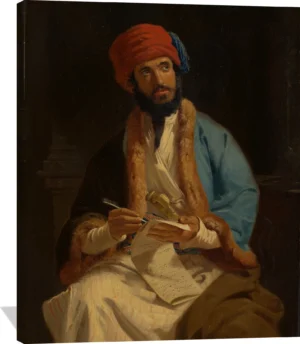
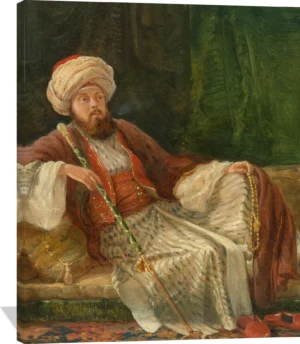
147,00 leiSelect options This product has multiple variants. The options may be chosen on the product pageThe Arab Sage
German PainterCanvas from
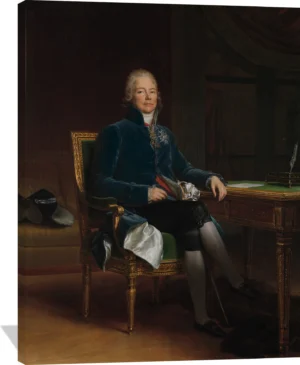
142,00 leiSelect options This product has multiple variants. The options may be chosen on the product pageCharles Maurice de Talleyrand Périgord (1754–1838), Prince de Bénévent
baron François GérardCanvas from
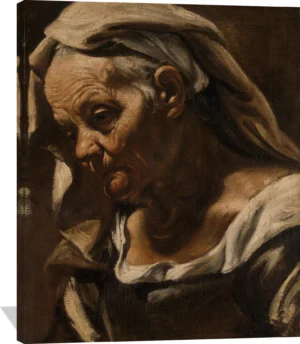
147,00 leiSelect options This product has multiple variants. The options may be chosen on the product pageHead of an Old Woman
Orazio BorgianniCanvas from
142,00 leiSelect options This product has multiple variants. The options may be chosen on the product pageSelf-Portrait
Anton Raphael MengsCanvas from
142,00 leiSelect options This product has multiple variants. The options may be chosen on the product pageSeated Arab Man with Horse
Alfred DedreuxCanvas from
142,00 leiSelect options This product has multiple variants. The options may be chosen on the product pageA Cardinal’s Procession
Ottavio Leoni (Il Padovano)Canvas from
195,00 leiSelect options This product has multiple variants. The options may be chosen on the product pageAn Egyptian in a Doorway
Sir Lawrence Alma-TademaCanvas from
147,00 leiSelect options This product has multiple variants. The options may be chosen on the product pageWestern Gentleman in Oriental Costume
British PainterCanvas from
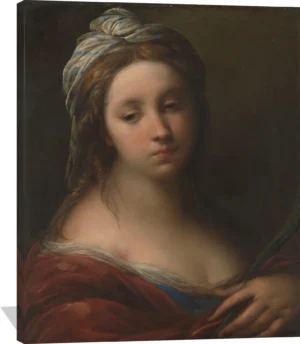
142,00 leiSelect options This product has multiple variants. The options may be chosen on the product pageA Female Martyr Saint
Carlo Francesco NuvoloneCanvas from
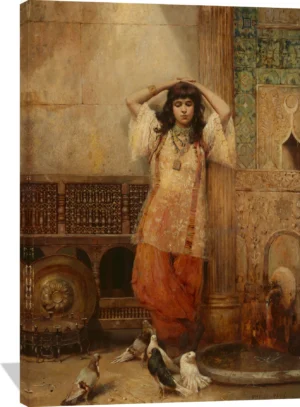
142,00 leiSelect options This product has multiple variants. The options may be chosen on the product pageGirl in a Courtyard, Algiers (formerly Courtyard in Tangier)
Philippe PavyCanvas from
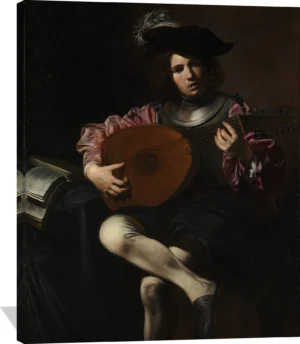
222,00 leiSelect options This product has multiple variants. The options may be chosen on the product pageLute Player
Valentin de BoulogneCanvas from
142,00 leiSelect options This product has multiple variants. The options may be chosen on the product pageThe Opium Smokers
Georges ClairinCanvas from
195,00 leiSelect options This product has multiple variants. The options may be chosen on the product pageHead of a Bishop
Gaetano GandolfiCanvas from
142,00 leiSelect options This product has multiple variants. The options may be chosen on the product pageThe Two Central Figures in “Derby Day”
William Powell FrithCanvas from
147,00 leiSelect options This product has multiple variants. The options may be chosen on the product pageThe Saithwaite Family
Francis WheatleyCanvas from
142,00 leiSelect options This product has multiple variants. The options may be chosen on the product page

Explore Intricate
A Bedroom in Bernstorff Palace near Copenhagen
Johan Vilhelm GertnerCanvas from
142,00 leiSelect options This product has multiple variants. The options may be chosen on the product pageInterior of the Oude Kerk, Delft
Emanuel de WitteCanvas from
147,00 leiSelect options This product has multiple variants. The options may be chosen on the product pageInterior of the Oude Kerk, Delft
Hendrick van VlietCanvas from
142,00 leiSelect options This product has multiple variants. The options may be chosen on the product pageThe Flight into Egypt
Cosmè Tura (Cosimo di Domenico di Bonaventura)Canvas from
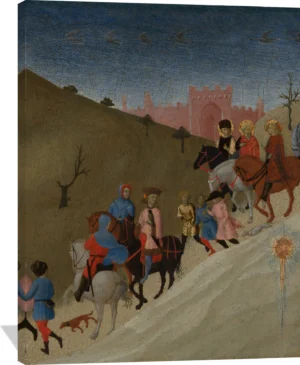
195,00 leiSelect options This product has multiple variants. The options may be chosen on the product pageThe Journey of the Magi
Sassetta (Stefano di Giovanni)Canvas from
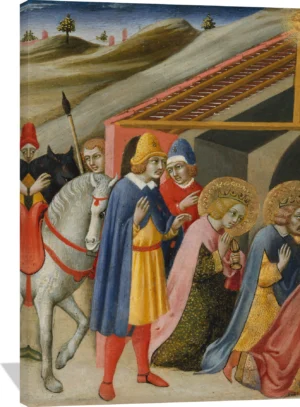
147,00 leiSelect options This product has multiple variants. The options may be chosen on the product pageThe Adoration of the Magi
Sano di Pietro (Ansano di Pietro di Mencio)Canvas from
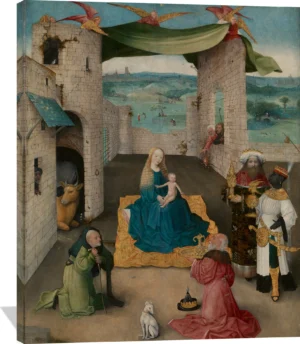
222,00 leiSelect options This product has multiple variants. The options may be chosen on the product pageThe Adoration of the Magi
Hieronymus BoschCanvas from
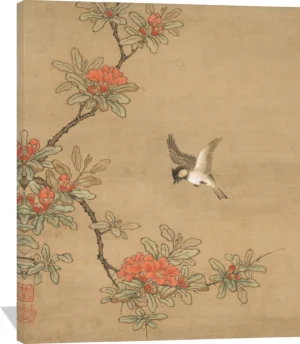
142,00 leiSelect options This product has multiple variants. The options may be chosen on the product pageTitmouse with Pomegranate Flowers
Kano Yukinobu 狩野之信Canvas from
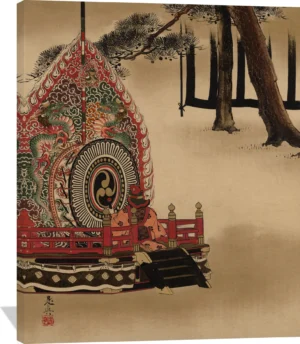
142,00 leiSelect options This product has multiple variants. The options may be chosen on the product pageLacquer Paintings of Various Subjects: Drum for Gagaku Dance
Shibata ZeshinCanvas from
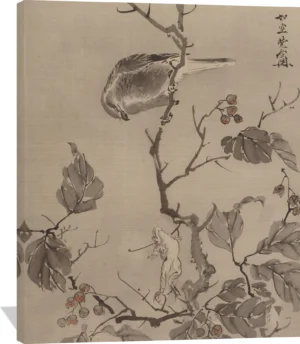
142,00 leiSelect options This product has multiple variants. The options may be chosen on the product pageBird and Frog
Kawanabe Kyōsai 河鍋暁斎Canvas from
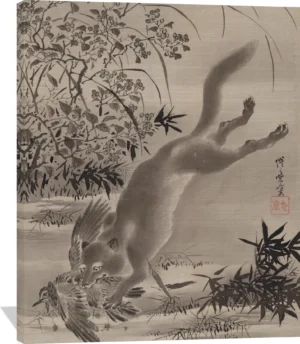
142,00 leiSelect options This product has multiple variants. The options may be chosen on the product pageFox Catching Bird
Kawanabe Kyōsai 河鍋暁斎Canvas from
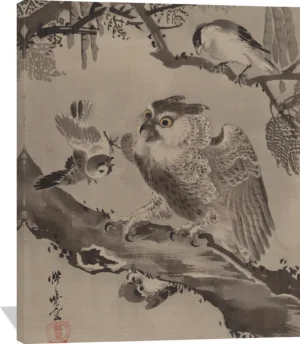
142,00 leiSelect options This product has multiple variants. The options may be chosen on the product pageOwl Mocked by Small Birds
Kawanabe Kyōsai 河鍋暁斎Canvas from
142,00 leiSelect options This product has multiple variants. The options may be chosen on the product pageKintaro with Carp
Canvas from
142,00 leiSelect options This product has multiple variants. The options may be chosen on the product pageMagpie on Viburnum Branch
GengaCanvas from
142,00 leiSelect options This product has multiple variants. The options may be chosen on the product pageMaharana Amar Singh II with Ladies of the Zenana outside the Picture Hall at Rajnagar
Stipple MasterCanvas from
142,00 leiSelect options This product has multiple variants. The options may be chosen on the product pageKing Dasaratha and His Retinue Proceed to Rama’s Wedding: Folio from the Shangri Ramayana Series (Style II)
Canvas from
147,00 leiSelect options This product has multiple variants. The options may be chosen on the product pageHanuman Revives Rama and Lakshmana with Medicinal Herbs: Illustrated folio from a dispersed Ramayana series
NainsukhCanvas from
222,00 leiSelect options This product has multiple variants. The options may be chosen on the product pageA Lady Applying Henna to Her Foot
Ustad Mohamed, son of MuradCanvas from
147,00 leiSelect options This product has multiple variants. The options may be chosen on the product pageMaharana Jagat Singh Hawks for Cranes
Shiva and DayalCanvas from
195,00 leiSelect options This product has multiple variants. The options may be chosen on the product pageChandravimba Ragaputra: Page from a Dispersed “Boston” Ragamala Series (Garland of Musical Modes)
Canvas from
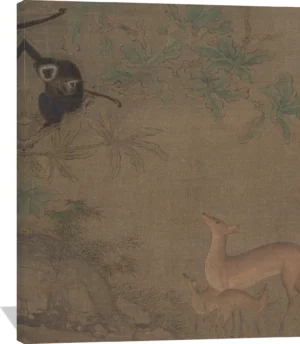
222,00 leiSelect options This product has multiple variants. The options may be chosen on the product pageGibbons and Deer
Unidentified artistCanvas from
142,00 leiSelect options This product has multiple variants. The options may be chosen on the product page