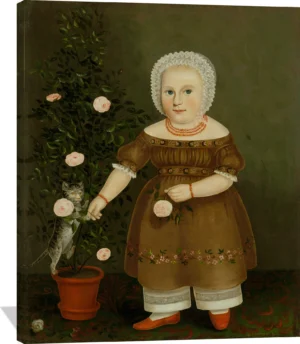
Little Girl with Flowers (Amelia Palmer)
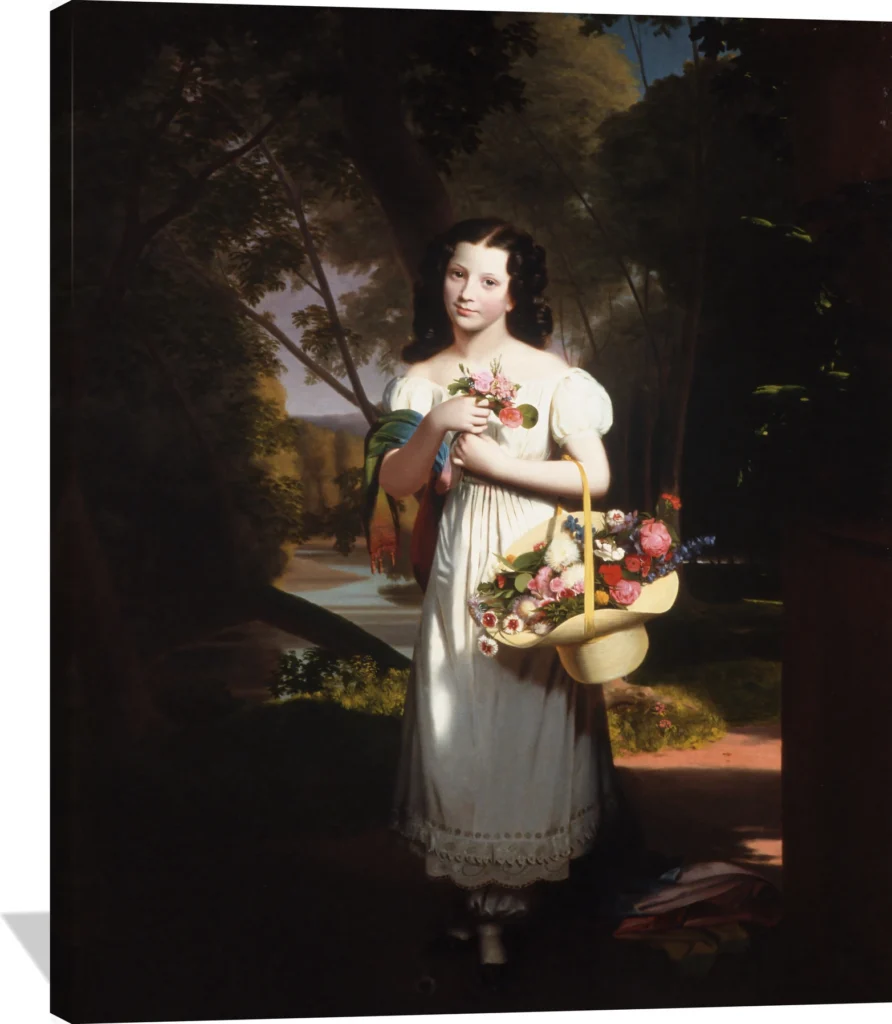
The Charles Cromwell Ingham Little Girl with Flowers (Amelia Palmer) canvas captures a tender moment of youthful grace and innocence. Bathed in soft natural light, the young girl stands amid a serene woodland path, her white dress and basket of vibrant blooms—rose, cream, green, and soft gold—evoking a sense of purity and timeless charm. The artist’s refined realism and delicate brushwork lend the portrait a luminous, almost ethereal quality.
This elegant wall art brings a touch of 19th-century refinement to any space. Ideal for a living room, entryway, or study, this canvas print adds warmth and sophistication while celebrating the beauty of classic portraiture.
Charles Cromwell Ingham (1786–1863) was an American painter, born in Dublin, whose refined portraiture helped define the visual culture of early nineteenth‑century New York. Trained in the European academic tradition before immigrating to the United States, he became one of the city’s most sought‑after portraitists, admired for his meticulous technique and graceful sense of character.
Artistic Style
Ingham is celebrated for a polished, neoclassical style marked by smooth surfaces, subtle modeling, and a careful attention to detail. His portraits often exhibit a luminous clarity, with sitters rendered in poised, serene compositions that emphasize both elegance and psychological presence. His mastery of texture particularly in fabrics, skin tones, and hair sets his work apart and contributes to its enduring appeal.
Subjects and Themes
Best known for portraits of women, Ingham developed a reputation for capturing idealized beauty while maintaining a sense of individuality. He portrayed prominent members of New York society, elevating his sitters through refined poses and controlled, harmonious color. Whether depicting social elites or rising figures of the era, his canvases convey dignity and warmth, often highlighting the cultural aspirations of a growing American metropolis.
Legacy and Significance
A founding figure of the National Academy of Design, Ingham played a crucial role in shaping artistic standards and fostering professional community among American painters. His work represents a pivotal moment in early American art, when European traditions blended with a distinct national identity. Today, his portraits remain valued for their technical finesse, their quiet sophistication, and their contribution to the visual record of nineteenth‑century America.
Trust & policies
- 🚚 Free worldwide shipping
- 🔁 30-day returns (change of mind)
- 🛡️ If damaged/defective/misprinted: free replacement or full refund
- 🌍 Printed in US/CA/EU/UK/AU (based on delivery location)
- 💎 Made to order using acid-free, fade-resistant canvas
- 💎 Solid wood stretcher bars • Pine floating frames
- 🪝 Ready to hang

Seventh Regiment on Review, Washington Square, New York
Otto BoetticherCanvas from
50,00 $Select options This product has multiple variants. The options may be chosen on the product pagePhilip Van Cortlandt
Ezra AmesCanvas from
32,00 $Select options This product has multiple variants. The options may be chosen on the product pageAn Arctic Summer: Boring Through the Pack in Melville Bay
William BradfordCanvas from
50,00 $Select options This product has multiple variants. The options may be chosen on the product pagePortrait of a Gentleman
Henry BenbridgeCanvas from
32,00 $Select options This product has multiple variants. The options may be chosen on the product pageEleanor Hardy Bunker
Dennis Miller BunkerCanvas from
32,00 $Select options This product has multiple variants. The options may be chosen on the product pageThe Ring
John White AlexanderCanvas from
32,00 $Select options This product has multiple variants. The options may be chosen on the product pageCorn Husking
David Gilmour BlytheCanvas from
33,00 $Select options This product has multiple variants. The options may be chosen on the product pageWalt Whitman
John White AlexanderCanvas from
32,00 $Select options This product has multiple variants. The options may be chosen on the product pageRepose
John White AlexanderCanvas from
32,00 $Select options This product has multiple variants. The options may be chosen on the product pageLeete Farm, West Claremont, New Hampshire
Francis AlexanderCanvas from
50,00 $Select options This product has multiple variants. The options may be chosen on the product pageThe Way They Live
Thomas AnshutzCanvas from
33,00 $Select options This product has multiple variants. The options may be chosen on the product pageLandscape
Ralph Albert BlakelockCanvas from
33,00 $Select options This product has multiple variants. The options may be chosen on the product pageMeditation
John George BrownCanvas from
32,00 $Select options This product has multiple variants. The options may be chosen on the product pageMrs. Benjamin Simons
Henry BenbridgeCanvas from
32,00 $Select options This product has multiple variants. The options may be chosen on the product pageThe Music Lesson
John George BrownCanvas from
32,00 $Select options This product has multiple variants. The options may be chosen on the product pageMary Sylvester
Joseph BlackburnCanvas from
32,00 $Select options This product has multiple variants. The options may be chosen on the product pageMrs. David Chesebrough
Joseph BlackburnCanvas from
32,00 $Select options This product has multiple variants. The options may be chosen on the product pageView from the Artist’s Window, Grove Street
Robert Frederick BlumCanvas from
32,00 $Select options This product has multiple variants. The options may be chosen on the product pageLake of Orta
J. Carroll BeckwithCanvas from
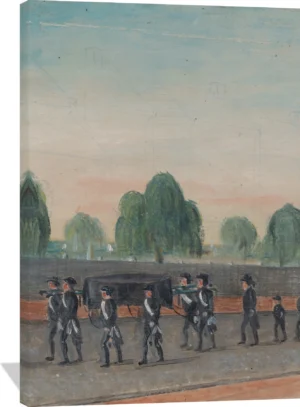
32,00 $Select options This product has multiple variants. The options may be chosen on the product pageAdult Funeral Procession
William P. ChappelCanvas from
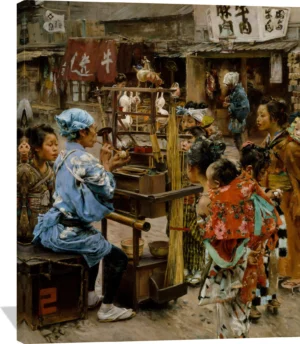
50,00 $Select options This product has multiple variants. The options may be chosen on the product pageThe Ameya
Robert Frederick BlumCanvas from
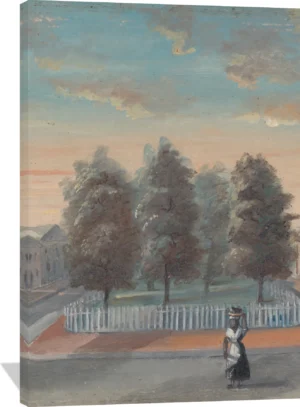
32,00 $Select options This product has multiple variants. The options may be chosen on the product pageBaked Pears in Duane Park
William P. ChappelCanvas from
50,00 $Select options This product has multiple variants. The options may be chosen on the product page
Explore Portraits
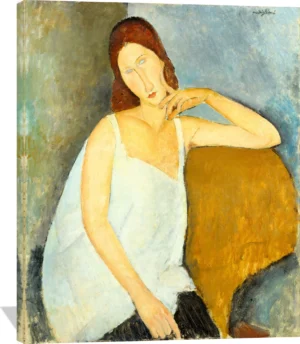
Jeanne Hébuterne
Amedeo ModiglianiCanvas from
32,00 $Select options This product has multiple variants. The options may be chosen on the product pageGirl in a Sailor’s Blouse
Amedeo ModiglianiCanvas from
33,00 $Select options This product has multiple variants. The options may be chosen on the product pageSelf-Portrait
Umberto BoccioniCanvas from
32,00 $Select options This product has multiple variants. The options may be chosen on the product pageThe Fitting Room
Kenneth Hayes MillerCanvas from
32,00 $Select options This product has multiple variants. The options may be chosen on the product pageThe Jabach Family
Charles Le BrunCanvas from
32,00 $Select options This product has multiple variants. The options may be chosen on the product pageArab Warrior
Horace VernetCanvas from
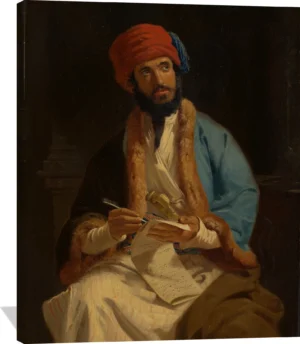
33,00 $Select options This product has multiple variants. The options may be chosen on the product pageThe Arab Sage
German PainterCanvas from
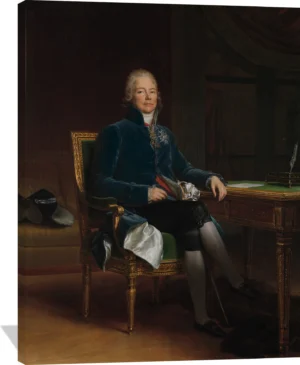
32,00 $Select options This product has multiple variants. The options may be chosen on the product pageCharles Maurice de Talleyrand Périgord (1754–1838), Prince de Bénévent
baron François GérardCanvas from
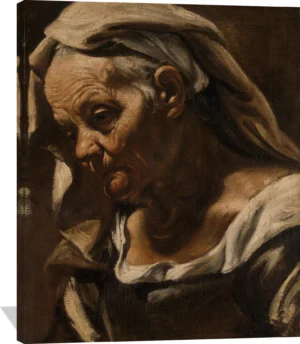
33,00 $Select options This product has multiple variants. The options may be chosen on the product pageHead of an Old Woman
Orazio BorgianniCanvas from
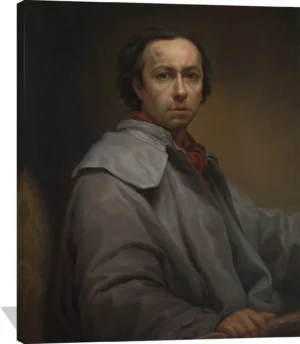
32,00 $Select options This product has multiple variants. The options may be chosen on the product pageSelf-Portrait
Anton Raphael MengsCanvas from
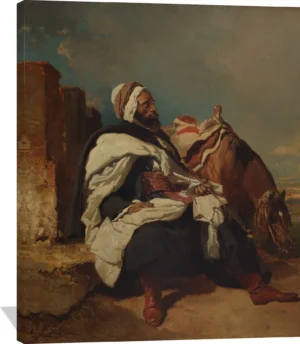
32,00 $Select options This product has multiple variants. The options may be chosen on the product pageSeated Arab Man with Horse
Alfred DedreuxCanvas from
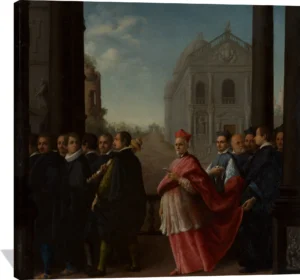
32,00 $Select options This product has multiple variants. The options may be chosen on the product pageA Cardinal’s Procession
Ottavio Leoni (Il Padovano)Canvas from
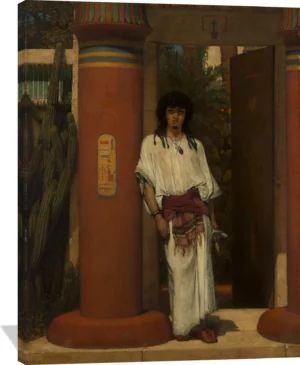
44,00 $Select options This product has multiple variants. The options may be chosen on the product pageAn Egyptian in a Doorway
Sir Lawrence Alma-TademaCanvas from
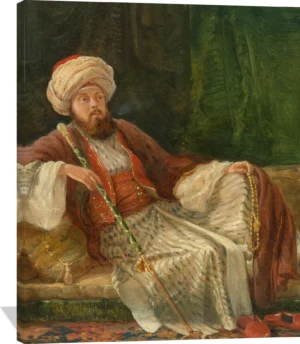
33,00 $Select options This product has multiple variants. The options may be chosen on the product pageWestern Gentleman in Oriental Costume
British PainterCanvas from
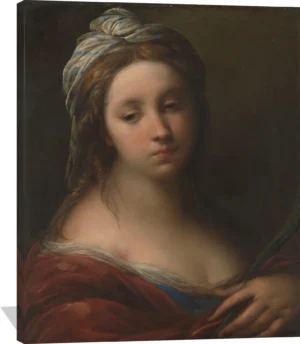
32,00 $Select options This product has multiple variants. The options may be chosen on the product pageA Female Martyr Saint
Carlo Francesco NuvoloneCanvas from
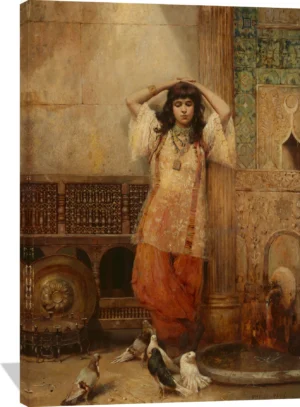
32,00 $Select options This product has multiple variants. The options may be chosen on the product pageGirl in a Courtyard, Algiers (formerly Courtyard in Tangier)
Philippe PavyCanvas from
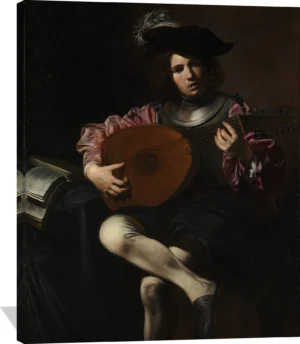
50,00 $Select options This product has multiple variants. The options may be chosen on the product pageLute Player
Valentin de BoulogneCanvas from
32,00 $Select options This product has multiple variants. The options may be chosen on the product pageThe Opium Smokers
Georges ClairinCanvas from
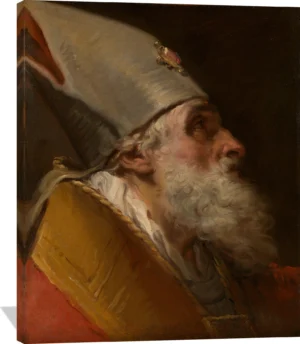
44,00 $Select options This product has multiple variants. The options may be chosen on the product pageHead of a Bishop
Gaetano GandolfiCanvas from
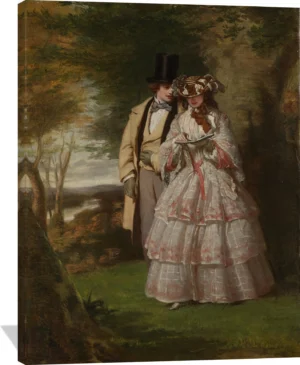
32,00 $Select options This product has multiple variants. The options may be chosen on the product pageThe Two Central Figures in “Derby Day”
William Powell FrithCanvas from
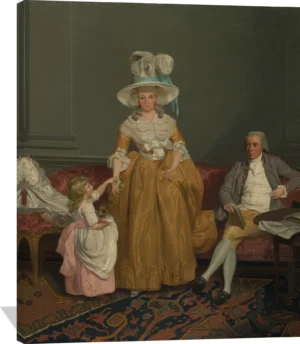
33,00 $Select options This product has multiple variants. The options may be chosen on the product pageThe Saithwaite Family
Francis WheatleyCanvas from
32,00 $Select options This product has multiple variants. The options may be chosen on the product page

Explore Figurative
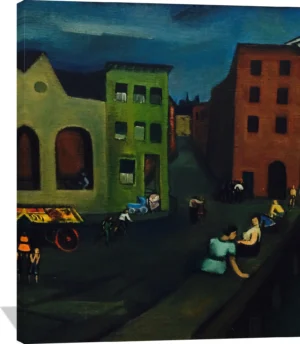
Docks on Sunday
Joseph De MartiniCanvas from
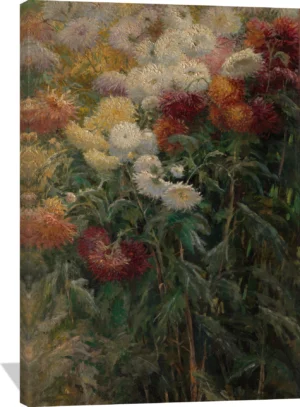
32,00 $Select options This product has multiple variants. The options may be chosen on the product pageChrysanthemums in the Garden at Petit-Gennevilliers
Gustave CaillebotteCanvas from
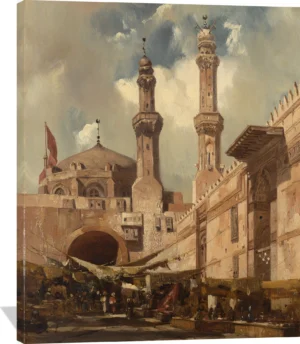
50,00 $Select options This product has multiple variants. The options may be chosen on the product pageA Cairo Bazaar
Adrien DauzatsCanvas from
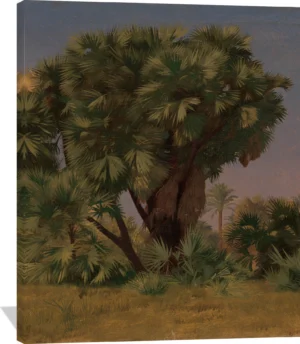
32,00 $Select options This product has multiple variants. The options may be chosen on the product pageStudy of Palm Trees
Jean-Léon GérômeCanvas from
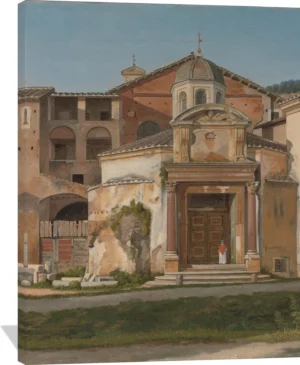
32,00 $Select options This product has multiple variants. The options may be chosen on the product pageA Section of the Via Sacra, Rome (The Church of Saints Cosmas and Damian)
Christoffer Wilhelm EckersbergCanvas from
33,00 $Select options This product has multiple variants. The options may be chosen on the product pageLandscape with Figures
Kenneth Hayes MillerCanvas from
32,00 $Select options This product has multiple variants. The options may be chosen on the product pageThe Great Pyramid, Giza
Adrien DauzatsCanvas from
32,00 $Select options This product has multiple variants. The options may be chosen on the product pageThe Holy Family with the Infant Saint John the Baptist
Perino del Vaga (Pietro Buonaccorsi)Canvas from
32,00 $Select options This product has multiple variants. The options may be chosen on the product pageScene in a Harem (Un Envoi de Serbie)
Benjamin-Constant (Jean-Joseph-Benjamin Constant)Canvas from
32,00 $Select options This product has multiple variants. The options may be chosen on the product pageView over Hallingdal
Johan Christian DahlCanvas from
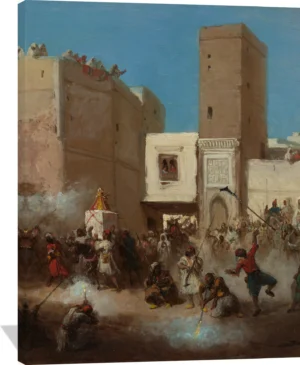
50,00 $Select options This product has multiple variants. The options may be chosen on the product pageWedding Procession
Victor EeckhoutCanvas from
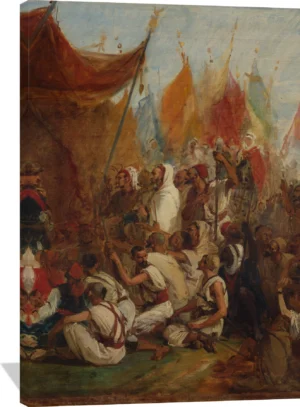
33,00 $Select options This product has multiple variants. The options may be chosen on the product pageSketch for “Reception of Emperor Napoleon III and Empress Eugénie by the Kabyle Leaders at Algiers on September 18, 1860”
Isidore PilsCanvas from
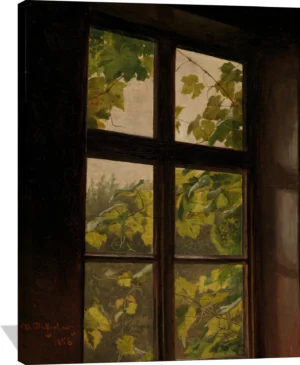
50,00 $Select options This product has multiple variants. The options may be chosen on the product pageWindow
Anton DieffenbachCanvas from
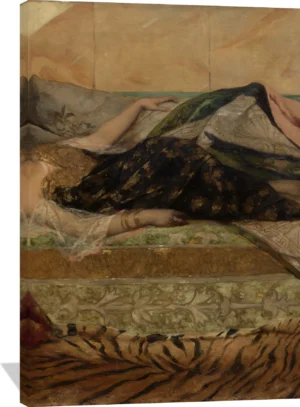
33,00 $Select options This product has multiple variants. The options may be chosen on the product pageOdalisque
Benjamin-Constant (Jean-Joseph-Benjamin Constant)Canvas from
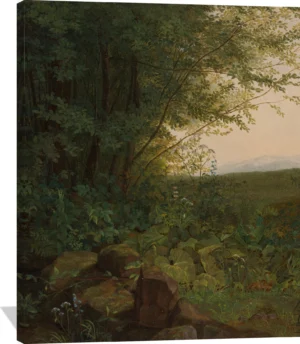
50,00 $Select options This product has multiple variants. The options may be chosen on the product pageAt the Edge of the Forest
August HeinrichCanvas from
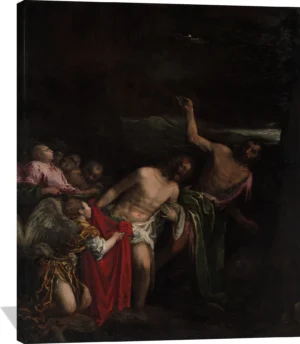
32,00 $Select options This product has multiple variants. The options may be chosen on the product pageThe Baptism of Christ
Jacopo Bassano (Jacopo da Ponte)Canvas from
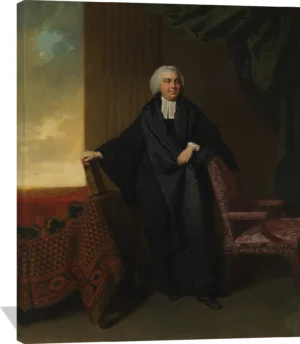
32,00 $Select options This product has multiple variants. The options may be chosen on the product pageThe Reverend Philip Cocks (1735–1797)
Johan Joseph ZoffanyCanvas from
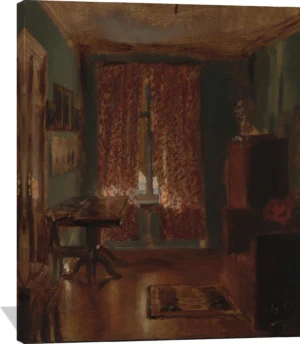
32,00 $Select options This product has multiple variants. The options may be chosen on the product pageThe Artist’s Sitting Room in Ritterstrasse
Adolph MenzelCanvas from
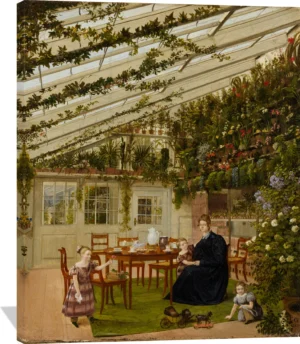
32,00 $Select options This product has multiple variants. The options may be chosen on the product pageThe Family of Mr. Westphal in the Conservatory
Eduard GaertnerCanvas from
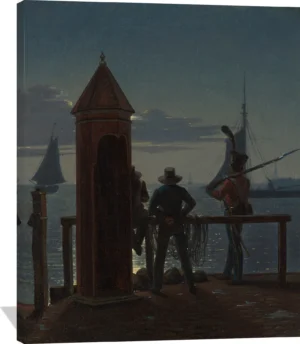
32,00 $Select options This product has multiple variants. The options may be chosen on the product pageView from the Citadel Ramparts in Copenhagen by Moonlight
Martinus RørbyeCanvas from
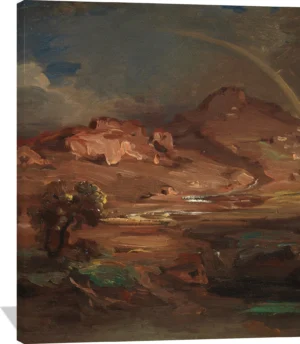
32,00 $Select options This product has multiple variants. The options may be chosen on the product pageThe Cemetery at Pronoia near Nauplia
Carl RottmannCanvas from
32,00 $Select options This product has multiple variants. The options may be chosen on the product page

Explore Roses
Rose Hedge
Wilhelm TrübnerCanvas from
32,00 $Select options This product has multiple variants. The options may be chosen on the product pageSide of a Greenhouse
George Cochran LambdinCanvas from
32,00 $Select options This product has multiple variants. The options may be chosen on the product pageRoses and Lilies
Henri Fantin-LatourCanvas from
32,00 $Select options This product has multiple variants. The options may be chosen on the product pageRoses in a Bowl
Henri Fantin-LatourCanvas from
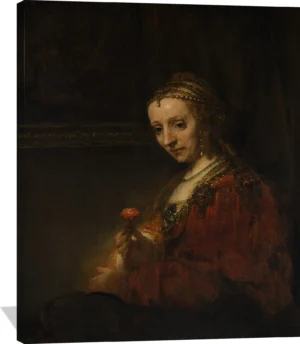
33,00 $Select options This product has multiple variants. The options may be chosen on the product pageWoman with a Pink
Rembrandt (Rembrandt van Rijn)Canvas from
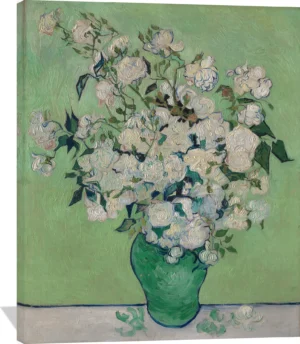
32,00 $Select options This product has multiple variants. The options may be chosen on the product pageRoses
Vincent van GoghCanvas from
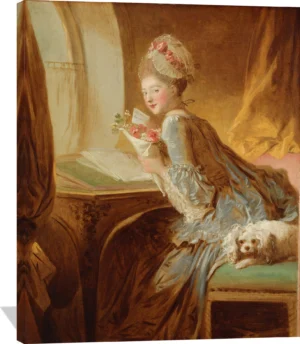
32,00 $Select options This product has multiple variants. The options may be chosen on the product pageThe Love Letter
Jean Honoré FragonardCanvas from
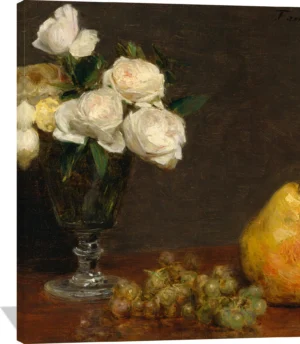
32,00 $Select options This product has multiple variants. The options may be chosen on the product pageStill Life with Roses and Fruit
Henri Fantin-LatourCanvas from
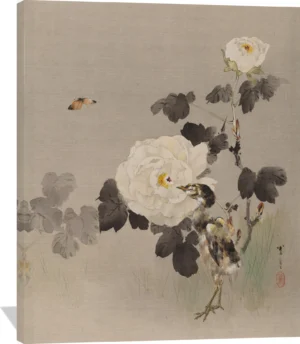
32,00 $Select options This product has multiple variants. The options may be chosen on the product pageRoses, Young Bird and a Butterfly
Watanabe SeiteiCanvas from
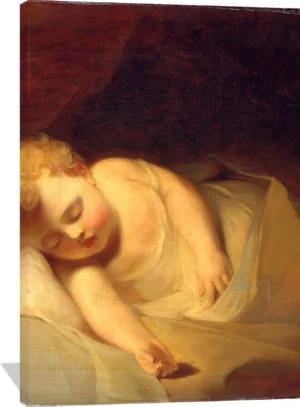
32,00 $Select options This product has multiple variants. The options may be chosen on the product pageChild Asleep (The Rosebud)
Thomas SullyCanvas from
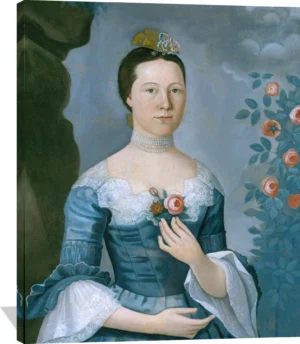
50,00 $Select options This product has multiple variants. The options may be chosen on the product pageSusannah or Mary Bontecou
John DurandCanvas from
32,00 $Select options This product has multiple variants. The options may be chosen on the product pageEmma Homan
John BradleyCanvas from
32,00 $Select options This product has multiple variants. The options may be chosen on the product page