Artistic Style and Approach
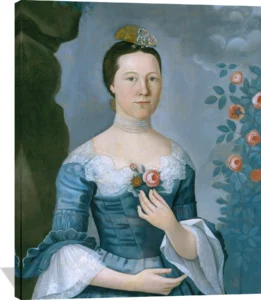
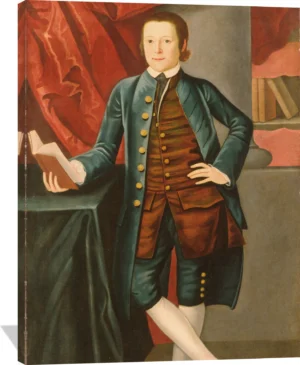
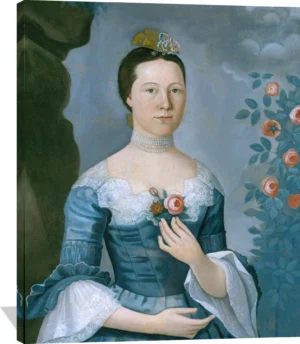
Durand’s work reflects the emerging aesthetic of late eighteenth‑century America, blending European influences with a distinctly regional sensibility. His portraits often feature direct, engaging gazes, crisp outlines, and carefully observed details that convey both likeness and character. Subtle modeling and warm tonal harmonies lend his paintings a quiet elegance, making them enduring examples of early American artistry.
Subjects and Themes
He is best known for his portraits of merchants, landowners, and families across the Mid‑Atlantic and Southern colonies. These works frequently highlight clothing, personal adornments, and domestic settings as indicators of status and identity. Durand’s ability to capture individuality while maintaining a composed, balanced structure distinguishes his contribution to American portrait traditions.
Historical Significance
As an itinerant artist working during a period when the colonies were shaping their cultural identity, Durand played a meaningful role in documenting emerging American society. His paintings offer valuable insight into the aspirations and self‑presentation of his sitters, providing a visual record of a transformative era. Today, he is recognized as a notable figure in early American portraiture, appreciated for the clarity, sincerity, and craftsmanship of his work.