Grape Vines and Fruit, with Three Wagtails
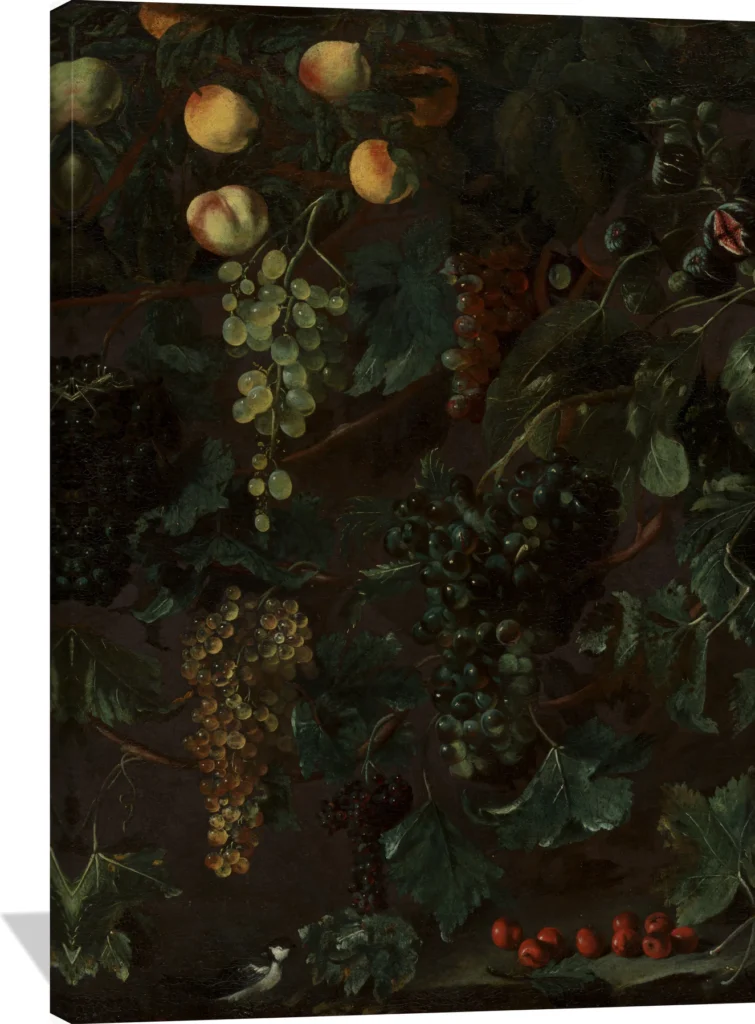
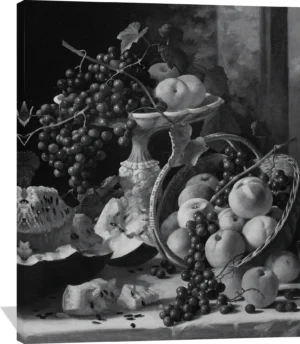
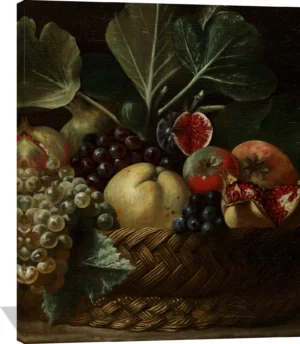
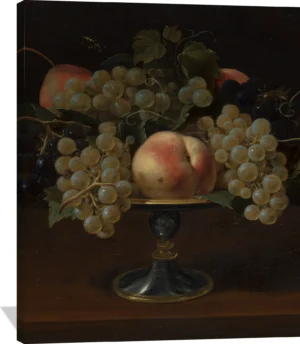
The Bartolomeo Cavarozzi Grape Vines and Fruit, with Three Wagtails canvas captures the lush abundance of nature with exquisite Baroque detail. Clusters of ripened grapes, figs, and peaches hang amid deep green leaves, while three delicate wagtails bring a sense of quiet life to the stillness. Rich tones of emerald, gold, and plum create a warm, sophisticated palette that draws the eye and enriches any space.
This masterful Grape Vines and Fruit, with Three Wagtails wall art brings timeless Italian elegance to your home. Ideal for a living room, dining area, or study, this canvas print infuses classic refinement and natural beauty into your decor.
Bartolomeo Cavarozzi (1587–1625), born in Viterbo and active primarily in Rome, was a distinguished Italian painter whose refined contributions helped shape the evolution of early Baroque naturalism.
Artistic Style
Cavarozzi is celebrated for his graceful interpretation of Caravaggio’s naturalistic revolution. While influenced by Caravaggio’s dramatic lighting and close observation from life, he softened these elements with a quieter mood, polished execution, and a distinctive sense of serenity. His paintings often feature luminous surfaces, gentle chiaroscuro, and a harmonious balance that reveals both discipline and sensitivity.
Subjects and Themes
He worked across genres, producing religious compositions, portraits, and still lifes. His still lifes in particular stand out for their intimate realism and meticulous detail, marking him as one of the early innovators of the genre in Italy. In religious works, his figures possess a poised introspection, offering viewers a contemplative engagement rather than overt drama.
Notable Contributions
Cavarozzi traveled to Spain in the 1610s, where his refined Caravaggist technique had significant impact on contemporary Spanish painting. This cultural exchange broadened the reach of Italian naturalism and helped establish him as a key intermediary in the international spread of the Caravaggist style. His role in this artistic dialogue remains one of his most enduring achievements, underscoring his position as a pivotal early Baroque painter.
Legacy
Although his career was brief, Cavarozzi’s works are admired for their quiet elegance, atmospheric restraint, and mastery of form. Collectors and art historians value his ability to merge naturalistic precision with a refined emotional tone, qualities that continue to define his enduring appeal and solidify his status as one of the era’s most poetic interpreters of Caravaggism.
Trust & policies
- 🚚 Free worldwide shipping
- 🔁 30-day returns (change of mind)
- 🛡️ If damaged/defective/misprinted: free replacement or full refund
- 🌍 Printed in US/CA/EU/UK/AU (based on delivery location)
- 💎 Made to order using acid-free, fade-resistant canvas
- 💎 Solid wood stretcher bars • Pine floating frames
- 🪝 Ready to hang

The Music Lesson
John George BrownCanvas from
32,00 $Select options This product has multiple variants. The options may be chosen on the product pageThe Children of Nathan Starr
Ambrose AndrewsCanvas from
32,00 $Select options This product has multiple variants. The options may be chosen on the product pageWalt Whitman
John White AlexanderCanvas from
32,00 $Select options This product has multiple variants. The options may be chosen on the product pageLeete Farm, West Claremont, New Hampshire
Francis AlexanderCanvas from
50,00 $Select options This product has multiple variants. The options may be chosen on the product pageJames Badger
Joseph BadgerCanvas from
32,00 $Select options This product has multiple variants. The options may be chosen on the product pageMrs. David Chesebrough
Joseph BlackburnCanvas from
32,00 $Select options This product has multiple variants. The options may be chosen on the product pageFur Traders Descending the Missouri
George Caleb BinghamCanvas from
32,00 $Select options This product has multiple variants. The options may be chosen on the product pagePhilip Van Cortlandt
Ezra AmesCanvas from
32,00 $Select options This product has multiple variants. The options may be chosen on the product pageAfter a Long Cruise
John CarlinCanvas from
50,00 $Select options This product has multiple variants. The options may be chosen on the product pageEleanor Hardy Bunker
Dennis Miller BunkerCanvas from
32,00 $Select options This product has multiple variants. The options may be chosen on the product pageThe Ring
John White AlexanderCanvas from
32,00 $Select options This product has multiple variants. The options may be chosen on the product pageBaked Pears in Duane Park
William P. ChappelCanvas from
50,00 $Select options This product has multiple variants. The options may be chosen on the product pageMary Sylvester
Joseph BlackburnCanvas from
32,00 $Select options This product has multiple variants. The options may be chosen on the product pageSamuel Cutts
Joseph BlackburnCanvas from
32,00 $Select options This product has multiple variants. The options may be chosen on the product pageMeditation
John George BrownCanvas from
32,00 $Select options This product has multiple variants. The options may be chosen on the product pageRepose
John White AlexanderCanvas from
32,00 $Select options This product has multiple variants. The options may be chosen on the product pageView from the Artist’s Window, Grove Street
Robert Frederick BlumCanvas from
32,00 $Select options This product has multiple variants. The options may be chosen on the product pagePortrait of a Gentleman
Henry BenbridgeCanvas from
32,00 $Select options This product has multiple variants. The options may be chosen on the product pageIn the Laboratory
Henry AlexanderCanvas from
32,00 $Select options This product has multiple variants. The options may be chosen on the product pageThe Way They Live
Thomas AnshutzCanvas from
33,00 $Select options This product has multiple variants. The options may be chosen on the product pageAdult Funeral Procession
William P. ChappelCanvas from
50,00 $Select options This product has multiple variants. The options may be chosen on the product pageMrs. Samuel Cutts
Joseph BlackburnCanvas from
32,00 $Select options This product has multiple variants. The options may be chosen on the product page

Explore Food And Beverage
Still Life with a Vase of Flowers, Melon, Peaches, and Grapes
Charlotte Eustache Sophie de Fuligny Damas, marquise de GrollierCanvas from
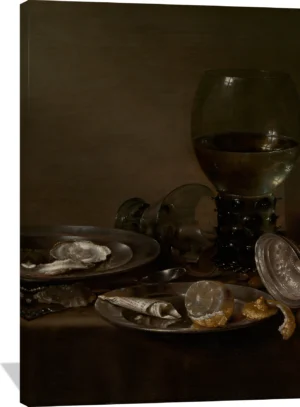
32,00 $Select options This product has multiple variants. The options may be chosen on the product pageStill Life with Oysters, a Silver Tazza, and Glassware
Willem Claesz HedaCanvas from
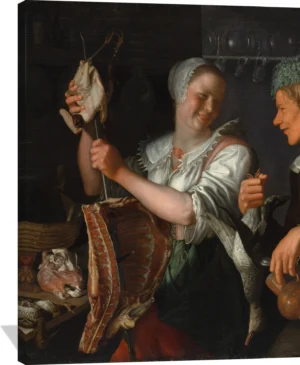
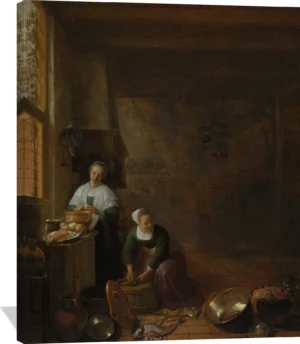
50,00 $Select options This product has multiple variants. The options may be chosen on the product pageKitchen Scene
Peter WtewaelCanvas from
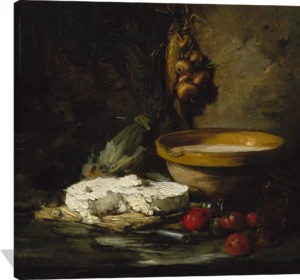
33,00 $Select options This product has multiple variants. The options may be chosen on the product pageStill Life with Cheese
Antoine VollonCanvas from
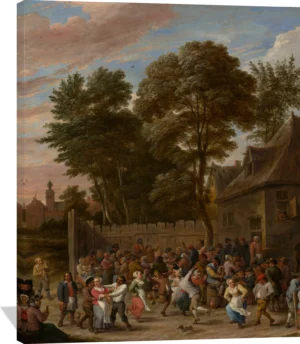
44,00 $Select options This product has multiple variants. The options may be chosen on the product pagePeasants Dancing and Feasting
David Teniers the YoungerCanvas from
32,00 $Select options This product has multiple variants. The options may be chosen on the product pageA Kitchen
Hendrick SorghCanvas from
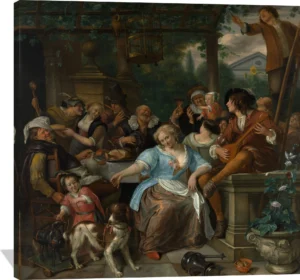
32,00 $Select options This product has multiple variants. The options may be chosen on the product pageMerry Company on a Terrace
Jan SteenCanvas from
44,00 $Select options This product has multiple variants. The options may be chosen on the product pageRustic Interior
David Ryckaert IIICanvas from
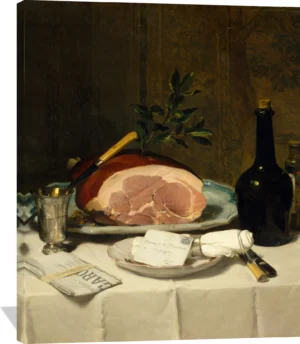
32,00 $Select options This product has multiple variants. The options may be chosen on the product pageStill Life with Ham
Philippe RousseauCanvas from
32,00 $Select options This product has multiple variants. The options may be chosen on the product pageGirl with Cherries
Marco d'OggionoCanvas from
32,00 $Select options This product has multiple variants. The options may be chosen on the product pageStill Life with a Glass and Oysters
Jan Davidsz de HeemCanvas from
32,00 $Select options This product has multiple variants. The options may be chosen on the product pagePeasant Woman Cooking by a Fireplace
Vincent van GoghCanvas from
32,00 $Select options This product has multiple variants. The options may be chosen on the product pageStill Life with Strawberries
French PainterCanvas from
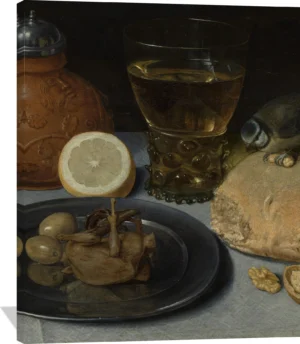
32,00 $Select options This product has multiple variants. The options may be chosen on the product pageStill Life
Georg FlegelCanvas from
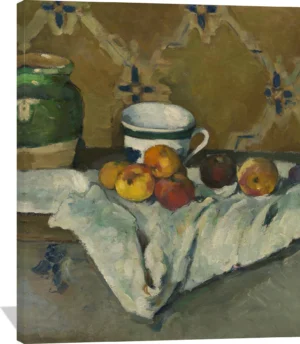
32,00 $Select options This product has multiple variants. The options may be chosen on the product pageStill Life with Jar, Cup, and Apples
Paul CézanneCanvas from
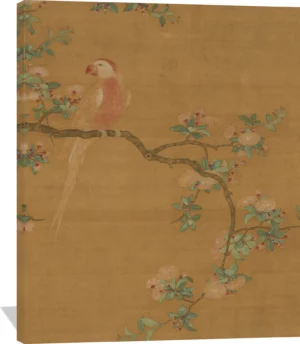
32,00 $Select options This product has multiple variants. The options may be chosen on the product pageParrot on a Pear Branch
Jin ZunnianCanvas from
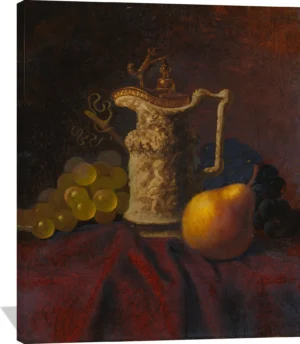
32,00 $Select options This product has multiple variants. The options may be chosen on the product pageStill Life with Ewer and Fruit
Carducius Plantagenet ReamCanvas from
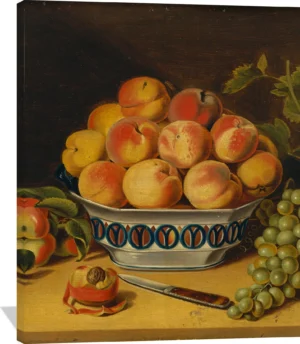
32,00 $Select options This product has multiple variants. The options may be chosen on the product pageStill Life: Peaches and Grapes
John A. WoodsideCanvas from
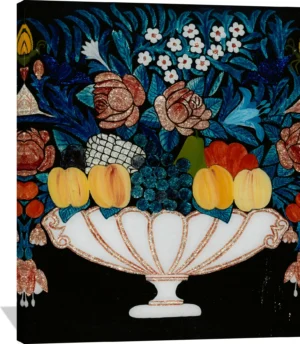
32,00 $Select options This product has multiple variants. The options may be chosen on the product pageStill Life—Flowers and Fruit in White and Pink Bowl
Canvas from
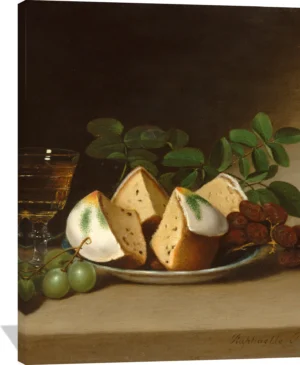
32,00 $Select options This product has multiple variants. The options may be chosen on the product pageStill Life with Cake
Raphaelle PealeCanvas from
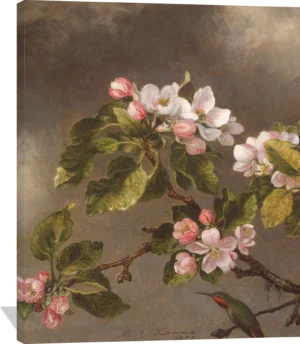
33,00 $Select options This product has multiple variants. The options may be chosen on the product pageHummingbird and Apple Blossoms
Martin Johnson HeadeCanvas from
32,00 $Select options This product has multiple variants. The options may be chosen on the product page
Explore Baroque
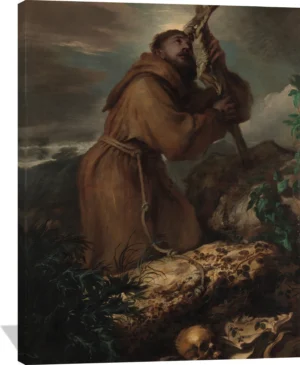
Saint Francis in Ecstasy
Giovanni Benedetto Castiglione (Il Grechetto)Canvas from
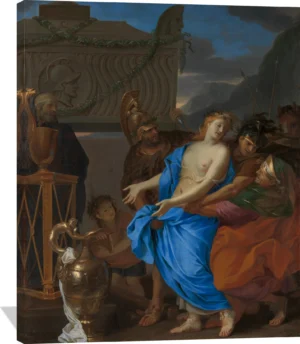
33,00 $Select options This product has multiple variants. The options may be chosen on the product pageThe Sacrifice of Polyxena
Charles Le BrunCanvas from
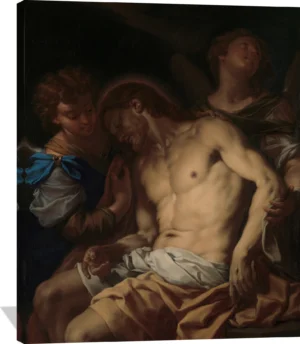
32,00 $Select options This product has multiple variants. The options may be chosen on the product pageDead Christ Supported by Angels
Francesco TrevisaniCanvas from
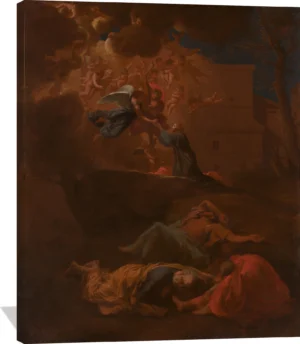
32,00 $Select options This product has multiple variants. The options may be chosen on the product pageThe Agony in the Garden
Nicolas PoussinCanvas from
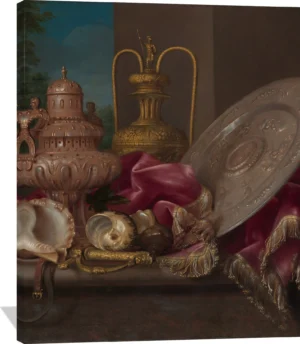
32,00 $Select options This product has multiple variants. The options may be chosen on the product pageStill Life with Silver and Gold Plate, Shells, and a Sword
Meiffren ConteCanvas from
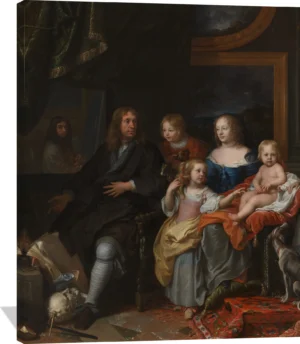
32,00 $Select options This product has multiple variants. The options may be chosen on the product pageThe Jabach Family
Charles Le BrunCanvas from
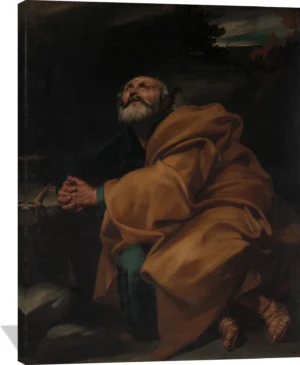
32,00 $Select options This product has multiple variants. The options may be chosen on the product pageThe Tears of Saint Peter
Jusepe de Ribera (called Lo Spagnoletto)Canvas from
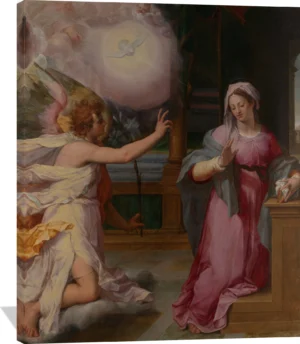
33,00 $Select options This product has multiple variants. The options may be chosen on the product pageThe Annunciation
Peter Candid (Pieter de Witte, Pietro Candido)Canvas from
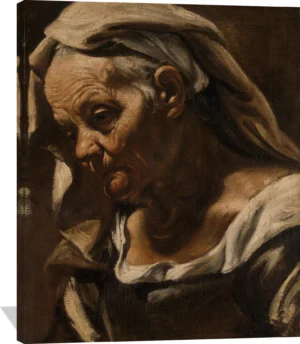
32,00 $Select options This product has multiple variants. The options may be chosen on the product pageHead of an Old Woman
Orazio BorgianniCanvas from
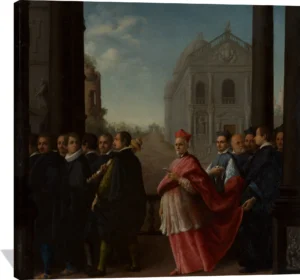
32,00 $Select options This product has multiple variants. The options may be chosen on the product pageA Cardinal’s Procession
Ottavio Leoni (Il Padovano)Canvas from
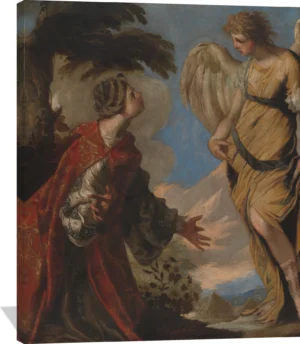
44,00 $Select options This product has multiple variants. The options may be chosen on the product pageHagar and the Angel
Francesco MaffeiCanvas from
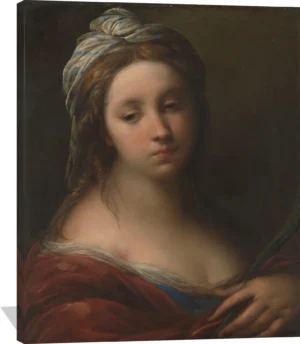
32,00 $Select options This product has multiple variants. The options may be chosen on the product pageA Female Martyr Saint
Carlo Francesco NuvoloneCanvas from
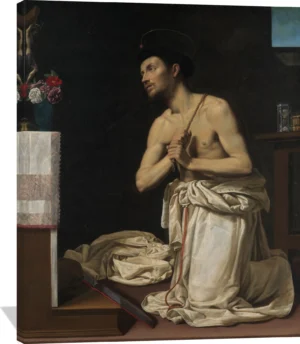
32,00 $Select options This product has multiple variants. The options may be chosen on the product pageSaint Dominic in Penitence
Filippo TarchianiCanvas from
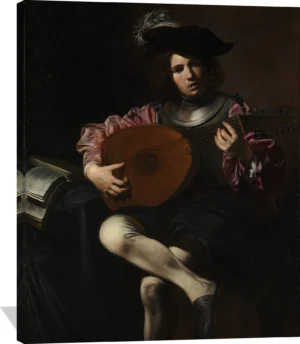
32,00 $Select options This product has multiple variants. The options may be chosen on the product pageLute Player
Valentin de BoulogneCanvas from
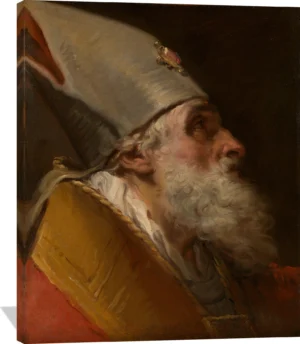
32,00 $Select options This product has multiple variants. The options may be chosen on the product pageHead of a Bishop
Gaetano GandolfiCanvas from
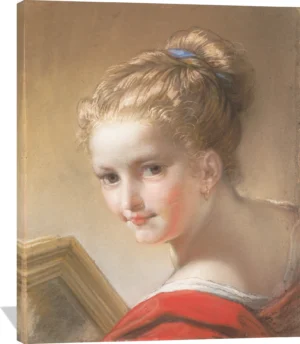
32,00 $Select options This product has multiple variants. The options may be chosen on the product pageStudy of a Girl in Red
Benedetto LutiCanvas from
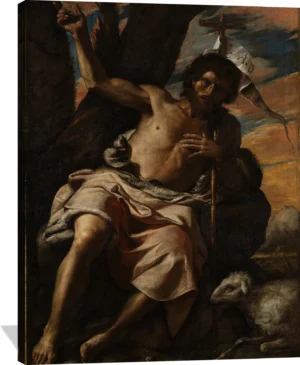
32,00 $Select options This product has multiple variants. The options may be chosen on the product pageSaint John the Baptist Preaching
Mattia Preti (Il Cavalier Calabrese)Canvas from
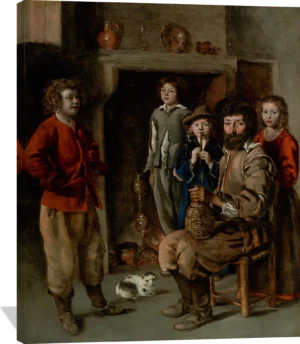
33,00 $Select options This product has multiple variants. The options may be chosen on the product pageA Peasant Family
Antoine Le NainCanvas from
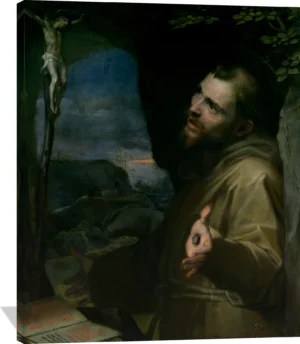
32,00 $Select options This product has multiple variants. The options may be chosen on the product pageSaint Francis
Federico BarocciCanvas from
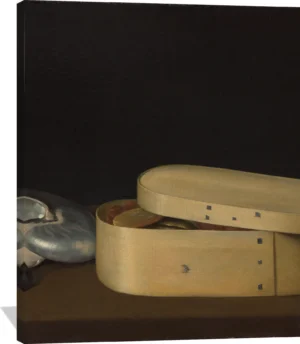
32,00 $Select options This product has multiple variants. The options may be chosen on the product pageStill Life with Shells and a Chip-Wood Box
Sebastian StoskopffCanvas from
32,00 $Select options This product has multiple variants. The options may be chosen on the product pageThe Denial of Saint Peter
Ludovico CarracciCanvas from
50,00 $Select options This product has multiple variants. The options may be chosen on the product page
Explore Fruits
Still Life with Fruit
John F. FrancisCanvas from
32,00 $Select options This product has multiple variants. The options may be chosen on the product pageStrawberry Pedlar
William P. ChappelCanvas from
50,00 $Select options This product has multiple variants. The options may be chosen on the product pageBasket of Fruit
Bartolomeo CavarozziCanvas from
32,00 $Select options This product has multiple variants. The options may be chosen on the product pageFruit and Flowers
Orsola Maddalena CacciaCanvas from
32,00 $Select options This product has multiple variants. The options may be chosen on the product pageStill Life of Grapes and Peaches
Panfilo NuvoloneCanvas from
32,00 $Select options This product has multiple variants. The options may be chosen on the product pageStill Life with Flowers and Prickly Pears
Auguste RenoirCanvas from
32,00 $Select options This product has multiple variants. The options may be chosen on the product pageStill Life with Teapot and Fruit
Paul GauguinCanvas from
33,00 $Select options This product has multiple variants. The options may be chosen on the product pageDish of Apples
Paul CézanneCanvas from
32,00 $Select options This product has multiple variants. The options may be chosen on the product pageAsters and Fruit on a Table
Henri Fantin-LatourCanvas from
44,00 $Select options This product has multiple variants. The options may be chosen on the product pageStill Life with Peaches
Auguste RenoirCanvas from
32,00 $Select options This product has multiple variants. The options may be chosen on the product pageStill Life with Peaches and Grapes
Auguste RenoirCanvas from
32,00 $Select options This product has multiple variants. The options may be chosen on the product pageStill Life with Apples and Pitcher
Camille PissarroCanvas from
32,00 $Select options This product has multiple variants. The options may be chosen on the product pageThe Afternoon Meal (La Merienda)
Luis MeléndezCanvas from
33,00 $Select options This product has multiple variants. The options may be chosen on the product pageThe Rest on the Flight into Egypt
Jan MassysCanvas from
32,00 $Select options This product has multiple variants. The options may be chosen on the product pageStrawberries
Edouard ManetCanvas from
32,00 $Select options This product has multiple variants. The options may be chosen on the product pageThe Brioche
Edouard ManetCanvas from
32,00 $Select options This product has multiple variants. The options may be chosen on the product pageYoung Woman Peeling Apples
Nicolaes MaesCanvas from
32,00 $Select options This product has multiple variants. The options may be chosen on the product pageStill Life with Fruit, Glassware, and a Wanli Bowl
Willem KalfCanvas from
32,00 $Select options This product has multiple variants. The options may be chosen on the product pagePomegranates and Other Fruit in a Landscape
Abraham BrueghelCanvas from
32,00 $Select options This product has multiple variants. The options may be chosen on the product pageStill Life: A Banqueting Scene
Jan Davidsz de HeemCanvas from
32,00 $Select options This product has multiple variants. The options may be chosen on the product pageA Vase of Flowers
Margareta HavermanCanvas from
32,00 $Select options This product has multiple variants. The options may be chosen on the product page