
Mrs. George Horsley (Charlotte Mary Talbot, died 1828)
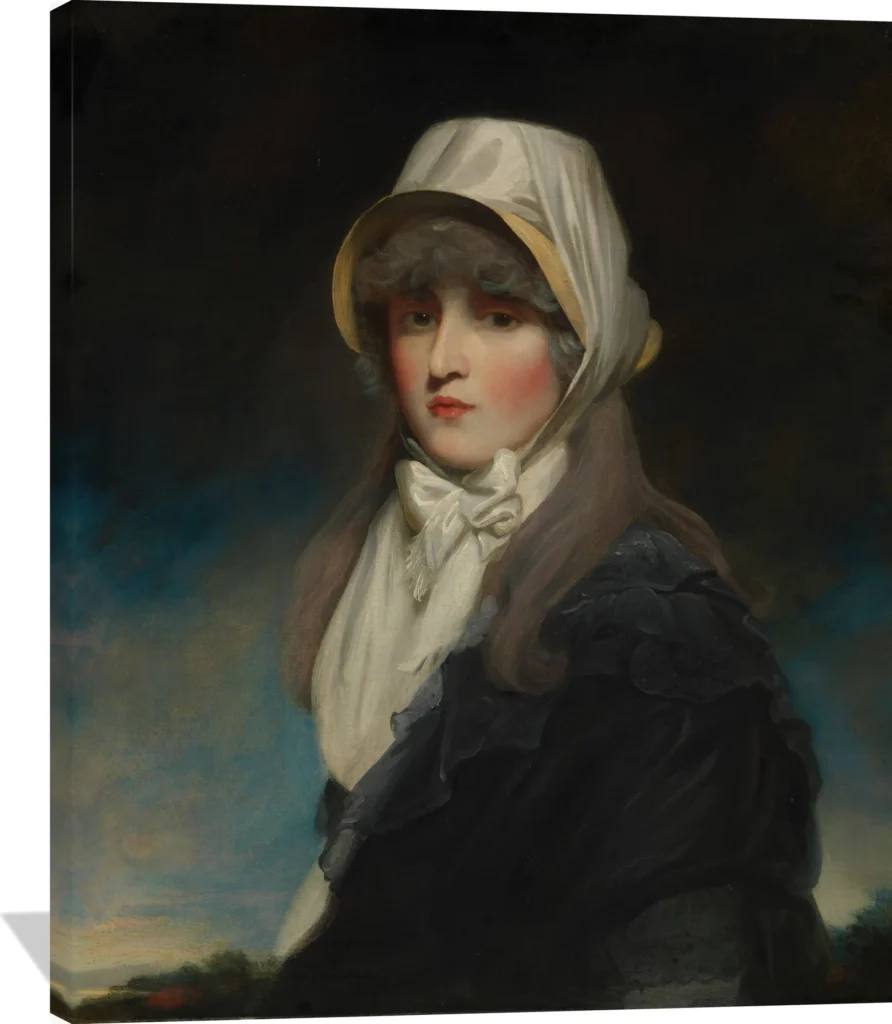
The John Westbrooke Chandler Mrs. George Horsley (Charlotte Mary Talbot, died 1828) canvas captures quiet dignity and refined grace in soft, painterly tones. Subtle hues of ivory, charcoal, and muted blue create a timeless balance between light and shadow, highlighting the sitter’s serene expression and elegant attire. The portrait’s classical composition and gentle realism evoke the sophistication of late 18th-century British portraiture.
This exquisite wall art brings a sense of calm and heritage to any interior. Ideal for a study, living room, or entryway, this canvas print adds depth, warmth, and a touch of historic charm to contemporary or traditional spaces alike.
John Westbrooke Chandler (1763?–1807), a British artist active in Edinburgh, is recognized for his refined portraiture and contributions to late‑18th‑century British painting. His work reflects the transitional moment between the restrained elegance of earlier Georgian portraiture and the more expressive tendencies that emerged toward the turn of the century.
Artistic Style
Chandler’s portraits are distinguished by their measured composition, subtle modeling of the face, and an understated palette that lends his sitters a quiet dignity. He favored clarity and balance over flourish, often emphasizing character through gentle highlights and carefully rendered features. This approach places him firmly within the refined British portrait tradition, yet his attentive psychological nuance sets his work apart.
Subjects and Themes
Chandler primarily portrayed members of the British and Scottish middle and upper classes, capturing both social stature and individual temperament. His subjects include academics, professionals, and families seeking representation that conveyed respectability without excess. Although best known for portraiture, he occasionally produced figure studies and commissions that echoed the period’s growing interest in personal identity and moral sentiment.
Significance
Working during a culturally dynamic era in Edinburgh, Chandler contributed to the city’s flourishing artistic scene at a time when Scottish intellectual and creative life was gaining prominence. His paintings offer insight into the people who shaped this period and remain valued for their blend of restraint and expressiveness. Today, Chandler is appreciated for his role in shaping the evolving language of British portraiture and for his ability to reveal the individuality of his sitters through elegant precision and quiet emotional depth.
Trust & policies
- 🚚 Free tracked shipping to 45+ countries. Local import duties or taxes may apply in some destinations.
- 🎨 Made-to-order, printed close to your delivery location
- 🛡️ If damaged, defective, or misprinted: free replacement or refund
- 🌍 Printed in US/CA/EU/UK/AU based on delivery location
- 💎 Acid-free, fade-resistant canvas with solid wood stretcher bars
- 🖼️ Optional pine floating frames in white, black, or brown
- 🪝 Ready to hang — hardware pre-installed