Artistic Style
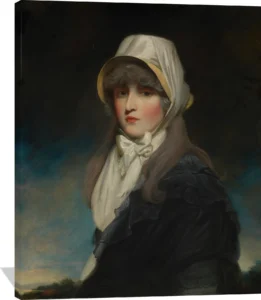
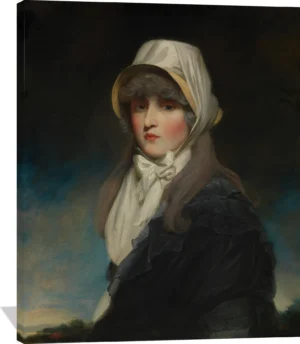
Chandler’s portraits are distinguished by their measured composition, subtle modeling of the face, and an understated palette that lends his sitters a quiet dignity. He favored clarity and balance over flourish, often emphasizing character through gentle highlights and carefully rendered features. This approach places him firmly within the refined British portrait tradition, yet his attentive psychological nuance sets his work apart.
Subjects and Themes
Chandler primarily portrayed members of the British and Scottish middle and upper classes, capturing both social stature and individual temperament. His subjects include academics, professionals, and families seeking representation that conveyed respectability without excess. Although best known for portraiture, he occasionally produced figure studies and commissions that echoed the period’s growing interest in personal identity and moral sentiment.
Significance
Working during a culturally dynamic era in Edinburgh, Chandler contributed to the city’s flourishing artistic scene at a time when Scottish intellectual and creative life was gaining prominence. His paintings offer insight into the people who shaped this period and remain valued for their blend of restraint and expressiveness. Today, Chandler is appreciated for his role in shaping the evolving language of British portraiture and for his ability to reveal the individuality of his sitters through elegant precision and quiet emotional depth.