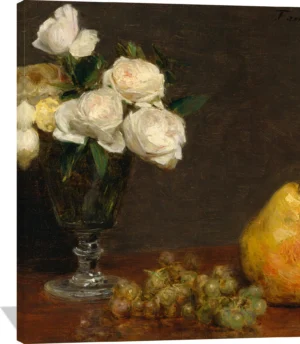
Still Life with Fruit
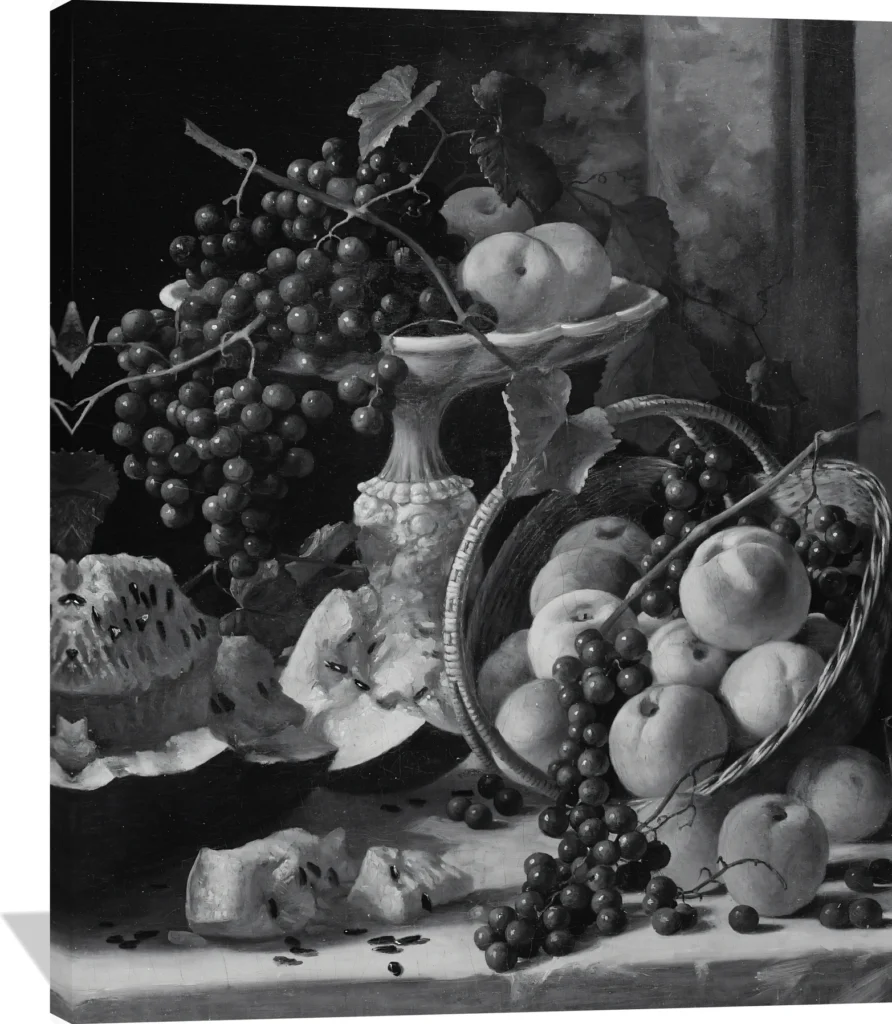
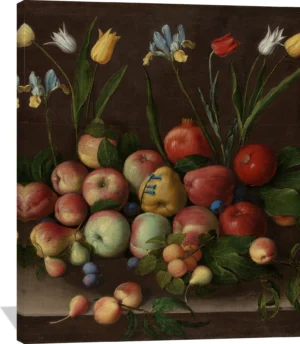
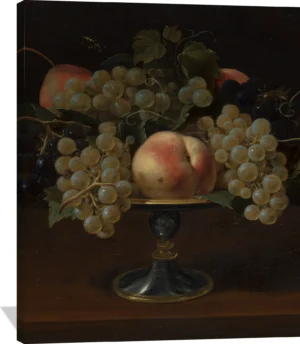
The John F. Francis Still Life with Fruit canvas captures the timeless elegance of 19th-century realism. A rich arrangement of grapes, peaches, and melon rests on a luminous tabletop, rendered in warm golden tones, deep reds, and soft greens that evoke abundance and quiet sophistication. The balanced composition and gentle light create a serene, inviting mood that draws the viewer in.
This exquisite Still Life with Fruit wall art brings a touch of classical refinement to any space. Perfect for a dining room, study, or entryway, this canvas print adds depth, texture, and a sense of cultivated grace to your home décor.
John F. Francis (1808–1886) was an American painter celebrated for his meticulously rendered still lifes. Active during the mid‑nineteenth century, he became particularly admired for his sumptuous depictions of food and table settings, works that exemplified the growing appreciation for domestic abundance in American art.
Artistic Style
Francis is best known for his luminous still-life compositions, characterized by balanced arrangements, precise draftsmanship, and an almost tactile clarity. His palette often featured warm tonalities that highlighted the gleam of glassware, the softness of fruit, and the textural richness of baked goods. This commitment to visual harmony and detail placed him among the notable American practitioners of still-life realism.
Typical Subjects
He frequently portrayed desserts, fruit platters, and elaborate table spreads with an inviting sense of immediacy. Pie, melons, grapes, and wine glasses recur throughout his work, unified by a quiet elegance that made his paintings both decorative and evocative. Works such as Dessert Still Life capture the sensuous appeal and domestic ritual of shared meals, a theme that resonated strongly with nineteenth-century audiences.
Legacy and Significance
Francis’s dedication to still-life painting helped elevate the genre in the United States, bringing attention to its expressive potential at a time when history painting and portraiture dominated the art scene. His ability to transform everyday objects into subjects of contemplation reflects a broader cultural moment in which American artists embraced both refinement and realism. Today, his paintings remain appreciated for their quiet beauty, technical mastery, and their contribution to the development of the American still-life tradition.
Trust & policies
- 🚚 Free worldwide shipping
- 🔁 30-day returns (change of mind)
- 🛡️ If damaged/defective/misprinted: free replacement or full refund
- 🌍 Printed in US/CA/EU/UK/AU (based on delivery location)
- 💎 Made to order using acid-free, fade-resistant canvas
- 💎 Solid wood stretcher bars • Pine floating frames
- 🪝 Ready to hang

A Waterfall, Moonlight
Ralph Albert BlakelockCanvas from
50,00 $Select options This product has multiple variants. The options may be chosen on the product pageLeete Farm, West Claremont, New Hampshire
Francis AlexanderCanvas from
50,00 $Select options This product has multiple variants. The options may be chosen on the product pageShipwreck off Nantucket (Wreck off Nantucket after a Storm)
William BradfordCanvas from
50,00 $Select options This product has multiple variants. The options may be chosen on the product pageJames Badger
Joseph BadgerCanvas from
32,00 $Select options This product has multiple variants. The options may be chosen on the product pageAn Indian Encampment
Ralph Albert BlakelockCanvas from
44,00 $Select options This product has multiple variants. The options may be chosen on the product pageThe Pipe Dance
Ralph Albert BlakelockCanvas from
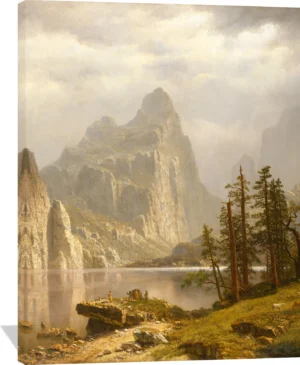
50,00 $Select options This product has multiple variants. The options may be chosen on the product pageMerced River, Yosemite Valley
Albert BierstadtCanvas from
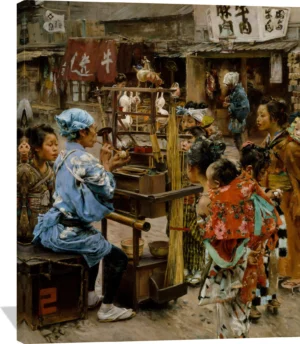
33,00 $Select options This product has multiple variants. The options may be chosen on the product pageThe Ameya
Robert Frederick BlumCanvas from
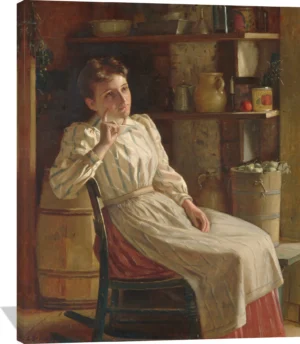
32,00 $Select options This product has multiple variants. The options may be chosen on the product pageMeditation
John George BrownCanvas from
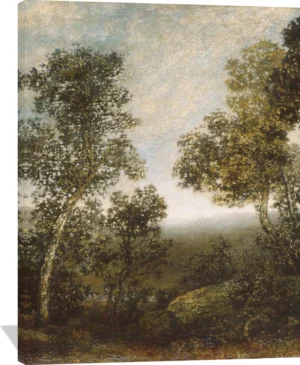
32,00 $Select options This product has multiple variants. The options may be chosen on the product pageLandscape
Ralph Albert BlakelockCanvas from
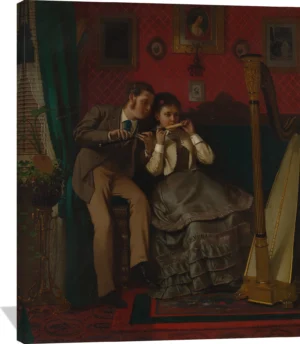
33,00 $Select options This product has multiple variants. The options may be chosen on the product pageThe Music Lesson
John George BrownCanvas from
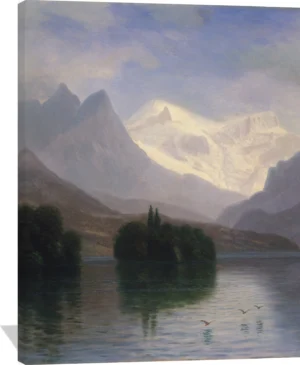
32,00 $Select options This product has multiple variants. The options may be chosen on the product pageMountain Scene
Albert BierstadtCanvas from
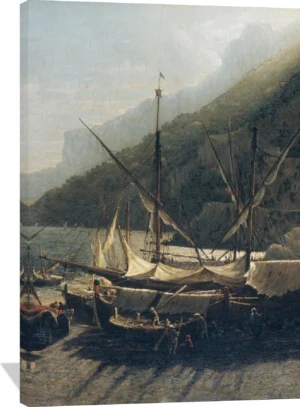
33,00 $Select options This product has multiple variants. The options may be chosen on the product pageView at Amalfi, Bay of Salerno
George Loring BrownCanvas from
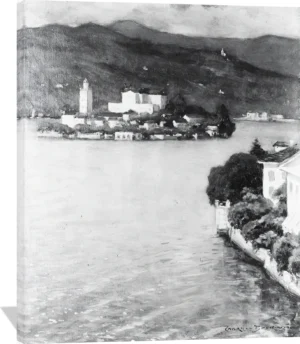
50,00 $Select options This product has multiple variants. The options may be chosen on the product pageLake of Orta
J. Carroll BeckwithCanvas from
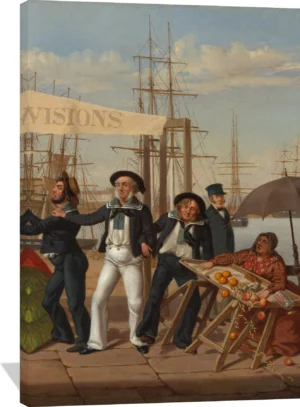
32,00 $Select options This product has multiple variants. The options may be chosen on the product pageAfter a Long Cruise
John CarlinCanvas from
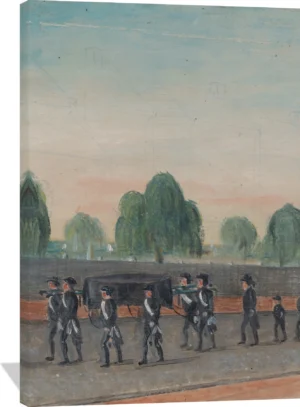
50,00 $Select options This product has multiple variants. The options may be chosen on the product pageAdult Funeral Procession
William P. ChappelCanvas from
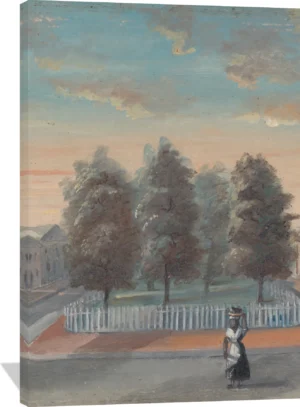
50,00 $Select options This product has multiple variants. The options may be chosen on the product pageBaked Pears in Duane Park
William P. ChappelCanvas from
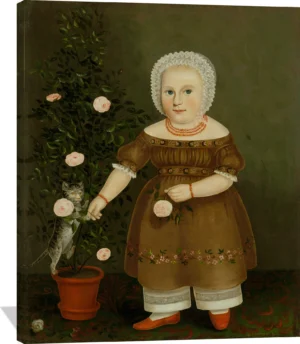
50,00 $Select options This product has multiple variants. The options may be chosen on the product pageEmma Homan
John BradleyCanvas from
32,00 $Select options This product has multiple variants. The options may be chosen on the product pageWalt Whitman
John White AlexanderCanvas from
32,00 $Select options This product has multiple variants. The options may be chosen on the product pageView from the Artist’s Window, Grove Street
Robert Frederick BlumCanvas from
32,00 $Select options This product has multiple variants. The options may be chosen on the product pageSamuel Cutts
Joseph BlackburnCanvas from
32,00 $Select options This product has multiple variants. The options may be chosen on the product pageAn Arctic Summer: Boring Through the Pack in Melville Bay
William BradfordCanvas from
50,00 $Select options This product has multiple variants. The options may be chosen on the product page
Explore Still Life
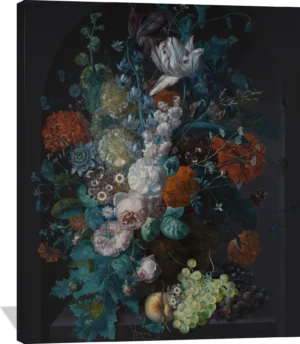
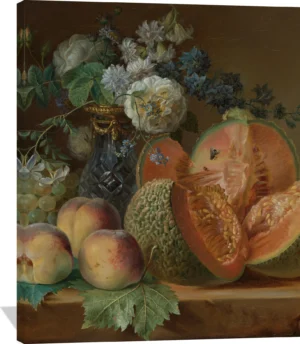
Still Life with a Vase of Flowers, Melon, Peaches, and Grapes
Charlotte Eustache Sophie de Fuligny Damas, marquise de GrollierCanvas from
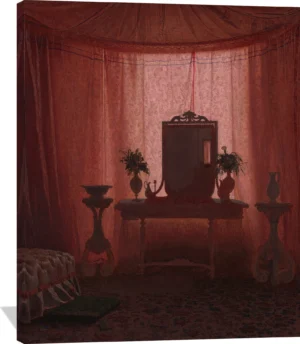
32,00 $Select options This product has multiple variants. The options may be chosen on the product pageA Bedroom in Bernstorff Palace near Copenhagen
Johan Vilhelm GertnerCanvas from
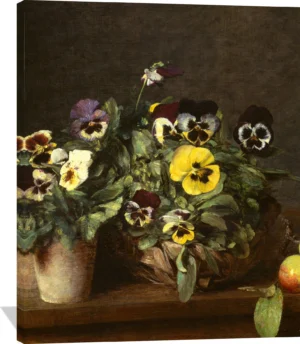
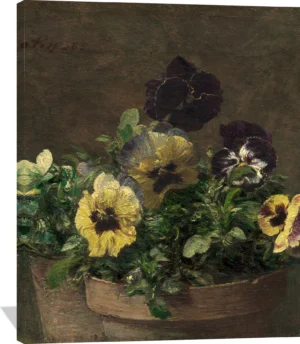
32,00 $Select options This product has multiple variants. The options may be chosen on the product pagePotted Pansies
Henri Fantin-LatourCanvas from
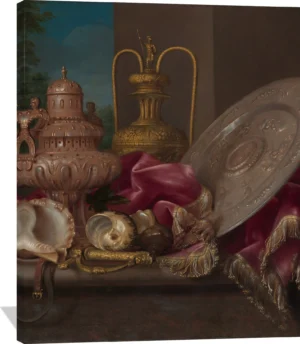
32,00 $Select options This product has multiple variants. The options may be chosen on the product pageStill Life with Silver and Gold Plate, Shells, and a Sword
Meiffren ConteCanvas from
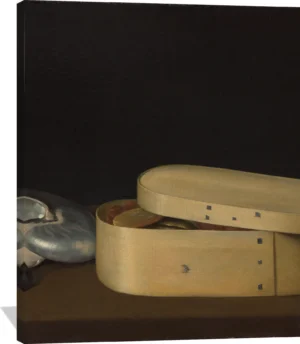
32,00 $Select options This product has multiple variants. The options may be chosen on the product pageStill Life with Shells and a Chip-Wood Box
Sebastian StoskopffCanvas from
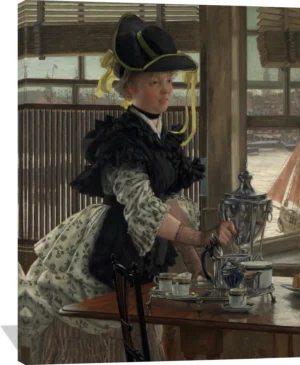
32,00 $Select options This product has multiple variants. The options may be chosen on the product pageTea
James TissotCanvas from
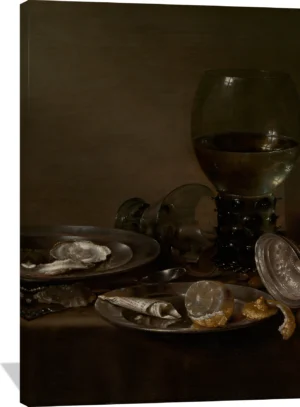
33,00 $Select options This product has multiple variants. The options may be chosen on the product pageStill Life with Oysters, a Silver Tazza, and Glassware
Willem Claesz HedaCanvas from
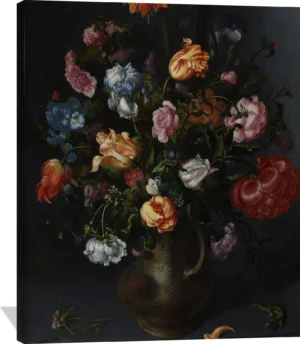
50,00 $Select options This product has multiple variants. The options may be chosen on the product pageA Vase with Flowers
Jacob VosmaerCanvas from
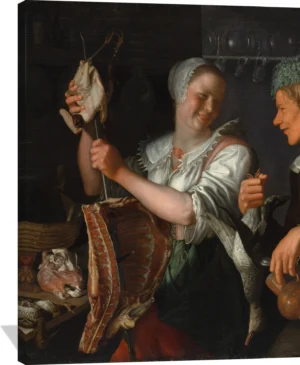
32,00 $Select options This product has multiple variants. The options may be chosen on the product pageKitchen Scene
Peter WtewaelCanvas from
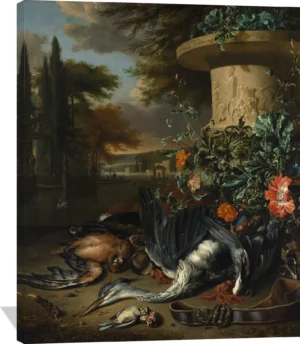
33,00 $Select options This product has multiple variants. The options may be chosen on the product pageGamepiece with a Dead Heron
Jan WeenixCanvas from
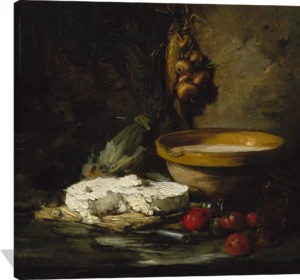
32,00 $Select options This product has multiple variants. The options may be chosen on the product pageStill Life with Cheese
Antoine VollonCanvas from
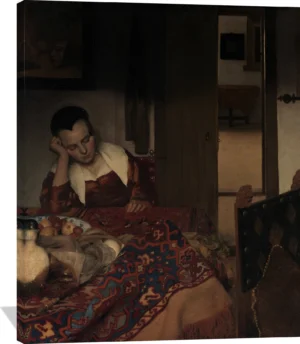
44,00 $Select options This product has multiple variants. The options may be chosen on the product pageA Maid Asleep
Johannes VermeerCanvas from
32,00 $Select options This product has multiple variants. The options may be chosen on the product pageThe Billiard Room
Nicolas Antoine TaunayCanvas from
32,00 $Select options This product has multiple variants. The options may be chosen on the product pageA Kitchen
Hendrick SorghCanvas from
32,00 $Select options This product has multiple variants. The options may be chosen on the product pageRustic Interior
David Ryckaert IIICanvas from
32,00 $Select options This product has multiple variants. The options may be chosen on the product pageStill Life with a Glass and Oysters
Jan Davidsz de HeemCanvas from
32,00 $Select options This product has multiple variants. The options may be chosen on the product pageBroken Eggs
Jean-Baptiste GreuzeCanvas from
32,00 $Select options This product has multiple variants. The options may be chosen on the product pageIrises
Vincent van GoghCanvas from
32,00 $Select options This product has multiple variants. The options may be chosen on the product pageSunflowers
Vincent van GoghCanvas from
33,00 $Select options This product has multiple variants. The options may be chosen on the product pageStill Life with Strawberries
French PainterCanvas from
32,00 $Select options This product has multiple variants. The options may be chosen on the product pageStill Life
Georg FlegelCanvas from
32,00 $Select options This product has multiple variants. The options may be chosen on the product page
Explore Still Life
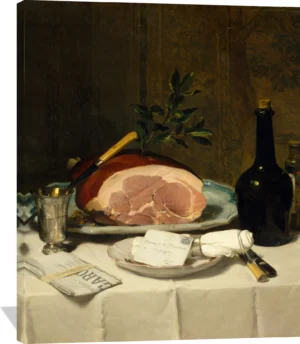
Still Life with Ham
Philippe RousseauCanvas from
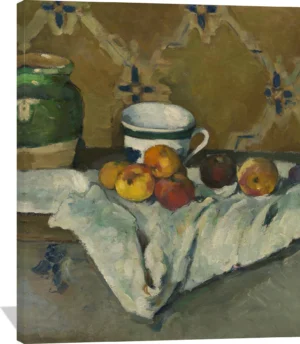
32,00 $Select options This product has multiple variants. The options may be chosen on the product pageStill Life with Jar, Cup, and Apples
Paul CézanneCanvas from
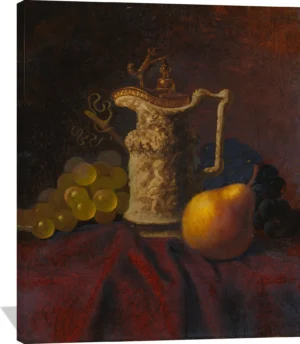
32,00 $Select options This product has multiple variants. The options may be chosen on the product pageStill Life with Ewer and Fruit
Carducius Plantagenet ReamCanvas from
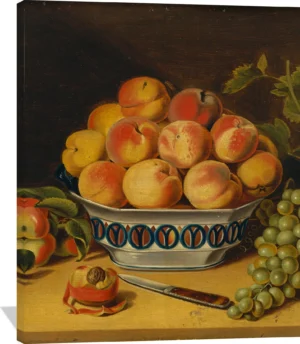
32,00 $Select options This product has multiple variants. The options may be chosen on the product pageStill Life: Peaches and Grapes
John A. WoodsideCanvas from
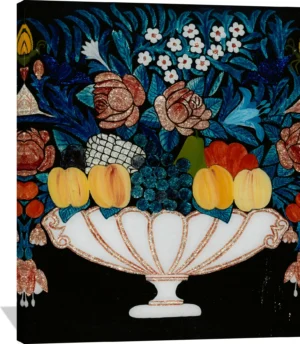
32,00 $Select options This product has multiple variants. The options may be chosen on the product pageStill Life—Flowers and Fruit in White and Pink Bowl
Canvas from
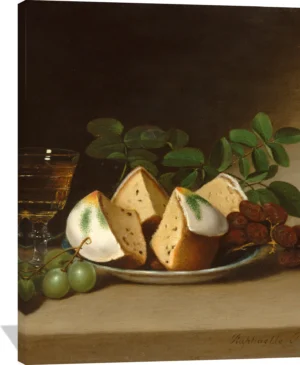
32,00 $Select options This product has multiple variants. The options may be chosen on the product pageStill Life with Cake
Raphaelle PealeCanvas from
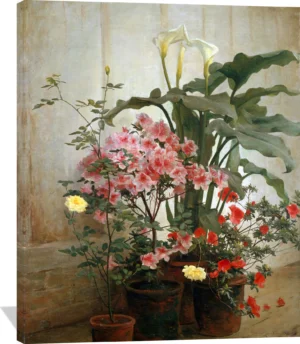
33,00 $Select options This product has multiple variants. The options may be chosen on the product pageSide of a Greenhouse
George Cochran LambdinCanvas from
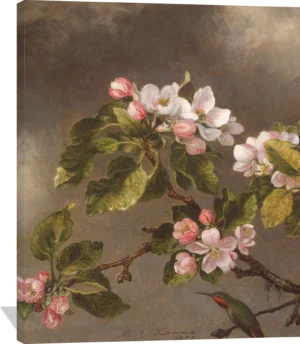
32,00 $Select options This product has multiple variants. The options may be chosen on the product pageHummingbird and Apple Blossoms
Martin Johnson HeadeCanvas from
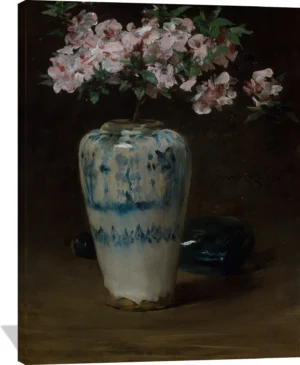
32,00 $Select options This product has multiple variants. The options may be chosen on the product pagePink Azalea—Chinese Vase
William Merritt ChaseCanvas from
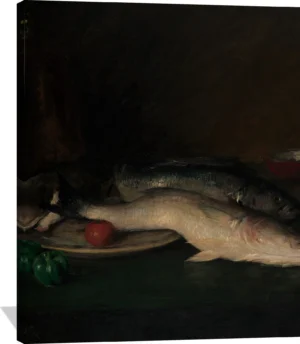
33,00 $Select options This product has multiple variants. The options may be chosen on the product pageStill Life: Fish
William Merritt ChaseCanvas from
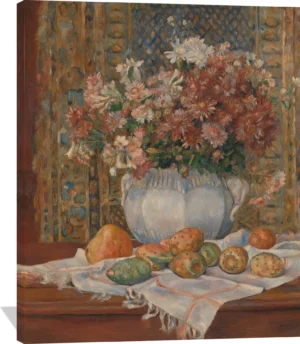
32,00 $Select options This product has multiple variants. The options may be chosen on the product pageStill Life with Flowers and Prickly Pears
Auguste RenoirCanvas from
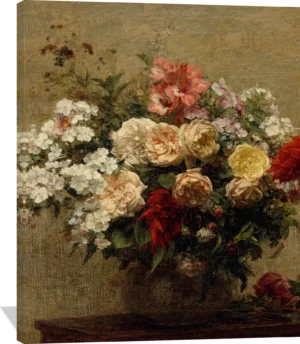
32,00 $Select options This product has multiple variants. The options may be chosen on the product pageSummer Flowers
Henri Fantin-LatourCanvas from
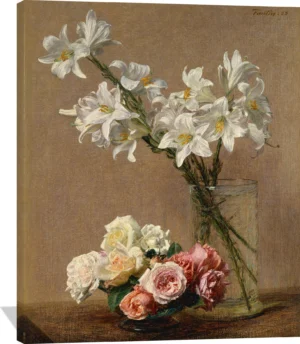
32,00 $Select options This product has multiple variants. The options may be chosen on the product pageRoses and Lilies
Henri Fantin-LatourCanvas from
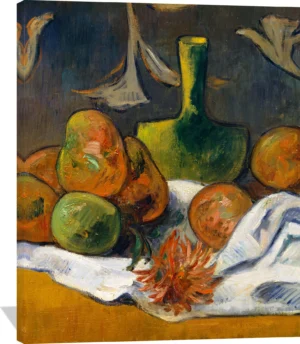
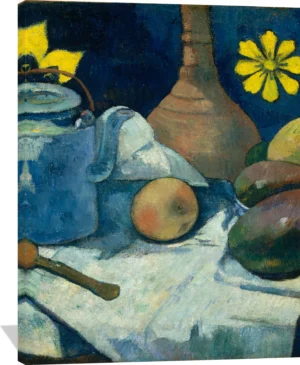
32,00 $Select options This product has multiple variants. The options may be chosen on the product pageStill Life with Teapot and Fruit
Paul GauguinCanvas from
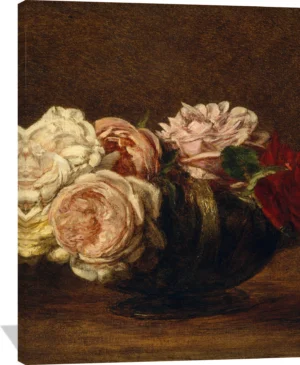
33,00 $Select options This product has multiple variants. The options may be chosen on the product pageRoses in a Bowl
Henri Fantin-LatourCanvas from
33,00 $Select options This product has multiple variants. The options may be chosen on the product pagePansies
Henri Fantin-LatourCanvas from
32,00 $Select options This product has multiple variants. The options may be chosen on the product pageDish of Apples
Paul CézanneCanvas from
32,00 $Select options This product has multiple variants. The options may be chosen on the product pageAsters and Fruit on a Table
Henri Fantin-LatourCanvas from
44,00 $Select options This product has multiple variants. The options may be chosen on the product pageStill Life with Peaches
Auguste RenoirCanvas from
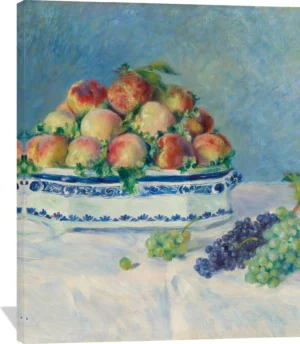
32,00 $Select options This product has multiple variants. The options may be chosen on the product pageStill Life with Peaches and Grapes
Auguste RenoirCanvas from
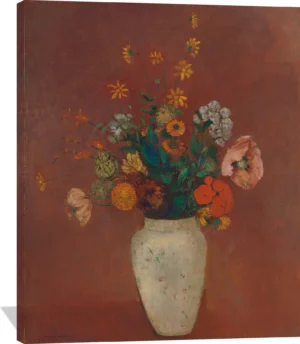
32,00 $Select options This product has multiple variants. The options may be chosen on the product pageBouquet in a Chinese Vase
Odilon RedonCanvas from
32,00 $Select options This product has multiple variants. The options may be chosen on the product page
Explore Fruits
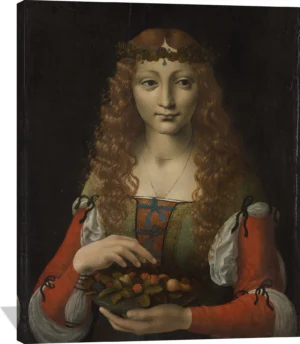
Girl with Cherries
Marco d'OggionoCanvas from
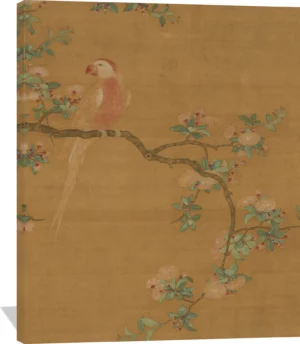
32,00 $Select options This product has multiple variants. The options may be chosen on the product pageParrot on a Pear Branch
Jin ZunnianCanvas from
32,00 $Select options This product has multiple variants. The options may be chosen on the product pageStrawberry Pedlar
William P. ChappelCanvas from
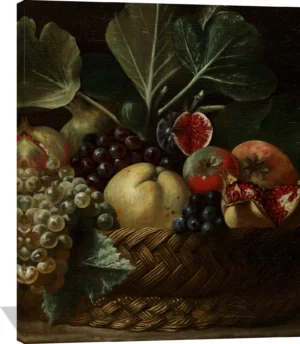
50,00 $Select options This product has multiple variants. The options may be chosen on the product pageBasket of Fruit
Bartolomeo CavarozziCanvas from
32,00 $Select options This product has multiple variants. The options may be chosen on the product pageFruit and Flowers
Orsola Maddalena CacciaCanvas from
32,00 $Select options This product has multiple variants. The options may be chosen on the product pageStill Life of Grapes and Peaches
Panfilo NuvoloneCanvas from
32,00 $Select options This product has multiple variants. The options may be chosen on the product pageGrape Vines and Fruit, with Three Wagtails
Bartolomeo CavarozziCanvas from
50,00 $Select options This product has multiple variants. The options may be chosen on the product pageStill Life with Apples and Pitcher
Camille PissarroCanvas from
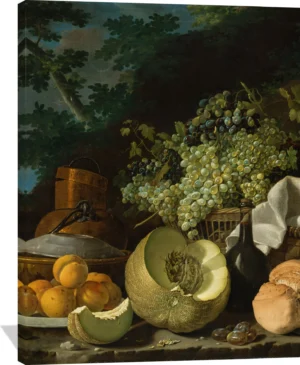
32,00 $Select options This product has multiple variants. The options may be chosen on the product pageThe Afternoon Meal (La Merienda)
Luis MeléndezCanvas from
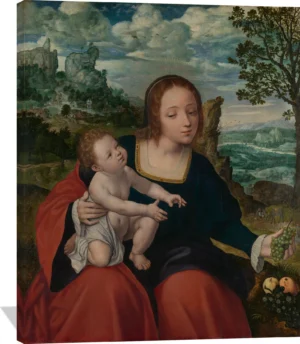
33,00 $Select options This product has multiple variants. The options may be chosen on the product pageThe Rest on the Flight into Egypt
Jan MassysCanvas from
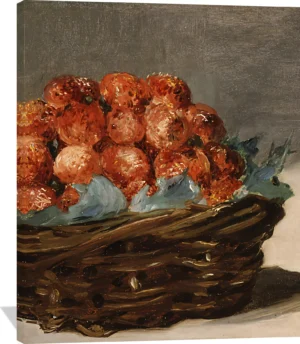
32,00 $Select options This product has multiple variants. The options may be chosen on the product pageStrawberries
Edouard ManetCanvas from
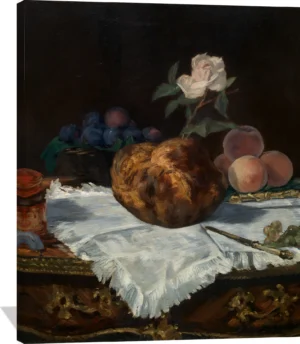
32,00 $Select options This product has multiple variants. The options may be chosen on the product pageThe Brioche
Edouard ManetCanvas from
32,00 $Select options This product has multiple variants. The options may be chosen on the product pageYoung Woman Peeling Apples
Nicolaes MaesCanvas from
32,00 $Select options This product has multiple variants. The options may be chosen on the product pageStill Life with Fruit, Glassware, and a Wanli Bowl
Willem KalfCanvas from
32,00 $Select options This product has multiple variants. The options may be chosen on the product pagePomegranates and Other Fruit in a Landscape
Abraham BrueghelCanvas from
32,00 $Select options This product has multiple variants. The options may be chosen on the product pageStill Life: A Banqueting Scene
Jan Davidsz de HeemCanvas from
32,00 $Select options This product has multiple variants. The options may be chosen on the product pageA Vase of Flowers
Margareta HavermanCanvas from
32,00 $Select options This product has multiple variants. The options may be chosen on the product pageStill Life
Paul GauguinCanvas from
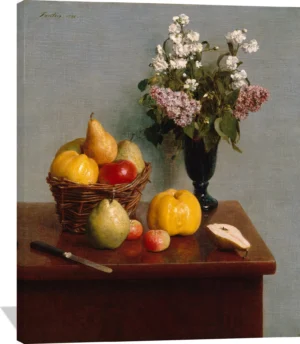
32,00 $Select options This product has multiple variants. The options may be chosen on the product pageStill Life with Flowers and Fruit
Henri Fantin-LatourCanvas from
32,00 $Select options This product has multiple variants. The options may be chosen on the product pageStill Life with Pansies
Henri Fantin-LatourCanvas from
32,00 $Select options This product has multiple variants. The options may be chosen on the product pageStill Life with Roses and Fruit
Henri Fantin-LatourCanvas from
32,00 $Select options This product has multiple variants. The options may be chosen on the product page