Still Life with Apples and Pears
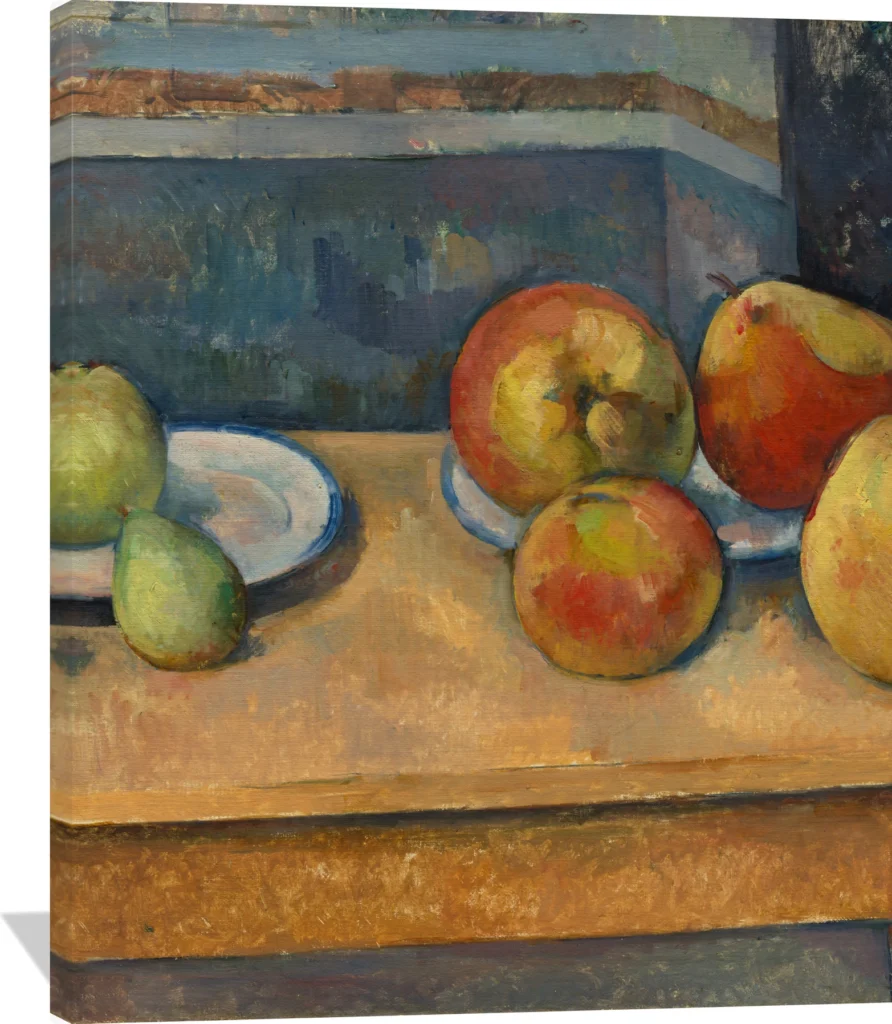
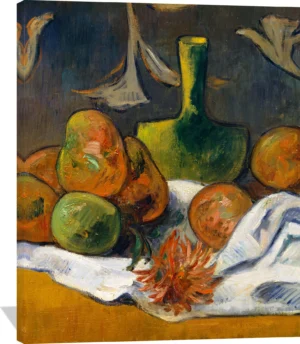
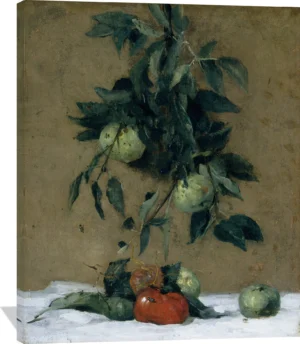
The Paul Cézanne Still Life with Apples and Pears canvas captures the quiet harmony of everyday beauty through masterful composition and color. Warm ochres, soft greens, and muted blues blend in Cézanne’s signature brushwork, creating a balanced tableau of fruit and form that feels both timeless and modern. Each stroke reveals the artist’s exploration of light and structure, inviting calm reflection.
This elegant canvas print brings a touch of French sophistication to any setting—perfect for a living room, study, or entryway. Its serene palette and painterly depth make it a refined focal point that complements both classic and contemporary interiors.
Paul Cézanne (1839–1906), born and based in Aix-en-Provence, was a pioneering French painter whose vision bridged nineteenth‑century Impressionism and the emergence of modern art. Revered for his deliberate, analytical approach to form and color, he transformed everyday subjects into enduring studies of structure and perception.
Artistic Style
Cézanne’s mature style is defined by sculptural brushwork, subtly shifting color planes, and a steadfast pursuit of order within nature. His methodical layering of color created a sense of weight and volume that departed from the spontaneity of the Impressionists. This rigorous approach laid essential groundwork for later movements, influencing artists from the Fauves to the Cubists.
Subjects and Themes
Whether depicting the sunlit hills of Provence, a humble arrangement of fruit, or the iconic silhouette of Mont Sainte‑Victoire, Cézanne emphasized stability and underlying geometry. His still lifes, including celebrated compositions such as Still Life with Apples, exemplify his ability to elevate familiar objects into complex meditations on space, balance, and perception.
Legacy
Widely regarded as the father of modern painting, Cézanne reshaped artistic thinking by insisting that visual reality could be reconstructed through form and color alone. His relentless pursuit of structure and his uniquely architectural vision of nature have secured his place as one of art history’s most influential innovators. Today, his work remains a touchstone for its quiet intensity, its intellectual rigor, and its profound impact on the evolution of modern art.
Trust & policies
- 🚚 Free worldwide shipping
- 🔁 30-day returns (change of mind)
- 🛡️ If damaged/defective/misprinted: free replacement or full refund
- 🌍 Printed in US/CA/EU/UK/AU (based on delivery location)
- 💎 Made to order using acid-free, fade-resistant canvas
- 💎 Solid wood stretcher bars • Pine floating frames
- 🪝 Ready to hang

An Indian Encampment
Ralph Albert BlakelockCanvas from
44,00 $Select options This product has multiple variants. The options may be chosen on the product pageJames Badger
Joseph BadgerCanvas from
32,00 $Select options This product has multiple variants. The options may be chosen on the product pageLeete Farm, West Claremont, New Hampshire
Francis AlexanderCanvas from
50,00 $Select options This product has multiple variants. The options may be chosen on the product pageView at Amalfi, Bay of Salerno
George Loring BrownCanvas from
50,00 $Select options This product has multiple variants. The options may be chosen on the product pageLake of Orta
J. Carroll BeckwithCanvas from
32,00 $Select options This product has multiple variants. The options may be chosen on the product pageA Waterfall, Moonlight
Ralph Albert BlakelockCanvas from
50,00 $Select options This product has multiple variants. The options may be chosen on the product pageWalt Whitman
John White AlexanderCanvas from
32,00 $Select options This product has multiple variants. The options may be chosen on the product pageSamuel Cutts
Joseph BlackburnCanvas from
32,00 $Select options This product has multiple variants. The options may be chosen on the product pageStudy in Green and Black
John White AlexanderCanvas from
32,00 $Select options This product has multiple variants. The options may be chosen on the product pageCorn Husking
David Gilmour BlytheCanvas from
33,00 $Select options This product has multiple variants. The options may be chosen on the product pageRepose
John White AlexanderCanvas from
32,00 $Select options This product has multiple variants. The options may be chosen on the product pageBaked Pears in Duane Park
William P. ChappelCanvas from
50,00 $Select options This product has multiple variants. The options may be chosen on the product pagePhilip Van Cortlandt
Ezra AmesCanvas from
32,00 $Select options This product has multiple variants. The options may be chosen on the product pageEleanor Hardy Bunker
Dennis Miller BunkerCanvas from
32,00 $Select options This product has multiple variants. The options may be chosen on the product pageThe Music Lesson
John George BrownCanvas from
32,00 $Select options This product has multiple variants. The options may be chosen on the product pageFur Traders Descending the Missouri
George Caleb BinghamCanvas from
32,00 $Select options This product has multiple variants. The options may be chosen on the product pageShipwreck off Nantucket (Wreck off Nantucket after a Storm)
William BradfordCanvas from
50,00 $Select options This product has multiple variants. The options may be chosen on the product pageJanet Halleck Drake
Henry InmanCanvas from
32,00 $Select options This product has multiple variants. The options may be chosen on the product pageThe Way They Live
Thomas AnshutzCanvas from
33,00 $Select options This product has multiple variants. The options may be chosen on the product pagePortrait of a Gentleman
Henry BenbridgeCanvas from
32,00 $Select options This product has multiple variants. The options may be chosen on the product pageIn the Laboratory
Henry AlexanderCanvas from
32,00 $Select options This product has multiple variants. The options may be chosen on the product pageJohn F. Kensett
George Augustus Baker Jr.Canvas from
32,00 $Select options This product has multiple variants. The options may be chosen on the product page
Explore Paul Cézanne
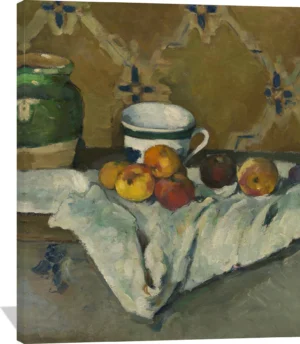
Still Life with Jar, Cup, and Apples
Paul CézanneCanvas from
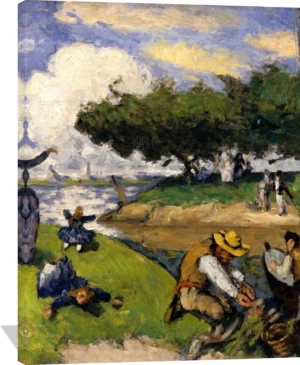
32,00 $Select options This product has multiple variants. The options may be chosen on the product pageThe Fishermen (Fantastic Scene)
Paul CézanneCanvas from
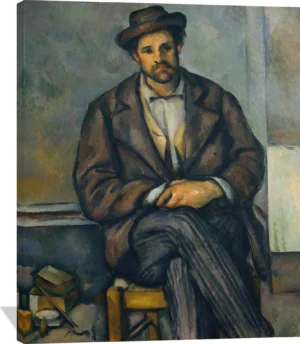
33,00 $Select options This product has multiple variants. The options may be chosen on the product pageSeated Peasant
Paul CézanneCanvas from
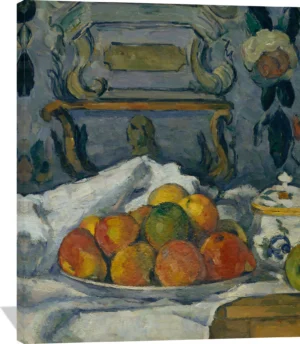
32,00 $Select options This product has multiple variants. The options may be chosen on the product pageDish of Apples
Paul CézanneCanvas from
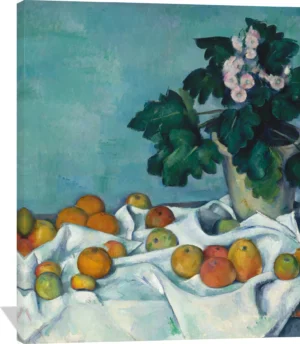
32,00 $Select options This product has multiple variants. The options may be chosen on the product pageStill Life with Apples and a Pot of Primroses
Paul CézanneCanvas from
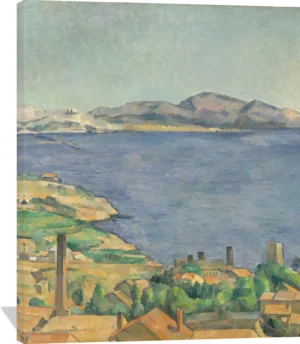
32,00 $Select options This product has multiple variants. The options may be chosen on the product pageThe Gulf of Marseille Seen from L’Estaque
Paul CézanneCanvas from
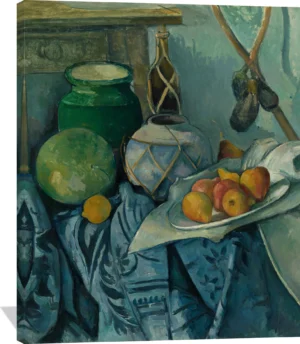
32,00 $Select options This product has multiple variants. The options may be chosen on the product pageStill Life with a Ginger Jar and Eggplants
Paul CézanneCanvas from
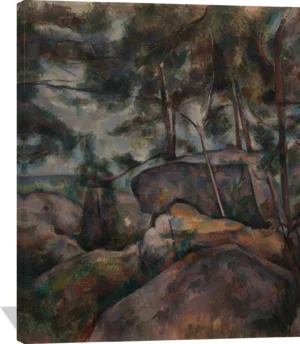
32,00 $Select options This product has multiple variants. The options may be chosen on the product pageRocks at Fontainebleau
Paul CézanneCanvas from
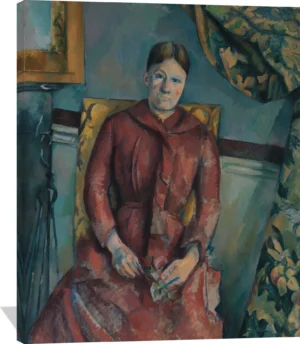
32,00 $Select options This product has multiple variants. The options may be chosen on the product pageMadame Cézanne (Hortense Fiquet, 1850–1922) in a Red Dress
Paul CézanneCanvas from
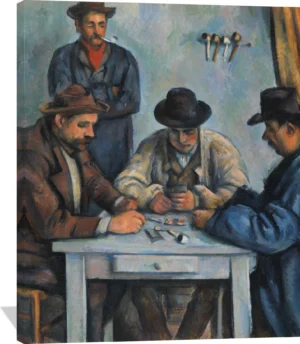
32,00 $Select options This product has multiple variants. The options may be chosen on the product pageThe Card Players
Paul CézanneCanvas from
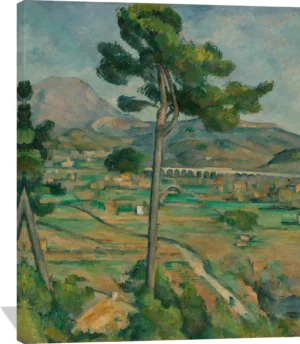
32,00 $Select options This product has multiple variants. The options may be chosen on the product pageMont Sainte-Victoire and the Viaduct of the Arc River Valley
Paul CézanneCanvas from
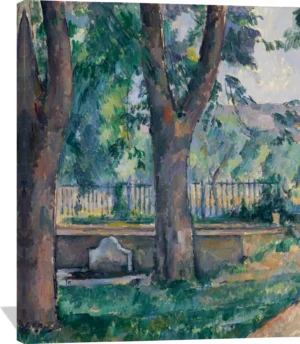
32,00 $Select options This product has multiple variants. The options may be chosen on the product pageThe Pool at Jas de Bouffan
Paul CézanneCanvas from
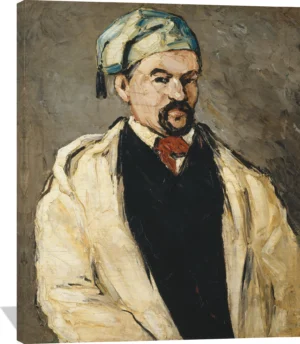
32,00 $Select options This product has multiple variants. The options may be chosen on the product pageAntoine Dominique Sauveur Aubert (born 1817), the Artist’s Uncle
Paul CézanneCanvas from
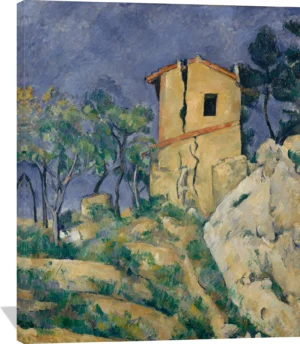
32,00 $Select options This product has multiple variants. The options may be chosen on the product pageThe House with the Cracked Walls
Paul CézanneCanvas from
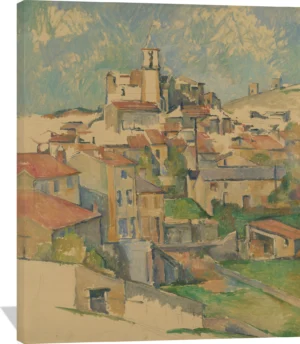
32,00 $Select options This product has multiple variants. The options may be chosen on the product pageGardanne
Paul CézanneCanvas from
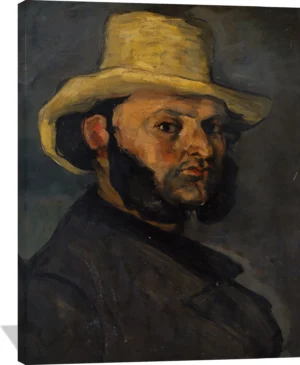
32,00 $Select options This product has multiple variants. The options may be chosen on the product pageGustave Boyer (b. 1840) in a Straw Hat
Paul CézanneCanvas from
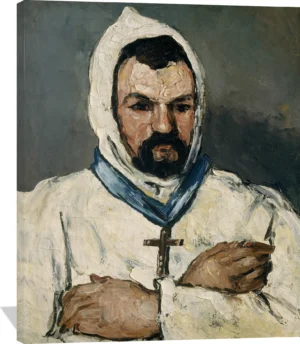
33,00 $Select options This product has multiple variants. The options may be chosen on the product pageAntoine Dominique Sauveur Aubert (born 1817), the Artist’s Uncle, as a Monk
Paul CézanneCanvas from
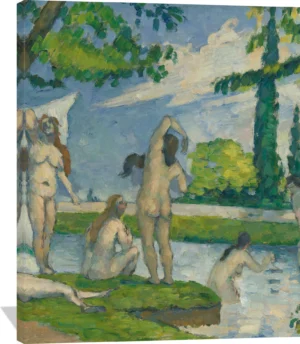
32,00 $Select options This product has multiple variants. The options may be chosen on the product pageBathers
Paul CézanneCanvas from
32,00 $Select options This product has multiple variants. The options may be chosen on the product page
Explore Food And Beverage
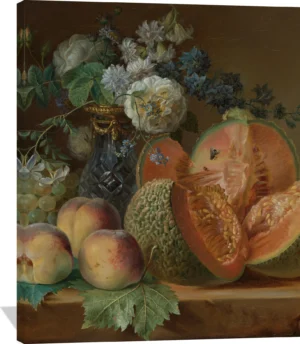
Still Life with a Vase of Flowers, Melon, Peaches, and Grapes
Charlotte Eustache Sophie de Fuligny Damas, marquise de GrollierCanvas from
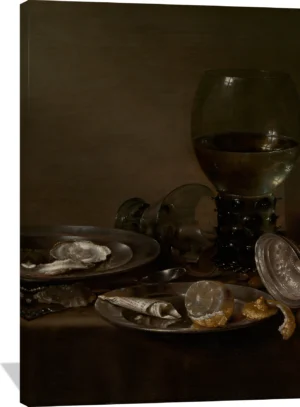
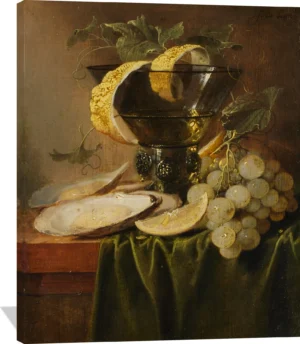
32,00 $Select options This product has multiple variants. The options may be chosen on the product pageStill Life with Oysters, a Silver Tazza, and Glassware
Willem Claesz HedaCanvas from
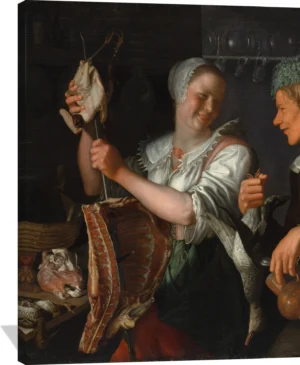
50,00 $Select options This product has multiple variants. The options may be chosen on the product pageKitchen Scene
Peter WtewaelCanvas from
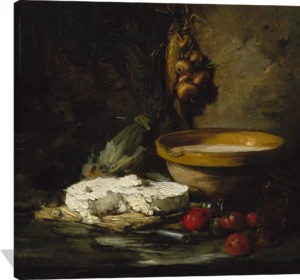
33,00 $Select options This product has multiple variants. The options may be chosen on the product pageStill Life with Cheese
Antoine VollonCanvas from
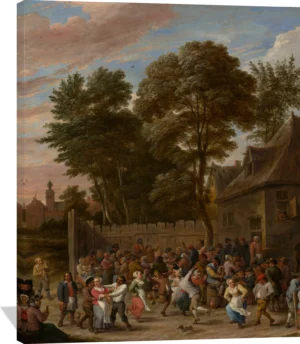
44,00 $Select options This product has multiple variants. The options may be chosen on the product pagePeasants Dancing and Feasting
David Teniers the YoungerCanvas from
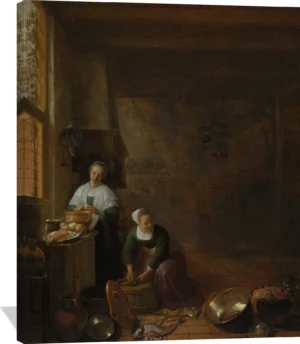
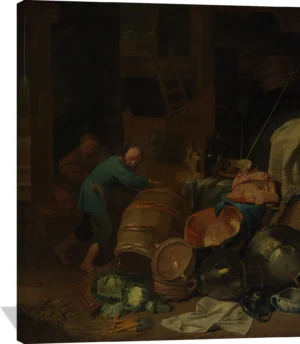
32,00 $Select options This product has multiple variants. The options may be chosen on the product pageA Kitchen
Hendrick SorghCanvas from
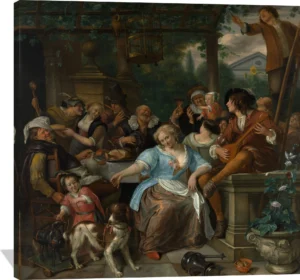
32,00 $Select options This product has multiple variants. The options may be chosen on the product pageMerry Company on a Terrace
Jan SteenCanvas from
44,00 $Select options This product has multiple variants. The options may be chosen on the product pageRustic Interior
David Ryckaert IIICanvas from
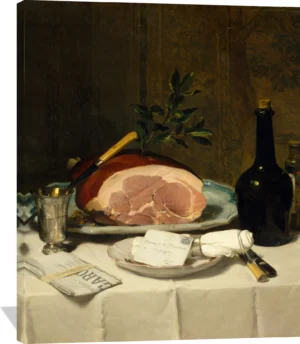
32,00 $Select options This product has multiple variants. The options may be chosen on the product pageStill Life with Ham
Philippe RousseauCanvas from
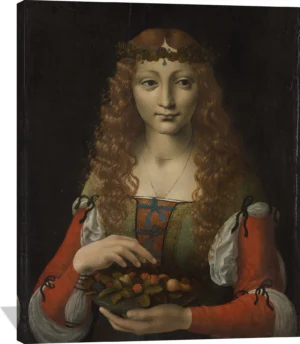
32,00 $Select options This product has multiple variants. The options may be chosen on the product pageGirl with Cherries
Marco d'OggionoCanvas from
32,00 $Select options This product has multiple variants. The options may be chosen on the product pageStill Life with a Glass and Oysters
Jan Davidsz de HeemCanvas from
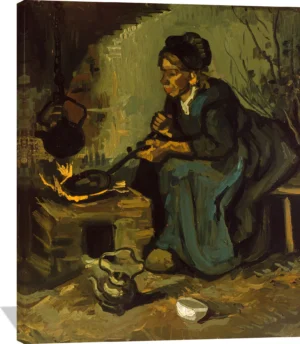
32,00 $Select options This product has multiple variants. The options may be chosen on the product pagePeasant Woman Cooking by a Fireplace
Vincent van GoghCanvas from
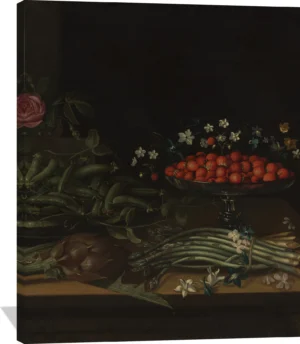
32,00 $Select options This product has multiple variants. The options may be chosen on the product pageStill Life with Strawberries
French PainterCanvas from
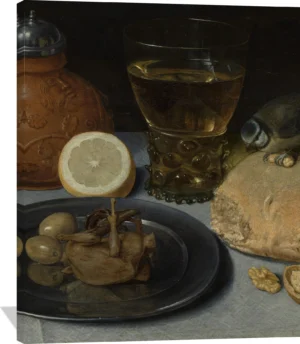
32,00 $Select options This product has multiple variants. The options may be chosen on the product pageStill Life
Georg FlegelCanvas from
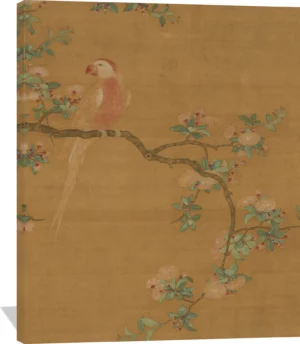
32,00 $Select options This product has multiple variants. The options may be chosen on the product pageParrot on a Pear Branch
Jin ZunnianCanvas from
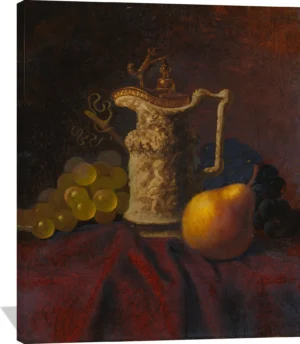
32,00 $Select options This product has multiple variants. The options may be chosen on the product pageStill Life with Ewer and Fruit
Carducius Plantagenet ReamCanvas from
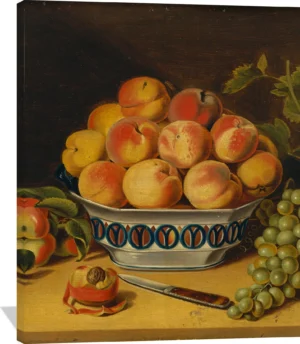
32,00 $Select options This product has multiple variants. The options may be chosen on the product pageStill Life: Peaches and Grapes
John A. WoodsideCanvas from
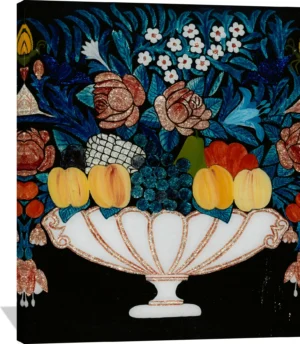
32,00 $Select options This product has multiple variants. The options may be chosen on the product pageStill Life—Flowers and Fruit in White and Pink Bowl
Canvas from
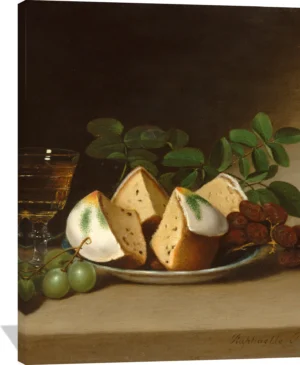
32,00 $Select options This product has multiple variants. The options may be chosen on the product pageStill Life with Cake
Raphaelle PealeCanvas from
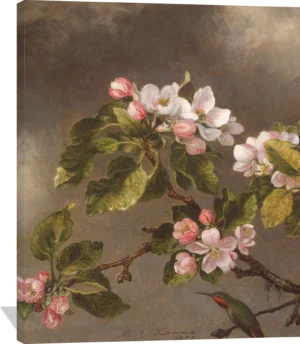
33,00 $Select options This product has multiple variants. The options may be chosen on the product pageHummingbird and Apple Blossoms
Martin Johnson HeadeCanvas from
32,00 $Select options This product has multiple variants. The options may be chosen on the product pageStill Life with Fruit
John F. FrancisCanvas from
32,00 $Select options This product has multiple variants. The options may be chosen on the product page
Explore Still Life
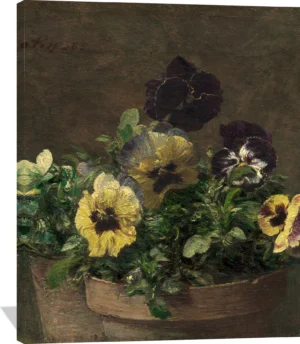
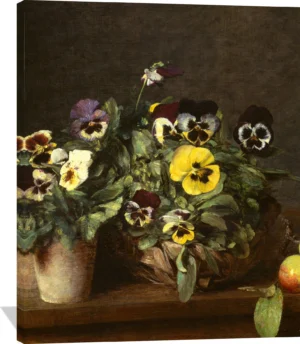
Potted Pansies
Henri Fantin-LatourCanvas from
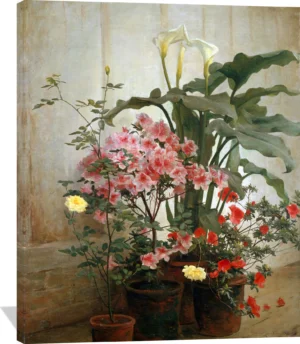
32,00 $Select options This product has multiple variants. The options may be chosen on the product pageSide of a Greenhouse
George Cochran LambdinCanvas from
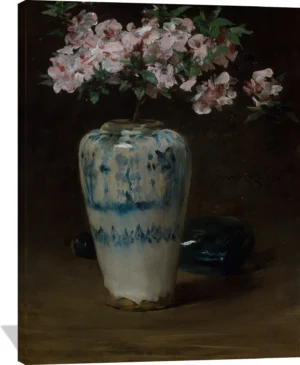
32,00 $Select options This product has multiple variants. The options may be chosen on the product pagePink Azalea—Chinese Vase
William Merritt ChaseCanvas from
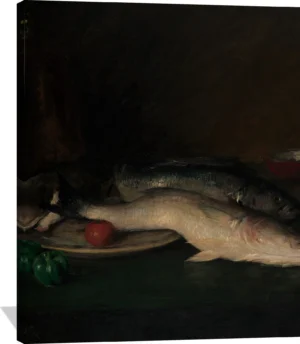
33,00 $Select options This product has multiple variants. The options may be chosen on the product pageStill Life: Fish
William Merritt ChaseCanvas from
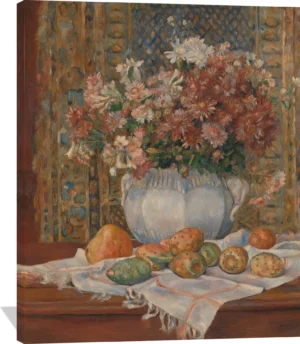
32,00 $Select options This product has multiple variants. The options may be chosen on the product pageStill Life with Flowers and Prickly Pears
Auguste RenoirCanvas from
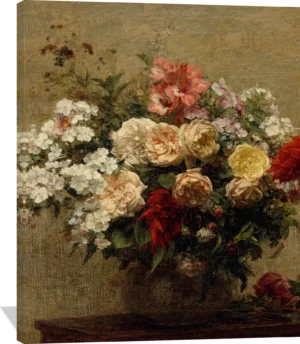
32,00 $Select options This product has multiple variants. The options may be chosen on the product pageSummer Flowers
Henri Fantin-LatourCanvas from
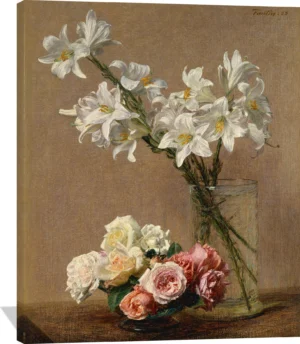
32,00 $Select options This product has multiple variants. The options may be chosen on the product pageRoses and Lilies
Henri Fantin-LatourCanvas from
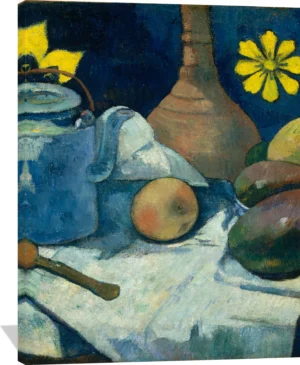
32,00 $Select options This product has multiple variants. The options may be chosen on the product pageStill Life with Teapot and Fruit
Paul GauguinCanvas from
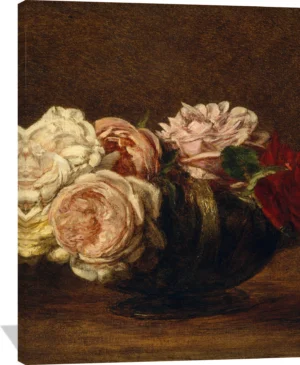
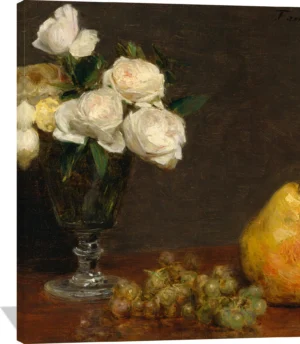
33,00 $Select options This product has multiple variants. The options may be chosen on the product pageRoses in a Bowl
Henri Fantin-LatourCanvas from
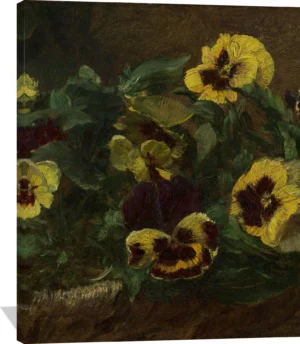
33,00 $Select options This product has multiple variants. The options may be chosen on the product pagePansies
Henri Fantin-LatourCanvas from
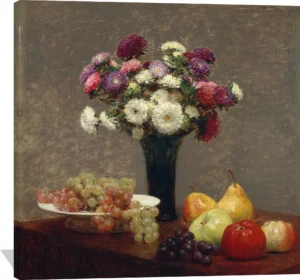
32,00 $Select options This product has multiple variants. The options may be chosen on the product pageAsters and Fruit on a Table
Henri Fantin-LatourCanvas from
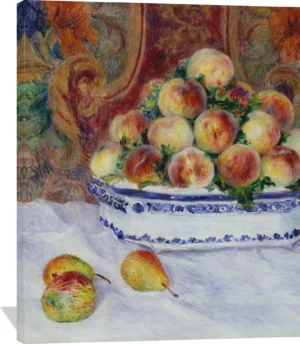
44,00 $Select options This product has multiple variants. The options may be chosen on the product pageStill Life with Peaches
Auguste RenoirCanvas from
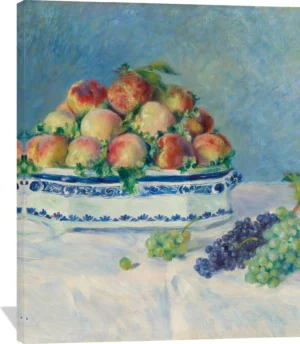
32,00 $Select options This product has multiple variants. The options may be chosen on the product pageStill Life with Peaches and Grapes
Auguste RenoirCanvas from
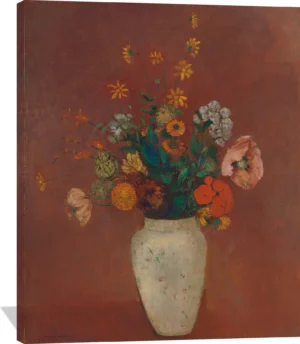
32,00 $Select options This product has multiple variants. The options may be chosen on the product pageBouquet in a Chinese Vase
Odilon RedonCanvas from
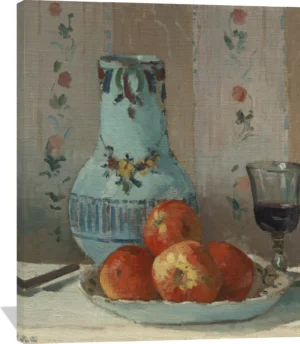
32,00 $Select options This product has multiple variants. The options may be chosen on the product pageStill Life with Apples and Pitcher
Camille PissarroCanvas from
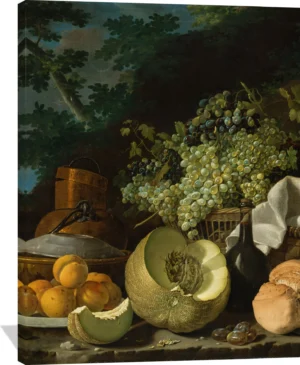
32,00 $Select options This product has multiple variants. The options may be chosen on the product pageThe Afternoon Meal (La Merienda)
Luis MeléndezCanvas from
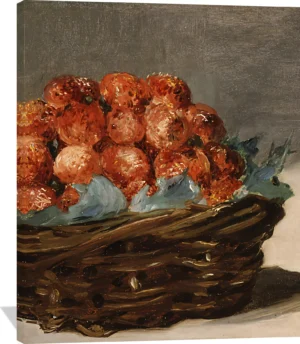
33,00 $Select options This product has multiple variants. The options may be chosen on the product pageStrawberries
Edouard ManetCanvas from
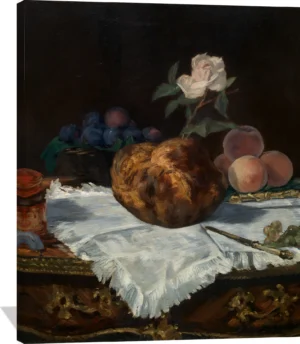
32,00 $Select options This product has multiple variants. The options may be chosen on the product pageThe Brioche
Edouard ManetCanvas from
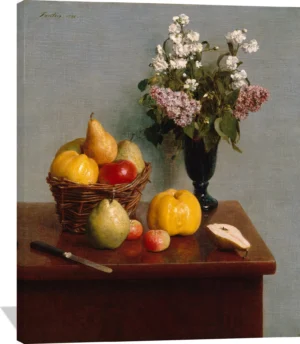
32,00 $Select options This product has multiple variants. The options may be chosen on the product pageStill Life with Flowers and Fruit
Henri Fantin-LatourCanvas from
32,00 $Select options This product has multiple variants. The options may be chosen on the product pageStill Life with Pansies
Henri Fantin-LatourCanvas from
32,00 $Select options This product has multiple variants. The options may be chosen on the product pageStill Life with Roses and Fruit
Henri Fantin-LatourCanvas from
32,00 $Select options This product has multiple variants. The options may be chosen on the product page
Explore Fruits
Strawberry Pedlar
William P. ChappelCanvas from
50,00 $Select options This product has multiple variants. The options may be chosen on the product pageBasket of Fruit
Bartolomeo CavarozziCanvas from
32,00 $Select options This product has multiple variants. The options may be chosen on the product pageFruit and Flowers
Orsola Maddalena CacciaCanvas from
32,00 $Select options This product has multiple variants. The options may be chosen on the product pageStill Life of Grapes and Peaches
Panfilo NuvoloneCanvas from
32,00 $Select options This product has multiple variants. The options may be chosen on the product pageGrape Vines and Fruit, with Three Wagtails
Bartolomeo CavarozziCanvas from
50,00 $Select options This product has multiple variants. The options may be chosen on the product pageThe Rest on the Flight into Egypt
Jan MassysCanvas from
32,00 $Select options This product has multiple variants. The options may be chosen on the product pageYoung Woman Peeling Apples
Nicolaes MaesCanvas from
32,00 $Select options This product has multiple variants. The options may be chosen on the product pageStill Life with Fruit, Glassware, and a Wanli Bowl
Willem KalfCanvas from
32,00 $Select options This product has multiple variants. The options may be chosen on the product pagePomegranates and Other Fruit in a Landscape
Abraham BrueghelCanvas from
32,00 $Select options This product has multiple variants. The options may be chosen on the product pageStill Life: A Banqueting Scene
Jan Davidsz de HeemCanvas from
32,00 $Select options This product has multiple variants. The options may be chosen on the product pageA Vase of Flowers
Margareta HavermanCanvas from
32,00 $Select options This product has multiple variants. The options may be chosen on the product pageStill Life
Paul GauguinCanvas from
32,00 $Select options This product has multiple variants. The options may be chosen on the product pageStill Life with Silver
Alexandre François DesportesCanvas from
33,00 $Select options This product has multiple variants. The options may be chosen on the product pageThe Silver Tureen
Jean Siméon ChardinCanvas from
33,00 $Select options This product has multiple variants. The options may be chosen on the product pagePetronella Elias (1648–1667) with a Basket of Fruit
Ferdinand BolCanvas from
32,00 $Select options This product has multiple variants. The options may be chosen on the product pageStill Life with Lobster and Fruit
Abraham van BeyerenCanvas from
32,00 $Select options This product has multiple variants. The options may be chosen on the product pageYoung Husband: First Marketing
Lilly Martin SpencerCanvas from
32,00 $Select options This product has multiple variants. The options may be chosen on the product pageStill Life with Fruit
Carducius Plantagenet ReamCanvas from
32,00 $Select options This product has multiple variants. The options may be chosen on the product pageStill Life with Grapes
Carducius Plantagenet ReamCanvas from
50,00 $Select options This product has multiple variants. The options may be chosen on the product pageFruit
Julian Alden WeirCanvas from
32,00 $Select options This product has multiple variants. The options may be chosen on the product pagePortrait of a Little Girl Picking Grapes
Canvas from
32,00 $Select options This product has multiple variants. The options may be chosen on the product page