Artistic Style
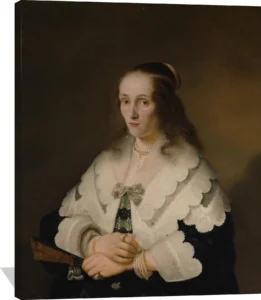
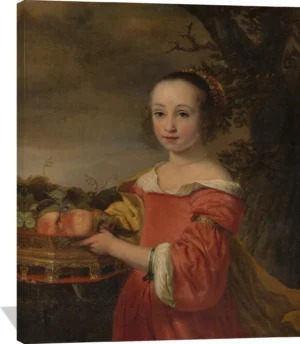
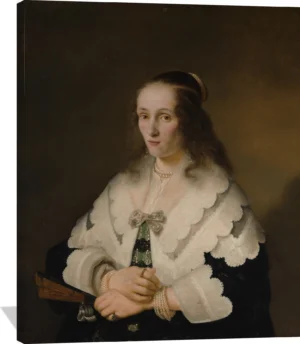
Bol’s work is characterized by warm chiaroscuro, elegant composition, and a polished surface that softened the dramatic intensity of his mentor’s style. His portraits are known for their gentle illumination, subtle emotional resonance, and superb rendering of textures, from rich fabrics to luminous skin tones.
Subjects and Contributions
Widely sought after by Amsterdam’s elite, Bol created dignified portraits of merchants, magistrates, and notable citizens, often staged with symbolic objects that reflect status or intellect. He also produced history paintings and biblical scenes, where his narrative clarity and sensitive modeling contributed to the period’s evolving visual language. His mastery of etching further extended his influence, showcasing his command of line and atmosphere.
Cultural Significance
As one of the most successful painters of mid‑seventeenth‑century Amsterdam, Bol played a pivotal role in shaping the city’s artistic identity. His mature works exemplify the transition from Rembrandt’s dramatic realism to a more refined, courtly aesthetic that defined later Dutch portraiture. Today he is recognized for his poetic sensibility, technical grace, and his contribution to the flourishing of Dutch Golden Age art, a legacy that continues to resonate through his elegant portraiture and masterful historical compositions.