Idle Hours
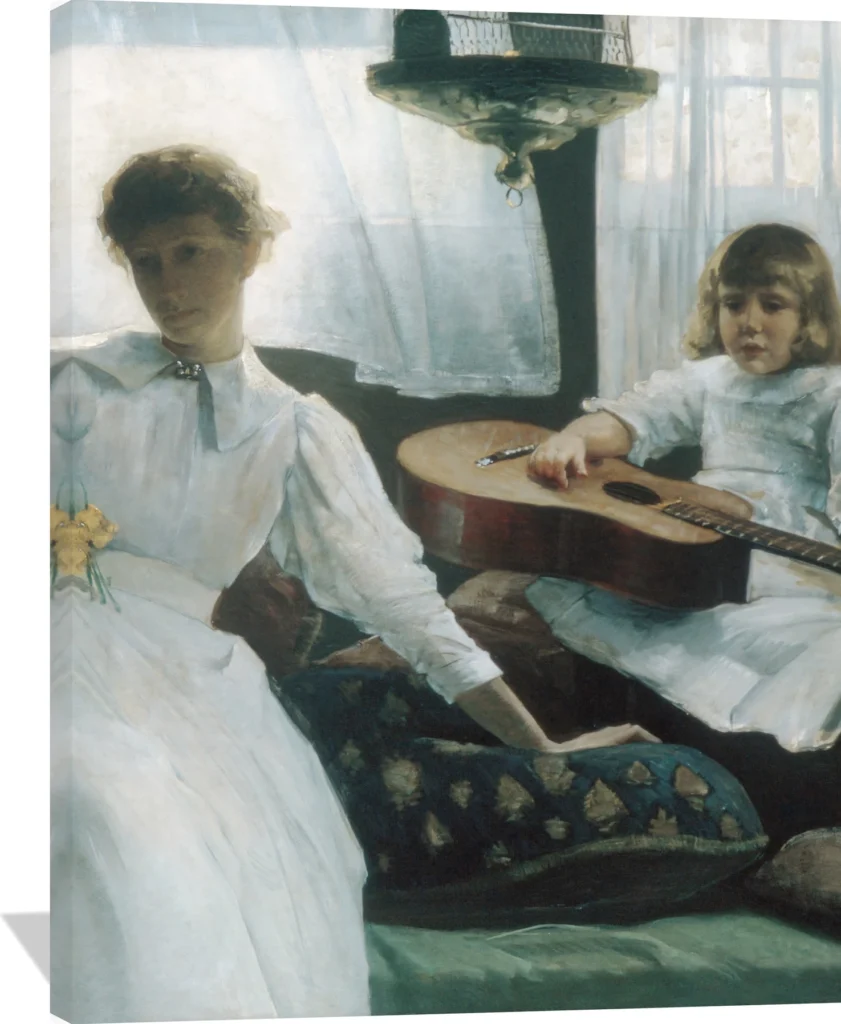
The Julian Alden Weir Idle Hours canvas captures a serene moment of domestic quietude bathed in soft daylight. Two figures, rendered in gentle tones of ivory, sage, and muted blue, rest amid plush cushions as sunlight filters through gauzy curtains. Weir’s refined brushwork and delicate interplay of light evoke a sense of intimacy and calm reflection.
This elegant wall art brings timeless grace to any interior. Ideal for a living room, study, or entryway, this canvas print invites contemplation and warmth—an exquisite homage to American Impressionism and the beauty of stillness.
Julian Alden Weir (1852–1919) was an American painter born in West Point, New York, and a leading figure in the development of American Impressionism. Trained in both the United States and Paris, he fused academic discipline with a softly atmospheric approach that became a hallmark of his mature work.
Artistic Style and Approach
Weir’s style is celebrated for its gentle luminosity, subtle color harmonies, and quiet emotional resonance. While initially skeptical of Impressionism, he eventually embraced its focus on light and mood, developing a personal interpretation marked by restrained brushwork and a contemplative sense of place. His compositions often balance structured forms with diffused, poetic light, creating scenes that feel both intimate and timeless.
Subjects and Themes
Weir frequently painted the rural landscapes of Connecticut, where his family estates provided a wealth of inspiration. Orchards, gardens, winding roads, and domestic interiors all appear in his works, rendered with sensitivity and a deep connection to nature. He also produced compelling portraits and still lifes, including his well‑known floral studies, each characterized by a refined, introspective atmosphere.
Legacy and Cultural Significance
A founding member of The Ten American Painters, Weir played a crucial role in shaping the identity of American Impressionism. His work helped bridge European influence and American sensibilities, contributing to a broader acceptance of modern artistic ideas in the United States. Today, he is recognized for his lyrical interpretation of light and his central position within the evolution of American modern art.
Trust & policies
- 🚚 Free worldwide shipping
- 🔁 30-day returns (change of mind)
- 🛡️ If damaged/defective/misprinted: free replacement or full refund
- 🌍 Printed in US/CA/EU/UK/AU (based on delivery location)
- 💎 Made to order using acid-free, fade-resistant canvas
- 💎 Solid wood stretcher bars • Pine floating frames
- 🪝 Ready to hang

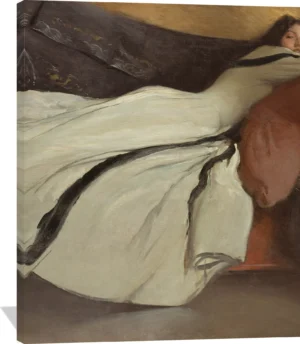
Repose
John White AlexanderCanvas from
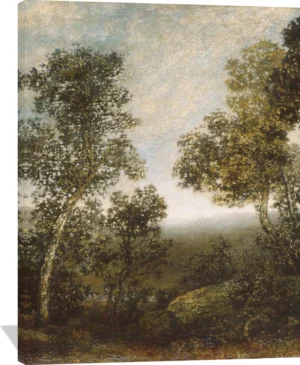
142,00 leiSelect options This product has multiple variants. The options may be chosen on the product pageLandscape
Ralph Albert BlakelockCanvas from
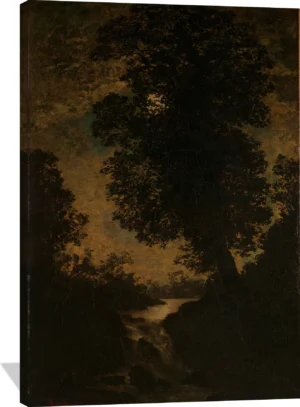
146,00 leiSelect options This product has multiple variants. The options may be chosen on the product pageA Waterfall, Moonlight
Ralph Albert BlakelockCanvas from
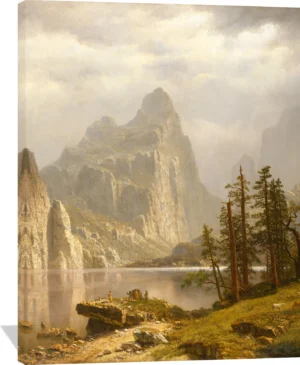
222,00 leiSelect options This product has multiple variants. The options may be chosen on the product pageMerced River, Yosemite Valley
Albert BierstadtCanvas from
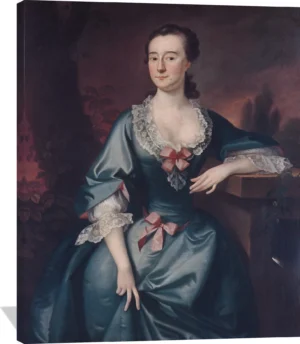
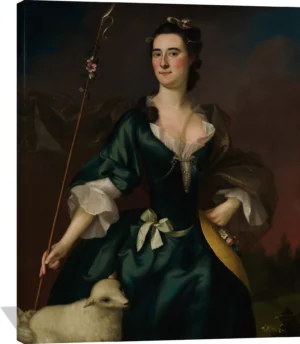
146,00 leiSelect options This product has multiple variants. The options may be chosen on the product pageMrs. David Chesebrough
Joseph BlackburnCanvas from
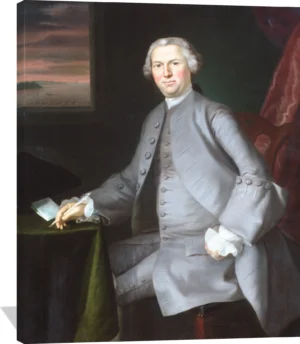
142,00 leiSelect options This product has multiple variants. The options may be chosen on the product pageSamuel Cutts
Joseph BlackburnCanvas from
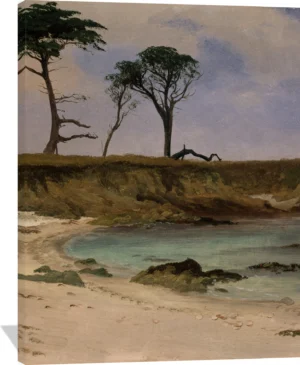
142,00 leiSelect options This product has multiple variants. The options may be chosen on the product pageSea Cove
Albert BierstadtCanvas from
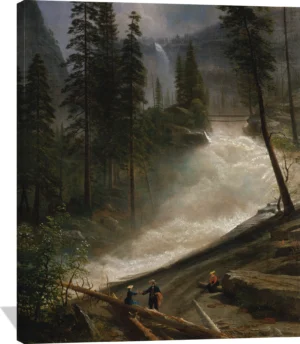
146,00 leiSelect options This product has multiple variants. The options may be chosen on the product pageNevada Falls, Yosemite
Albert BierstadtCanvas from
142,00 leiSelect options This product has multiple variants. The options may be chosen on the product pageStudy in Green and Black
John White AlexanderCanvas from
142,00 leiSelect options This product has multiple variants. The options may be chosen on the product pageIn the Laboratory
Henry AlexanderCanvas from
142,00 leiSelect options This product has multiple variants. The options may be chosen on the product pageEmma Homan
John BradleyCanvas from
142,00 leiSelect options This product has multiple variants. The options may be chosen on the product pageAn Indian Encampment
Ralph Albert BlakelockCanvas from
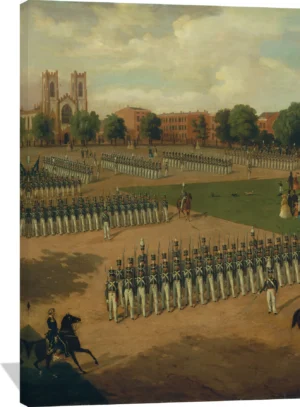
195,00 leiSelect options This product has multiple variants. The options may be chosen on the product pageSeventh Regiment on Review, Washington Square, New York
Otto BoetticherCanvas from
222,00 leiSelect options This product has multiple variants. The options may be chosen on the product pageThe Pipe Dance
Ralph Albert BlakelockCanvas from
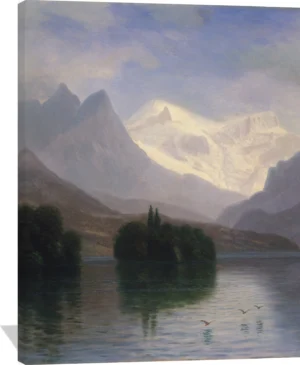
222,00 leiSelect options This product has multiple variants. The options may be chosen on the product pageMountain Scene
Albert BierstadtCanvas from
146,00 leiSelect options This product has multiple variants. The options may be chosen on the product pageMary Sylvester
Joseph BlackburnCanvas from
142,00 leiSelect options This product has multiple variants. The options may be chosen on the product pageMrs. Samuel Cutts
Joseph BlackburnCanvas from
142,00 leiSelect options This product has multiple variants. The options may be chosen on the product pageView from the Artist’s Window, Grove Street
Robert Frederick BlumCanvas from
142,00 leiSelect options This product has multiple variants. The options may be chosen on the product pageAn Arctic Summer: Boring Through the Pack in Melville Bay
William BradfordCanvas from
222,00 leiSelect options This product has multiple variants. The options may be chosen on the product pageAdult Funeral Procession
William P. ChappelCanvas from
222,00 leiSelect options This product has multiple variants. The options may be chosen on the product pageFur Traders Descending the Missouri
George Caleb BinghamCanvas from
142,00 leiSelect options This product has multiple variants. The options may be chosen on the product pageLeete Farm, West Claremont, New Hampshire
Francis AlexanderCanvas from
222,00 leiSelect options This product has multiple variants. The options may be chosen on the product page
Explore Julian Alden Weir
The Red Bridge
Julian Alden WeirCanvas from
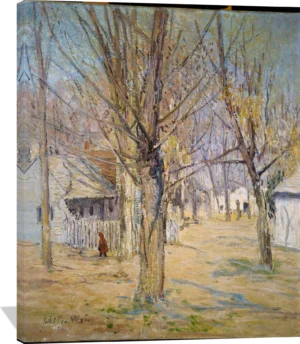
146,00 leiSelect options This product has multiple variants. The options may be chosen on the product pageThe Factory Village
Julian Alden WeirCanvas from
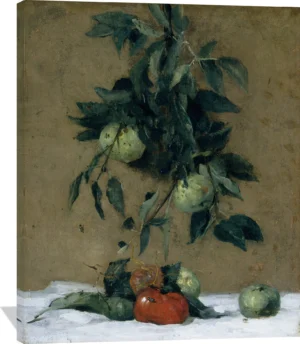
142,00 leiSelect options This product has multiple variants. The options may be chosen on the product pageFruit
Julian Alden WeirCanvas from
142,00 leiSelect options This product has multiple variants. The options may be chosen on the product pageConnecticut Village (Going to School)
Julian Alden WeirCanvas from
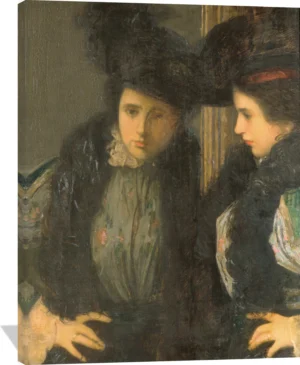
142,00 leiSelect options This product has multiple variants. The options may be chosen on the product pageThe Green Bodice
Julian Alden WeirCanvas from
146,00 leiSelect options This product has multiple variants. The options may be chosen on the product pageThe Red Bridge
Julian Alden WeirCanvas from
146,00 leiSelect options This product has multiple variants. The options may be chosen on the product page
Explore Portraits
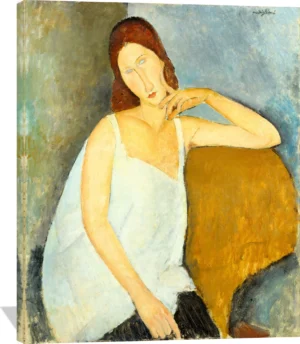
Jeanne Hébuterne
Amedeo ModiglianiCanvas from
142,00 leiSelect options This product has multiple variants. The options may be chosen on the product pageGirl in a Sailor’s Blouse
Amedeo ModiglianiCanvas from
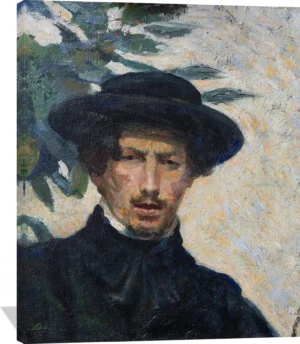
146,00 leiSelect options This product has multiple variants. The options may be chosen on the product pageSelf-Portrait
Umberto BoccioniCanvas from
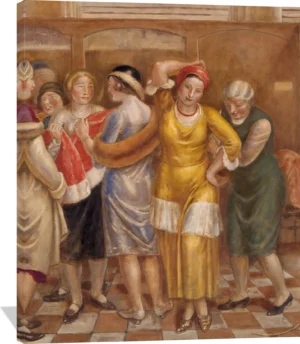
142,00 leiSelect options This product has multiple variants. The options may be chosen on the product pageThe Fitting Room
Kenneth Hayes MillerCanvas from
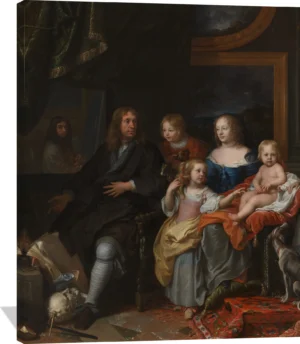
142,00 leiSelect options This product has multiple variants. The options may be chosen on the product pageThe Jabach Family
Charles Le BrunCanvas from
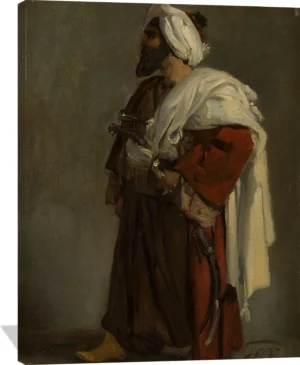
142,00 leiSelect options This product has multiple variants. The options may be chosen on the product pageArab Warrior
Horace VernetCanvas from
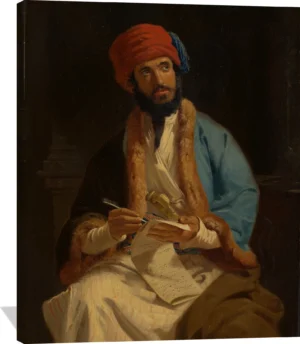
146,00 leiSelect options This product has multiple variants. The options may be chosen on the product pageThe Arab Sage
German PainterCanvas from
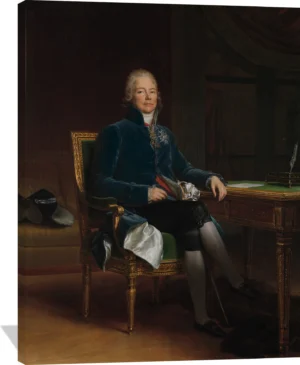
142,00 leiSelect options This product has multiple variants. The options may be chosen on the product pageCharles Maurice de Talleyrand Périgord (1754–1838), Prince de Bénévent
baron François GérardCanvas from
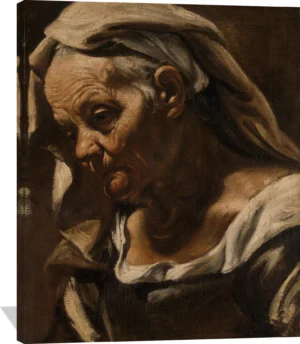
146,00 leiSelect options This product has multiple variants. The options may be chosen on the product pageHead of an Old Woman
Orazio BorgianniCanvas from
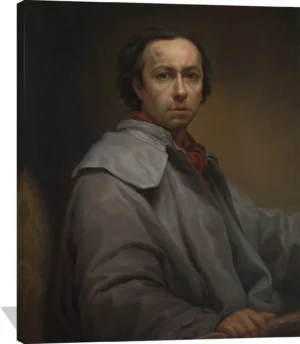
142,00 leiSelect options This product has multiple variants. The options may be chosen on the product pageSelf-Portrait
Anton Raphael MengsCanvas from
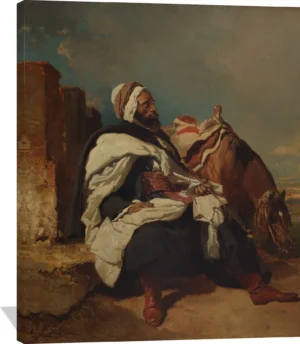
142,00 leiSelect options This product has multiple variants. The options may be chosen on the product pageSeated Arab Man with Horse
Alfred DedreuxCanvas from
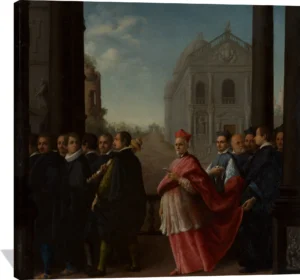
142,00 leiSelect options This product has multiple variants. The options may be chosen on the product pageA Cardinal’s Procession
Ottavio Leoni (Il Padovano)Canvas from
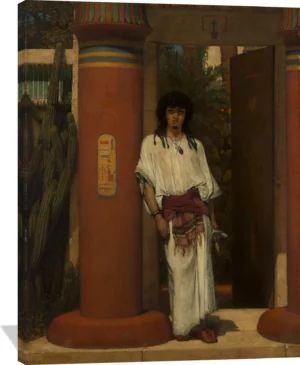
195,00 leiSelect options This product has multiple variants. The options may be chosen on the product pageAn Egyptian in a Doorway
Sir Lawrence Alma-TademaCanvas from
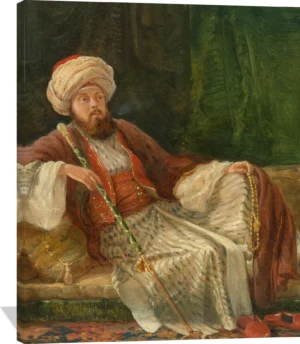
146,00 leiSelect options This product has multiple variants. The options may be chosen on the product pageWestern Gentleman in Oriental Costume
British PainterCanvas from
142,00 leiSelect options This product has multiple variants. The options may be chosen on the product pageA Female Martyr Saint
Carlo Francesco NuvoloneCanvas from
142,00 leiSelect options This product has multiple variants. The options may be chosen on the product pageGirl in a Courtyard, Algiers (formerly Courtyard in Tangier)
Philippe PavyCanvas from
222,00 leiSelect options This product has multiple variants. The options may be chosen on the product pageLute Player
Valentin de BoulogneCanvas from
142,00 leiSelect options This product has multiple variants. The options may be chosen on the product pageThe Opium Smokers
Georges ClairinCanvas from
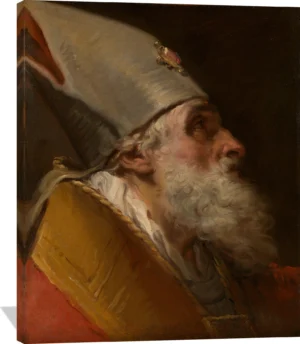
195,00 leiSelect options This product has multiple variants. The options may be chosen on the product pageHead of a Bishop
Gaetano GandolfiCanvas from
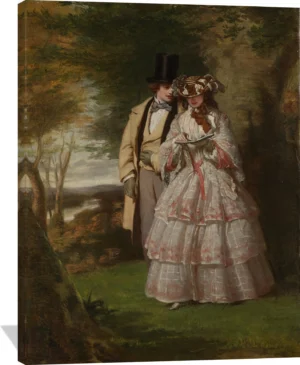
142,00 leiSelect options This product has multiple variants. The options may be chosen on the product pageThe Two Central Figures in “Derby Day”
William Powell FrithCanvas from
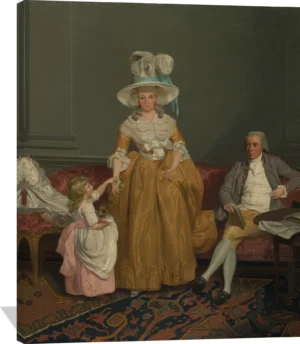
146,00 leiSelect options This product has multiple variants. The options may be chosen on the product pageThe Saithwaite Family
Francis WheatleyCanvas from
142,00 leiSelect options This product has multiple variants. The options may be chosen on the product page

Explore Figurative
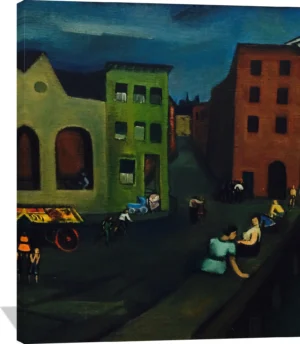
Docks on Sunday
Joseph De MartiniCanvas from
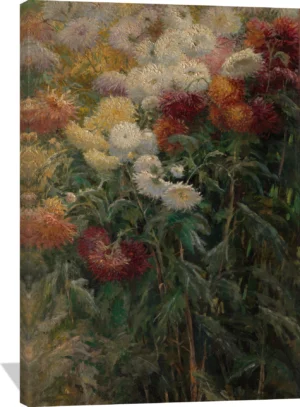
142,00 leiSelect options This product has multiple variants. The options may be chosen on the product pageChrysanthemums in the Garden at Petit-Gennevilliers
Gustave CaillebotteCanvas from
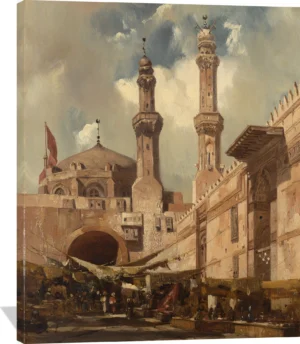
222,00 leiSelect options This product has multiple variants. The options may be chosen on the product pageA Cairo Bazaar
Adrien DauzatsCanvas from
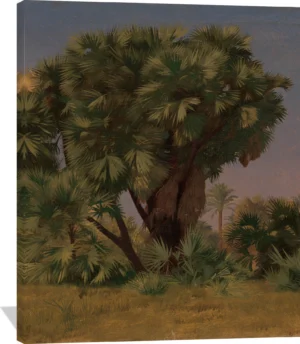
142,00 leiSelect options This product has multiple variants. The options may be chosen on the product pageStudy of Palm Trees
Jean-Léon GérômeCanvas from
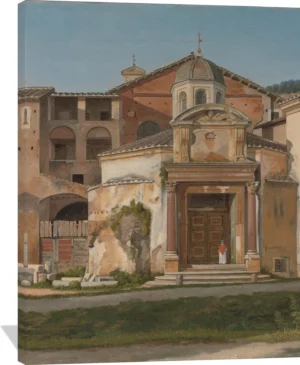
142,00 leiSelect options This product has multiple variants. The options may be chosen on the product pageA Section of the Via Sacra, Rome (The Church of Saints Cosmas and Damian)
Christoffer Wilhelm EckersbergCanvas from
146,00 leiSelect options This product has multiple variants. The options may be chosen on the product pageLandscape with Figures
Kenneth Hayes MillerCanvas from
142,00 leiSelect options This product has multiple variants. The options may be chosen on the product pageThe Great Pyramid, Giza
Adrien DauzatsCanvas from
142,00 leiSelect options This product has multiple variants. The options may be chosen on the product pageThe Holy Family with the Infant Saint John the Baptist
Perino del Vaga (Pietro Buonaccorsi)Canvas from
142,00 leiSelect options This product has multiple variants. The options may be chosen on the product pageScene in a Harem (Un Envoi de Serbie)
Benjamin-Constant (Jean-Joseph-Benjamin Constant)Canvas from
142,00 leiSelect options This product has multiple variants. The options may be chosen on the product pageView over Hallingdal
Johan Christian DahlCanvas from
222,00 leiSelect options This product has multiple variants. The options may be chosen on the product pageWedding Procession
Victor EeckhoutCanvas from
146,00 leiSelect options This product has multiple variants. The options may be chosen on the product pageSketch for “Reception of Emperor Napoleon III and Empress Eugénie by the Kabyle Leaders at Algiers on September 18, 1860”
Isidore PilsCanvas from
222,00 leiSelect options This product has multiple variants. The options may be chosen on the product pageWindow
Anton DieffenbachCanvas from
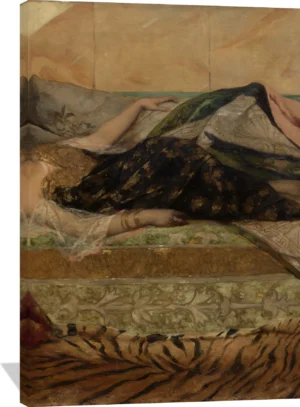
146,00 leiSelect options This product has multiple variants. The options may be chosen on the product pageOdalisque
Benjamin-Constant (Jean-Joseph-Benjamin Constant)Canvas from
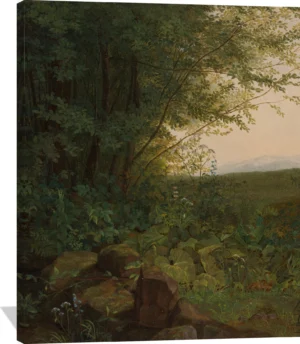
222,00 leiSelect options This product has multiple variants. The options may be chosen on the product pageAt the Edge of the Forest
August HeinrichCanvas from
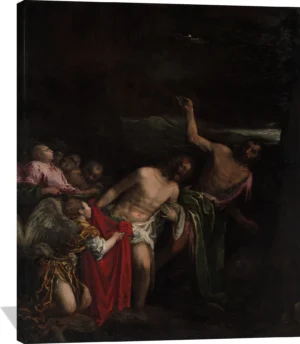
142,00 leiSelect options This product has multiple variants. The options may be chosen on the product pageThe Baptism of Christ
Jacopo Bassano (Jacopo da Ponte)Canvas from
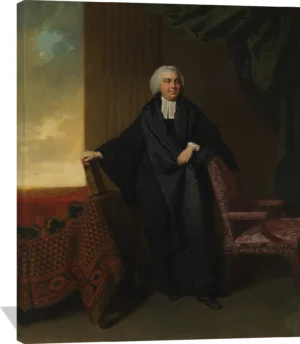
142,00 leiSelect options This product has multiple variants. The options may be chosen on the product pageThe Reverend Philip Cocks (1735–1797)
Johan Joseph ZoffanyCanvas from
142,00 leiSelect options This product has multiple variants. The options may be chosen on the product pageThe Artist’s Sitting Room in Ritterstrasse
Adolph MenzelCanvas from
142,00 leiSelect options This product has multiple variants. The options may be chosen on the product pageThe Family of Mr. Westphal in the Conservatory
Eduard GaertnerCanvas from
142,00 leiSelect options This product has multiple variants. The options may be chosen on the product pageView from the Citadel Ramparts in Copenhagen by Moonlight
Martinus RørbyeCanvas from
142,00 leiSelect options This product has multiple variants. The options may be chosen on the product pageThe Cemetery at Pronoia near Nauplia
Carl RottmannCanvas from
142,00 leiSelect options This product has multiple variants. The options may be chosen on the product page
Explore Musical Instruments
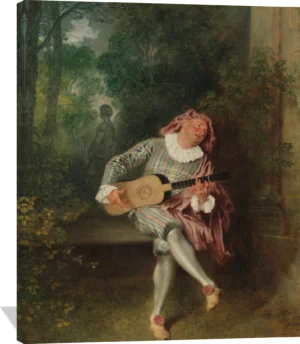
Mezzetin
Antoine WatteauCanvas from
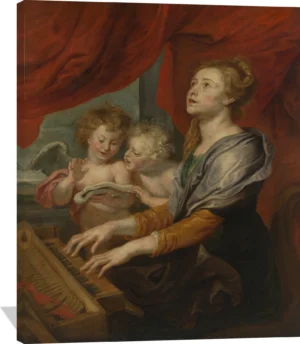
142,00 leiSelect options This product has multiple variants. The options may be chosen on the product pageSaint Cecilia
Abraham van DiepenbeeckCanvas from
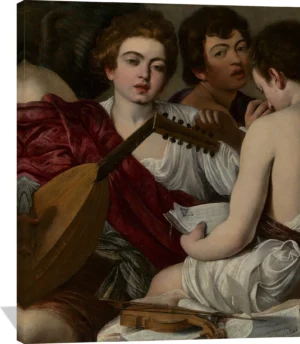
142,00 leiSelect options This product has multiple variants. The options may be chosen on the product pageThe Musicians
Caravaggio (Michelangelo Merisi)Canvas from
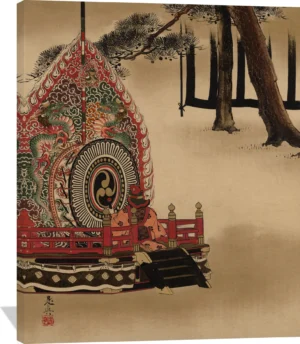
142,00 leiSelect options This product has multiple variants. The options may be chosen on the product pageLacquer Paintings of Various Subjects: Drum for Gagaku Dance
Shibata ZeshinCanvas from
142,00 leiSelect options This product has multiple variants. The options may be chosen on the product pageWoman Playing a Guitar
Simon VouetCanvas from
146,00 leiSelect options This product has multiple variants. The options may be chosen on the product pageYoung Woman with a Lute
Johannes VermeerCanvas from
142,00 leiSelect options This product has multiple variants. The options may be chosen on the product pageConcert Champêtre
Jean-Baptiste Joseph PaterCanvas from
142,00 leiSelect options This product has multiple variants. The options may be chosen on the product pageSoldier Playing the Theorbo
Ernest MeissonierCanvas from
142,00 leiSelect options This product has multiple variants. The options may be chosen on the product pageThe Spanish Singer
Edouard ManetCanvas from
142,00 leiSelect options This product has multiple variants. The options may be chosen on the product pageAllegory of Music
Laurent de La HyreCanvas from
142,00 leiSelect options This product has multiple variants. The options may be chosen on the product pageThe Organ Rehearsal
Henry LerolleCanvas from
222,00 leiSelect options This product has multiple variants. The options may be chosen on the product pageThe Dancing Class
Edgar DegasCanvas from
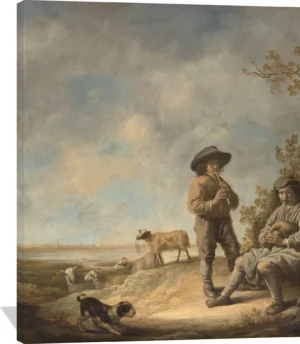
142,00 leiSelect options This product has multiple variants. The options may be chosen on the product pagePiping Shepherds
Aelbert CuypCanvas from
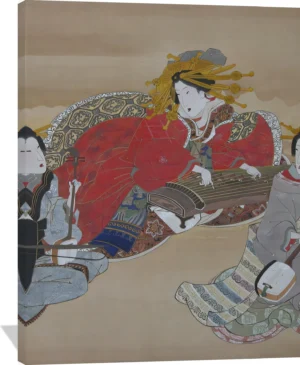
142,00 leiSelect options This product has multiple variants. The options may be chosen on the product pageThree Beauties Playing Musical Instruments
Utagawa KuniyoshiCanvas from
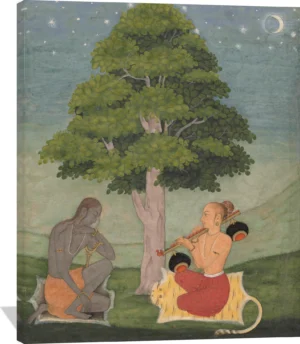
146,00 leiSelect options This product has multiple variants. The options may be chosen on the product pageKedar Ragini: Folio from a ragamala series (Garland of Musical Modes)
RuknuddinCanvas from
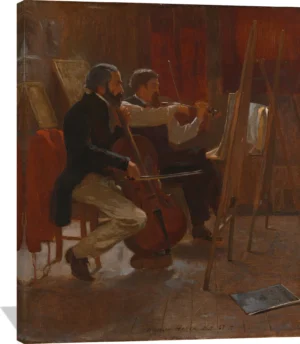
142,00 leiSelect options This product has multiple variants. The options may be chosen on the product pageThe Studio
Winslow HomerCanvas from
142,00 leiSelect options This product has multiple variants. The options may be chosen on the product pageStill Life—Violin and Music
William Michael HarnettCanvas from
142,00 leiSelect options This product has multiple variants. The options may be chosen on the product pageEuterpe
Joseph FagnaniCanvas from
142,00 leiSelect options This product has multiple variants. The options may be chosen on the product pageThe Music Lesson
John George BrownCanvas from
142,00 leiSelect options This product has multiple variants. The options may be chosen on the product page