Haystacks, Morning, Eragny
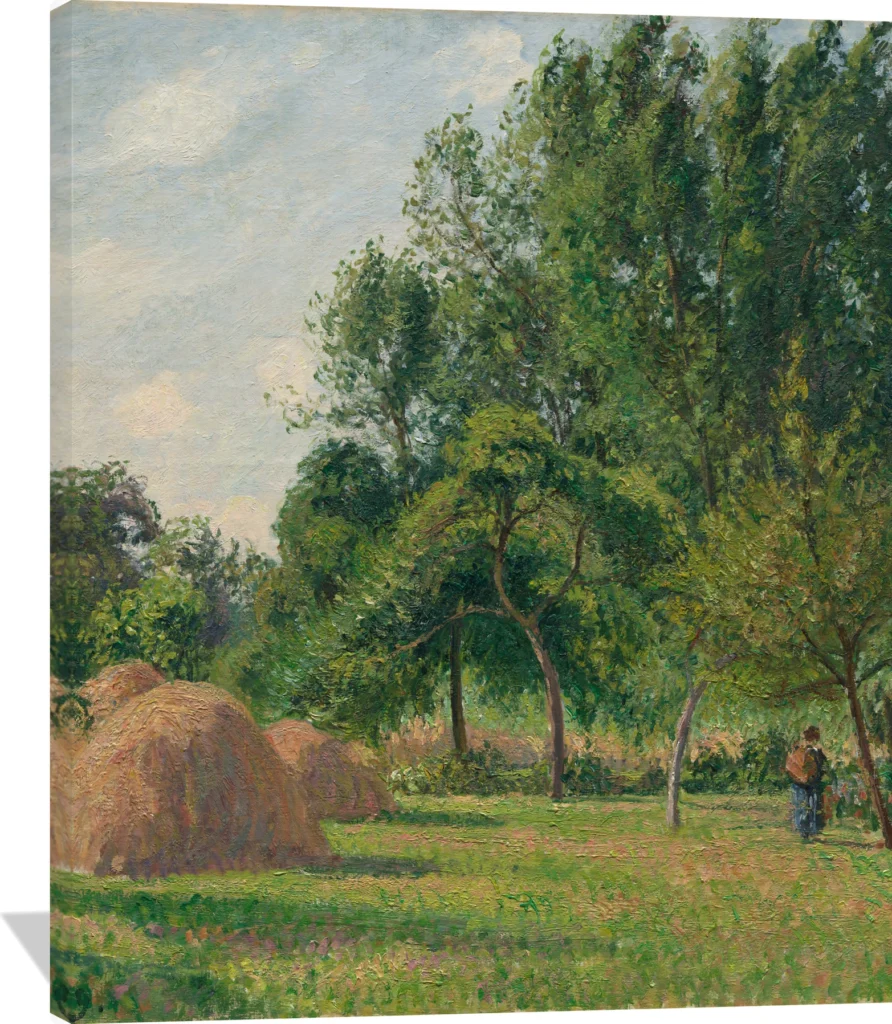
Camille Pissarro’s Haystacks, Morning, Eragny canvas captures the quiet poetry of rural life bathed in soft morning light. Gentle greens, golden ochres, and sky blues blend in delicate brushwork, evoking the freshness of a countryside awakening. The Impressionist texture and natural harmony create a timeless sense of calm and connection to nature.
This museum-quality wall art brings warmth and serenity to any space—perfect for a living room, study, or entryway. A Pissarro canvas print like this transforms your wall into a window to the French landscape, celebrating light, color, and peaceful simplicity.
Camille Pissarro (1830–1903), born in Charlotte Amalie, Saint Thomas, and later active in Paris, was a foundational figure in the emergence of modern art. As one of the few artists to participate in all eight Impressionist exhibitions, he played a vital role in shaping the movement’s philosophy and aesthetics.
Artistic Style
Pissarro’s work is distinguished by its luminous palette, sensitive brushwork, and devotion to capturing the effects of natural light. Initially a leading voice within Impressionism, he later explored the structured, analytical methods of Neo-Impressionism, adopting pointillist techniques for several years. His ability to move fluidly between styles while maintaining a consistent artistic vision makes him a uniquely influential figure in 19th‑century art.
Subjects and Themes
Renowned for his depictions of rural life, Pissarro painted fields, orchards, peasant laborers, and small villages with remarkable empathy and authenticity. In his later career, he turned to urban subjects, creating atmospheric views of Paris, Rouen, and Dieppe from high vantage points. Whether portraying a bustling boulevard or a quiet country road, he infused each scene with a sense of harmony and lived experience.
Legacy and Significance
Often referred to as the “dean” of the Impressionists, Pissarro was a guiding figure within the group, admired for his thoughtful experimentation and generous mentorship. His openness to new ideas and his commitment to portraying modern life with clarity and sincerity remain central to his enduring appeal. Today, his works ranging from pastoral landscapes to dynamic cityscapes stand as some of the most compelling expressions of Impressionist innovation and the evolving spirit of modern art.
Trust & policies
- 🚚 Free worldwide shipping
- 🔁 30-day returns (change of mind)
- 🛡️ If damaged/defective/misprinted: free replacement or full refund
- 🌍 Printed in US/CA/EU/UK/AU (based on delivery location)
- 💎 Made to order using acid-free, fade-resistant canvas
- 💎 Solid wood stretcher bars • Pine floating frames
- 🪝 Ready to hang

Walt Whitman
John White AlexanderCanvas from
32,00 $Select options This product has multiple variants. The options may be chosen on the product pageEmma Homan
John BradleyCanvas from
32,00 $Select options This product has multiple variants. The options may be chosen on the product pageThe Ameya
Robert Frederick BlumCanvas from
32,00 $Select options This product has multiple variants. The options may be chosen on the product pageSeventh Regiment on Review, Washington Square, New York
Otto BoetticherCanvas from
50,00 $Select options This product has multiple variants. The options may be chosen on the product pageStudy in Green and Black
John White AlexanderCanvas from
32,00 $Select options This product has multiple variants. The options may be chosen on the product pageLandscape
Ralph Albert BlakelockCanvas from
33,00 $Select options This product has multiple variants. The options may be chosen on the product pageThe Music Lesson
John George BrownCanvas from
32,00 $Select options This product has multiple variants. The options may be chosen on the product pageSamuel Cutts
Joseph BlackburnCanvas from
32,00 $Select options This product has multiple variants. The options may be chosen on the product pageBaked Pears in Duane Park
William P. ChappelCanvas from
50,00 $Select options This product has multiple variants. The options may be chosen on the product pageEleanor Hardy Bunker
Dennis Miller BunkerCanvas from
32,00 $Select options This product has multiple variants. The options may be chosen on the product pageView at Amalfi, Bay of Salerno
George Loring BrownCanvas from
50,00 $Select options This product has multiple variants. The options may be chosen on the product pageLake of Orta
J. Carroll BeckwithCanvas from
32,00 $Select options This product has multiple variants. The options may be chosen on the product pageAn Indian Encampment
Ralph Albert BlakelockCanvas from
44,00 $Select options This product has multiple variants. The options may be chosen on the product pageFur Traders Descending the Missouri
George Caleb BinghamCanvas from
32,00 $Select options This product has multiple variants. The options may be chosen on the product pageThe Ring
John White AlexanderCanvas from
32,00 $Select options This product has multiple variants. The options may be chosen on the product pageThe Way They Live
Thomas AnshutzCanvas from
33,00 $Select options This product has multiple variants. The options may be chosen on the product pageNevada Falls, Yosemite
Albert BierstadtCanvas from
32,00 $Select options This product has multiple variants. The options may be chosen on the product pageMrs. Benjamin Simons
Henry BenbridgeCanvas from
32,00 $Select options This product has multiple variants. The options may be chosen on the product pageThe Children of Nathan Starr
Ambrose AndrewsCanvas from
32,00 $Select options This product has multiple variants. The options may be chosen on the product pageSea Cove
Albert BierstadtCanvas from
33,00 $Select options This product has multiple variants. The options may be chosen on the product pageMerced River, Yosemite Valley
Albert BierstadtCanvas from
33,00 $Select options This product has multiple variants. The options may be chosen on the product pageJames Badger
Joseph BadgerCanvas from
32,00 $Select options This product has multiple variants. The options may be chosen on the product page
Explore Camille Pissarro
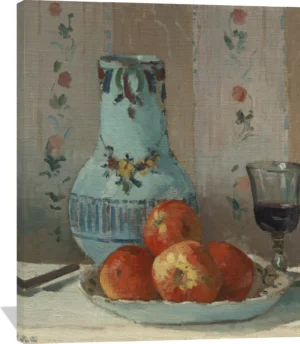
Still Life with Apples and Pitcher
Camille PissarroCanvas from
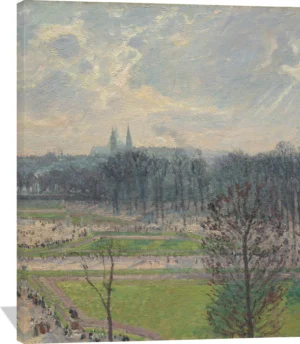
32,00 $Select options This product has multiple variants. The options may be chosen on the product pageThe Garden of the Tuileries on a Winter Afternoon
Camille PissarroCanvas from
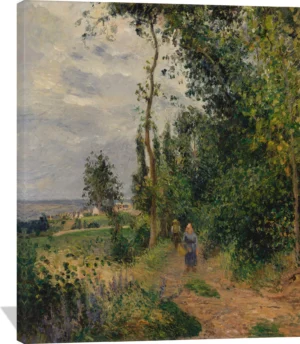
32,00 $Select options This product has multiple variants. The options may be chosen on the product pageCôte des Grouettes, near Pontoise
Camille PissarroCanvas from
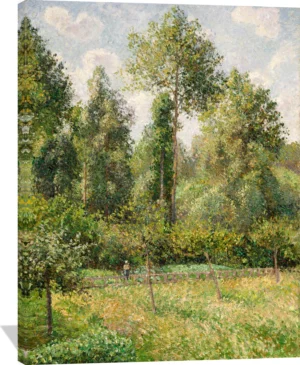
32,00 $Select options This product has multiple variants. The options may be chosen on the product pagePoplars, Eragny
Camille PissarroCanvas from
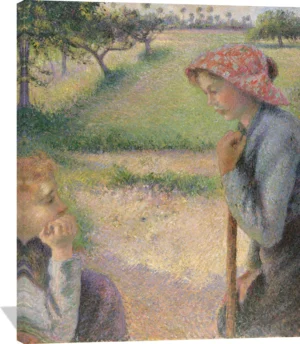
33,00 $Select options This product has multiple variants. The options may be chosen on the product pageTwo Young Peasant Women
Camille PissarroCanvas from
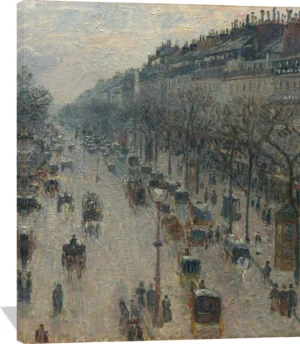
32,00 $Select options This product has multiple variants. The options may be chosen on the product pageThe Boulevard Montmartre on a Winter Morning
Camille PissarroCanvas from
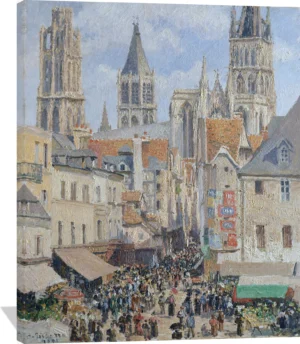
32,00 $Select options This product has multiple variants. The options may be chosen on the product pageRue de l’Epicerie, Rouen (Effect of Sunlight)
Camille PissarroCanvas from
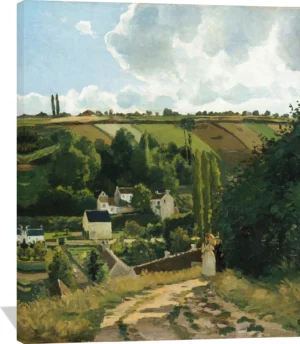
32,00 $Select options This product has multiple variants. The options may be chosen on the product pageJalais Hill, Pontoise
Camille PissarroCanvas from
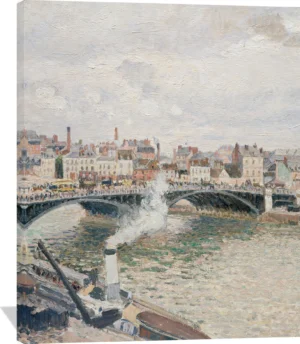
32,00 $Select options This product has multiple variants. The options may be chosen on the product pageMorning, An Overcast Day, Rouen
Camille PissarroCanvas from
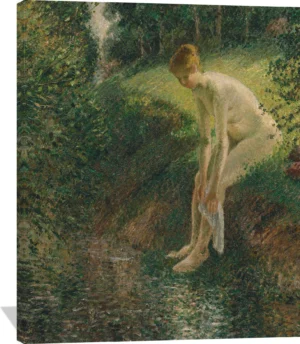
32,00 $Select options This product has multiple variants. The options may be chosen on the product pageBather in the Woods
Camille PissarroCanvas from
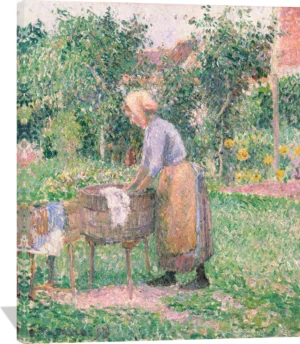
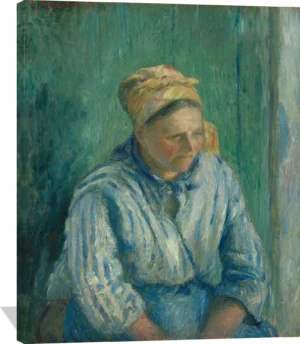
32,00 $Select options This product has multiple variants. The options may be chosen on the product pageA Washerwoman at Eragny
Camille PissarroCanvas from
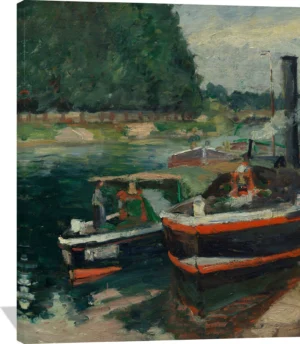
32,00 $Select options This product has multiple variants. The options may be chosen on the product pageBarges at Pontoise
Camille PissarroCanvas from
32,00 $Select options This product has multiple variants. The options may be chosen on the product pageWasherwoman, Study
Camille PissarroCanvas from
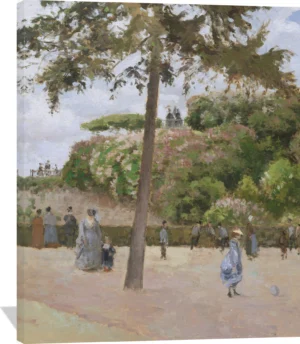
32,00 $Select options This product has multiple variants. The options may be chosen on the product pageThe Public Garden at Pontoise
Camille PissarroCanvas from
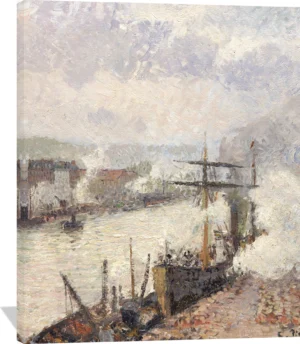
32,00 $Select options This product has multiple variants. The options may be chosen on the product pageSteamboats in the Port of Rouen
Camille PissarroCanvas from
32,00 $Select options This product has multiple variants. The options may be chosen on the product page
Explore Landscapes
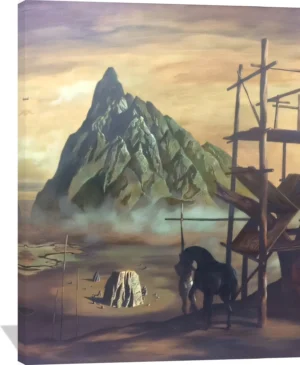
The Black Horse
John AthertonCanvas from
33,00 $Select options This product has multiple variants. The options may be chosen on the product pageWaterfront Mill
Niles SpencerCanvas from
32,00 $Select options This product has multiple variants. The options may be chosen on the product pageDocks on Sunday
Joseph De MartiniCanvas from
32,00 $Select options This product has multiple variants. The options may be chosen on the product pageThe North Cape by Moonlight
Peder BalkeCanvas from
32,00 $Select options This product has multiple variants. The options may be chosen on the product pageChrysanthemums in the Garden at Petit-Gennevilliers
Gustave CaillebotteCanvas from
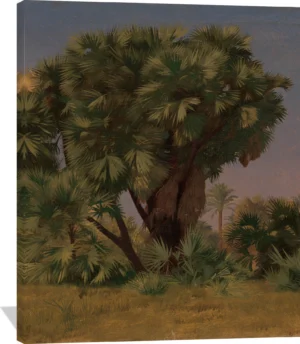
50,00 $Select options This product has multiple variants. The options may be chosen on the product pageStudy of Palm Trees
Jean-Léon GérômeCanvas from
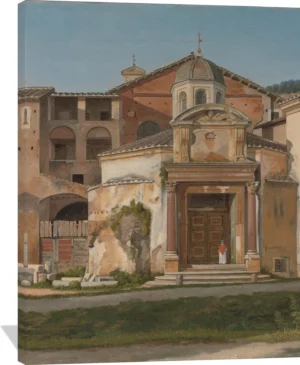
32,00 $Select options This product has multiple variants. The options may be chosen on the product pageA Section of the Via Sacra, Rome (The Church of Saints Cosmas and Damian)
Christoffer Wilhelm EckersbergCanvas from
33,00 $Select options This product has multiple variants. The options may be chosen on the product pageLandscape with Figures
Kenneth Hayes MillerCanvas from
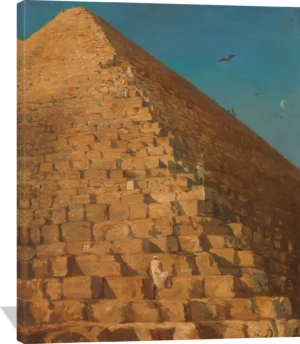
32,00 $Select options This product has multiple variants. The options may be chosen on the product pageThe Great Pyramid, Giza
Adrien DauzatsCanvas from
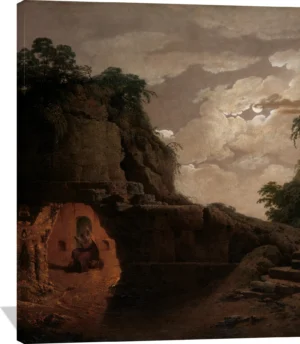
32,00 $Select options This product has multiple variants. The options may be chosen on the product pageVirgil’s Tomb by Moonlight, with Silius Italicus Declaiming
Joseph Wright (Wright of Derby)Canvas from
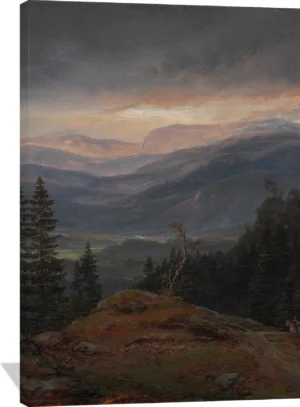
32,00 $Select options This product has multiple variants. The options may be chosen on the product pageView over Hallingdal
Johan Christian DahlCanvas from
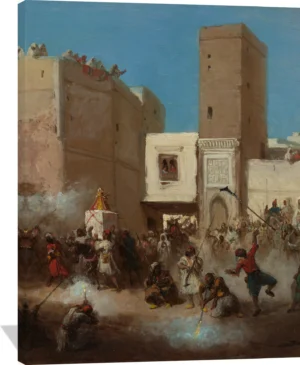
50,00 $Select options This product has multiple variants. The options may be chosen on the product pageWedding Procession
Victor EeckhoutCanvas from
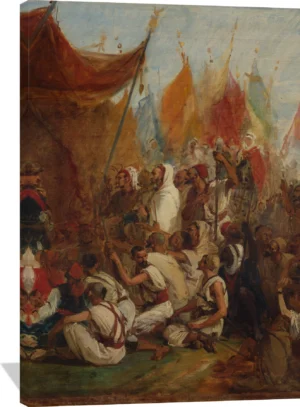
33,00 $Select options This product has multiple variants. The options may be chosen on the product pageSketch for “Reception of Emperor Napoleon III and Empress Eugénie by the Kabyle Leaders at Algiers on September 18, 1860”
Isidore PilsCanvas from
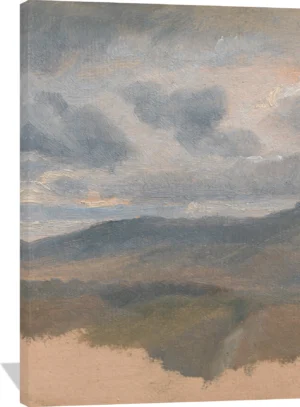
50,00 $Select options This product has multiple variants. The options may be chosen on the product pageLandscape Study with Clouds
Emile LoubonCanvas from
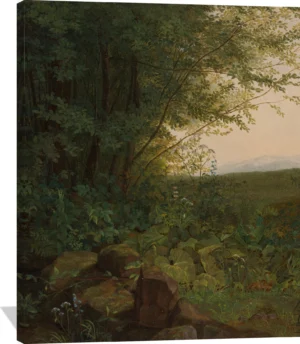
50,00 $Select options This product has multiple variants. The options may be chosen on the product pageAt the Edge of the Forest
August HeinrichCanvas from
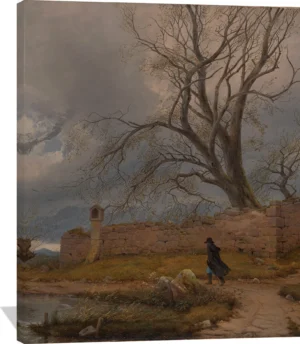
32,00 $Select options This product has multiple variants. The options may be chosen on the product pageWanderer in the Storm
Julius von LeypoldCanvas from
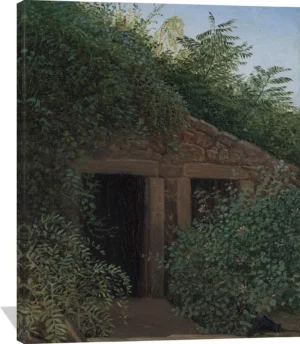
32,00 $Select options This product has multiple variants. The options may be chosen on the product pageAn Overgrown Mineshaft
Carl Gustav CarusCanvas from
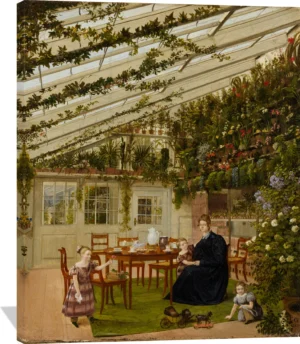
32,00 $Select options This product has multiple variants. The options may be chosen on the product pageThe Family of Mr. Westphal in the Conservatory
Eduard GaertnerCanvas from
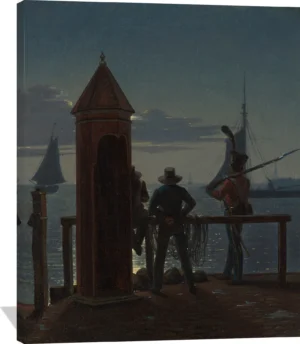
32,00 $Select options This product has multiple variants. The options may be chosen on the product pageView from the Citadel Ramparts in Copenhagen by Moonlight
Martinus RørbyeCanvas from
32,00 $Select options This product has multiple variants. The options may be chosen on the product pageThe Cemetery at Pronoia near Nauplia
Carl RottmannCanvas from
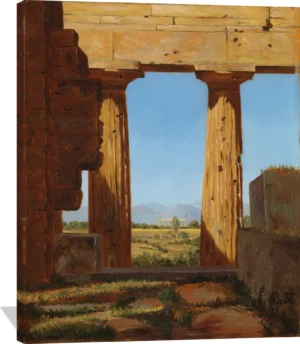
32,00 $Select options This product has multiple variants. The options may be chosen on the product pageColumns of the Temple of Neptune at Paestum
Constantin HansenCanvas from
32,00 $Select options This product has multiple variants. The options may be chosen on the product page
Explore Vibrant
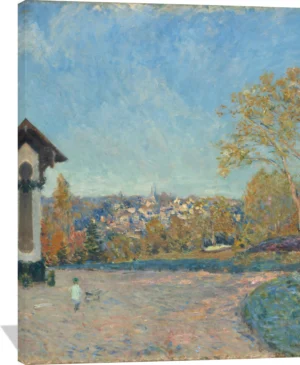
View of Marly-le-Roi from Coeur-Volant
Alfred SisleyCanvas from
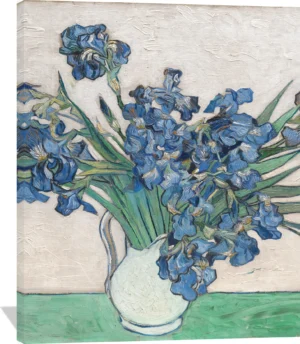
33,00 $Select options This product has multiple variants. The options may be chosen on the product pageIrises
Vincent van GoghCanvas from
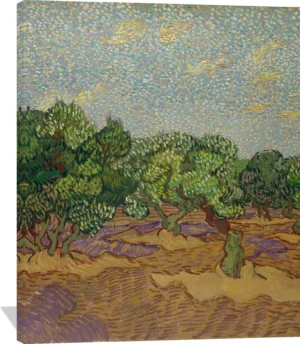
32,00 $Select options This product has multiple variants. The options may be chosen on the product pageOlive Trees
Vincent van GoghCanvas from
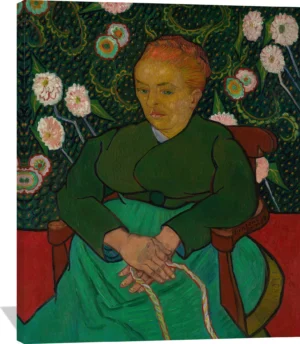
32,00 $Select options This product has multiple variants. The options may be chosen on the product pageLa Berceuse (Woman Rocking a Cradle; Augustine-Alix Pellicot Roulin, 1851–1930)
Vincent van GoghCanvas from
32,00 $Select options This product has multiple variants. The options may be chosen on the product pageBouquet of Chrysanthemums
Auguste RenoirCanvas from
32,00 $Select options This product has multiple variants. The options may be chosen on the product pageThe Bridge at Villeneuve-la-Garenne
Alfred SisleyCanvas from
32,00 $Select options This product has multiple variants. The options may be chosen on the product pageSahurs Meadows in Morning Sun
Alfred SisleyCanvas from
32,00 $Select options This product has multiple variants. The options may be chosen on the product pageThe Road from Moret to Saint-Mammès
Alfred SisleyCanvas from
32,00 $Select options This product has multiple variants. The options may be chosen on the product pageThe Bay of Naples
Auguste RenoirCanvas from
32,00 $Select options This product has multiple variants. The options may be chosen on the product pageA Road in Louveciennes
Auguste RenoirCanvas from
32,00 $Select options This product has multiple variants. The options may be chosen on the product pageHills around the Bay of Moulin Huet, Guernsey
Auguste RenoirCanvas from
33,00 $Select options This product has multiple variants. The options may be chosen on the product pageView of the Seacoast near Wargemont in Normandy
Auguste RenoirCanvas from
32,00 $Select options This product has multiple variants. The options may be chosen on the product pageThe Farm at Les Collettes, Cagnes
Auguste RenoirCanvas from
32,00 $Select options This product has multiple variants. The options may be chosen on the product pageWomen Picking Olives
Vincent van GoghCanvas from
32,00 $Select options This product has multiple variants. The options may be chosen on the product pageWheat Field with Cypresses
Vincent van GoghCanvas from
32,00 $Select options This product has multiple variants. The options may be chosen on the product pageOleanders
Vincent van GoghCanvas from
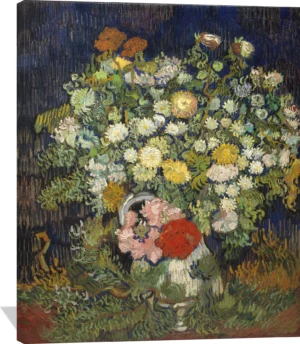
32,00 $Select options This product has multiple variants. The options may be chosen on the product pageBouquet of Flowers in a Vase
Vincent van GoghCanvas from
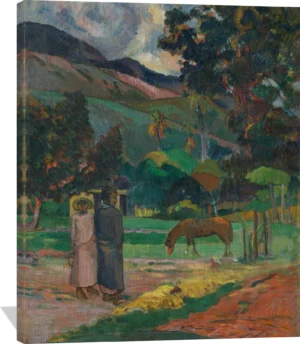
32,00 $Select options This product has multiple variants. The options may be chosen on the product pageTahitian Landscape
Paul GauguinCanvas from
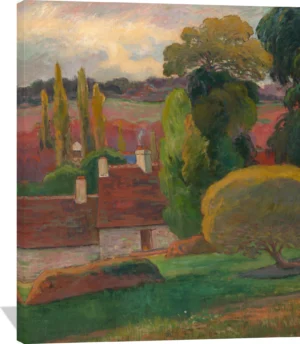
32,00 $Select options This product has multiple variants. The options may be chosen on the product pageA Farm in Brittany
Paul GauguinCanvas from
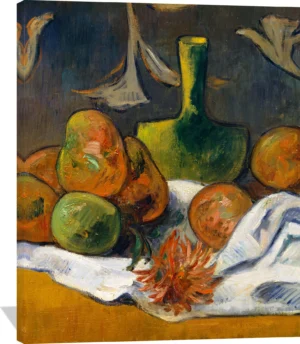
32,00 $Select options This product has multiple variants. The options may be chosen on the product pageStill Life
Paul GauguinCanvas from
32,00 $Select options This product has multiple variants. The options may be chosen on the product pageThe Constitution and the Guerriere
Thomas ChambersCanvas from
33,00 $Select options This product has multiple variants. The options may be chosen on the product page
Explore Rural Scenes
A Man and a Woman on Horseback
Philips WouwermanCanvas from
32,00 $Select options This product has multiple variants. The options may be chosen on the product pageLandscape with Peasants at a Fountain
Francesco ZuccarelliCanvas from
50,00 $Select options This product has multiple variants. The options may be chosen on the product pageGoing Home
Fritz von UhdeCanvas from
32,00 $Select options This product has multiple variants. The options may be chosen on the product pageGoing to Market
Constant TroyonCanvas from
32,00 $Select options This product has multiple variants. The options may be chosen on the product pageLandscape with Cattle
Jacob van StrijCanvas from
32,00 $Select options This product has multiple variants. The options may be chosen on the product pageThe Third Duke of Dorset’s Hunter with a Groom and a Dog
George StubbsCanvas from
32,00 $Select options This product has multiple variants. The options may be chosen on the product pagePeasants Dancing and Feasting
David Teniers the YoungerCanvas from
32,00 $Select options This product has multiple variants. The options may be chosen on the product pageLandscape with a Village in the Distance
Jacob van RuisdaelCanvas from
33,00 $Select options This product has multiple variants. The options may be chosen on the product pageThe Banks of the Bièvre near Bicêtre
Henri Rousseau (le Douanier)Canvas from
32,00 $Select options This product has multiple variants. The options may be chosen on the product pagePreparing for Christmas (Plucking Turkeys)
Francis William EdmondsCanvas from
32,00 $Select options This product has multiple variants. The options may be chosen on the product pageOn the Old Sod
William MagrathCanvas from
32,00 $Select options This product has multiple variants. The options may be chosen on the product pageCamp Fire
Winslow HomerCanvas from
50,00 $Select options This product has multiple variants. The options may be chosen on the product pageRed School House (Country Scene)
George Henry DurrieCanvas from
33,00 $Select options This product has multiple variants. The options may be chosen on the product pagePicquigny
Frits ThaulowCanvas from
32,00 $Select options This product has multiple variants. The options may be chosen on the product pageRoman Landscape with a Shepherd and Sheep
Giovanni Benedetto Castiglione (Il Grechetto)Canvas from
44,00 $Select options This product has multiple variants. The options may be chosen on the product pageView in the Stables of the Villa of Maecenas, Tivoli
François Marius GranetCanvas from
32,00 $Select options This product has multiple variants. The options may be chosen on the product pageYoung Ladies of the Village
Gustave CourbetCanvas from
32,00 $Select options This product has multiple variants. The options may be chosen on the product pageRetreat from the Storm
Jean-François MilletCanvas from
32,00 $Select options This product has multiple variants. The options may be chosen on the product pageView near Rouen
Richard Parkes BoningtonCanvas from
32,00 $Select options This product has multiple variants. The options may be chosen on the product pageThe Villa Loredan, Paese
Francesco GuardiCanvas from
50,00 $Select options This product has multiple variants. The options may be chosen on the product pageRoad in the Woods
Constant TroyonCanvas from
32,00 $Select options This product has multiple variants. The options may be chosen on the product page