
Mrs. James Pulham Sr. (Frances Amys, ca. 1766–1856)
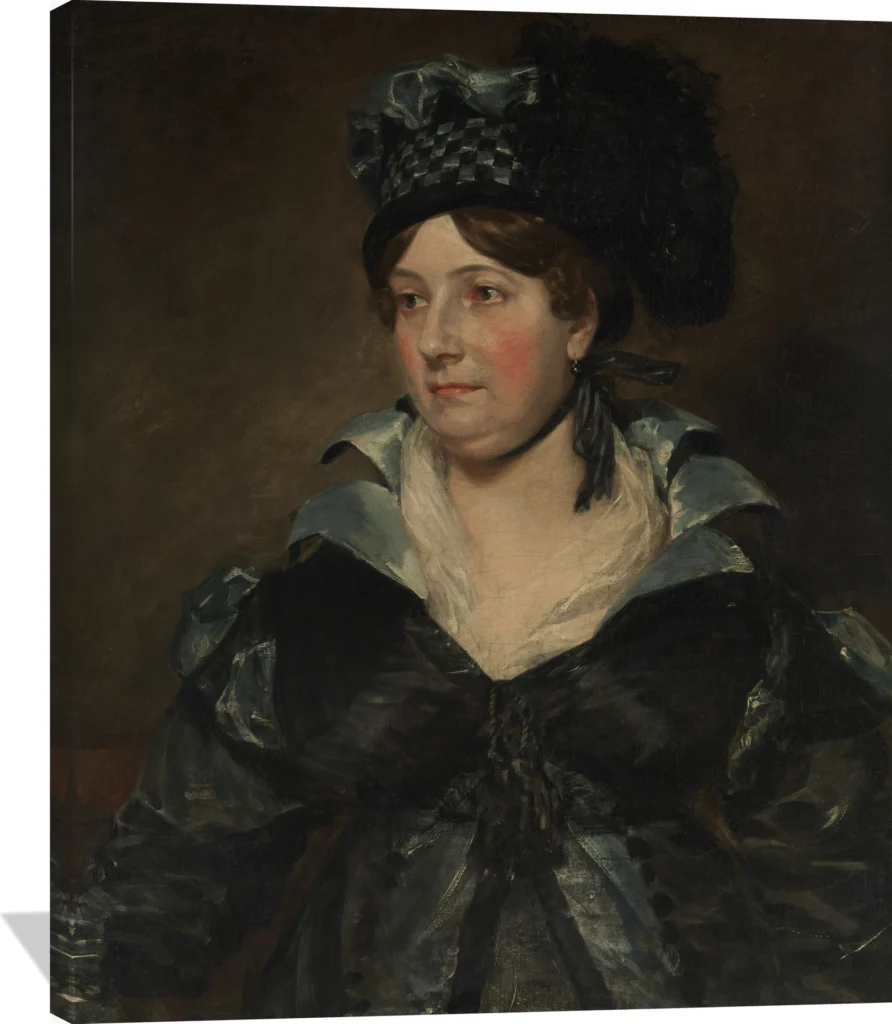
The John Constable Mrs. James Pulham Sr. (Frances Amys, ca. 1766–1856) canvas captures timeless elegance through masterful brushwork and rich, natural tones. Deep blacks, muted blues, and soft flesh hues create a refined portrait that exudes quiet dignity and warmth. The subtle play of light against the sitter’s satin attire and serene expression reflects Constable’s sensitivity to both character and atmosphere.
This exquisite canvas print brings a touch of classical sophistication to any setting. Ideal for a living room, study, or entryway, it offers a graceful focal point that celebrates British portraiture at its finest. A statement piece for collectors who appreciate art with enduring presence and poise.
John Constable (British, East Bergholt 1776–1837 Hampstead) was one of the most influential landscape painters of the Romantic era, celebrated for his deeply observed studies of nature and his transformative approach to rural scenery.
Artistic Style
Constable’s style is distinguished by its luminous naturalism, expressive brushwork, and keen atmospheric sensitivity. His commitment to painting directly from nature produced landscapes rich in texture, movement, and meteorological detail. He pioneered the use of vibrant color touches and broken brushstrokes that conveyed shifting light, helping lay the groundwork for later developments in European landscape painting.
Subjects and Themes
Drawing inspiration from the countryside of Suffolk, Constable elevated humble rural settings into poetic expressions of place. His scenes often feature farm buildings, waterways, expansive skies, and working agricultural life, capturing both the serenity and vitality of the English landscape. Works such as The Hay Wain and Dedham Vale exemplify his dedication to authentic observation and emotional resonance.
Legacy and Significance
Constable profoundly shaped the course of landscape art through his innovative studies of light and weather. His field sketches, once considered unconventional, later became essential references for generations of artists seeking immediacy and truth in nature. Widely admired in Britain and France, his work played a key role in the evolution of modern painting, influencing the Barbizon School and contributing to the foundations of Impressionism.
Today, Constable remains celebrated for his evocative naturalism and his ability to transform familiar countryside scenes into enduring visions of beauty and atmosphere.
Trust & policies
- 🚚 Free tracked shipping to 45+ countries. Local import duties or taxes may apply in some destinations.
- 🎨 Made-to-order, printed close to your delivery location
- 🛡️ If damaged, defective, or misprinted: free replacement or refund
- 🌍 Printed in US/CA/EU/UK/AU based on delivery location
- 💎 Acid-free, fade-resistant canvas with solid wood stretcher bars
- 🖼️ Optional pine floating frames in white, black, or brown
- 🪝 Ready to hang — hardware pre-installed