Artistic Style
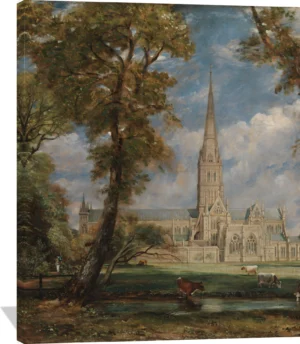
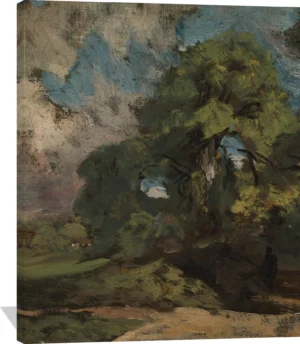
Constable’s style is distinguished by its luminous naturalism, expressive brushwork, and keen atmospheric sensitivity. His commitment to painting directly from nature produced landscapes rich in texture, movement, and meteorological detail. He pioneered the use of vibrant color touches and broken brushstrokes that conveyed shifting light, helping lay the groundwork for later developments in European landscape painting.
Subjects and Themes
Drawing inspiration from the countryside of Suffolk, Constable elevated humble rural settings into poetic expressions of place. His scenes often feature farm buildings, waterways, expansive skies, and working agricultural life, capturing both the serenity and vitality of the English landscape. Works such as The Hay Wain and Dedham Vale exemplify his dedication to authentic observation and emotional resonance.
Legacy and Significance
Constable profoundly shaped the course of landscape art through his innovative studies of light and weather. His field sketches, once considered unconventional, later became essential references for generations of artists seeking immediacy and truth in nature. Widely admired in Britain and France, his work played a key role in the evolution of modern painting, influencing the Barbizon School and contributing to the foundations of Impressionism.
Today, Constable remains celebrated for his evocative naturalism and his ability to transform familiar countryside scenes into enduring visions of beauty and atmosphere.