The Pleiades
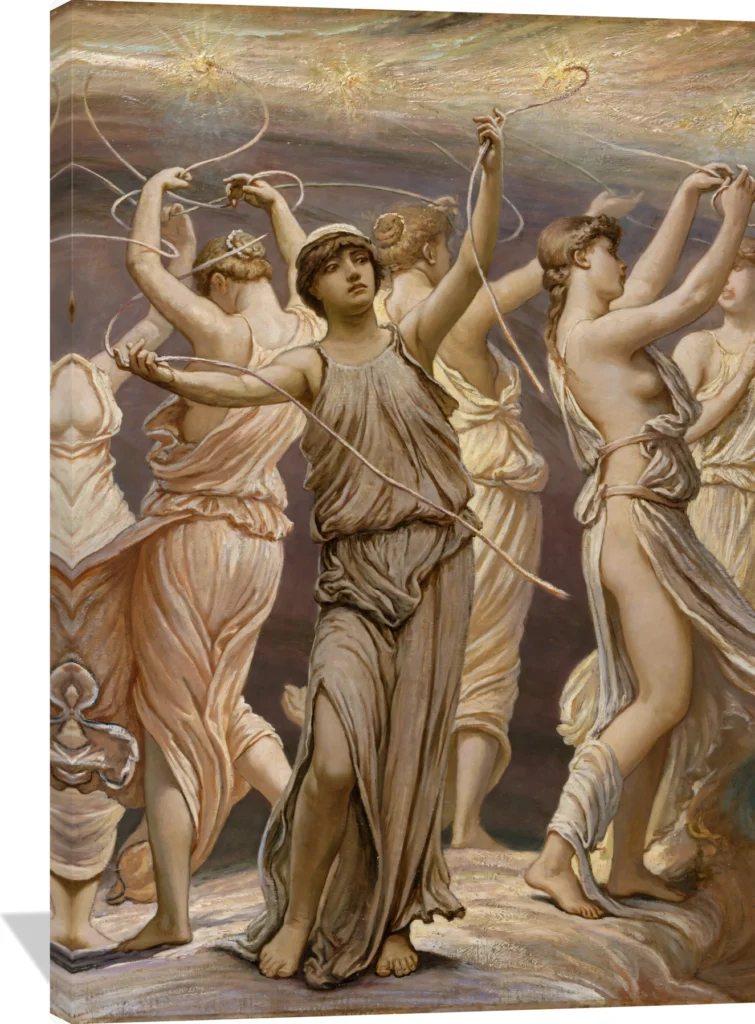
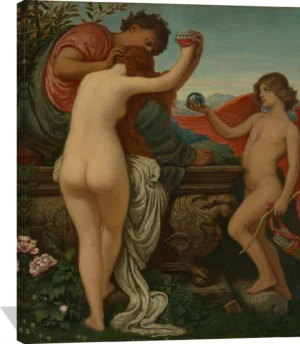
The Elihu Vedder The Pleiades canvas captures a celestial dance of mythic grace and luminous beauty. Draped figures swirl beneath a cosmic sky, their flowing forms rendered in soft tones of gold, rose, and muted lavender. Vedder’s masterful composition evokes motion and harmony, blending classical elegance with dreamlike mysticism.
This premium canvas print brings timeless artistry to your space, ideal for a living room, study, or refined entryway. The The Pleiades wall art infuses any interior with a sense of wonder and serenity, celebrating the enduring allure of myth and the stars.
Elihu Vedder (American, New York 1836–1923 Rome) was a visionary painter and illustrator whose career bridged the intellectual curiosity of the American Renaissance with the poetic mysticism of European Symbolism. His lifelong connection to Rome deeply shaped the atmospheric quality and narrative richness of his work.
Artistic Style and Vision
Vedder’s art is distinguished by its dreamlike imagery, delicate draftsmanship, and a contemplative approach to myth and allegory. Blending classical influences with an imaginative, almost otherworldly sensibility, he often explored themes of fate, mysticism, and the human psyche. His refined handling of tone and texture, paired with shadowy, evocative compositions, established him as a central figure in the emerging Symbolist movement in the United States.
Notable Contributions
Vedder achieved lasting recognition for his illustrations to Edward FitzGerald’s translation of the Rubáiyát of Omar Khayyám, a body of work celebrated for its poetic unity and visionary intensity. These images helped cement his reputation as a master of evocative, philosophical art and broadened Symbolism’s reach within American cultural circles. His role in shaping book illustration and the era’s revival of allegorical subjects remains culturally influential.
Subjects and Themes
Typical subjects in Vedder’s work include mythological figures, personifications, and introspective scenes set against atmospheric landscapes. He gravitated toward images that suggested hidden meaning or emotional depth, inviting viewers to contemplate destiny, transience, and inner transformation. Whether painting solitary figures or elaborate narrative visions, Vedder infused his compositions with a quiet intensity that feels both timeless and deeply personal.
Legacy
Revered for his contribution to American art in the late nineteenth and early twentieth centuries, Vedder left a legacy defined by imagination, technical elegance, and symbolic resonance. His ability to merge classical beauty with introspective mystery continues to inspire collectors and admirers of visionary art. Through his paintings and illustrated works, he secured a place as one of the era’s most distinctive and enduring artistic voices.
Trust & policies
- 🚚 Free worldwide shipping
- 🔁 30-day returns (change of mind)
- 🛡️ If damaged/defective/misprinted: free replacement or full refund
- 🌍 Printed in US/CA/EU/UK/AU (based on delivery location)
- 💎 Made to order using acid-free, fade-resistant canvas
- 💎 Solid wood stretcher bars • Pine floating frames
- 🪝 Ready to hang

Portrait of a Gentleman
Henry BenbridgeCanvas from
142,00 leiSelect options This product has multiple variants. The options may be chosen on the product pageThe Ring
John White AlexanderCanvas from
142,00 leiSelect options This product has multiple variants. The options may be chosen on the product pageSamuel Cutts
Joseph BlackburnCanvas from
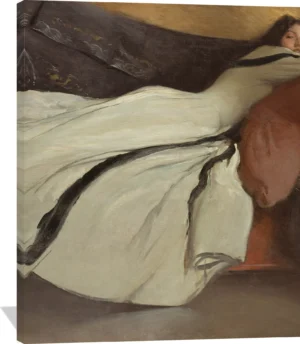
142,00 leiSelect options This product has multiple variants. The options may be chosen on the product pageRepose
John White AlexanderCanvas from
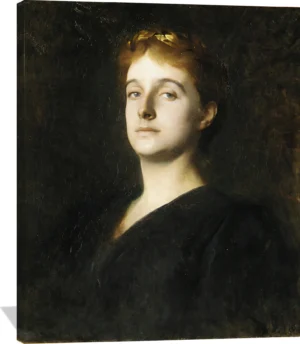
142,00 leiSelect options This product has multiple variants. The options may be chosen on the product pageEleanor Hardy Bunker
Dennis Miller BunkerCanvas from
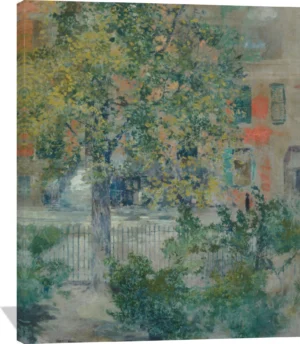
142,00 leiSelect options This product has multiple variants. The options may be chosen on the product pageView from the Artist’s Window, Grove Street
Robert Frederick BlumCanvas from
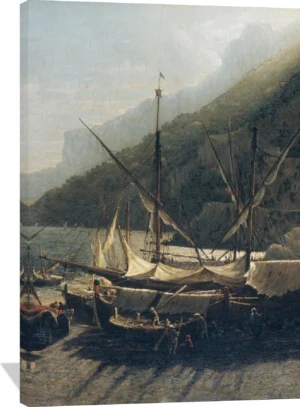
142,00 leiSelect options This product has multiple variants. The options may be chosen on the product pageView at Amalfi, Bay of Salerno
George Loring BrownCanvas from
222,00 leiSelect options This product has multiple variants. The options may be chosen on the product pageJohn F. Kensett
George Augustus Baker Jr.Canvas from
142,00 leiSelect options This product has multiple variants. The options may be chosen on the product pageEmma Homan
John BradleyCanvas from
142,00 leiSelect options This product has multiple variants. The options may be chosen on the product pageLandscape
Ralph Albert BlakelockCanvas from
146,00 leiSelect options This product has multiple variants. The options may be chosen on the product pageMrs. Samuel Cutts
Joseph BlackburnCanvas from
142,00 leiSelect options This product has multiple variants. The options may be chosen on the product pageBaked Pears in Duane Park
William P. ChappelCanvas from
222,00 leiSelect options This product has multiple variants. The options may be chosen on the product pageMerced River, Yosemite Valley
Albert BierstadtCanvas from
146,00 leiSelect options This product has multiple variants. The options may be chosen on the product pageThe Ameya
Robert Frederick BlumCanvas from
142,00 leiSelect options This product has multiple variants. The options may be chosen on the product pageThe Children of Nathan Starr
Ambrose AndrewsCanvas from
142,00 leiSelect options This product has multiple variants. The options may be chosen on the product pagePhilip Van Cortlandt
Ezra AmesCanvas from
142,00 leiSelect options This product has multiple variants. The options may be chosen on the product pageWalt Whitman
John White AlexanderCanvas from
142,00 leiSelect options This product has multiple variants. The options may be chosen on the product pageThe Music Lesson
John George BrownCanvas from
142,00 leiSelect options This product has multiple variants. The options may be chosen on the product pageStudy in Green and Black
John White AlexanderCanvas from
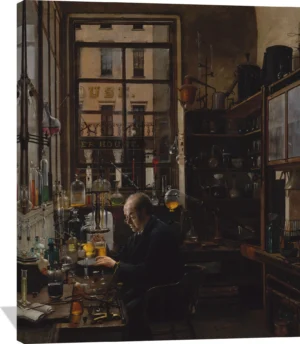
142,00 leiSelect options This product has multiple variants. The options may be chosen on the product pageIn the Laboratory
Henry AlexanderCanvas from
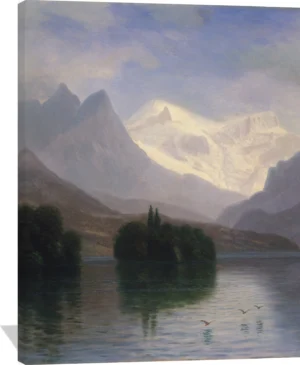
142,00 leiSelect options This product has multiple variants. The options may be chosen on the product pageMountain Scene
Albert BierstadtCanvas from
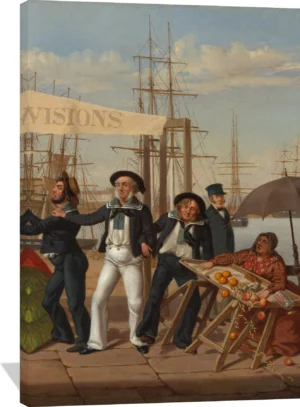
146,00 leiSelect options This product has multiple variants. The options may be chosen on the product pageAfter a Long Cruise
John CarlinCanvas from
222,00 leiSelect options This product has multiple variants. The options may be chosen on the product page





Explore Fantasy
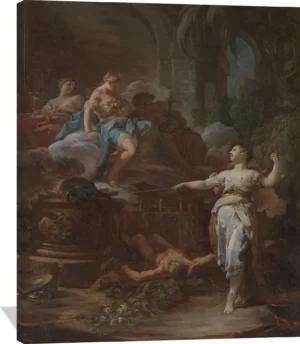
Medea Rejuvenating Aeson
Corrado GiaquintoCanvas from
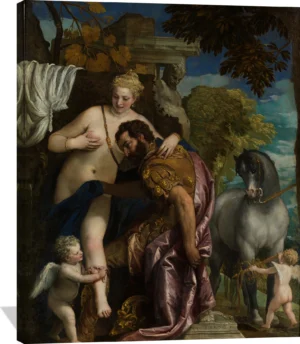
142,00 leiSelect options This product has multiple variants. The options may be chosen on the product pageMars and Venus United by Love
Paolo Veronese (Paolo Caliari)Canvas from
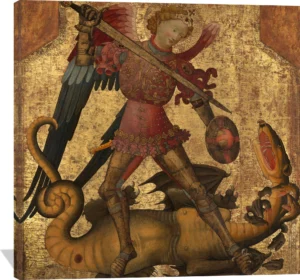
142,00 leiSelect options This product has multiple variants. The options may be chosen on the product pageSaint Michael and the Dragon
Spanish (Valencian) Painter(?)Canvas from
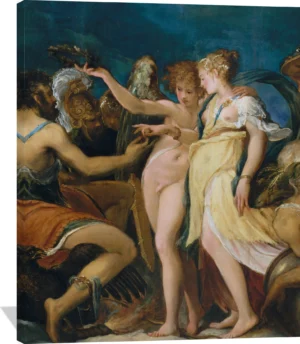
195,00 leiSelect options This product has multiple variants. The options may be chosen on the product pageThe Marriage of Cupid and Psyche
Andrea Schiavone (Andrea Meldola)Canvas from
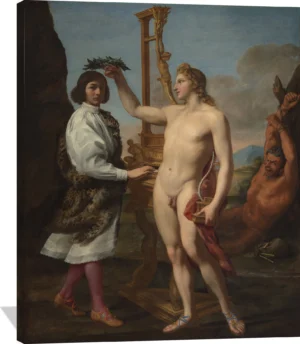
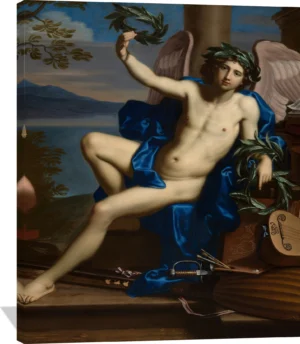
142,00 leiSelect options This product has multiple variants. The options may be chosen on the product pageMarcantonio Pasqualini (1614–1691) Crowned by Apollo
Andrea SacchiCanvas from
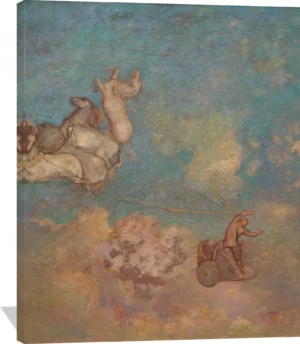
142,00 leiSelect options This product has multiple variants. The options may be chosen on the product pageThe Chariot of Apollo
Odilon RedonCanvas from
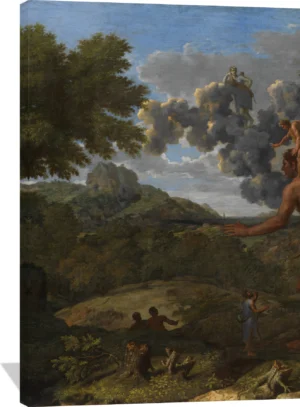
142,00 leiSelect options This product has multiple variants. The options may be chosen on the product pageBlind Orion Searching for the Rising Sun
Nicolas PoussinCanvas from
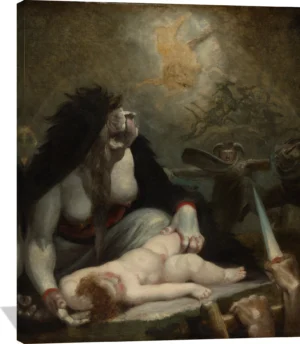
222,00 leiSelect options This product has multiple variants. The options may be chosen on the product pageThe Night-Hag Visiting Lapland Witches
Henry FuseliCanvas from
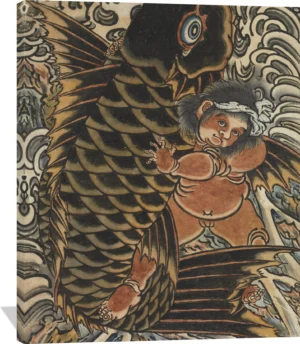
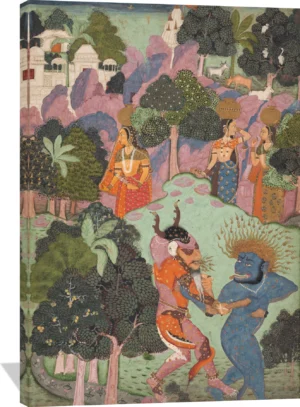
142,00 leiSelect options This product has multiple variants. The options may be chosen on the product pageKintaro with Carp
Canvas from
142,00 leiSelect options This product has multiple variants. The options may be chosen on the product pageDemons Fighting Over an Animal Limb
Canvas from
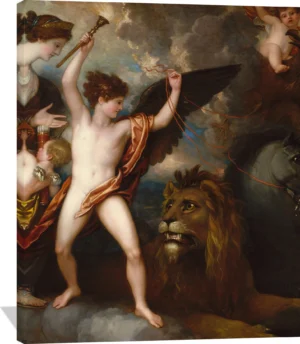
222,00 leiSelect options This product has multiple variants. The options may be chosen on the product pageOmnia Vincit Amor, or The Power of Love in the Three Elements
Benjamin WestCanvas from
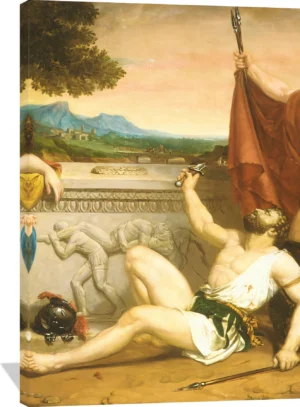
142,00 leiSelect options This product has multiple variants. The options may be chosen on the product pageThe Wages of War
Henry Peters GrayCanvas from
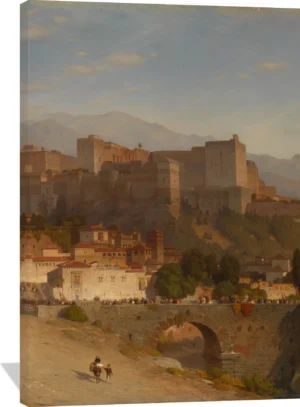
222,00 leiSelect options This product has multiple variants. The options may be chosen on the product pageThe Hill of the Alhambra, Granada
Samuel ColmanCanvas from
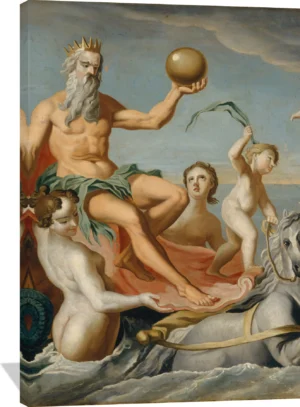
222,00 leiSelect options This product has multiple variants. The options may be chosen on the product pageThe Return of Neptune
John Singleton CopleyCanvas from
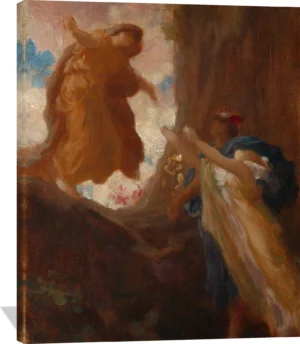
222,00 leiSelect options This product has multiple variants. The options may be chosen on the product pageThe Return of Persephone
Frederic, Lord LeightonCanvas from
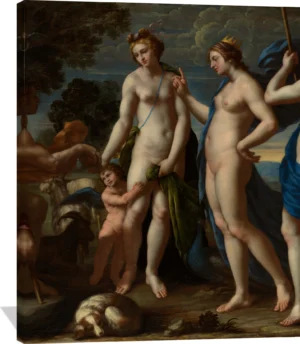
142,00 leiSelect options This product has multiple variants. The options may be chosen on the product pageJudgment of Paris
Alessandro TurchiCanvas from
142,00 leiSelect options This product has multiple variants. The options may be chosen on the product pageAllegory of Sacred and Profane Love
Michele DesubleoCanvas from
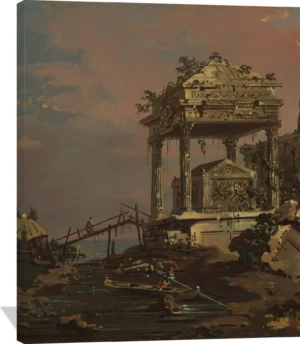
142,00 leiSelect options This product has multiple variants. The options may be chosen on the product pageImaginary View with a Tomb by the Lagoon
Canaletto (Giovanni Antonio Canal)Canvas from
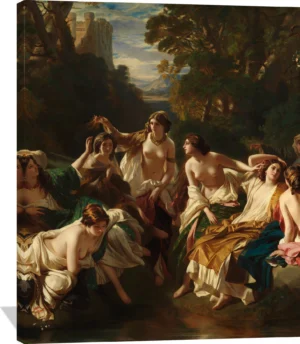
142,00 leiSelect options This product has multiple variants. The options may be chosen on the product pageFlorinda
Franz Xaver WinterhalterCanvas from
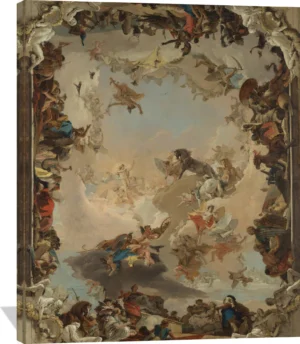
142,00 leiSelect options This product has multiple variants. The options may be chosen on the product pageAllegory of the Planets and Continents
Giovanni Battista TiepoloCanvas from
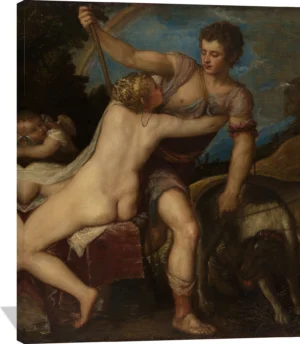
142,00 leiSelect options This product has multiple variants. The options may be chosen on the product pageVenus and Adonis
Titian (Tiziano Vecellio)Canvas from
142,00 leiSelect options This product has multiple variants. The options may be chosen on the product page
Explore Ethereal
Cloud Study (Early Evening)
Simon DenisCanvas from
142,00 leiSelect options This product has multiple variants. The options may be chosen on the product pageSaltash with the Water Ferry, Cornwall
Joseph Mallord William TurnerCanvas from
142,00 leiSelect options This product has multiple variants. The options may be chosen on the product pageEgrets in a Tree at Night
Watanabe SeiteiCanvas from
142,00 leiSelect options This product has multiple variants. The options may be chosen on the product pageSage Floating on Lotus Leaf
Unidentified artistCanvas from
142,00 leiSelect options This product has multiple variants. The options may be chosen on the product pageUnderneath Niagara Falls
Ferdinand RichardtCanvas from
142,00 leiSelect options This product has multiple variants. The options may be chosen on the product pageSpring Landscape
Thomas DoughtyCanvas from
146,00 leiSelect options This product has multiple variants. The options may be chosen on the product pageThe Aegean Sea
Frederic Edwin ChurchCanvas from
222,00 leiSelect options This product has multiple variants. The options may be chosen on the product pageCloud Study (Distant Storm)
Simon DenisCanvas from
142,00 leiSelect options This product has multiple variants. The options may be chosen on the product pageWhalers
Joseph Mallord William TurnerCanvas from
142,00 leiSelect options This product has multiple variants. The options may be chosen on the product pageVenice, from the Porch of Madonna della Salute
Joseph Mallord William TurnerCanvas from
142,00 leiSelect options This product has multiple variants. The options may be chosen on the product pageVase of Flowers (Pink Background)
Odilon RedonCanvas from
142,00 leiSelect options This product has multiple variants. The options may be chosen on the product pageTamaris
Pierre Puvis de ChavannesCanvas from
222,00 leiSelect options This product has multiple variants. The options may be chosen on the product pageSleep
Pierre Puvis de ChavannesCanvas from
222,00 leiSelect options This product has multiple variants. The options may be chosen on the product pageRed Sunset
Arkhyp Kuindzhi (Arkhip Ivanovich Kuindzhi)Canvas from
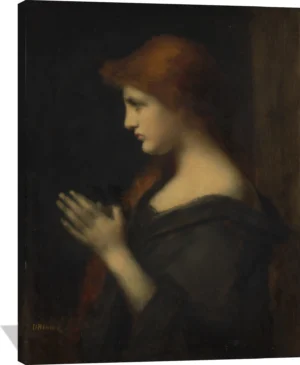
146,00 leiSelect options This product has multiple variants. The options may be chosen on the product pageYoung Woman Praying
Jean-Jacques HennerCanvas from
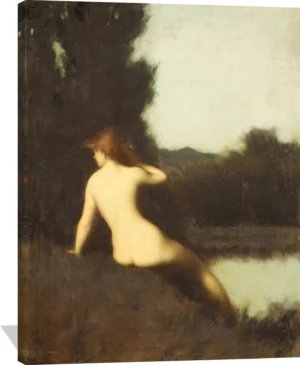
146,00 leiSelect options This product has multiple variants. The options may be chosen on the product pageA Bather (Echo)
Jean-Jacques HennerCanvas from
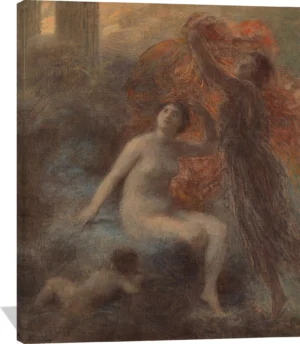
146,00 leiSelect options This product has multiple variants. The options may be chosen on the product pageThe Palace of Aurora
Henri Fantin-LatourCanvas from
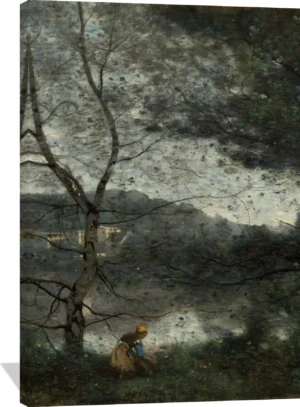
142,00 leiSelect options This product has multiple variants. The options may be chosen on the product pageVille-d’Avray
Camille CorotCanvas from
222,00 leiSelect options This product has multiple variants. The options may be chosen on the product pageVisiting a Friend
Seki ShūkōCanvas from
142,00 leiSelect options This product has multiple variants. The options may be chosen on the product pageTraveling by Moonlight
Kawabata GyokushōCanvas from
142,00 leiSelect options This product has multiple variants. The options may be chosen on the product pageBlossoms by a River
Kawabata GyokushōCanvas from
142,00 leiSelect options This product has multiple variants. The options may be chosen on the product page





Explore Fairy
The Death of Harmonia
Jean-Baptiste Marie PierreCanvas from
142,00 leiSelect options This product has multiple variants. The options may be chosen on the product pageThe Toilette of Venus
François BoucherCanvas from
142,00 leiSelect options This product has multiple variants. The options may be chosen on the product pageThe Disillusioned Medea
Paulus BorCanvas from
146,00 leiSelect options This product has multiple variants. The options may be chosen on the product pagePygmalion and Galatea as Infants
French PainterCanvas from
195,00 leiSelect options This product has multiple variants. The options may be chosen on the product pageThe Temptation of Eros
Angelica KauffmannCanvas from
142,00 leiSelect options This product has multiple variants. The options may be chosen on the product pageThe Victory of Eros
Angelica KauffmannCanvas from
142,00 leiSelect options This product has multiple variants. The options may be chosen on the product pageThe Cup of Love
Elihu VedderCanvas from
142,00 leiSelect options This product has multiple variants. The options may be chosen on the product pageMercy’s Dream
Daniel HuntingtonCanvas from
142,00 leiSelect options This product has multiple variants. The options may be chosen on the product pageFortune: A Study for “The Discoverer”
William Morris HuntCanvas from
146,00 leiSelect options This product has multiple variants. The options may be chosen on the product page