
Charles Henry Augustus Carter
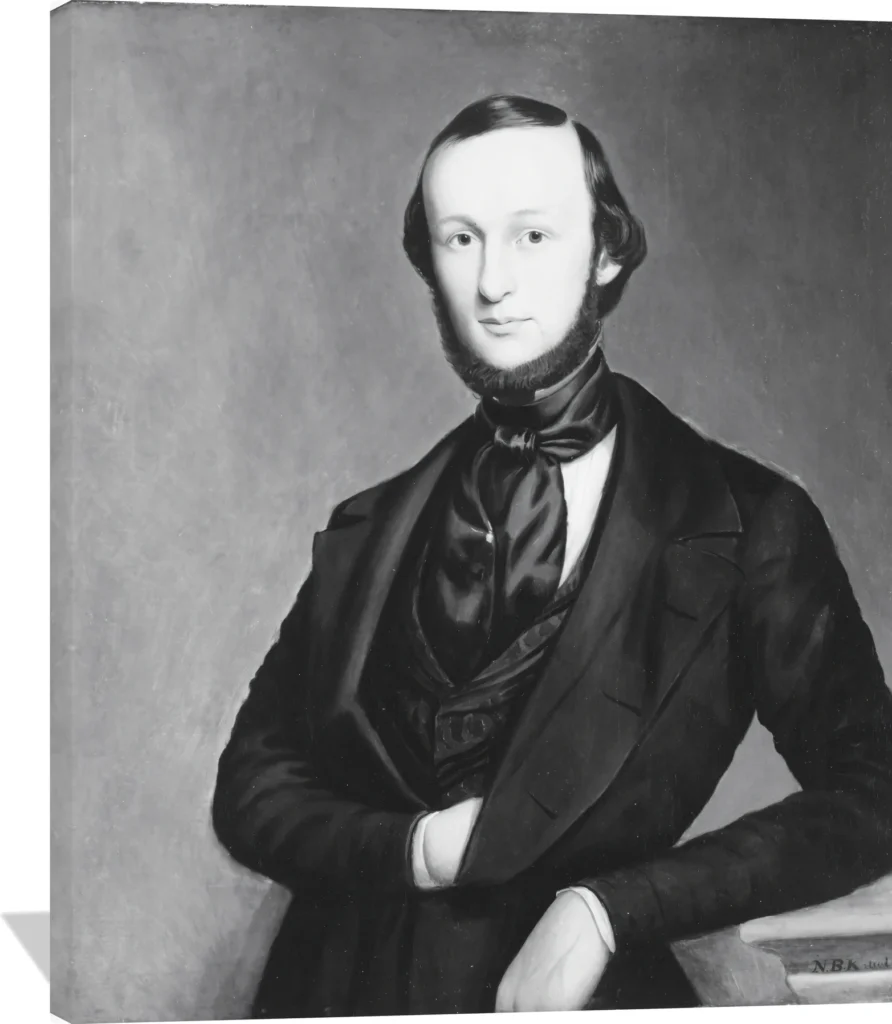
The Nicholas Biddle Kittell Charles Henry Augustus Carter canvas captures the timeless poise of 19th-century portraiture. Rendered in refined shades of charcoal, ivory, and deep black, this dignified composition highlights Kittell’s mastery of light and texture, evoking quiet confidence and sophistication. The sitter’s calm expression and elegant attire bring a sense of classic refinement to any setting.
This premium Charles Henry Augustus Carter wall art adds a distinguished focal point to a study, library, or formal living room. A faithful reproduction of Kittell’s 1822–1894 artistry, it offers a serene balance of history and style—perfect for collectors who appreciate timeless elegance in their canvas prints.
Nicholas Biddle Kittell (1822–1894) was an American sculptor recognized for his refined approach to nineteenth‑century portraiture and commemorative sculpture. Working during a period of expanding national identity, he contributed to the visual culture of his era through works that emphasized clarity of form, dignified characterization, and an understated sense of realism.
Artistic Style
Kittell’s sculpture is distinguished by a restrained neoclassical influence, evident in his smooth surfaces, balanced proportions, and focus on essential detail rather than ornate embellishment. His portraits exhibit a quiet intensity, capturing both physical likeness and the subtle individuality of his sitters. This approach positioned his work within the broader movement of American realism while maintaining the elegance associated with classical traditions.
Subjects and Notable Contributions
Kittell primarily created portrait busts and memorial works, engaging with figures who shaped civic, cultural, and community life in nineteenth‑century America. His commissions often honored public leaders, professionals, and prominent local individuals, reflecting the period’s growing interest in personal legacy and the celebration of public service. Kittell’s funerary monuments further demonstrate his sensitivity to sentiment and memory, blending simplicity with symbolic weight.
Cultural and Historical Significance
Active during a time of national transformation, Kittell’s work contributes to the visual record of the United States in the decades surrounding the Civil War. His sculptures helped define how Americans of the period wished to be represented through poised likenesses grounded in dignity and realism. While not widely publicized today, his art remains valued for its quiet craftsmanship and its role in shaping the country’s tradition of commemorative sculpture.
Collectors and admirers of nineteenth‑century American art appreciate Kittell’s focus on enduring character and the timeless clarity of his sculptural forms, qualities that give his work a lasting presence in both historical and contemporary settings.
Trust & policies
- 🚚 Free tracked shipping to 45+ countries. Local import duties or taxes may apply in some destinations.
- 🎨 Made-to-order, printed close to your delivery location
- 🛡️ If damaged, defective, or misprinted: free replacement or refund
- 🌍 Printed in US/CA/EU/UK/AU based on delivery location
- 💎 Acid-free, fade-resistant canvas with solid wood stretcher bars
- 🖼️ Optional pine floating frames in white, black, or brown
- 🪝 Ready to hang — hardware pre-installed