Still Life with Fruit
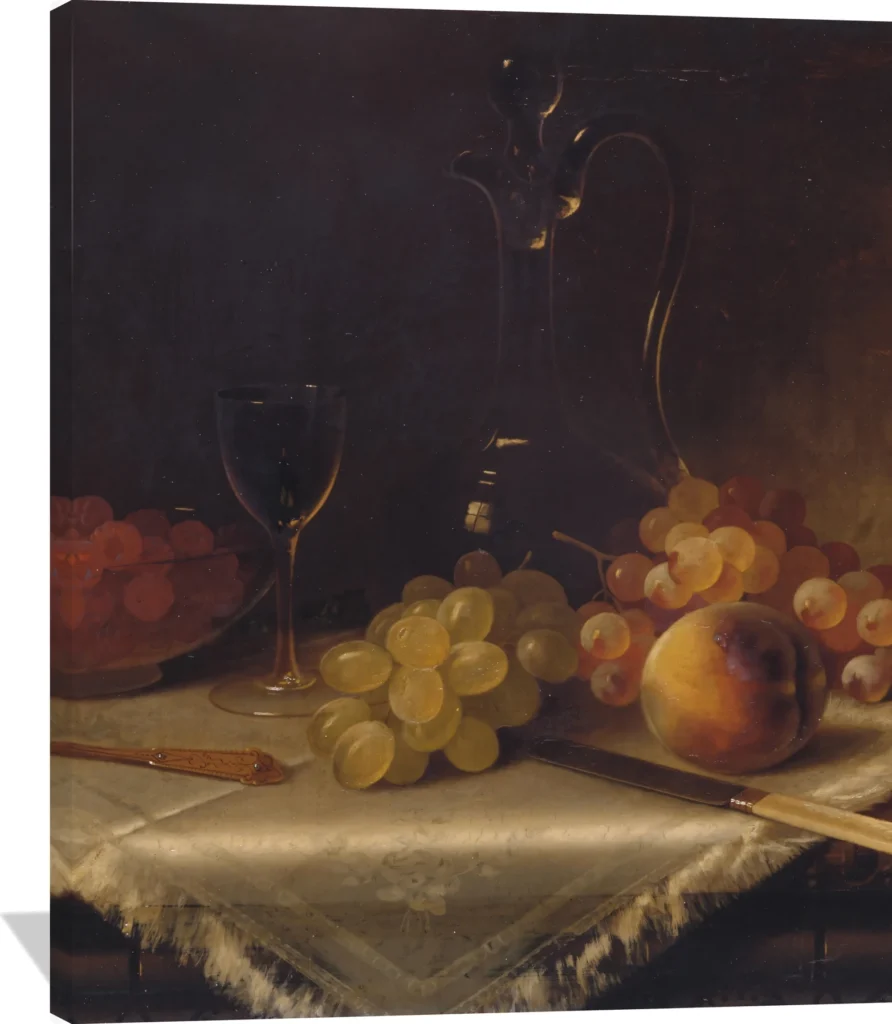
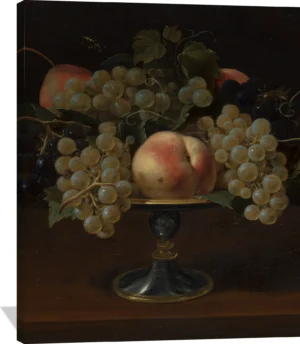
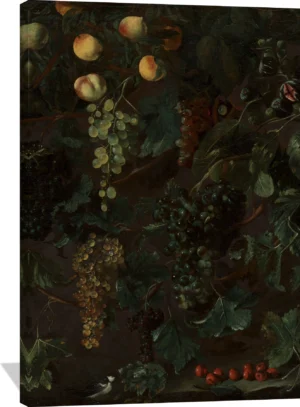
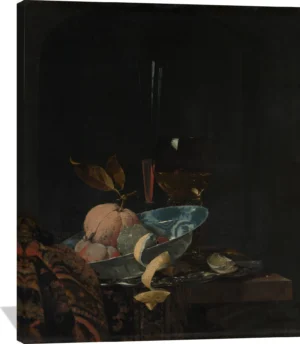
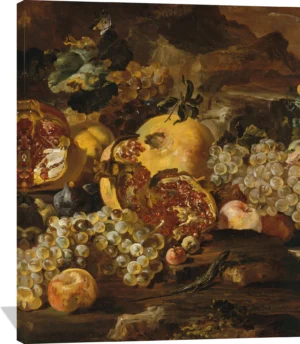
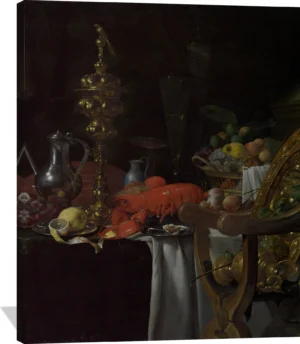
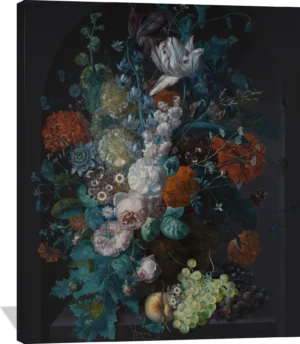
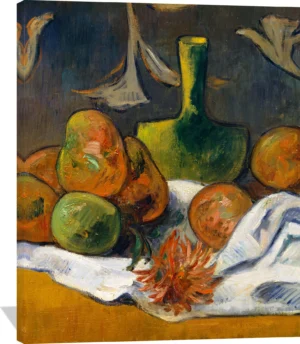
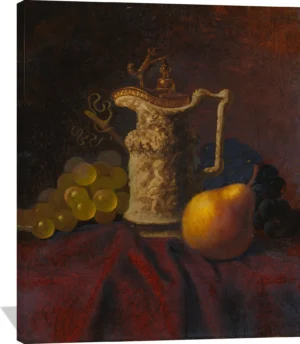
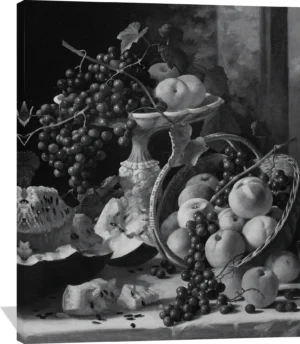
The Carducius Plantagenet Ream Still Life with Fruit canvas captures the quiet elegance of a classic still life. Rich tones of amber, gold, and deep burgundy illuminate clusters of grapes, a ripe peach, and a glimmering glass decanter resting on a soft linen cloth. The balanced composition and warm lighting evoke timeless refinement and subtle luxury.
This exquisite wall art brings a sense of calm sophistication to any space—ideal for a dining room, study, or entryway. A premium Still Life with Fruit canvas print infuses your home with the depth and artistry of 19th-century realism, making it a striking focal point in both traditional and modern interiors.
Carducius Plantagenet Ream (1838–1917) was an American painter celebrated for his lush, meticulously rendered still lifes. Renowned for his ability to transform humble subjects into scenes of richness and vitality, he became one of the most sought‑after still-life artists of the late nineteenth century.
Artistic Style
Ream’s work is distinguished by its refined realism, luminous color, and remarkable attention to surface texture. He often employed a carefully controlled light source that heightened the natural sheen of fruit and glassware, allowing ordinary objects to take on a sense of quiet drama. His compositions combine precision with warmth, creating images that feel both studied and inviting.
Typical Subjects
Best known for his portrayals of grapes, peaches, apples, and plums, Ream frequently arranged fruit on tabletops, in baskets, or spilling from decorative vessels. Many of his paintings evoke the abundance of American agriculture, presenting ripe produce with a tactile immediacy. Works such as Still Life with Grapes exemplify his ability to capture translucency, while his tabletop arrangements highlight subtle variations in color and form.
Notable Contributions
Ream was part of a generation of American artists who elevated the still-life genre, bringing it greater visibility in galleries and private collections. His commitment to realism and his mastery of composition helped define the period’s taste for sumptuous, approachable imagery. His paintings were widely collected during his lifetime, reflecting a growing appreciation for still-life artistry in the United States.
Cultural Significance
Today, Ream’s work offers a vivid window into American visual culture at the turn of the century. His paintings preserve the era’s fascination with domestic abundance and artisanal craftsmanship. Admired for their harmonious balance and finely rendered detail, his still lifes remain enduring examples of the genre’s richness and the expressive potential found in everyday subjects.
Trust & policies
- 🚚 Free worldwide shipping
- 🔁 30-day returns (change of mind)
- 🛡️ If damaged/defective/misprinted: free replacement or full refund
- 🌍 Printed in US/CA/EU/UK/AU (based on delivery location)
- 💎 Made to order using acid-free, fade-resistant canvas
- 💎 Solid wood stretcher bars • Pine floating frames
- 🪝 Ready to hang

Mountain Scene
Albert BierstadtCanvas from
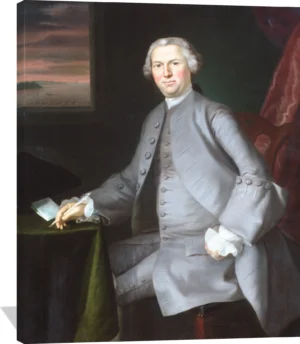
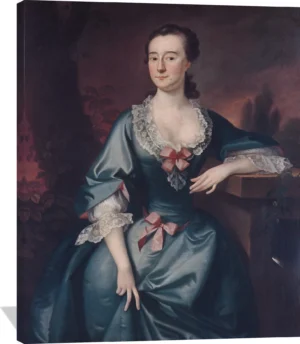
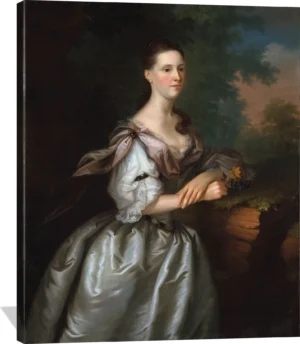
147,00 leiSelect options This product has multiple variants. The options may be chosen on the product pageMary Sylvester
Joseph BlackburnCanvas from
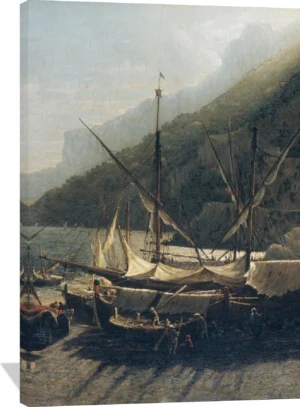
142,00 leiSelect options This product has multiple variants. The options may be chosen on the product pageView at Amalfi, Bay of Salerno
George Loring BrownCanvas from
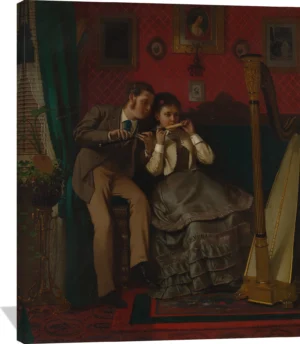
222,00 leiSelect options This product has multiple variants. The options may be chosen on the product pageThe Music Lesson
John George BrownCanvas from
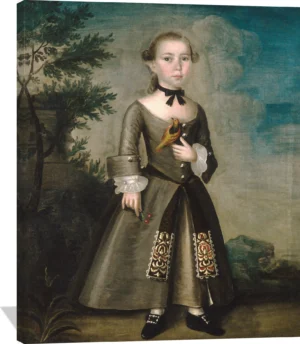
142,00 leiSelect options This product has multiple variants. The options may be chosen on the product pageJames Badger
Joseph BadgerCanvas from
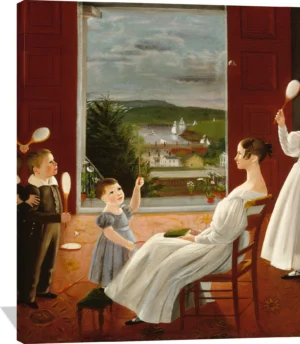
142,00 leiSelect options This product has multiple variants. The options may be chosen on the product pageThe Children of Nathan Starr
Ambrose AndrewsCanvas from
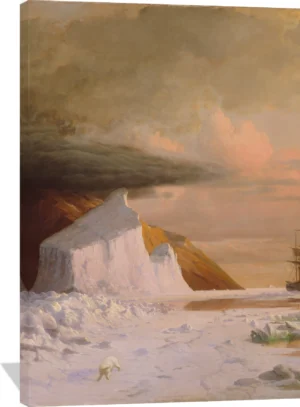
142,00 leiSelect options This product has multiple variants. The options may be chosen on the product pageAn Arctic Summer: Boring Through the Pack in Melville Bay
William BradfordCanvas from
222,00 leiSelect options This product has multiple variants. The options may be chosen on the product pageEleanor Hardy Bunker
Dennis Miller BunkerCanvas from
142,00 leiSelect options This product has multiple variants. The options may be chosen on the product pageMerced River, Yosemite Valley
Albert BierstadtCanvas from
147,00 leiSelect options This product has multiple variants. The options may be chosen on the product pageSamuel Cutts
Joseph BlackburnCanvas from
142,00 leiSelect options This product has multiple variants. The options may be chosen on the product pageNevada Falls, Yosemite
Albert BierstadtCanvas from
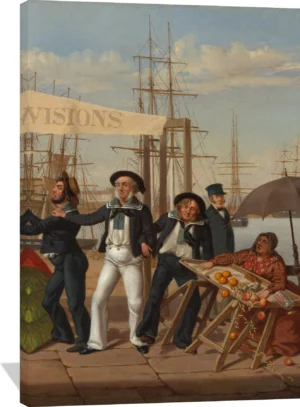
142,00 leiSelect options This product has multiple variants. The options may be chosen on the product pageAfter a Long Cruise
John CarlinCanvas from
222,00 leiSelect options This product has multiple variants. The options may be chosen on the product pageMrs. David Chesebrough
Joseph BlackburnCanvas from
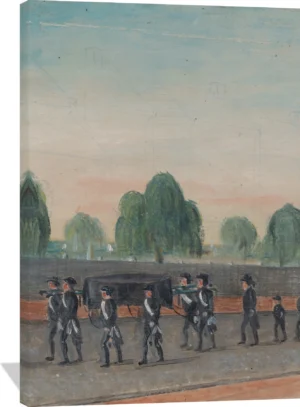
142,00 leiSelect options This product has multiple variants. The options may be chosen on the product pageAdult Funeral Procession
William P. ChappelCanvas from
222,00 leiSelect options This product has multiple variants. The options may be chosen on the product pageFur Traders Descending the Missouri
George Caleb BinghamCanvas from
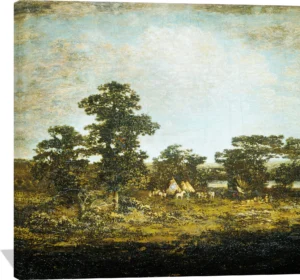
142,00 leiSelect options This product has multiple variants. The options may be chosen on the product pageAn Indian Encampment
Ralph Albert BlakelockCanvas from
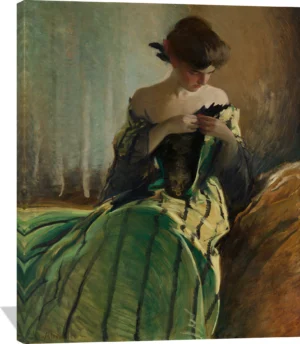
195,00 leiSelect options This product has multiple variants. The options may be chosen on the product pageStudy in Green and Black
John White AlexanderCanvas from
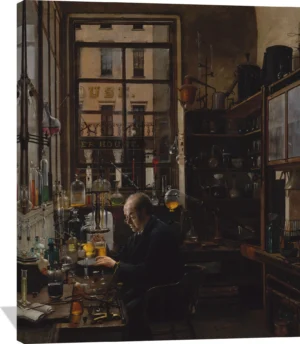
142,00 leiSelect options This product has multiple variants. The options may be chosen on the product pageIn the Laboratory
Henry AlexanderCanvas from
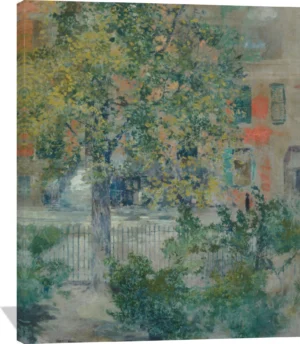
142,00 leiSelect options This product has multiple variants. The options may be chosen on the product pageView from the Artist’s Window, Grove Street
Robert Frederick BlumCanvas from
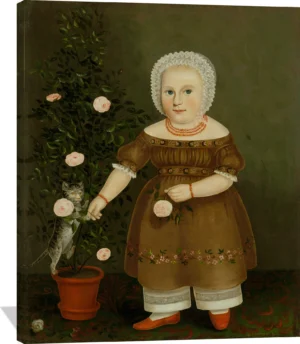
142,00 leiSelect options This product has multiple variants. The options may be chosen on the product pageEmma Homan
John BradleyCanvas from
142,00 leiSelect options This product has multiple variants. The options may be chosen on the product pageMrs. Samuel Cutts
Joseph BlackburnCanvas from
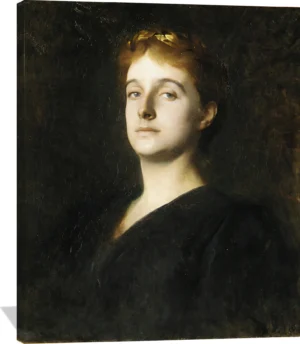
142,00 leiSelect options This product has multiple variants. The options may be chosen on the product pageJanet Halleck Drake
Henry InmanCanvas from
142,00 leiSelect options This product has multiple variants. The options may be chosen on the product page



Explore Food And Beverage
Still Life with a Vase of Flowers, Melon, Peaches, and Grapes
Charlotte Eustache Sophie de Fuligny Damas, marquise de GrollierCanvas from
142,00 leiSelect options This product has multiple variants. The options may be chosen on the product pageStill Life with Oysters, a Silver Tazza, and Glassware
Willem Claesz HedaCanvas from
222,00 leiSelect options This product has multiple variants. The options may be chosen on the product pageKitchen Scene
Peter WtewaelCanvas from
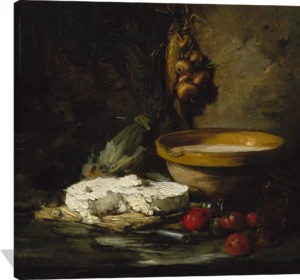
147,00 leiSelect options This product has multiple variants. The options may be chosen on the product pageStill Life with Cheese
Antoine VollonCanvas from
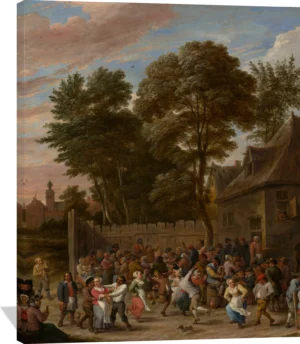
195,00 leiSelect options This product has multiple variants. The options may be chosen on the product pagePeasants Dancing and Feasting
David Teniers the YoungerCanvas from
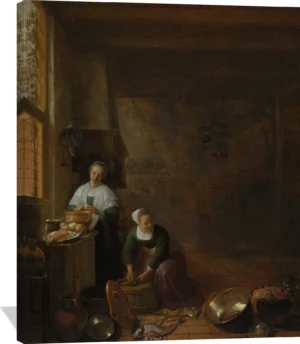
142,00 leiSelect options This product has multiple variants. The options may be chosen on the product pageA Kitchen
Hendrick SorghCanvas from
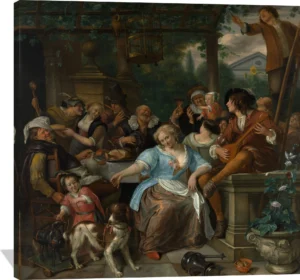
142,00 leiSelect options This product has multiple variants. The options may be chosen on the product pageMerry Company on a Terrace
Jan SteenCanvas from
195,00 leiSelect options This product has multiple variants. The options may be chosen on the product pageRustic Interior
David Ryckaert IIICanvas from
142,00 leiSelect options This product has multiple variants. The options may be chosen on the product pageStill Life with Ham
Philippe RousseauCanvas from
142,00 leiSelect options This product has multiple variants. The options may be chosen on the product pageGirl with Cherries
Marco d'OggionoCanvas from
142,00 leiSelect options This product has multiple variants. The options may be chosen on the product pageStill Life with a Glass and Oysters
Jan Davidsz de HeemCanvas from
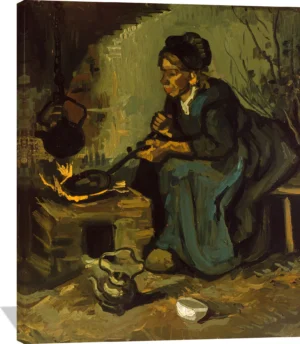
142,00 leiSelect options This product has multiple variants. The options may be chosen on the product pagePeasant Woman Cooking by a Fireplace
Vincent van GoghCanvas from
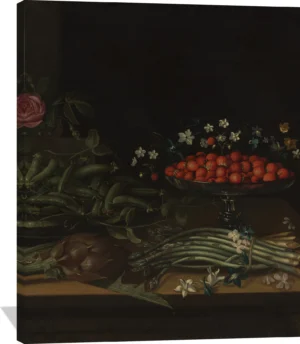
142,00 leiSelect options This product has multiple variants. The options may be chosen on the product pageStill Life with Strawberries
French PainterCanvas from
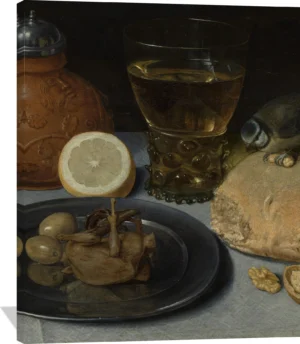
142,00 leiSelect options This product has multiple variants. The options may be chosen on the product pageStill Life
Georg FlegelCanvas from
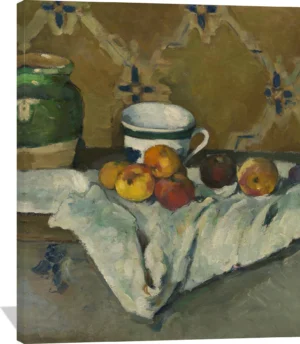
142,00 leiSelect options This product has multiple variants. The options may be chosen on the product pageStill Life with Jar, Cup, and Apples
Paul CézanneCanvas from
142,00 leiSelect options This product has multiple variants. The options may be chosen on the product pageParrot on a Pear Branch
Jin ZunnianCanvas from
142,00 leiSelect options This product has multiple variants. The options may be chosen on the product pageStill Life with Ewer and Fruit
Carducius Plantagenet ReamCanvas from
142,00 leiSelect options This product has multiple variants. The options may be chosen on the product pageStill Life: Peaches and Grapes
John A. WoodsideCanvas from
142,00 leiSelect options This product has multiple variants. The options may be chosen on the product pageStill Life—Flowers and Fruit in White and Pink Bowl
Canvas from
142,00 leiSelect options This product has multiple variants. The options may be chosen on the product pageStill Life with Cake
Raphaelle PealeCanvas from
147,00 leiSelect options This product has multiple variants. The options may be chosen on the product pageHummingbird and Apple Blossoms
Martin Johnson HeadeCanvas from
142,00 leiSelect options This product has multiple variants. The options may be chosen on the product page
Explore Still Life
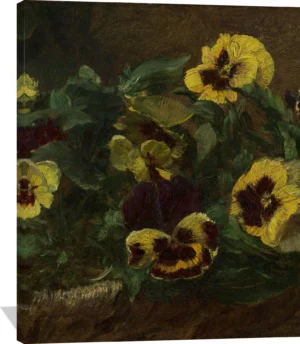
Potted Pansies
Henri Fantin-LatourCanvas from
142,00 leiSelect options This product has multiple variants. The options may be chosen on the product pageSide of a Greenhouse
George Cochran LambdinCanvas from
142,00 leiSelect options This product has multiple variants. The options may be chosen on the product pageStill Life with Fruit
John F. FrancisCanvas from
142,00 leiSelect options This product has multiple variants. The options may be chosen on the product pagePink Azalea—Chinese Vase
William Merritt ChaseCanvas from
147,00 leiSelect options This product has multiple variants. The options may be chosen on the product pageStill Life: Fish
William Merritt ChaseCanvas from
142,00 leiSelect options This product has multiple variants. The options may be chosen on the product pageStill Life with Flowers and Prickly Pears
Auguste RenoirCanvas from
142,00 leiSelect options This product has multiple variants. The options may be chosen on the product pageSummer Flowers
Henri Fantin-LatourCanvas from
142,00 leiSelect options This product has multiple variants. The options may be chosen on the product pageRoses and Lilies
Henri Fantin-LatourCanvas from
142,00 leiSelect options This product has multiple variants. The options may be chosen on the product pageStill Life with Teapot and Fruit
Paul GauguinCanvas from
147,00 leiSelect options This product has multiple variants. The options may be chosen on the product pageRoses in a Bowl
Henri Fantin-LatourCanvas from
147,00 leiSelect options This product has multiple variants. The options may be chosen on the product pagePansies
Henri Fantin-LatourCanvas from
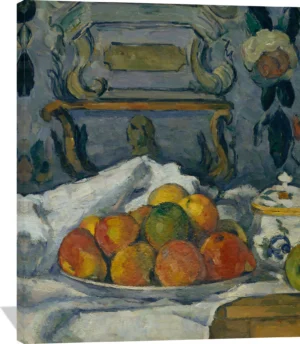
142,00 leiSelect options This product has multiple variants. The options may be chosen on the product pageDish of Apples
Paul CézanneCanvas from
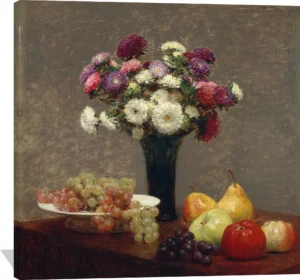
142,00 leiSelect options This product has multiple variants. The options may be chosen on the product pageAsters and Fruit on a Table
Henri Fantin-LatourCanvas from
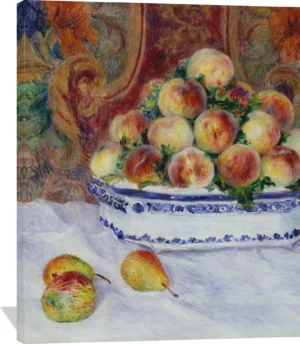
195,00 leiSelect options This product has multiple variants. The options may be chosen on the product pageStill Life with Peaches
Auguste RenoirCanvas from
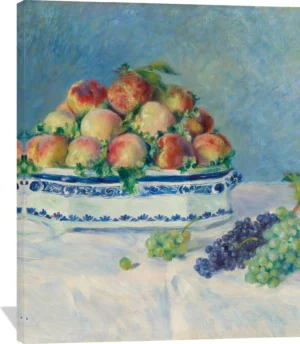
142,00 leiSelect options This product has multiple variants. The options may be chosen on the product pageStill Life with Peaches and Grapes
Auguste RenoirCanvas from
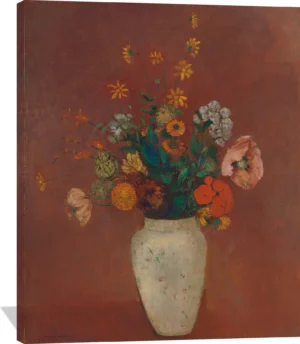
142,00 leiSelect options This product has multiple variants. The options may be chosen on the product pageBouquet in a Chinese Vase
Odilon RedonCanvas from
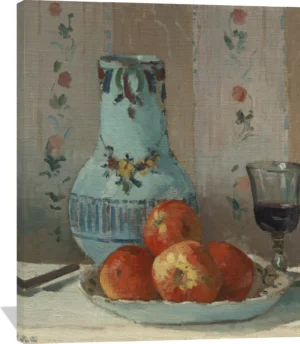
142,00 leiSelect options This product has multiple variants. The options may be chosen on the product pageStill Life with Apples and Pitcher
Camille PissarroCanvas from
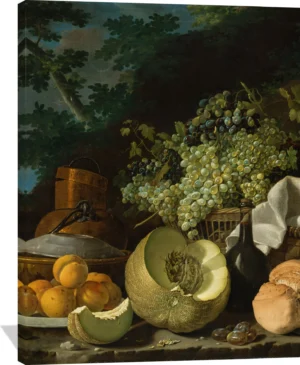
142,00 leiSelect options This product has multiple variants. The options may be chosen on the product pageThe Afternoon Meal (La Merienda)
Luis MeléndezCanvas from
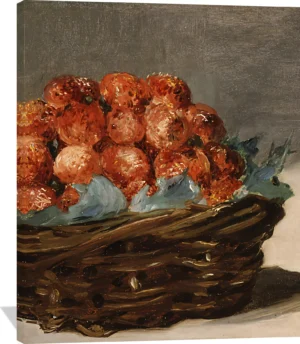
147,00 leiSelect options This product has multiple variants. The options may be chosen on the product pageStrawberries
Edouard ManetCanvas from
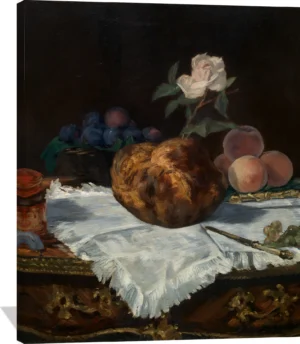
142,00 leiSelect options This product has multiple variants. The options may be chosen on the product pageThe Brioche
Edouard ManetCanvas from
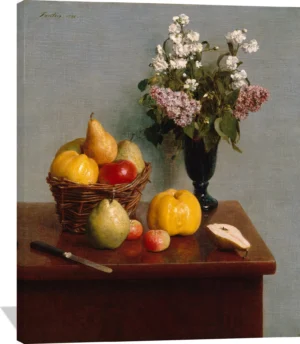
142,00 leiSelect options This product has multiple variants. The options may be chosen on the product pageStill Life with Flowers and Fruit
Henri Fantin-LatourCanvas from
142,00 leiSelect options This product has multiple variants. The options may be chosen on the product page
Explore Fruits
Strawberry Pedlar
William P. ChappelCanvas from
222,00 leiSelect options This product has multiple variants. The options may be chosen on the product pageBasket of Fruit
Bartolomeo CavarozziCanvas from
142,00 leiSelect options This product has multiple variants. The options may be chosen on the product pageFruit and Flowers
Orsola Maddalena CacciaCanvas from
142,00 leiSelect options This product has multiple variants. The options may be chosen on the product pageStill Life of Grapes and Peaches
Panfilo NuvoloneCanvas from
142,00 leiSelect options This product has multiple variants. The options may be chosen on the product pageGrape Vines and Fruit, with Three Wagtails
Bartolomeo CavarozziCanvas from
222,00 leiSelect options This product has multiple variants. The options may be chosen on the product pageThe Rest on the Flight into Egypt
Jan MassysCanvas from
142,00 leiSelect options This product has multiple variants. The options may be chosen on the product pageYoung Woman Peeling Apples
Nicolaes MaesCanvas from
142,00 leiSelect options This product has multiple variants. The options may be chosen on the product pageStill Life with Fruit, Glassware, and a Wanli Bowl
Willem KalfCanvas from
142,00 leiSelect options This product has multiple variants. The options may be chosen on the product pagePomegranates and Other Fruit in a Landscape
Abraham BrueghelCanvas from
142,00 leiSelect options This product has multiple variants. The options may be chosen on the product pageStill Life: A Banqueting Scene
Jan Davidsz de HeemCanvas from
142,00 leiSelect options This product has multiple variants. The options may be chosen on the product pageA Vase of Flowers
Margareta HavermanCanvas from
142,00 leiSelect options This product has multiple variants. The options may be chosen on the product pageStill Life
Paul GauguinCanvas from
142,00 leiSelect options This product has multiple variants. The options may be chosen on the product pageStill Life with Pansies
Henri Fantin-LatourCanvas from
142,00 leiSelect options This product has multiple variants. The options may be chosen on the product pageStill Life with Roses and Fruit
Henri Fantin-LatourCanvas from
142,00 leiSelect options This product has multiple variants. The options may be chosen on the product pageStill Life with Silver
Alexandre François DesportesCanvas from
147,00 leiSelect options This product has multiple variants. The options may be chosen on the product pageStill Life with Apples and Pears
Paul CézanneCanvas from
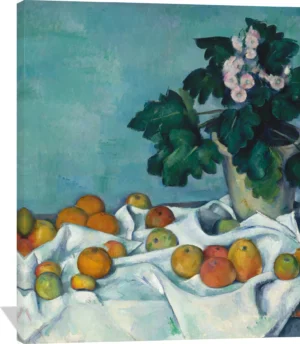
142,00 leiSelect options This product has multiple variants. The options may be chosen on the product pageStill Life with Apples and a Pot of Primroses
Paul CézanneCanvas from
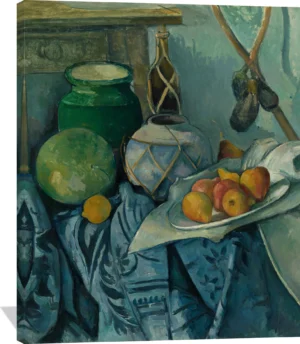
142,00 leiSelect options This product has multiple variants. The options may be chosen on the product pageStill Life with a Ginger Jar and Eggplants
Paul CézanneCanvas from
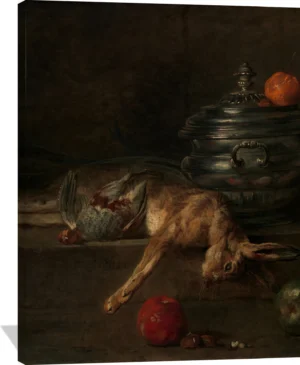
142,00 leiSelect options This product has multiple variants. The options may be chosen on the product pageThe Silver Tureen
Jean Siméon ChardinCanvas from
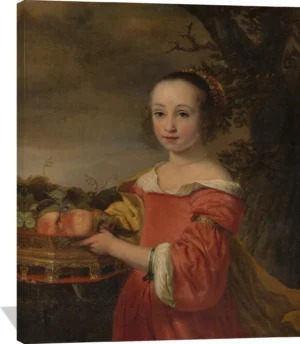
147,00 leiSelect options This product has multiple variants. The options may be chosen on the product pagePetronella Elias (1648–1667) with a Basket of Fruit
Ferdinand BolCanvas from
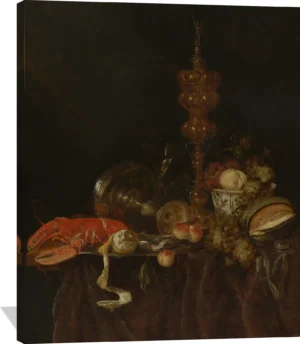
142,00 leiSelect options This product has multiple variants. The options may be chosen on the product pageStill Life with Lobster and Fruit
Abraham van BeyerenCanvas from
142,00 leiSelect options This product has multiple variants. The options may be chosen on the product page