Self-Portrait
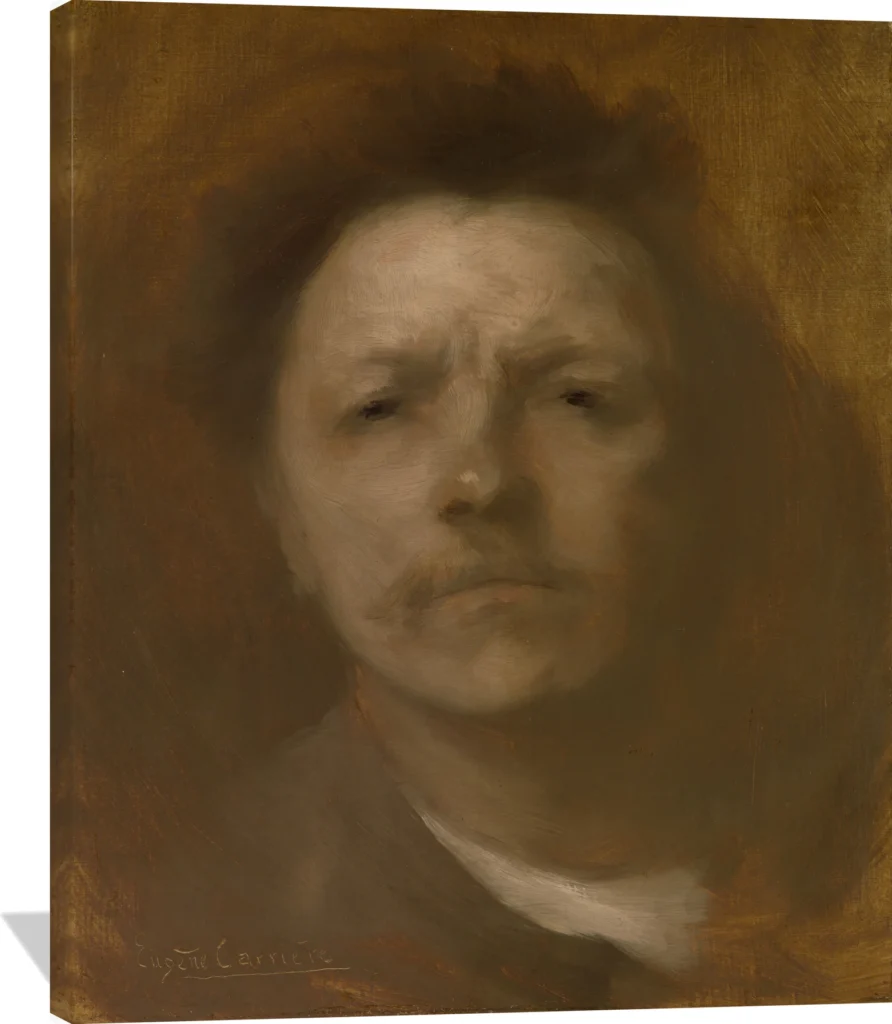
The Eugène Carrière Self-Portrait canvas captures the artist’s introspective gaze through soft, atmospheric brushwork and a palette of warm browns, muted ochres, and gentle grays. Carrière’s mastery of tone and shadow evokes a quiet depth, drawing the viewer into the emotional stillness of his expression.
This timeless wall art brings a refined, contemplative mood to any interior—ideal for a study, library, or sophisticated living space. A museum-quality Self-Portrait canvas print that embodies the poetic subtlety and enduring elegance of late 19th-century French art.
Eugène Carrière (1849–1906) was a French painter known for his ethereal tonalism and intimate, psychologically rich portrayals. Born in Gournay-sur-Marne and active in Paris, he became a notable figure in late 19th‑century Symbolism, admired for work that blended emotional depth with a soft, atmospheric palette.
Artistic Style
Carrière developed a distinctive monochromatic approach characterized by muted browns, grays, and warm sepias. His velvety, mist‑like surfaces create a dreamlike sense of presence, blurring the boundary between figure and background. This near‑tonal abstraction made his work influential among younger artists, including the early modernists.
Subjects and Themes
He is best known for intimate domestic scenes, tender depictions of motherhood, and expressive portraits of cultural figures. His images often seem to emerge from shadow, emphasizing emotional truth over detailed realism. Works such as Portrait of Paul Verlaine and The Sick Child demonstrate his focus on human vulnerability and inner life. The recurring theme of family, particularly portraits of his wife and children, gave his oeuvre a deeply personal resonance.
Legacy and Significance
Carrière played an important role in the Symbolist movement and was closely associated with leading intellectuals of his time, including Auguste Rodin. His gentle yet powerful tonal explorations anticipated aspects of modernist simplification and contributed to the rise of expressive portraiture in France. As a teacher and founder of the Académie Carrière, he influenced artists who would shape the next generation, most notably Henri Matisse.
Distinguished by its emotional immediacy and its subtle fusion of realism and abstraction, Carrière’s work remains celebrated for its atmospheric depth and its profound sense of human connection.
Trust & policies
- 🚚 Free worldwide shipping
- 🔁 30-day returns (change of mind)
- 🛡️ If damaged/defective/misprinted: free replacement or full refund
- 🌍 Printed in US/CA/EU/UK/AU (based on delivery location)
- 💎 Made to order using acid-free, fade-resistant canvas
- 💎 Solid wood stretcher bars • Pine floating frames
- 🪝 Ready to hang

James Badger
Joseph BadgerCanvas from
142,00 leiSelect options This product has multiple variants. The options may be chosen on the product pageEmma Homan
John BradleyCanvas from
142,00 leiSelect options This product has multiple variants. The options may be chosen on the product pageEleanor Hardy Bunker
Dennis Miller BunkerCanvas from
142,00 leiSelect options This product has multiple variants. The options may be chosen on the product pageMrs. David Chesebrough
Joseph BlackburnCanvas from
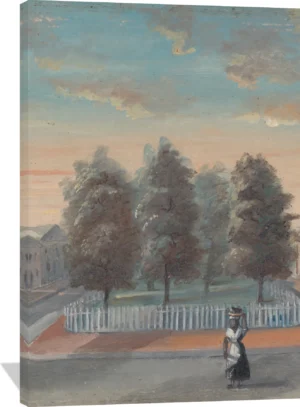
142,00 leiSelect options This product has multiple variants. The options may be chosen on the product pageBaked Pears in Duane Park
William P. ChappelCanvas from
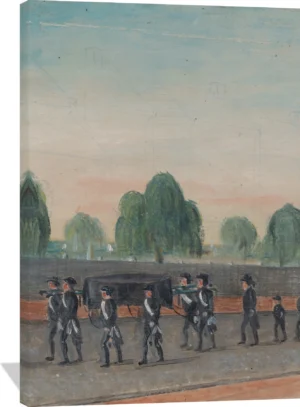
222,00 leiSelect options This product has multiple variants. The options may be chosen on the product pageAdult Funeral Procession
William P. ChappelCanvas from
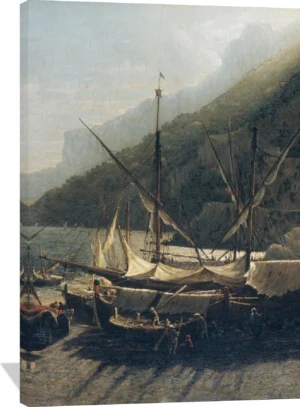
222,00 leiSelect options This product has multiple variants. The options may be chosen on the product pageView at Amalfi, Bay of Salerno
George Loring BrownCanvas from
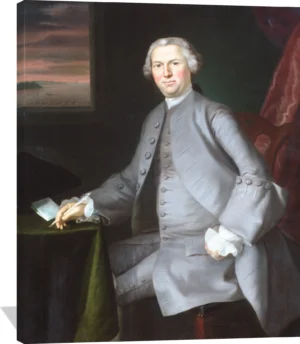
222,00 leiSelect options This product has multiple variants. The options may be chosen on the product pageSamuel Cutts
Joseph BlackburnCanvas from
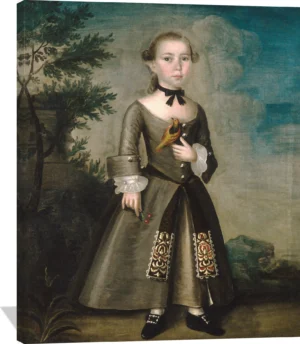
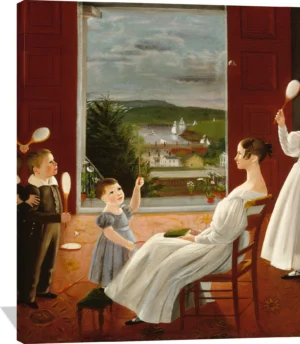
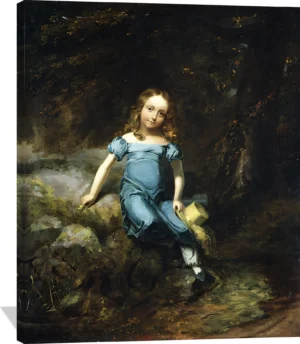
142,00 leiSelect options This product has multiple variants. The options may be chosen on the product pageThe Children of Nathan Starr
Ambrose AndrewsCanvas from
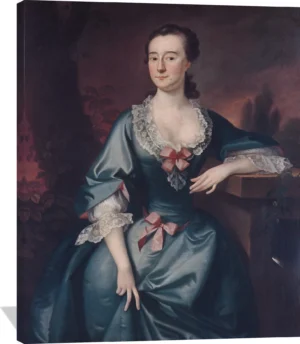
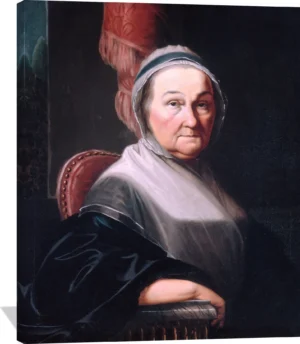
142,00 leiSelect options This product has multiple variants. The options may be chosen on the product pageMrs. Benjamin Simons
Henry BenbridgeCanvas from
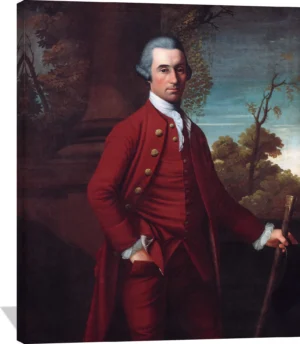
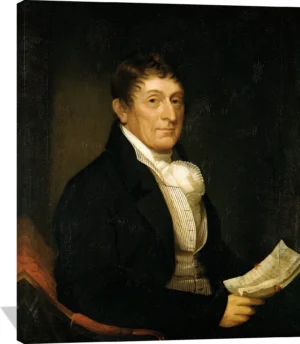
142,00 leiSelect options This product has multiple variants. The options may be chosen on the product pagePortrait of a Gentleman
Henry BenbridgeCanvas from
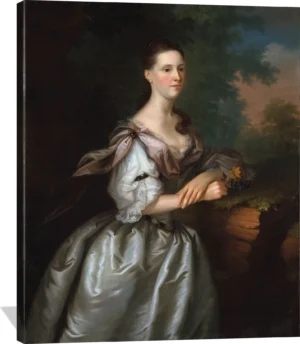
142,00 leiSelect options This product has multiple variants. The options may be chosen on the product pageMrs. Samuel Cutts
Joseph BlackburnCanvas from
142,00 leiSelect options This product has multiple variants. The options may be chosen on the product pagePhilip Van Cortlandt
Ezra AmesCanvas from
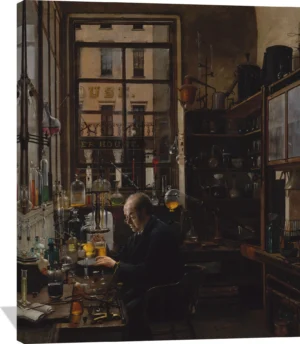
142,00 leiSelect options This product has multiple variants. The options may be chosen on the product pageIn the Laboratory
Henry AlexanderCanvas from
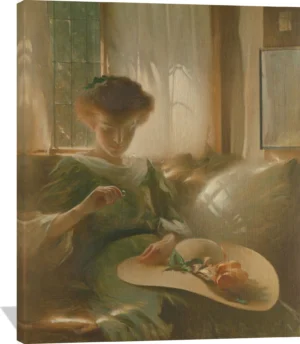
142,00 leiSelect options This product has multiple variants. The options may be chosen on the product pageThe Ring
John White AlexanderCanvas from
142,00 leiSelect options This product has multiple variants. The options may be chosen on the product pageJanet Halleck Drake
Henry InmanCanvas from
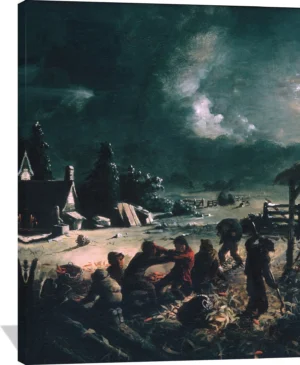
142,00 leiSelect options This product has multiple variants. The options may be chosen on the product pageCorn Husking
David Gilmour BlytheCanvas from
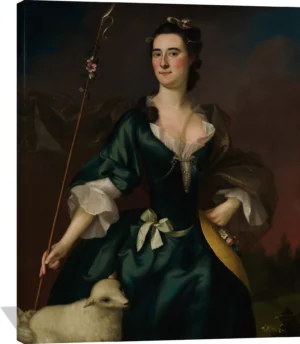
147,00 leiSelect options This product has multiple variants. The options may be chosen on the product pageMary Sylvester
Joseph BlackburnCanvas from
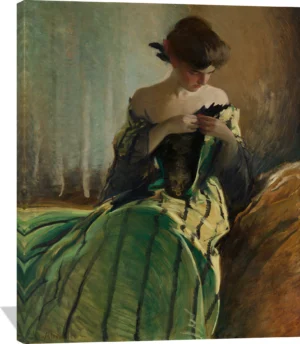
142,00 leiSelect options This product has multiple variants. The options may be chosen on the product pageStudy in Green and Black
John White AlexanderCanvas from
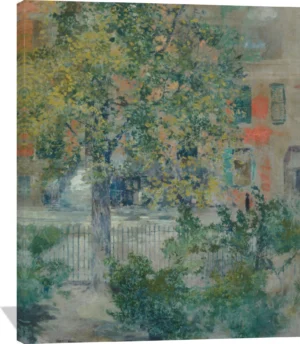
142,00 leiSelect options This product has multiple variants. The options may be chosen on the product pageView from the Artist’s Window, Grove Street
Robert Frederick BlumCanvas from
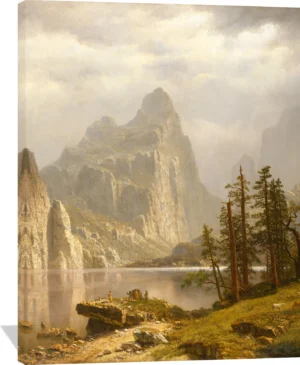
142,00 leiSelect options This product has multiple variants. The options may be chosen on the product pageMerced River, Yosemite Valley
Albert BierstadtCanvas from
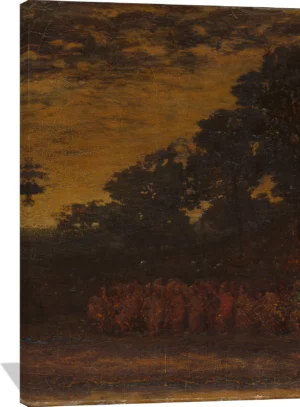
147,00 leiSelect options This product has multiple variants. The options may be chosen on the product pageThe Pipe Dance
Ralph Albert BlakelockCanvas from
222,00 leiSelect options This product has multiple variants. The options may be chosen on the product page
Explore Portraits
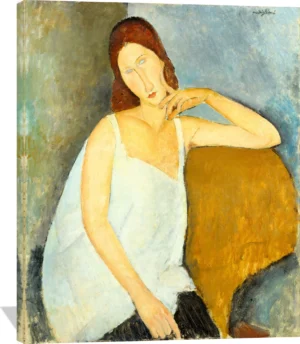
Jeanne Hébuterne
Amedeo ModiglianiCanvas from
142,00 leiSelect options This product has multiple variants. The options may be chosen on the product pageGirl in a Sailor’s Blouse
Amedeo ModiglianiCanvas from
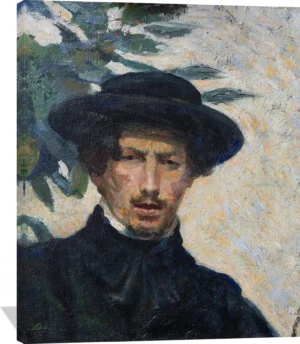
147,00 leiSelect options This product has multiple variants. The options may be chosen on the product pageSelf-Portrait
Umberto BoccioniCanvas from
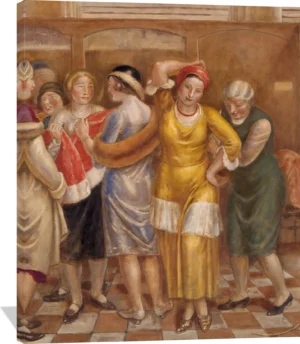
142,00 leiSelect options This product has multiple variants. The options may be chosen on the product pageThe Fitting Room
Kenneth Hayes MillerCanvas from
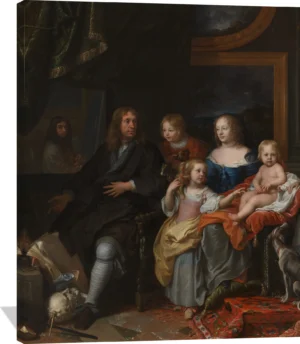
142,00 leiSelect options This product has multiple variants. The options may be chosen on the product pageThe Jabach Family
Charles Le BrunCanvas from
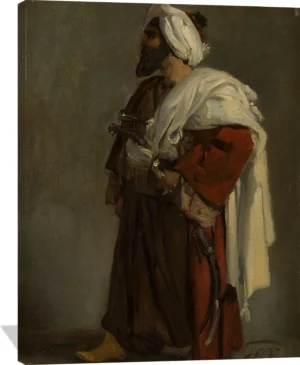
142,00 leiSelect options This product has multiple variants. The options may be chosen on the product pageArab Warrior
Horace VernetCanvas from
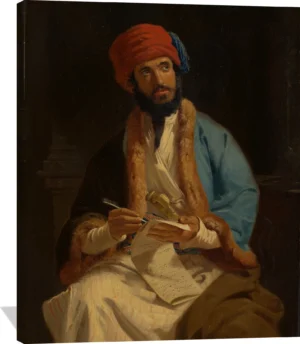
147,00 leiSelect options This product has multiple variants. The options may be chosen on the product pageThe Arab Sage
German PainterCanvas from
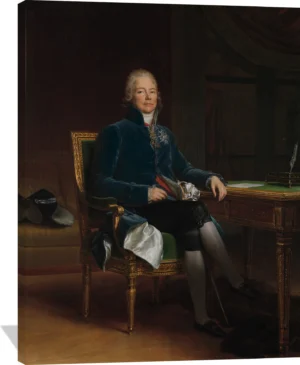
142,00 leiSelect options This product has multiple variants. The options may be chosen on the product pageCharles Maurice de Talleyrand Périgord (1754–1838), Prince de Bénévent
baron François GérardCanvas from
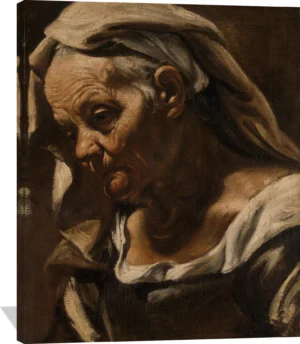
147,00 leiSelect options This product has multiple variants. The options may be chosen on the product pageHead of an Old Woman
Orazio BorgianniCanvas from
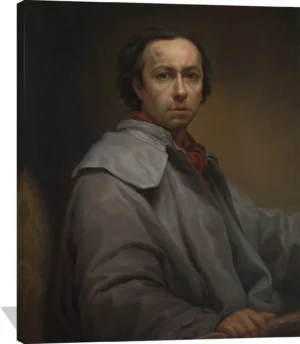
142,00 leiSelect options This product has multiple variants. The options may be chosen on the product pageSelf-Portrait
Anton Raphael MengsCanvas from
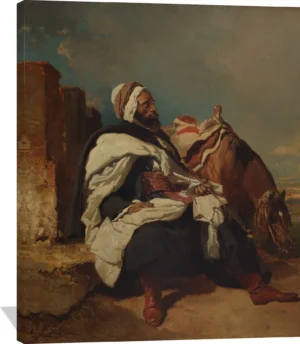
142,00 leiSelect options This product has multiple variants. The options may be chosen on the product pageSeated Arab Man with Horse
Alfred DedreuxCanvas from
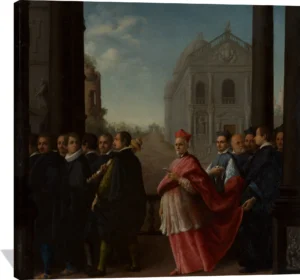
142,00 leiSelect options This product has multiple variants. The options may be chosen on the product pageA Cardinal’s Procession
Ottavio Leoni (Il Padovano)Canvas from
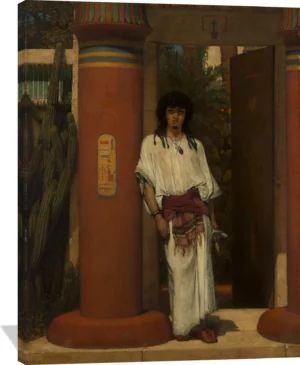
195,00 leiSelect options This product has multiple variants. The options may be chosen on the product pageAn Egyptian in a Doorway
Sir Lawrence Alma-TademaCanvas from
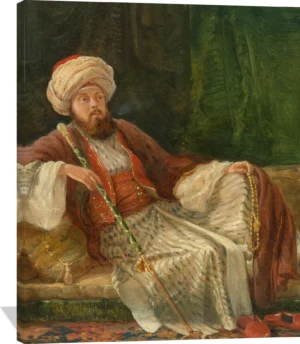
147,00 leiSelect options This product has multiple variants. The options may be chosen on the product pageWestern Gentleman in Oriental Costume
British PainterCanvas from
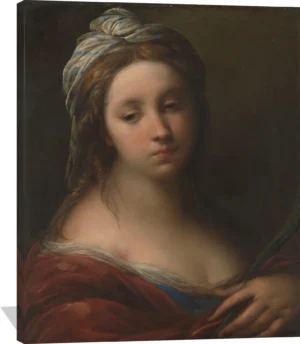
142,00 leiSelect options This product has multiple variants. The options may be chosen on the product pageA Female Martyr Saint
Carlo Francesco NuvoloneCanvas from
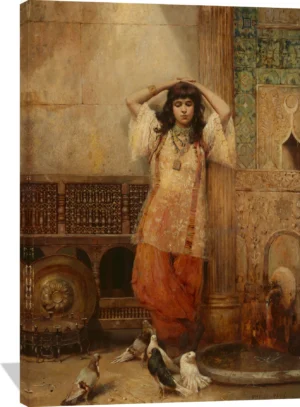
142,00 leiSelect options This product has multiple variants. The options may be chosen on the product pageGirl in a Courtyard, Algiers (formerly Courtyard in Tangier)
Philippe PavyCanvas from
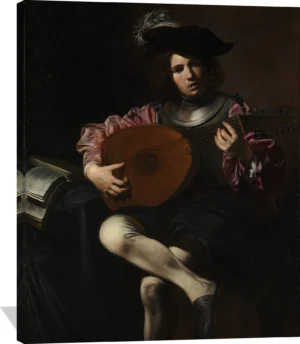
222,00 leiSelect options This product has multiple variants. The options may be chosen on the product pageLute Player
Valentin de BoulogneCanvas from
142,00 leiSelect options This product has multiple variants. The options may be chosen on the product pageThe Opium Smokers
Georges ClairinCanvas from
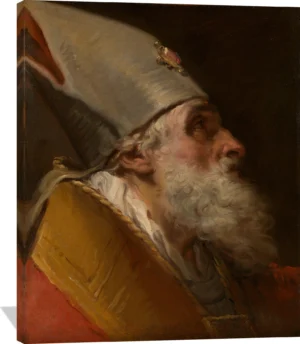
195,00 leiSelect options This product has multiple variants. The options may be chosen on the product pageHead of a Bishop
Gaetano GandolfiCanvas from
142,00 leiSelect options This product has multiple variants. The options may be chosen on the product pageThe Two Central Figures in “Derby Day”
William Powell FrithCanvas from
147,00 leiSelect options This product has multiple variants. The options may be chosen on the product pageThe Saithwaite Family
Francis WheatleyCanvas from
142,00 leiSelect options This product has multiple variants. The options may be chosen on the product page

Explore Monochromatic
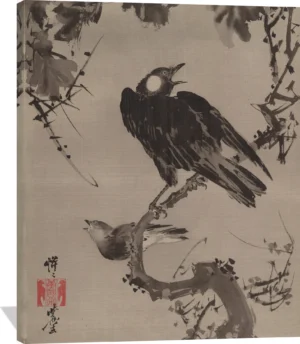
Starlings on a Branch
Kawanabe Kyōsai 河鍋暁斎Canvas from
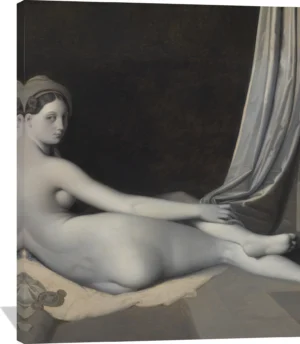
142,00 leiSelect options This product has multiple variants. The options may be chosen on the product pageOdalisque in Grisaille
Jean Auguste Dominique IngresCanvas from
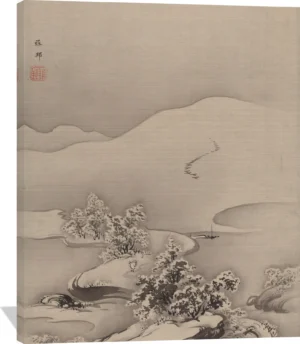
142,00 leiSelect options This product has multiple variants. The options may be chosen on the product pageLake and Causeway
Hashimoto GahōCanvas from
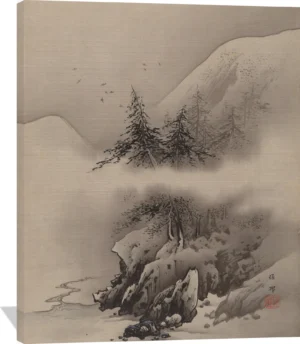
142,00 leiSelect options This product has multiple variants. The options may be chosen on the product pageSnow Landscape
Hashimoto GahōCanvas from
142,00 leiSelect options This product has multiple variants. The options may be chosen on the product pageCrow and Willow Tree
Kawanabe Kyōsai 河鍋暁斎Canvas from
142,00 leiSelect options This product has multiple variants. The options may be chosen on the product pagePlum blossoms
Jin NongCanvas from
142,00 leiSelect options This product has multiple variants. The options may be chosen on the product pageLandscapes
Zhang FengCanvas from
222,00 leiSelect options This product has multiple variants. The options may be chosen on the product page