Artistic Style
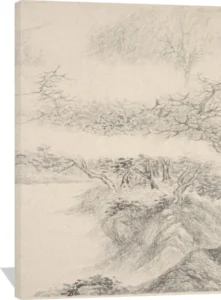
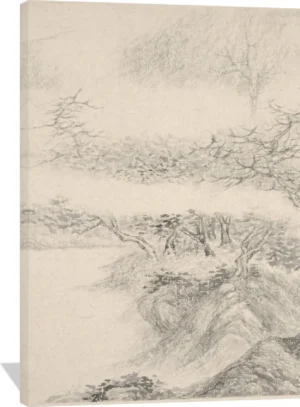
Zhang Feng’s paintings are noted for their vigorous, sometimes unrestrained brushwork and a dramatic use of ink contrasts. He favored expressive, rhythmically charged strokes that conveyed emotional intensity rather than strict naturalism. This approach aligned him with the strong, sometimes iconoclastic tendencies of certain Ming loyalist circles, whose aesthetics valued boldness and personal conviction.
Subjects and Themes
He often depicted hermits, immortals, and celebrated figures from poetry and classical literature, capturing both their inner resolve and the broader cultural ideals they represented. Landscapes in his hand tend to appear rugged and atmospheric, conveying the energy of mountains, forests, and remote retreats. Many of his works evoke a sense of moral strength, reflecting an era in which painters used imagery to express integrity and resilience.
Cultural Significance
Zhang Feng is remembered as part of a generation of artists who bridged the artistic traditions of the Ming dynasty with the emerging aesthetics of the Qing. His style contributed to the evolution of literati painting during a turbulent historical period, and his expressive technique remains admired for its raw vitality. Though not as widely known as some of his contemporaries, his work exudes a distinctive force that resonates with collectors drawn to paintings embodying both historical depth and bold artistic character.