Artistic Style
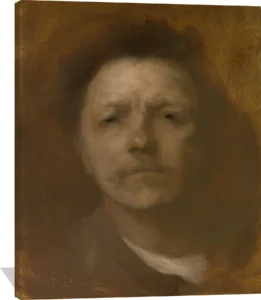
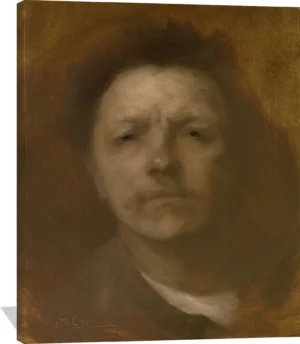
Carrière developed a distinctive monochromatic approach characterized by muted browns, grays, and warm sepias. His velvety, mist‑like surfaces create a dreamlike sense of presence, blurring the boundary between figure and background. This near‑tonal abstraction made his work influential among younger artists, including the early modernists.
Subjects and Themes
He is best known for intimate domestic scenes, tender depictions of motherhood, and expressive portraits of cultural figures. His images often seem to emerge from shadow, emphasizing emotional truth over detailed realism. Works such as Portrait of Paul Verlaine and The Sick Child demonstrate his focus on human vulnerability and inner life. The recurring theme of family, particularly portraits of his wife and children, gave his oeuvre a deeply personal resonance.
Legacy and Significance
Carrière played an important role in the Symbolist movement and was closely associated with leading intellectuals of his time, including Auguste Rodin. His gentle yet powerful tonal explorations anticipated aspects of modernist simplification and contributed to the rise of expressive portraiture in France. As a teacher and founder of the Académie Carrière, he influenced artists who would shape the next generation, most notably Henri Matisse.
Distinguished by its emotional immediacy and its subtle fusion of realism and abstraction, Carrière’s work remains celebrated for its atmospheric depth and its profound sense of human connection.