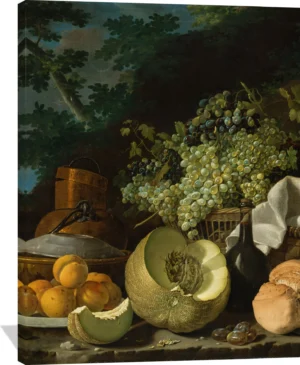
Still Life
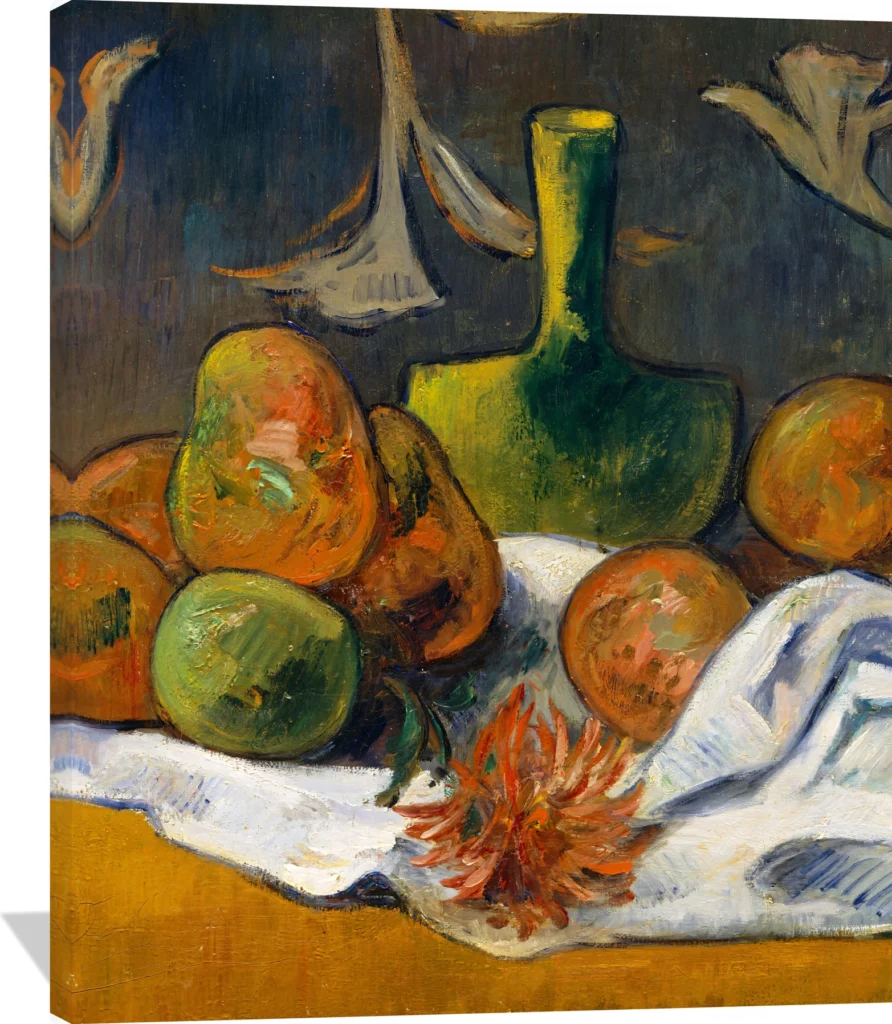
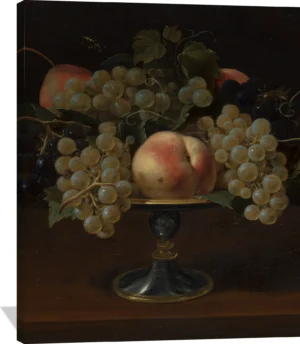
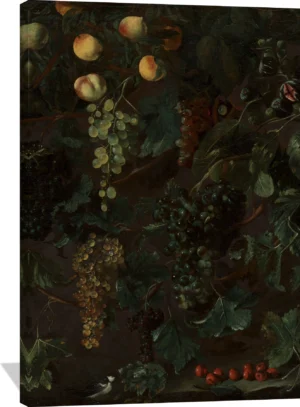
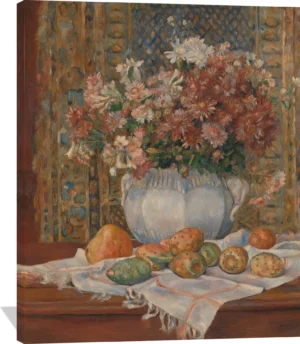
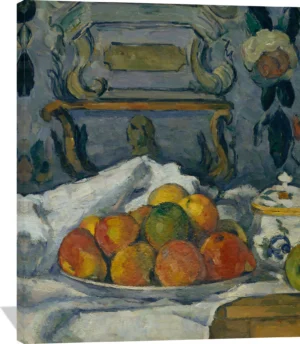
The Paul Gauguin Still Life canvas captures the artist’s signature harmony of color and form. Warm oranges, deep greens, and golden yellows glow against a textured backdrop, evoking the quiet richness of late 19th-century French artistry. The composition’s soft light and organic shapes create a sense of calm and timeless beauty.
This museum-quality canvas print adds refined depth to any space, from a sophisticated living room to a serene study or welcoming entryway. Gauguin’s masterful balance of color and mood makes Still Life a statement piece that invites contemplation and enduring elegance to your walls.
Paul Gauguin (French, Paris 1848–1903 Atuona, Hiva Oa, Marquesas Islands) was a pioneering Post‑Impressionist whose bold vision reshaped modern art. Renowned for his pursuit of emotional truth over naturalistic representation, he developed a highly personal style defined by expressive color, flattened forms, and striking compositional simplicity.
Artistic Style and Approach
Gauguin’s work embodies a deliberate break from conventional Western realism. Rejecting optical accuracy, he embraced symbolic color, rhythmic outlines, and distilled shapes to create images that conveyed inner meaning rather than surface appearance. This approach, often associated with Synthetism and Symbolism, became a foundation for many early modernist movements. His use of radiant, non-naturalistic hues and expansive areas of unmodulated color remains one of his most influential contributions.
Subjects and Themes
Drawn to places he believed offered a more elemental way of life, Gauguin spent significant periods in Brittany, Tahiti, and the Marquesas Islands. These journeys profoundly shaped his art. He depicted daily rituals, spiritual motifs, and local landscapes with a blend of observation and imagination, creating scenes that feel at once intimate and mythic. Works such as Where Do We Come From? What Are We? Where Are We Going? capture his enduring preoccupation with humanity’s existential questions.
Legacy and Cultural Significance
Gauguin’s pursuit of a new visual language made him a central figure in the transition from Impressionism to modern art. His emphasis on expressive color inspired artists from the Nabis to Fauvist painters like Matisse. His distinctive fusion of symbolism, emotional intensity, and innovative form has secured his place as a transformative force in modern painting. Today, Gauguin’s work remains celebrated for its vivid originality and its powerful exploration of belief, identity, and the human condition.
Trust & policies
- 🚚 Free worldwide shipping
- 🔁 30-day returns (change of mind)
- 🛡️ If damaged/defective/misprinted: free replacement or full refund
- 🌍 Printed in US/CA/EU/UK/AU (based on delivery location)
- 💎 Made to order using acid-free, fade-resistant canvas
- 💎 Solid wood stretcher bars • Pine floating frames
- 🪝 Ready to hang

Leete Farm, West Claremont, New Hampshire
Francis AlexanderCanvas from
222,00 leiSelect options This product has multiple variants. The options may be chosen on the product pageBaked Pears in Duane Park
William P. ChappelCanvas from
222,00 leiSelect options This product has multiple variants. The options may be chosen on the product pageAn Indian Encampment
Ralph Albert BlakelockCanvas from
195,00 leiSelect options This product has multiple variants. The options may be chosen on the product pageWalt Whitman
John White AlexanderCanvas from
142,00 leiSelect options This product has multiple variants. The options may be chosen on the product pageCorn Husking
David Gilmour BlytheCanvas from
147,00 leiSelect options This product has multiple variants. The options may be chosen on the product pageJohn F. Kensett
George Augustus Baker Jr.Canvas from
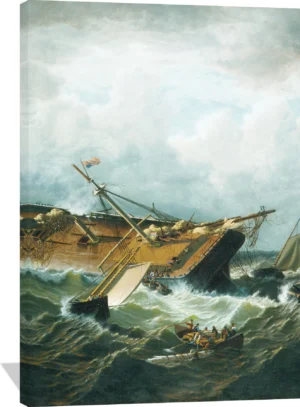
142,00 leiSelect options This product has multiple variants. The options may be chosen on the product pageShipwreck off Nantucket (Wreck off Nantucket after a Storm)
William BradfordCanvas from
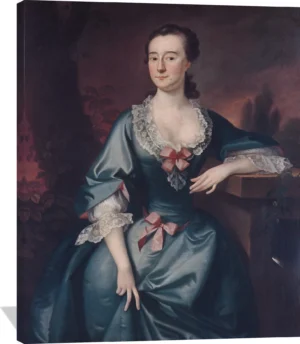
222,00 leiSelect options This product has multiple variants. The options may be chosen on the product pageMrs. David Chesebrough
Joseph BlackburnCanvas from
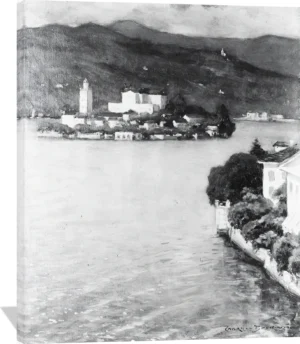
142,00 leiSelect options This product has multiple variants. The options may be chosen on the product pageLake of Orta
J. Carroll BeckwithCanvas from
142,00 leiSelect options This product has multiple variants. The options may be chosen on the product pageJanet Halleck Drake
Henry InmanCanvas from
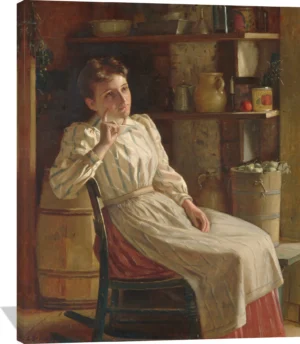
142,00 leiSelect options This product has multiple variants. The options may be chosen on the product pageMeditation
John George BrownCanvas from
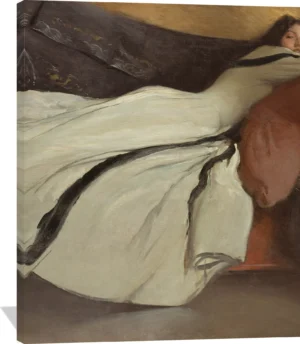
142,00 leiSelect options This product has multiple variants. The options may be chosen on the product pageRepose
John White AlexanderCanvas from
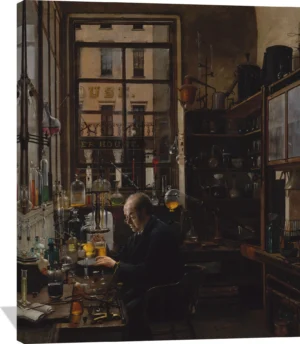
142,00 leiSelect options This product has multiple variants. The options may be chosen on the product pageIn the Laboratory
Henry AlexanderCanvas from
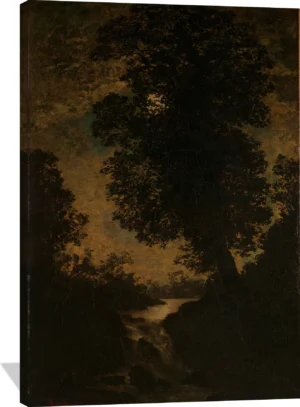
142,00 leiSelect options This product has multiple variants. The options may be chosen on the product pageA Waterfall, Moonlight
Ralph Albert BlakelockCanvas from
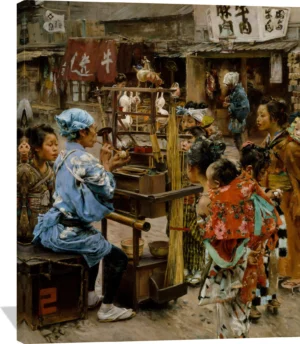
222,00 leiSelect options This product has multiple variants. The options may be chosen on the product pageThe Ameya
Robert Frederick BlumCanvas from
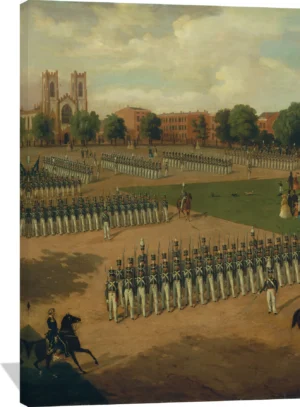
142,00 leiSelect options This product has multiple variants. The options may be chosen on the product pageSeventh Regiment on Review, Washington Square, New York
Otto BoetticherCanvas from
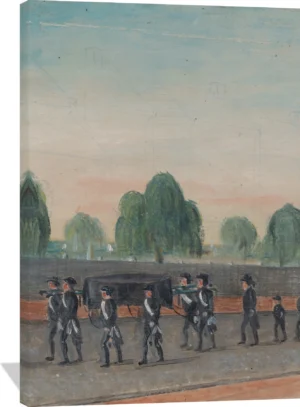
222,00 leiSelect options This product has multiple variants. The options may be chosen on the product pageAdult Funeral Procession
William P. ChappelCanvas from
222,00 leiSelect options This product has multiple variants. The options may be chosen on the product pageThe Pipe Dance
Ralph Albert BlakelockCanvas from
222,00 leiSelect options This product has multiple variants. The options may be chosen on the product pageThe Way They Live
Thomas AnshutzCanvas from
147,00 leiSelect options This product has multiple variants. The options may be chosen on the product pageMary Sylvester
Joseph BlackburnCanvas from
142,00 leiSelect options This product has multiple variants. The options may be chosen on the product pageJames Badger
Joseph BadgerCanvas from
142,00 leiSelect options This product has multiple variants. The options may be chosen on the product pageMrs. Benjamin Simons
Henry BenbridgeCanvas from
142,00 leiSelect options This product has multiple variants. The options may be chosen on the product page
Explore Paul Gauguin
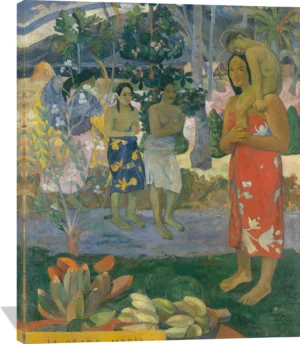
Ia Orana Maria (Hail Mary)
Paul GauguinCanvas from
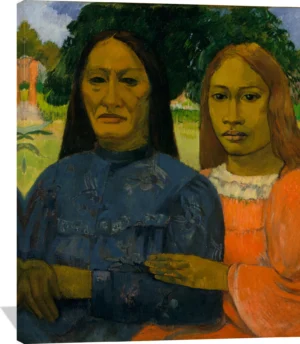
142,00 leiSelect options This product has multiple variants. The options may be chosen on the product pageTwo Women
Paul GauguinCanvas from
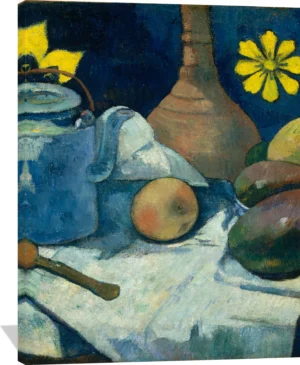
142,00 leiSelect options This product has multiple variants. The options may be chosen on the product pageStill Life with Teapot and Fruit
Paul GauguinCanvas from
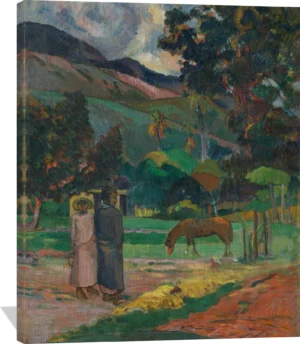
147,00 leiSelect options This product has multiple variants. The options may be chosen on the product pageTahitian Landscape
Paul GauguinCanvas from
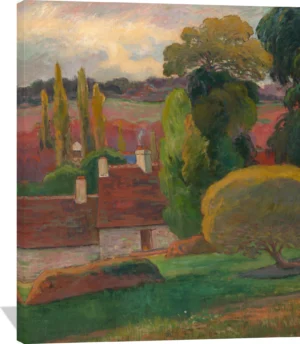
142,00 leiSelect options This product has multiple variants. The options may be chosen on the product pageA Farm in Brittany
Paul GauguinCanvas from
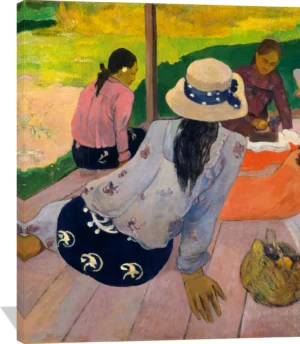
142,00 leiSelect options This product has multiple variants. The options may be chosen on the product pageThe Siesta
Paul GauguinCanvas from
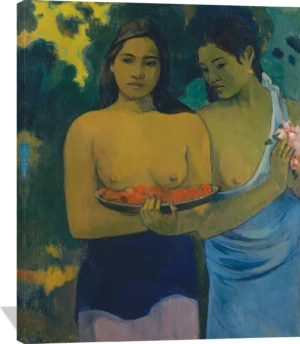
142,00 leiSelect options This product has multiple variants. The options may be chosen on the product pageTwo Tahitian Women
Paul GauguinCanvas from
142,00 leiSelect options This product has multiple variants. The options may be chosen on the product page
Explore Still Life
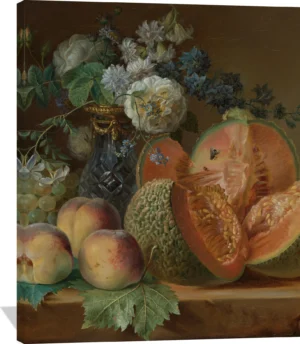
Still Life with a Vase of Flowers, Melon, Peaches, and Grapes
Charlotte Eustache Sophie de Fuligny Damas, marquise de GrollierCanvas from
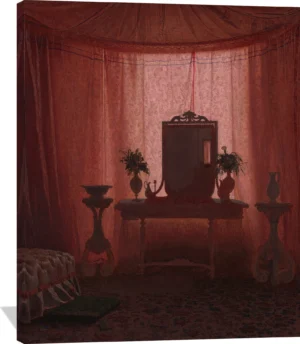
142,00 leiSelect options This product has multiple variants. The options may be chosen on the product pageA Bedroom in Bernstorff Palace near Copenhagen
Johan Vilhelm GertnerCanvas from
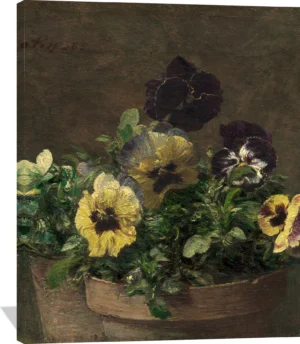
142,00 leiSelect options This product has multiple variants. The options may be chosen on the product pagePotted Pansies
Henri Fantin-LatourCanvas from
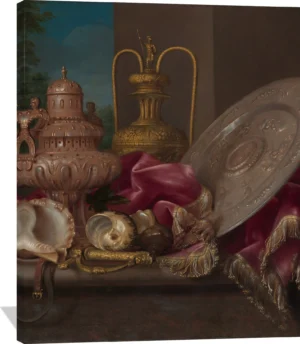
142,00 leiSelect options This product has multiple variants. The options may be chosen on the product pageStill Life with Silver and Gold Plate, Shells, and a Sword
Meiffren ConteCanvas from
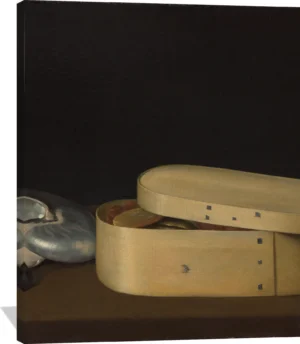
142,00 leiSelect options This product has multiple variants. The options may be chosen on the product pageStill Life with Shells and a Chip-Wood Box
Sebastian StoskopffCanvas from
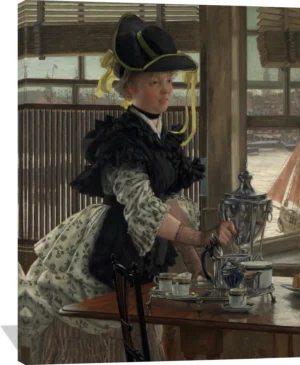
142,00 leiSelect options This product has multiple variants. The options may be chosen on the product pageTea
James TissotCanvas from
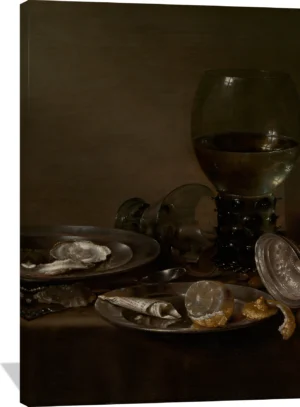
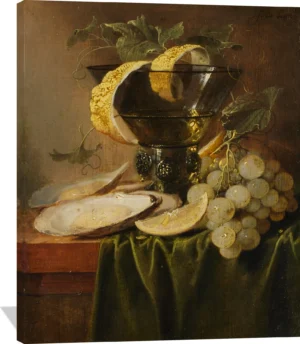
147,00 leiSelect options This product has multiple variants. The options may be chosen on the product pageStill Life with Oysters, a Silver Tazza, and Glassware
Willem Claesz HedaCanvas from
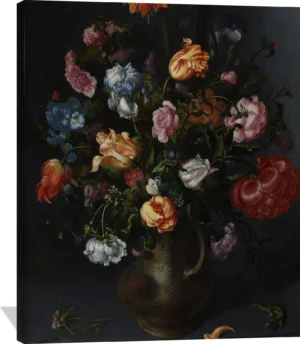
222,00 leiSelect options This product has multiple variants. The options may be chosen on the product pageA Vase with Flowers
Jacob VosmaerCanvas from
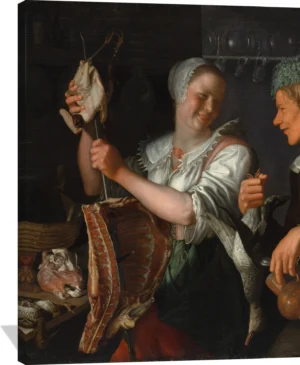
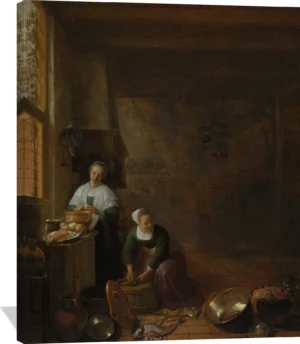
142,00 leiSelect options This product has multiple variants. The options may be chosen on the product pageKitchen Scene
Peter WtewaelCanvas from
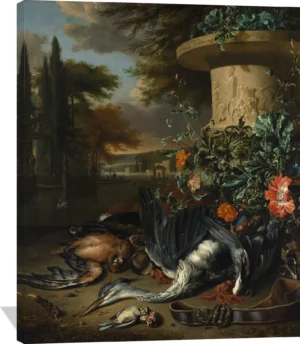
147,00 leiSelect options This product has multiple variants. The options may be chosen on the product pageGamepiece with a Dead Heron
Jan WeenixCanvas from
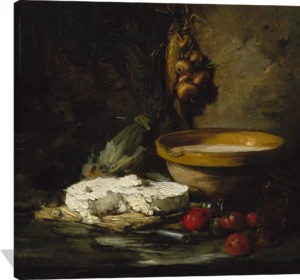
142,00 leiSelect options This product has multiple variants. The options may be chosen on the product pageStill Life with Cheese
Antoine VollonCanvas from
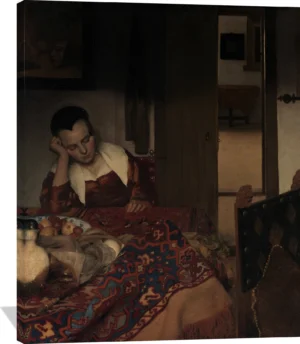
195,00 leiSelect options This product has multiple variants. The options may be chosen on the product pageA Maid Asleep
Johannes VermeerCanvas from
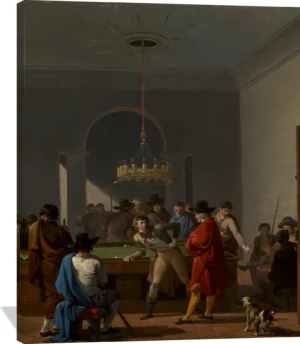
142,00 leiSelect options This product has multiple variants. The options may be chosen on the product pageThe Billiard Room
Nicolas Antoine TaunayCanvas from
142,00 leiSelect options This product has multiple variants. The options may be chosen on the product pageA Kitchen
Hendrick SorghCanvas from
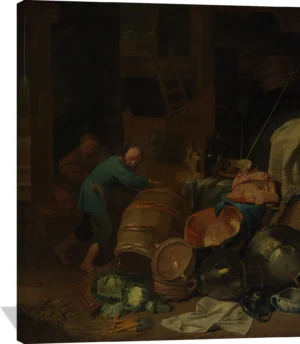
142,00 leiSelect options This product has multiple variants. The options may be chosen on the product pageRustic Interior
David Ryckaert IIICanvas from
142,00 leiSelect options This product has multiple variants. The options may be chosen on the product pageStill Life with a Glass and Oysters
Jan Davidsz de HeemCanvas from
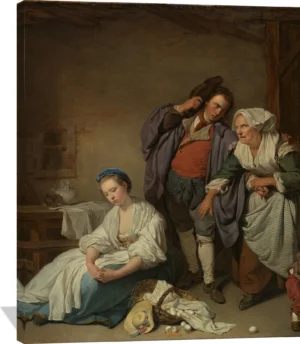
142,00 leiSelect options This product has multiple variants. The options may be chosen on the product pageBroken Eggs
Jean-Baptiste GreuzeCanvas from
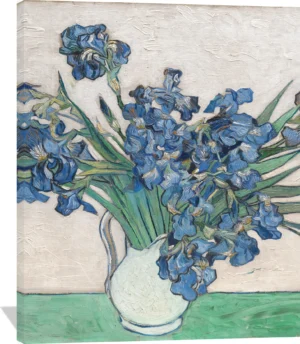
142,00 leiSelect options This product has multiple variants. The options may be chosen on the product pageIrises
Vincent van GoghCanvas from
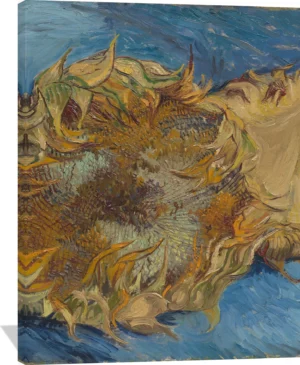
142,00 leiSelect options This product has multiple variants. The options may be chosen on the product pageSunflowers
Vincent van GoghCanvas from
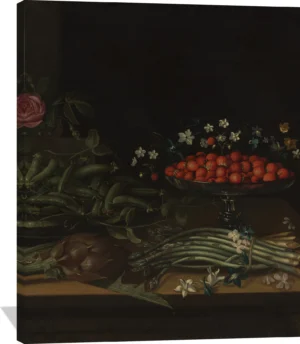
147,00 leiSelect options This product has multiple variants. The options may be chosen on the product pageStill Life with Strawberries
French PainterCanvas from
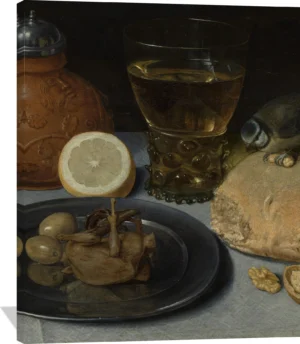
142,00 leiSelect options This product has multiple variants. The options may be chosen on the product pageStill Life
Georg FlegelCanvas from
142,00 leiSelect options This product has multiple variants. The options may be chosen on the product page
Explore Vibrant
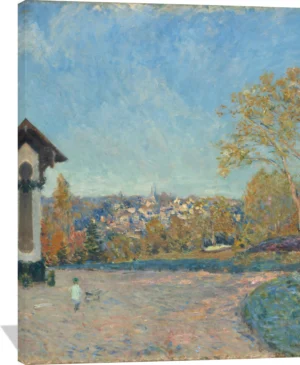
View of Marly-le-Roi from Coeur-Volant
Alfred SisleyCanvas from
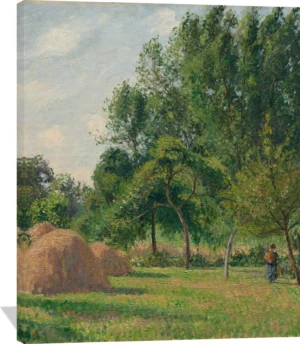
147,00 leiSelect options This product has multiple variants. The options may be chosen on the product pageHaystacks, Morning, Eragny
Camille PissarroCanvas from
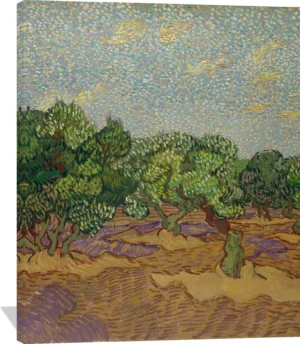
142,00 leiSelect options This product has multiple variants. The options may be chosen on the product pageOlive Trees
Vincent van GoghCanvas from
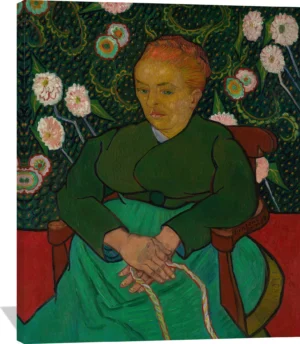
142,00 leiSelect options This product has multiple variants. The options may be chosen on the product pageLa Berceuse (Woman Rocking a Cradle; Augustine-Alix Pellicot Roulin, 1851–1930)
Vincent van GoghCanvas from
142,00 leiSelect options This product has multiple variants. The options may be chosen on the product pageBouquet of Chrysanthemums
Auguste RenoirCanvas from
142,00 leiSelect options This product has multiple variants. The options may be chosen on the product pageThe Bridge at Villeneuve-la-Garenne
Alfred SisleyCanvas from
142,00 leiSelect options This product has multiple variants. The options may be chosen on the product pageSahurs Meadows in Morning Sun
Alfred SisleyCanvas from
142,00 leiSelect options This product has multiple variants. The options may be chosen on the product pageThe Road from Moret to Saint-Mammès
Alfred SisleyCanvas from
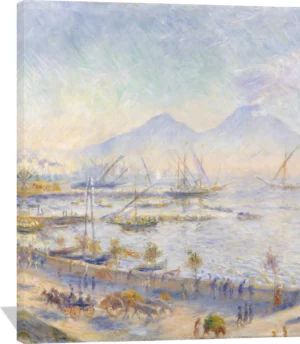
142,00 leiSelect options This product has multiple variants. The options may be chosen on the product pageThe Bay of Naples
Auguste RenoirCanvas from
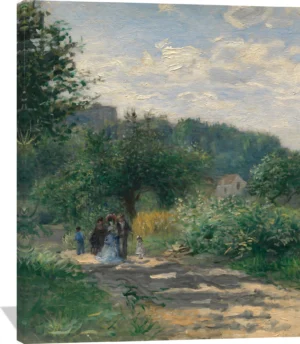
142,00 leiSelect options This product has multiple variants. The options may be chosen on the product pageA Road in Louveciennes
Auguste RenoirCanvas from
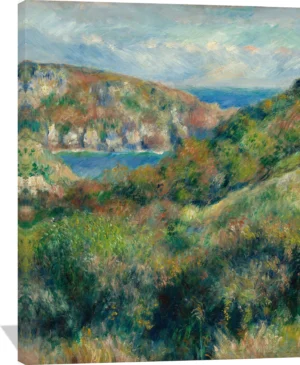
142,00 leiSelect options This product has multiple variants. The options may be chosen on the product pageHills around the Bay of Moulin Huet, Guernsey
Auguste RenoirCanvas from
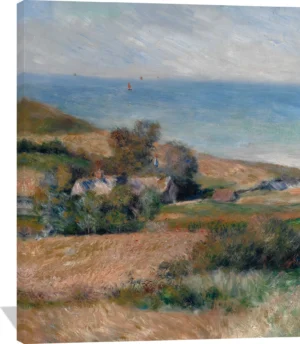
147,00 leiSelect options This product has multiple variants. The options may be chosen on the product pageView of the Seacoast near Wargemont in Normandy
Auguste RenoirCanvas from
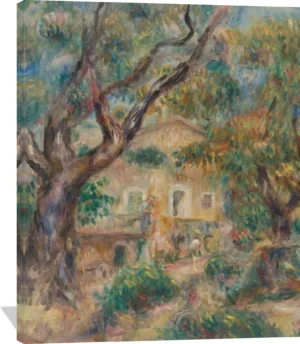
142,00 leiSelect options This product has multiple variants. The options may be chosen on the product pageThe Farm at Les Collettes, Cagnes
Auguste RenoirCanvas from
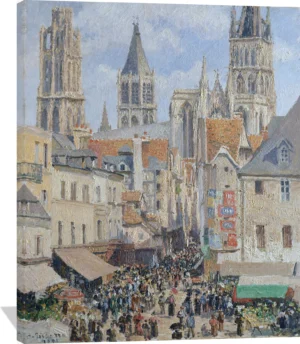
142,00 leiSelect options This product has multiple variants. The options may be chosen on the product pageRue de l’Epicerie, Rouen (Effect of Sunlight)
Camille PissarroCanvas from
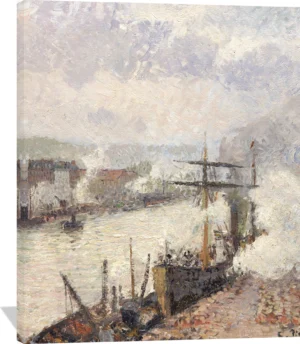
142,00 leiSelect options This product has multiple variants. The options may be chosen on the product pageSteamboats in the Port of Rouen
Camille PissarroCanvas from
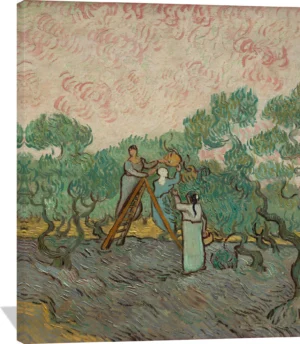
142,00 leiSelect options This product has multiple variants. The options may be chosen on the product pageWomen Picking Olives
Vincent van GoghCanvas from
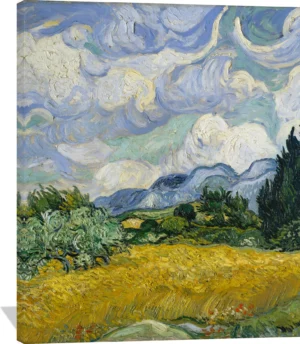
142,00 leiSelect options This product has multiple variants. The options may be chosen on the product pageWheat Field with Cypresses
Vincent van GoghCanvas from
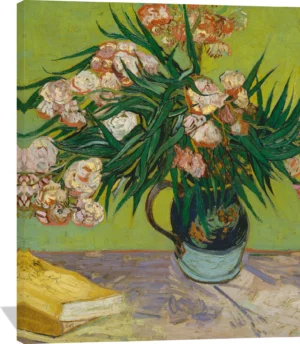
142,00 leiSelect options This product has multiple variants. The options may be chosen on the product pageOleanders
Vincent van GoghCanvas from
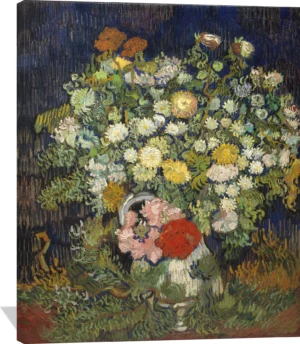
142,00 leiSelect options This product has multiple variants. The options may be chosen on the product pageBouquet of Flowers in a Vase
Vincent van GoghCanvas from
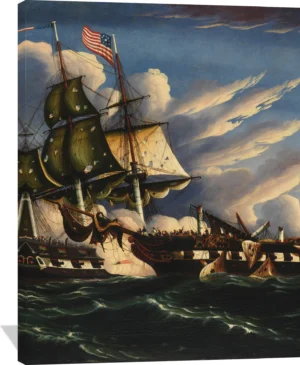
142,00 leiSelect options This product has multiple variants. The options may be chosen on the product pageThe Constitution and the Guerriere
Thomas ChambersCanvas from
147,00 leiSelect options This product has multiple variants. The options may be chosen on the product page
Explore Fruits
Girl with Cherries
Marco d'OggionoCanvas from
142,00 leiSelect options This product has multiple variants. The options may be chosen on the product pageStill Life with Jar, Cup, and Apples
Paul CézanneCanvas from
142,00 leiSelect options This product has multiple variants. The options may be chosen on the product pageParrot on a Pear Branch
Jin ZunnianCanvas from
142,00 leiSelect options This product has multiple variants. The options may be chosen on the product pageStill Life with Ewer and Fruit
Carducius Plantagenet ReamCanvas from
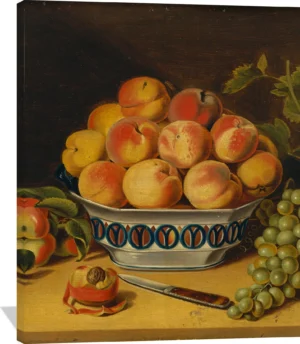
142,00 leiSelect options This product has multiple variants. The options may be chosen on the product pageStill Life: Peaches and Grapes
John A. WoodsideCanvas from
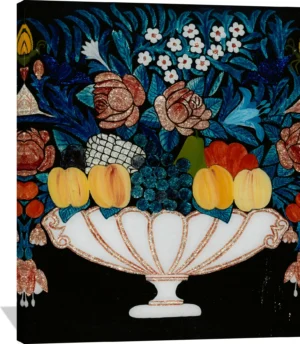
142,00 leiSelect options This product has multiple variants. The options may be chosen on the product pageStill Life—Flowers and Fruit in White and Pink Bowl
Canvas from
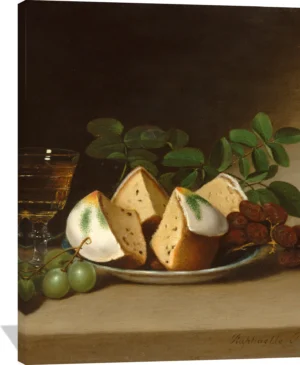
142,00 leiSelect options This product has multiple variants. The options may be chosen on the product pageStill Life with Cake
Raphaelle PealeCanvas from
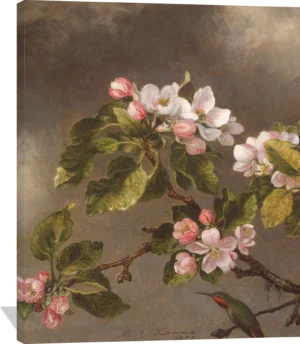
147,00 leiSelect options This product has multiple variants. The options may be chosen on the product pageHummingbird and Apple Blossoms
Martin Johnson HeadeCanvas from
142,00 leiSelect options This product has multiple variants. The options may be chosen on the product pageStill Life with Fruit
John F. FrancisCanvas from
142,00 leiSelect options This product has multiple variants. The options may be chosen on the product pageStrawberry Pedlar
William P. ChappelCanvas from
222,00 leiSelect options This product has multiple variants. The options may be chosen on the product pageBasket of Fruit
Bartolomeo CavarozziCanvas from
142,00 leiSelect options This product has multiple variants. The options may be chosen on the product pageFruit and Flowers
Orsola Maddalena CacciaCanvas from
142,00 leiSelect options This product has multiple variants. The options may be chosen on the product pageStill Life of Grapes and Peaches
Panfilo NuvoloneCanvas from
142,00 leiSelect options This product has multiple variants. The options may be chosen on the product pageGrape Vines and Fruit, with Three Wagtails
Bartolomeo CavarozziCanvas from
222,00 leiSelect options This product has multiple variants. The options may be chosen on the product pageStill Life with Flowers and Prickly Pears
Auguste RenoirCanvas from
142,00 leiSelect options This product has multiple variants. The options may be chosen on the product pageDish of Apples
Paul CézanneCanvas from
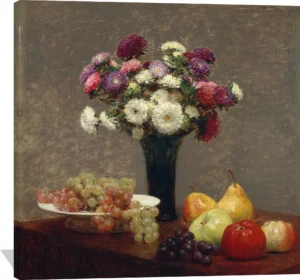
142,00 leiSelect options This product has multiple variants. The options may be chosen on the product pageAsters and Fruit on a Table
Henri Fantin-LatourCanvas from
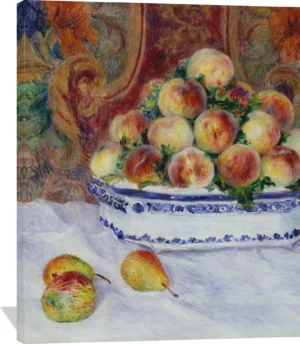
195,00 leiSelect options This product has multiple variants. The options may be chosen on the product pageStill Life with Peaches
Auguste RenoirCanvas from
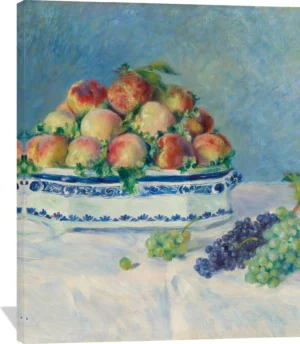
142,00 leiSelect options This product has multiple variants. The options may be chosen on the product pageStill Life with Peaches and Grapes
Auguste RenoirCanvas from
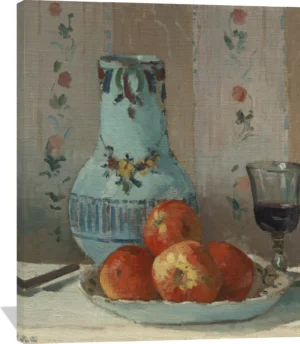
142,00 leiSelect options This product has multiple variants. The options may be chosen on the product pageStill Life with Apples and Pitcher
Camille PissarroCanvas from
142,00 leiSelect options This product has multiple variants. The options may be chosen on the product pageThe Afternoon Meal (La Merienda)
Luis MeléndezCanvas from
147,00 leiSelect options This product has multiple variants. The options may be chosen on the product page