Dr. Samuel A. Bemis
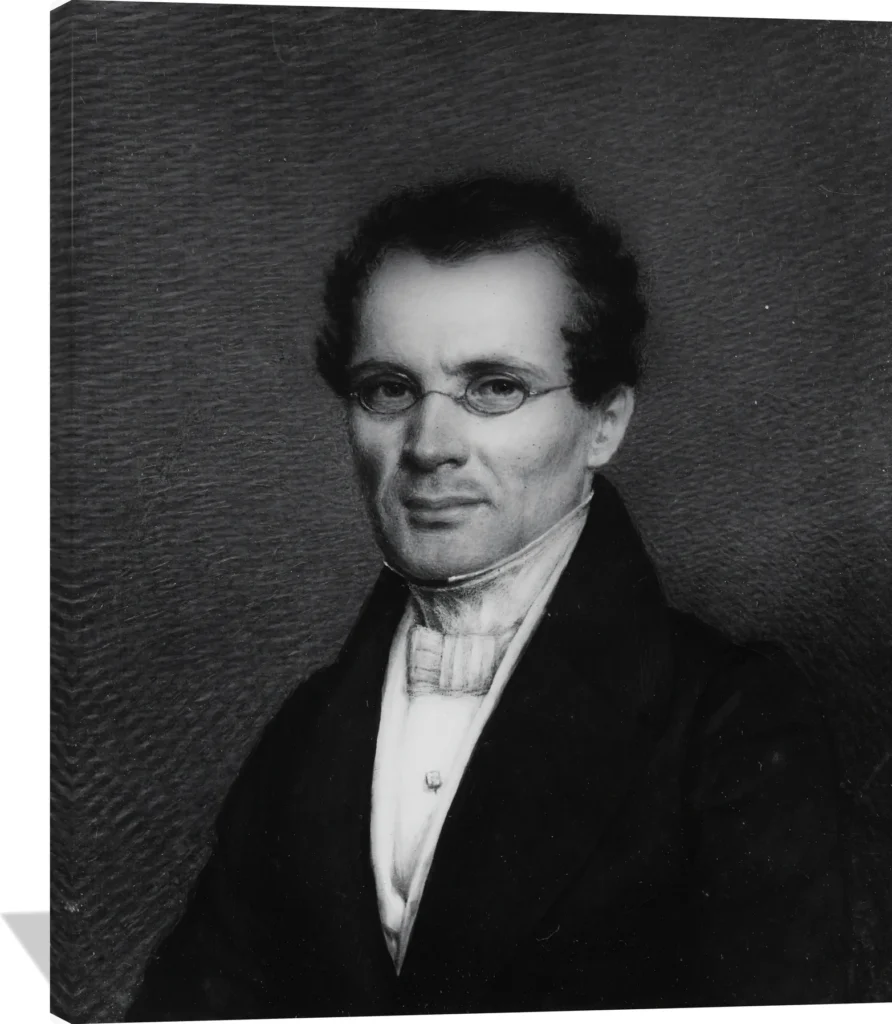
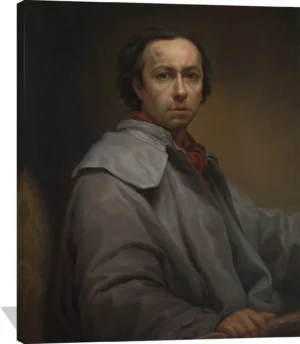
The Alvan Clark Dr. Samuel A. Bemis canvas captures the quiet dignity and intellect of its subject through masterful use of light and shadow. Subtle tones of charcoal, ivory, and soft gray create a refined, timeless portrait that embodies 19th-century elegance. Clark’s precise brushwork and delicate contrasts draw the viewer into a moment of introspection and poise.
This distinguished wall art brings a sense of heritage and sophistication to any setting. Ideal for a study, library, or formal living room, this canvas print adds depth and character while honoring the craftsmanship of Alvan Clark (1804–1887).
Alvan Clark (1804–1887) was an American artisan whose precision craftsmanship and artistic sensitivity shaped the development of 19th‑century astronomical observation. Although not a painter in the traditional sense, Clark brought an artist’s eye to the discipline of optical design, creating refracting telescopes renowned for their clarity, balance, and meticulous hand‑finished detail.
Artistic Craft and Vision
Clark began his career as a portrait painter, a foundation that refined his ability to perceive subtle gradations of light, proportion, and focus. These same sensitivities later informed his celebrated work as an optical maker. His telescopes were not merely scientific instruments; they embodied an aesthetic commitment to harmony, precision, and visual purity. Each lens was ground and polished by hand, resulting in optics prized for their luminous sharpness and naturalistic rendering of celestial subjects.
Notable Contributions
Clark co‑founded the firm Alvan Clark & Sons, which became internationally recognized for producing some of the finest refractors of the era. His work culminated in several landmark achievements, including lenses that enabled astronomers to reveal new double stars and refine stellar measurements. The discovery of the companion star to Sirius through one of his instruments elevated his reputation and demonstrated the extraordinary capabilities of his craftsmanship.
Subjects and Characteristics
While Clark’s early portraits captured the nuances of human expression, his later work shifted toward the cosmos. The visual clarity of his lenses allowed observers to view planets, stars, and nebulae with unprecedented detail. His creations balanced scientific function with artistic refinement, emphasizing purity of light, structural elegance, and a pursuit of visual truth. This blend of disciplines made his instruments distinctive and highly sought after by observatories around the world.
Cultural and Historical Significance
Clark occupies a unique position in American history as both artist and maker. His mastery of optical craftsmanship contributed significantly to 19th‑century astronomy, supporting discoveries that expanded human understanding of the universe. Today, his refractors are regarded not only as scientific milestones but also as objects of enduring artisanal beauty. Clark’s legacy bridges art and science, illustrating how disciplined creativity can transform the way we see the world and the skies beyond it.
Trust & policies
- 🚚 Free worldwide shipping
- 🔁 30-day returns (change of mind)
- 🛡️ If damaged/defective/misprinted: free replacement or full refund
- 🌍 Printed in US/CA/EU/UK/AU (based on delivery location)
- 💎 Made to order using acid-free, fade-resistant canvas
- 💎 Solid wood stretcher bars • Pine floating frames
- 🪝 Ready to hang

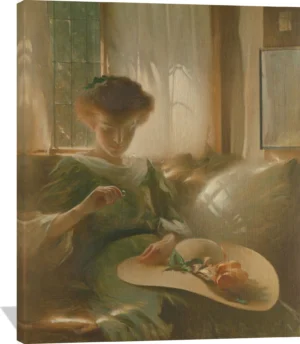
Janet Halleck Drake
Henry InmanCanvas from
142,00 leiSelect options This product has multiple variants. The options may be chosen on the product pageAdult Funeral Procession
William P. ChappelCanvas from
222,00 leiSelect options This product has multiple variants. The options may be chosen on the product pageEleanor Hardy Bunker
Dennis Miller BunkerCanvas from
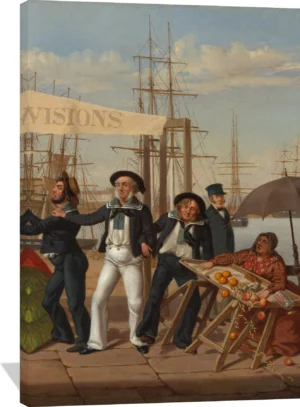
142,00 leiSelect options This product has multiple variants. The options may be chosen on the product pageAfter a Long Cruise
John CarlinCanvas from
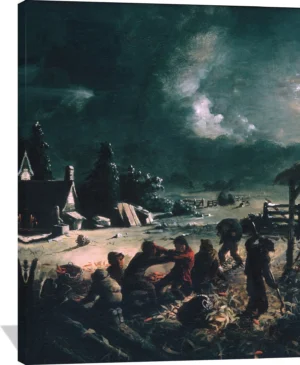
222,00 leiSelect options This product has multiple variants. The options may be chosen on the product pageCorn Husking
David Gilmour BlytheCanvas from
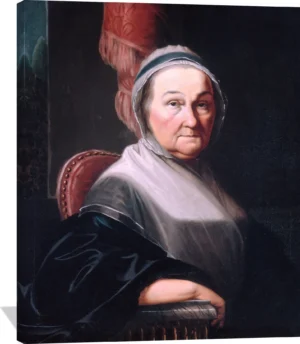
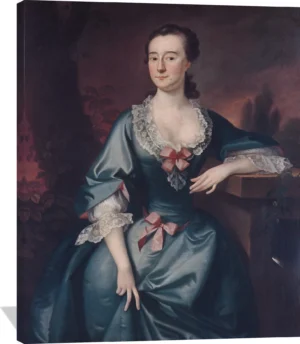
147,00 leiSelect options This product has multiple variants. The options may be chosen on the product pageMrs. Benjamin Simons
Henry BenbridgeCanvas from
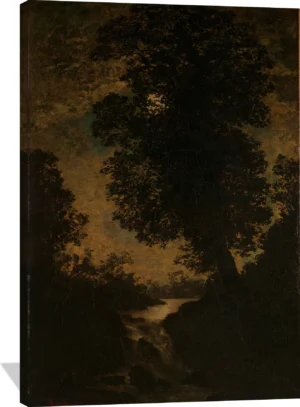
142,00 leiSelect options This product has multiple variants. The options may be chosen on the product pageA Waterfall, Moonlight
Ralph Albert BlakelockCanvas from
222,00 leiSelect options This product has multiple variants. The options may be chosen on the product pageThe Ring
John White AlexanderCanvas from
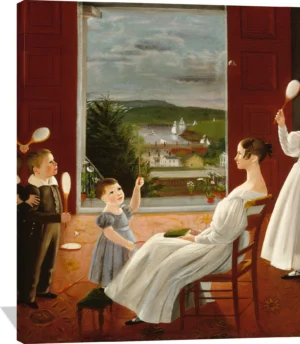
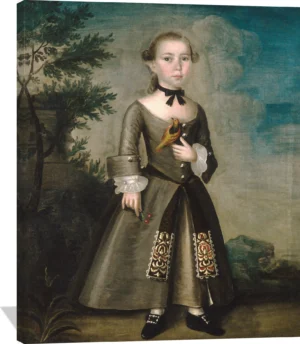
142,00 leiSelect options This product has multiple variants. The options may be chosen on the product pageThe Children of Nathan Starr
Ambrose AndrewsCanvas from
142,00 leiSelect options This product has multiple variants. The options may be chosen on the product pageLeete Farm, West Claremont, New Hampshire
Francis AlexanderCanvas from
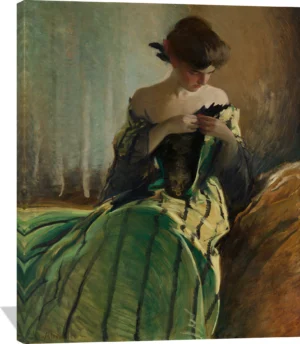
222,00 leiSelect options This product has multiple variants. The options may be chosen on the product pageStudy in Green and Black
John White AlexanderCanvas from
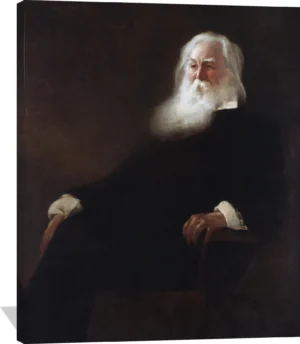
142,00 leiSelect options This product has multiple variants. The options may be chosen on the product pageWalt Whitman
John White AlexanderCanvas from
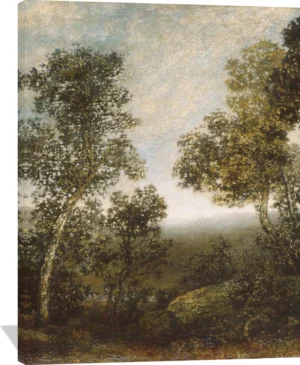
142,00 leiSelect options This product has multiple variants. The options may be chosen on the product pageLandscape
Ralph Albert BlakelockCanvas from
147,00 leiSelect options This product has multiple variants. The options may be chosen on the product pageJames Badger
Joseph BadgerCanvas from
142,00 leiSelect options This product has multiple variants. The options may be chosen on the product pageMrs. David Chesebrough
Joseph BlackburnCanvas from
142,00 leiSelect options This product has multiple variants. The options may be chosen on the product pageMary Sylvester
Joseph BlackburnCanvas from
142,00 leiSelect options This product has multiple variants. The options may be chosen on the product pageBaked Pears in Duane Park
William P. ChappelCanvas from
222,00 leiSelect options This product has multiple variants. The options may be chosen on the product pageMerced River, Yosemite Valley
Albert BierstadtCanvas from
147,00 leiSelect options This product has multiple variants. The options may be chosen on the product pageThe Way They Live
Thomas AnshutzCanvas from
147,00 leiSelect options This product has multiple variants. The options may be chosen on the product pageSamuel Cutts
Joseph BlackburnCanvas from
142,00 leiSelect options This product has multiple variants. The options may be chosen on the product pagePortrait of a Gentleman
Henry BenbridgeCanvas from
142,00 leiSelect options This product has multiple variants. The options may be chosen on the product pageLake of Orta
J. Carroll BeckwithCanvas from
142,00 leiSelect options This product has multiple variants. The options may be chosen on the product page
Explore Portraits
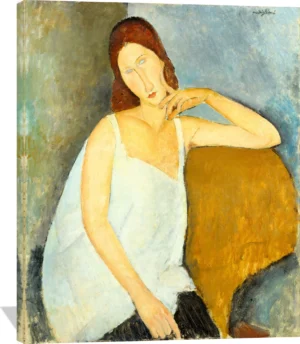
Jeanne Hébuterne
Amedeo ModiglianiCanvas from
142,00 leiSelect options This product has multiple variants. The options may be chosen on the product pageGirl in a Sailor’s Blouse
Amedeo ModiglianiCanvas from
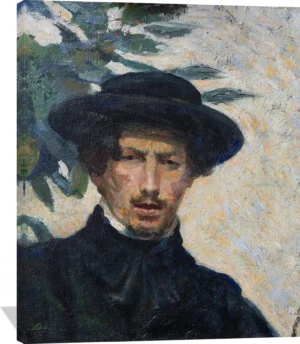
147,00 leiSelect options This product has multiple variants. The options may be chosen on the product pageSelf-Portrait
Umberto BoccioniCanvas from
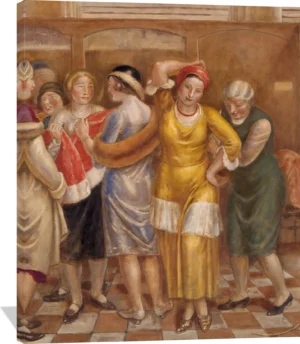
142,00 leiSelect options This product has multiple variants. The options may be chosen on the product pageThe Fitting Room
Kenneth Hayes MillerCanvas from
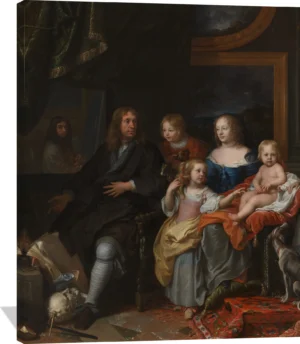
142,00 leiSelect options This product has multiple variants. The options may be chosen on the product pageThe Jabach Family
Charles Le BrunCanvas from
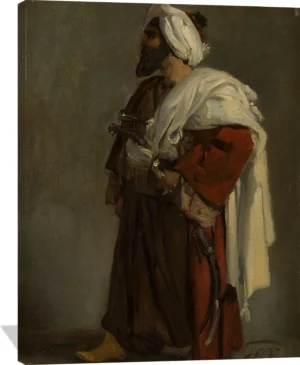
142,00 leiSelect options This product has multiple variants. The options may be chosen on the product pageArab Warrior
Horace VernetCanvas from
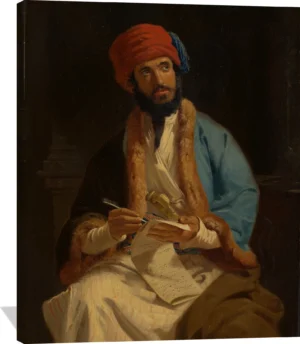
147,00 leiSelect options This product has multiple variants. The options may be chosen on the product pageThe Arab Sage
German PainterCanvas from
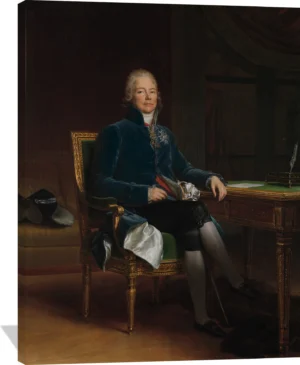
142,00 leiSelect options This product has multiple variants. The options may be chosen on the product pageCharles Maurice de Talleyrand Périgord (1754–1838), Prince de Bénévent
baron François GérardCanvas from
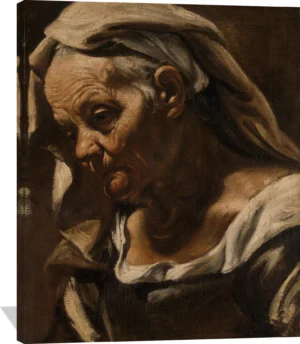
147,00 leiSelect options This product has multiple variants. The options may be chosen on the product pageHead of an Old Woman
Orazio BorgianniCanvas from
142,00 leiSelect options This product has multiple variants. The options may be chosen on the product pageSelf-Portrait
Anton Raphael MengsCanvas from
142,00 leiSelect options This product has multiple variants. The options may be chosen on the product pageSeated Arab Man with Horse
Alfred DedreuxCanvas from
142,00 leiSelect options This product has multiple variants. The options may be chosen on the product pageA Cardinal’s Procession
Ottavio Leoni (Il Padovano)Canvas from
195,00 leiSelect options This product has multiple variants. The options may be chosen on the product pageAn Egyptian in a Doorway
Sir Lawrence Alma-TademaCanvas from
147,00 leiSelect options This product has multiple variants. The options may be chosen on the product pageWestern Gentleman in Oriental Costume
British PainterCanvas from
142,00 leiSelect options This product has multiple variants. The options may be chosen on the product pageA Female Martyr Saint
Carlo Francesco NuvoloneCanvas from
142,00 leiSelect options This product has multiple variants. The options may be chosen on the product pageGirl in a Courtyard, Algiers (formerly Courtyard in Tangier)
Philippe PavyCanvas from
222,00 leiSelect options This product has multiple variants. The options may be chosen on the product pageLute Player
Valentin de BoulogneCanvas from
142,00 leiSelect options This product has multiple variants. The options may be chosen on the product pageThe Opium Smokers
Georges ClairinCanvas from
195,00 leiSelect options This product has multiple variants. The options may be chosen on the product pageHead of a Bishop
Gaetano GandolfiCanvas from
142,00 leiSelect options This product has multiple variants. The options may be chosen on the product pageThe Two Central Figures in “Derby Day”
William Powell FrithCanvas from
147,00 leiSelect options This product has multiple variants. The options may be chosen on the product pageThe Saithwaite Family
Francis WheatleyCanvas from
142,00 leiSelect options This product has multiple variants. The options may be chosen on the product page