The Bathers
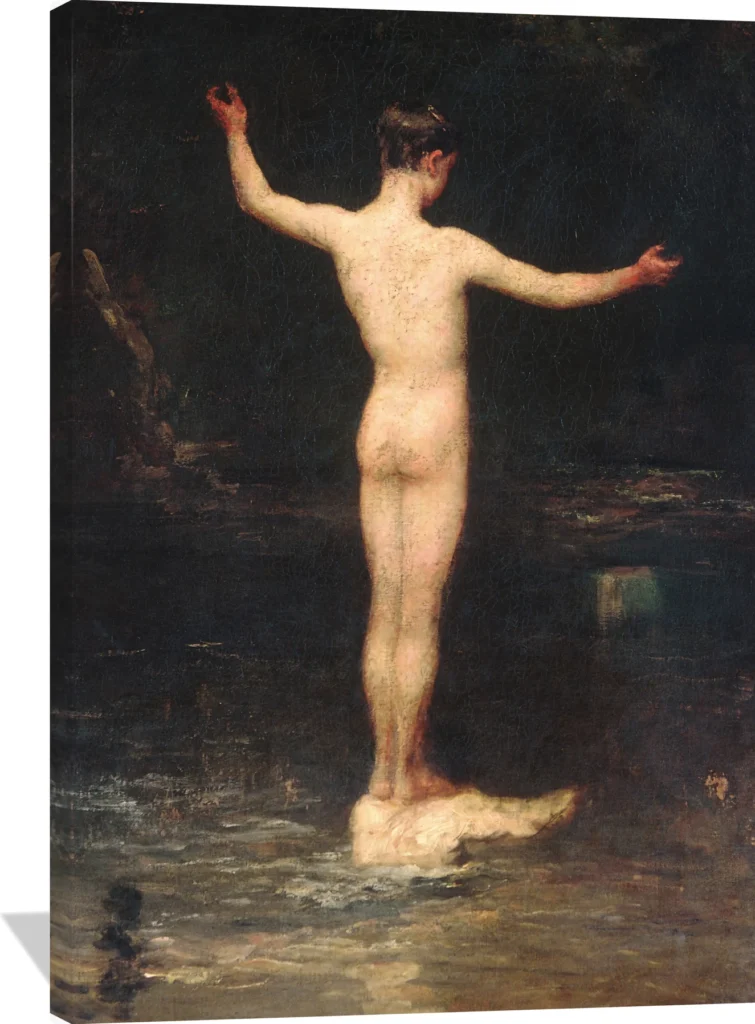
The William Morris Hunt The Bathers canvas captures a moment of serene grace and natural beauty. Rendered in warm flesh tones, deep browns, and soft golden highlights, this evocative scene of a solitary figure poised in still water reflects Hunt’s mastery of light and form. The painterly texture and gentle contrast create a timeless atmosphere that invites quiet reflection.
This elegant wall art brings a sense of calm and classical refinement to any space. Ideal for a living room, study, or entryway, this canvas print celebrates the harmony between the human form and nature with understated sophistication.
William Morris Hunt (1824–1879), born in Brattleboro, Vermont and later active throughout New England, was a pivotal figure in introducing French Barbizon aesthetics to American art. His training in Paris under Thomas Couture and his deep admiration for Jean-François Millet shaped a style that blended atmospheric realism with poetic sensitivity.
Artistic Style and Influences
Hunt’s work is distinguished by its soft tonal harmonies, fluid brushwork, and an emphasis on natural light. He embraced the Barbizon School’s commitment to painting from life, favoring nuanced landscapes and expressive figural compositions. His ability to convey mood through restrained color and subtle gradation made him a leading voice in American realist painting.
Subjects and Notable Themes
Hunt often depicted rural laborers, pastoral settings, and introspective figures, capturing the quiet dignity of everyday life. Works such as The Bathers and The Flight of Night reveal his interest in mythic resonance and emotional depth. His portraits, admired for their psychological insight, further demonstrate his command of form and atmosphere.
Cultural Significance
As a teacher and lecturer in Boston, Hunt played a substantial role in shaping American art tastes during the mid‑19th century. His dedication to plein-air practice and his advocacy for modern European techniques helped lay the groundwork for later generations of American painters. He is remembered today as a key transmitter of European realism to the United States and as an artist whose quiet, lyrical vision continues to resonate.
Trust & policies
- 🚚 Free worldwide shipping
- 🔁 30-day returns (change of mind)
- 🛡️ If damaged/defective/misprinted: free replacement or full refund
- 🌍 Printed in US/CA/EU/UK/AU (based on delivery location)
- 💎 Made to order using acid-free, fade-resistant canvas
- 💎 Solid wood stretcher bars • Pine floating frames
- 🪝 Ready to hang

Mrs. Samuel Cutts
Joseph BlackburnCanvas from
142,00 leiSelect options This product has multiple variants. The options may be chosen on the product pageBaked Pears in Duane Park
William P. ChappelCanvas from
222,00 leiSelect options This product has multiple variants. The options may be chosen on the product pageWalt Whitman
John White AlexanderCanvas from
142,00 leiSelect options This product has multiple variants. The options may be chosen on the product pageMerced River, Yosemite Valley
Albert BierstadtCanvas from
147,00 leiSelect options This product has multiple variants. The options may be chosen on the product pageStudy in Green and Black
John White AlexanderCanvas from
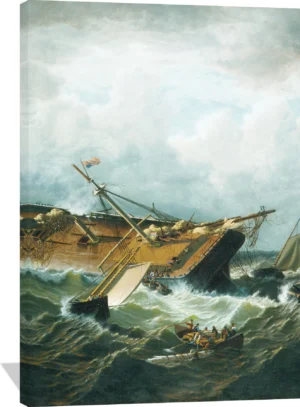
142,00 leiSelect options This product has multiple variants. The options may be chosen on the product pageShipwreck off Nantucket (Wreck off Nantucket after a Storm)
William BradfordCanvas from
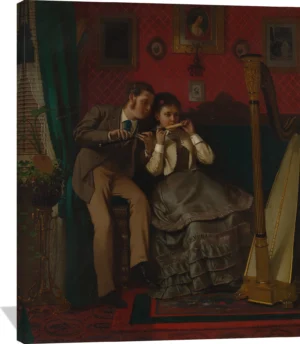
222,00 leiSelect options This product has multiple variants. The options may be chosen on the product pageThe Music Lesson
John George BrownCanvas from
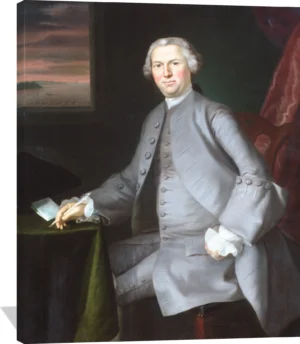
142,00 leiSelect options This product has multiple variants. The options may be chosen on the product pageSamuel Cutts
Joseph BlackburnCanvas from
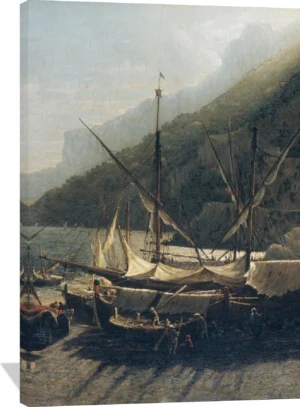
142,00 leiSelect options This product has multiple variants. The options may be chosen on the product pageView at Amalfi, Bay of Salerno
George Loring BrownCanvas from
222,00 leiSelect options This product has multiple variants. The options may be chosen on the product pageJames Badger
Joseph BadgerCanvas from
142,00 leiSelect options This product has multiple variants. The options may be chosen on the product pageThe Way They Live
Thomas AnshutzCanvas from
147,00 leiSelect options This product has multiple variants. The options may be chosen on the product pageMeditation
John George BrownCanvas from
142,00 leiSelect options This product has multiple variants. The options may be chosen on the product pageSeventh Regiment on Review, Washington Square, New York
Otto BoetticherCanvas from
222,00 leiSelect options This product has multiple variants. The options may be chosen on the product pageEleanor Hardy Bunker
Dennis Miller BunkerCanvas from
142,00 leiSelect options This product has multiple variants. The options may be chosen on the product pageMountain Scene
Albert BierstadtCanvas from
147,00 leiSelect options This product has multiple variants. The options may be chosen on the product pageAn Indian Encampment
Ralph Albert BlakelockCanvas from
195,00 leiSelect options This product has multiple variants. The options may be chosen on the product pageSea Cove
Albert BierstadtCanvas from
147,00 leiSelect options This product has multiple variants. The options may be chosen on the product pageThe Ring
John White AlexanderCanvas from
142,00 leiSelect options This product has multiple variants. The options may be chosen on the product pageA Waterfall, Moonlight
Ralph Albert BlakelockCanvas from
222,00 leiSelect options This product has multiple variants. The options may be chosen on the product pageAn Arctic Summer: Boring Through the Pack in Melville Bay
William BradfordCanvas from
222,00 leiSelect options This product has multiple variants. The options may be chosen on the product pageThe Ameya
Robert Frederick BlumCanvas from
142,00 leiSelect options This product has multiple variants. The options may be chosen on the product pageMrs. David Chesebrough
Joseph BlackburnCanvas from
142,00 leiSelect options This product has multiple variants. The options may be chosen on the product page
Explore William Morris Hunt
Girl at the Fountain
William Morris HuntCanvas from
142,00 leiSelect options This product has multiple variants. The options may be chosen on the product pageCharles Sumner
William Morris HuntCanvas from
142,00 leiSelect options This product has multiple variants. The options may be chosen on the product pageFortune: A Study for “The Discoverer”
William Morris HuntCanvas from
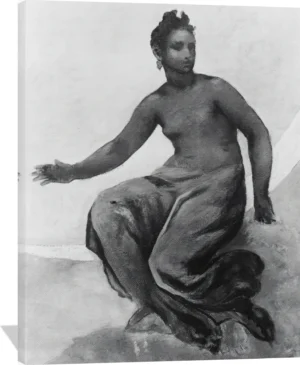
147,00 leiSelect options This product has multiple variants. The options may be chosen on the product pageAnahita: A Study for “The Flight of Night”
William Morris HuntCanvas from
147,00 leiSelect options This product has multiple variants. The options may be chosen on the product pageGirl at the Fountain
William Morris HuntCanvas from
142,00 leiSelect options This product has multiple variants. The options may be chosen on the product pageCharles Sumner
William Morris HuntCanvas from
142,00 leiSelect options This product has multiple variants. The options may be chosen on the product page
Explore Nudes
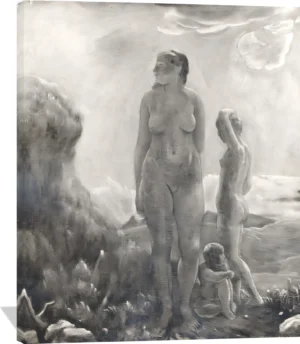
Landscape with Figures
Kenneth Hayes MillerCanvas from
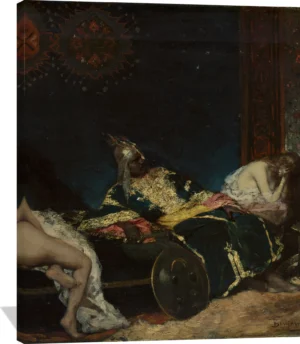
142,00 leiSelect options This product has multiple variants. The options may be chosen on the product pageScene in a Harem (Un Envoi de Serbie)
Benjamin-Constant (Jean-Joseph-Benjamin Constant)Canvas from
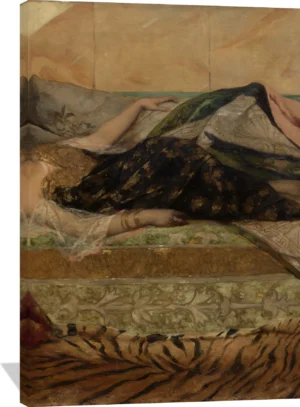
142,00 leiSelect options This product has multiple variants. The options may be chosen on the product pageOdalisque
Benjamin-Constant (Jean-Joseph-Benjamin Constant)Canvas from
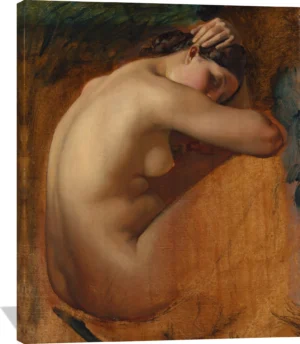
222,00 leiSelect options This product has multiple variants. The options may be chosen on the product pageStudy of a Female Nude
Henri LehmannCanvas from
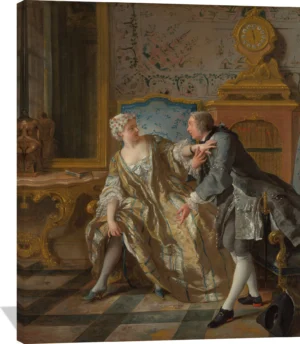
142,00 leiSelect options This product has multiple variants. The options may be chosen on the product pageThe Garter
Jean François de TroyCanvas from
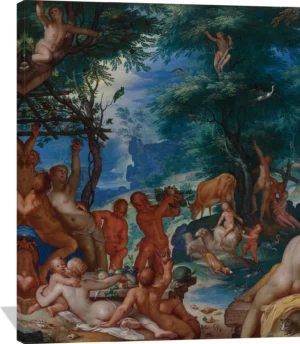
142,00 leiSelect options This product has multiple variants. The options may be chosen on the product pageThe Golden Age
Joachim WtewaelCanvas from
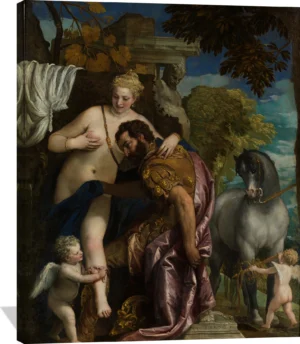
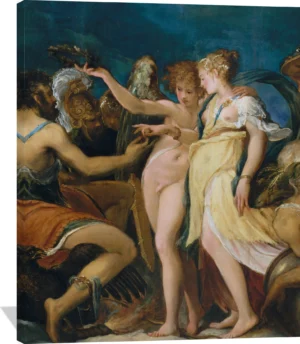
142,00 leiSelect options This product has multiple variants. The options may be chosen on the product pageMars and Venus United by Love
Paolo Veronese (Paolo Caliari)Canvas from
142,00 leiSelect options This product has multiple variants. The options may be chosen on the product pageThe Marriage of Cupid and Psyche
Andrea Schiavone (Andrea Meldola)Canvas from
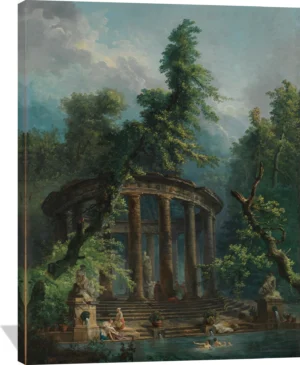
142,00 leiSelect options This product has multiple variants. The options may be chosen on the product pageThe Bathing Pool
Hubert RobertCanvas from
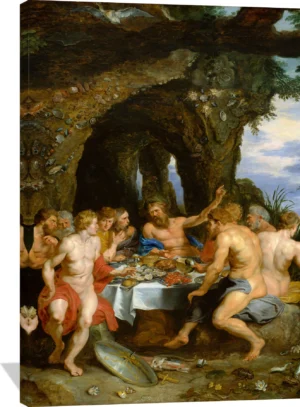
147,00 leiSelect options This product has multiple variants. The options may be chosen on the product pageThe Feast of Acheloüs
Peter Paul RubensCanvas from
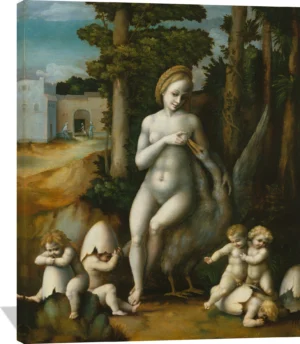
222,00 leiSelect options This product has multiple variants. The options may be chosen on the product pageLeda and the Swan
Bachiacca (Francesco d'Ubertino Verdi)Canvas from
142,00 leiSelect options This product has multiple variants. The options may be chosen on the product pageOmnia Vincit Amor, or The Power of Love in the Three Elements
Benjamin WestCanvas from
142,00 leiSelect options This product has multiple variants. The options may be chosen on the product pageJudgment of Paris
Alessandro TurchiCanvas from
142,00 leiSelect options This product has multiple variants. The options may be chosen on the product pageAllegory of Sacred and Profane Love
Michele DesubleoCanvas from
142,00 leiSelect options This product has multiple variants. The options may be chosen on the product pageStudy of a Nude Man
Gustave CourbetCanvas from
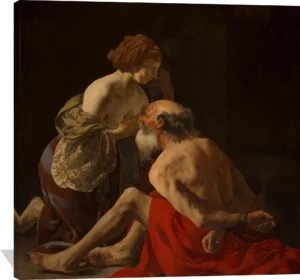
142,00 leiSelect options This product has multiple variants. The options may be chosen on the product pageRoman Charity
Hendrick ter BrugghenCanvas from
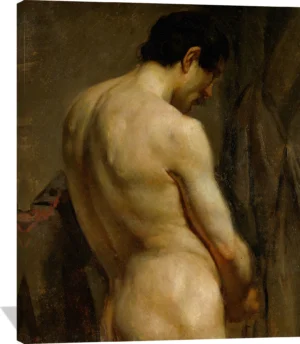
195,00 leiSelect options This product has multiple variants. The options may be chosen on the product pageMale Academy Figure: Half-Length, Side View
Eugène DelacroixCanvas from
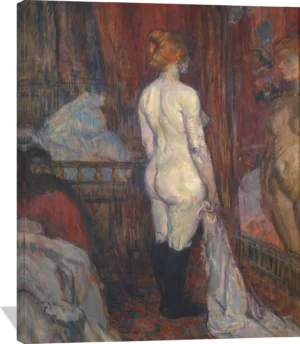
142,00 leiSelect options This product has multiple variants. The options may be chosen on the product pageWoman before a Mirror
Henri de Toulouse-LautrecCanvas from
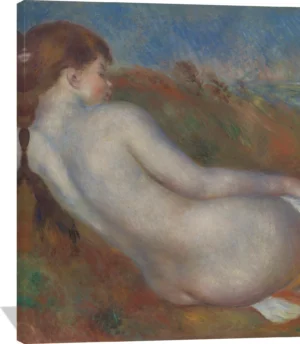
142,00 leiSelect options This product has multiple variants. The options may be chosen on the product pageReclining Nude
Auguste RenoirCanvas from
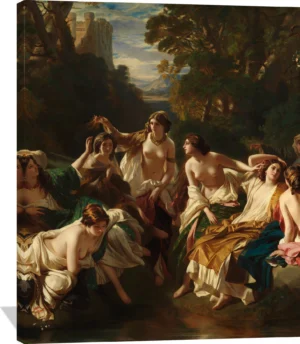
142,00 leiSelect options This product has multiple variants. The options may be chosen on the product pageFlorinda
Franz Xaver WinterhalterCanvas from
142,00 leiSelect options This product has multiple variants. The options may be chosen on the product pageThe Sofa
Henri de Toulouse-LautrecCanvas from
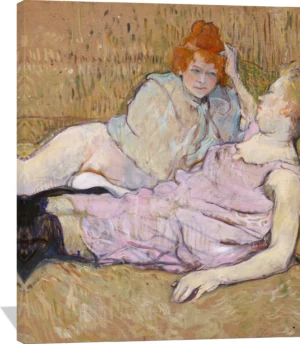
142,00 leiSelect options This product has multiple variants. The options may be chosen on the product page
Explore Figurative
Jeanne Hébuterne
Amedeo ModiglianiCanvas from
142,00 leiSelect options This product has multiple variants. The options may be chosen on the product pageGirl in a Sailor’s Blouse
Amedeo ModiglianiCanvas from
147,00 leiSelect options This product has multiple variants. The options may be chosen on the product pageSelf-Portrait
Umberto BoccioniCanvas from
142,00 leiSelect options This product has multiple variants. The options may be chosen on the product pageDocks on Sunday
Joseph De MartiniCanvas from
142,00 leiSelect options This product has multiple variants. The options may be chosen on the product pageThe Fitting Room
Kenneth Hayes MillerCanvas from
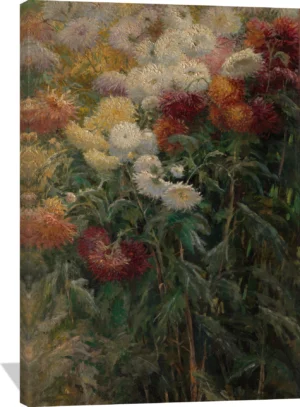
142,00 leiSelect options This product has multiple variants. The options may be chosen on the product pageChrysanthemums in the Garden at Petit-Gennevilliers
Gustave CaillebotteCanvas from
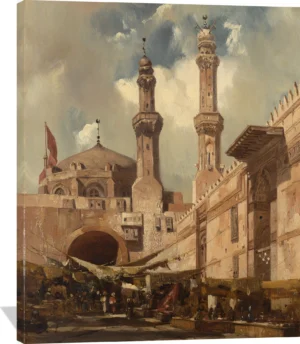
222,00 leiSelect options This product has multiple variants. The options may be chosen on the product pageA Cairo Bazaar
Adrien DauzatsCanvas from
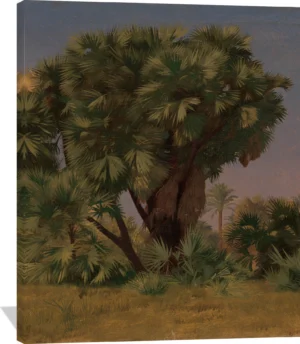
142,00 leiSelect options This product has multiple variants. The options may be chosen on the product pageStudy of Palm Trees
Jean-Léon GérômeCanvas from
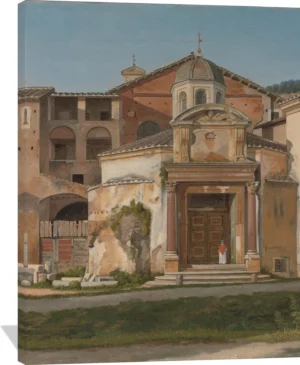
142,00 leiSelect options This product has multiple variants. The options may be chosen on the product pageA Section of the Via Sacra, Rome (The Church of Saints Cosmas and Damian)
Christoffer Wilhelm EckersbergCanvas from
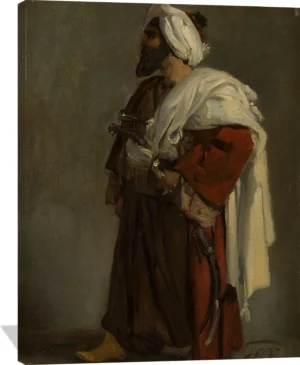
147,00 leiSelect options This product has multiple variants. The options may be chosen on the product pageArab Warrior
Horace VernetCanvas from
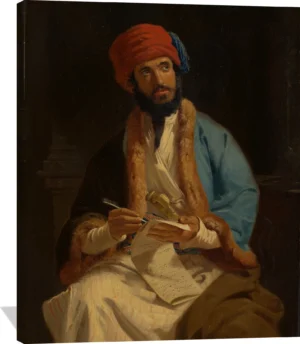
147,00 leiSelect options This product has multiple variants. The options may be chosen on the product pageThe Arab Sage
German PainterCanvas from
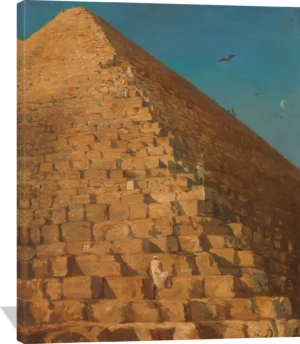
142,00 leiSelect options This product has multiple variants. The options may be chosen on the product pageThe Great Pyramid, Giza
Adrien DauzatsCanvas from
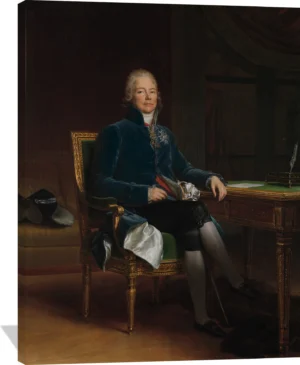
142,00 leiSelect options This product has multiple variants. The options may be chosen on the product pageCharles Maurice de Talleyrand Périgord (1754–1838), Prince de Bénévent
baron François GérardCanvas from
147,00 leiSelect options This product has multiple variants. The options may be chosen on the product pageThe Holy Family with the Infant Saint John the Baptist
Perino del Vaga (Pietro Buonaccorsi)Canvas from
142,00 leiSelect options This product has multiple variants. The options may be chosen on the product pageSeated Arab Man with Horse
Alfred DedreuxCanvas from
142,00 leiSelect options This product has multiple variants. The options may be chosen on the product pageView over Hallingdal
Johan Christian DahlCanvas from
222,00 leiSelect options This product has multiple variants. The options may be chosen on the product pageWedding Procession
Victor EeckhoutCanvas from
147,00 leiSelect options This product has multiple variants. The options may be chosen on the product pageSketch for “Reception of Emperor Napoleon III and Empress Eugénie by the Kabyle Leaders at Algiers on September 18, 1860”
Isidore PilsCanvas from
222,00 leiSelect options This product has multiple variants. The options may be chosen on the product pageWestern Gentleman in Oriental Costume
British PainterCanvas from
142,00 leiSelect options This product has multiple variants. The options may be chosen on the product pageGirl in a Courtyard, Algiers (formerly Courtyard in Tangier)
Philippe PavyCanvas from
222,00 leiSelect options This product has multiple variants. The options may be chosen on the product pageThe Opium Smokers
Georges ClairinCanvas from
195,00 leiSelect options This product has multiple variants. The options may be chosen on the product page