Artistic Style
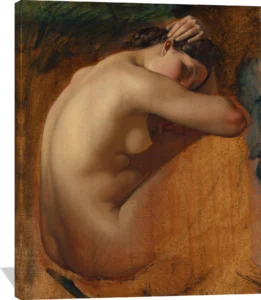
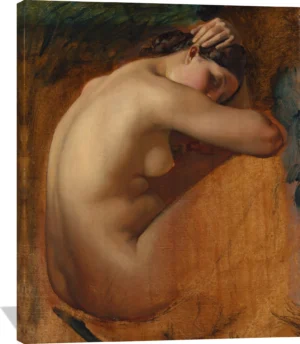
Lehmann’s work is defined by its meticulous draftsmanship, luminous surfaces, and balanced compositions. His paintings often display the polished precision associated with the Ingres school, yet he brought to his subjects a personal lyricism that softened strict academic conventions. His control of line and color allowed him to convey both elegance and emotional depth.
Subjects and Themes
He specialized in portraits, history paintings, and allegorical scenes. Lehmann’s portraits capture sitters with calm authority and psychological nuance, while his narrative works, including depictions of classical mythology and biblical themes, reveal a devotion to the ideals of beauty and moral clarity. Works such as Marguerite Listening to Faust demonstrate his ability to blend literary inspiration with visual harmony.
Legacy and Significance
Active within Paris’s cultural circles and later a professor at the École des Beaux-Arts, Lehmann influenced a generation of young artists through his commitment to disciplined technique and expressive restraint. His oeuvre remains valued for its serenity, precision, and the enduring elegance that characterizes his contribution to 19th‑century French painting.