Artistic Style
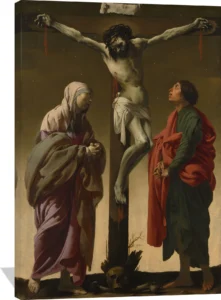
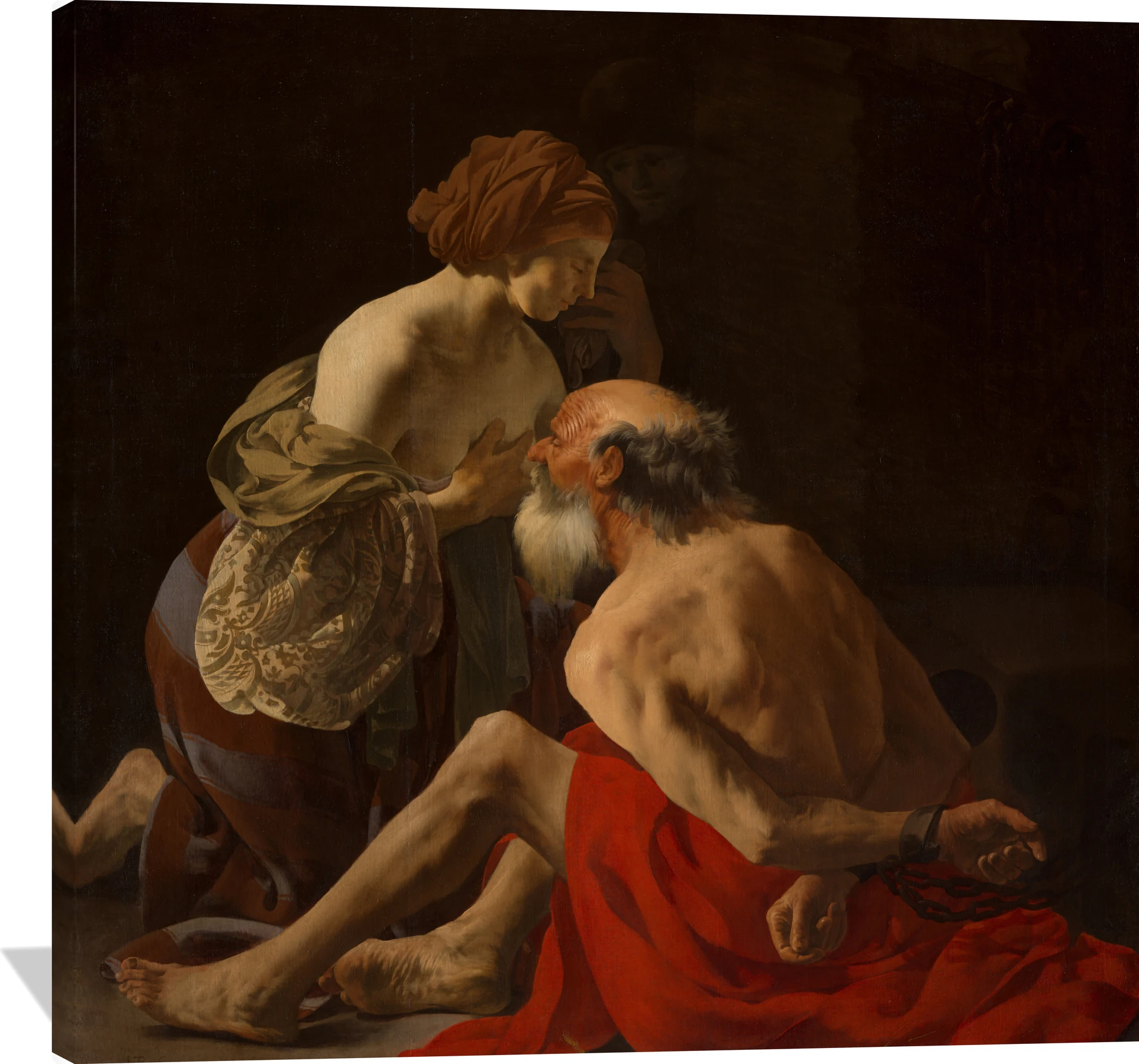
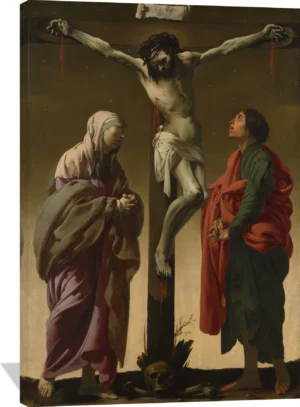
Ter Brugghen’s paintings are defined by bold chiaroscuro, rich color harmonies, and an intimate focus on the human figure. His adoption of Caravaggist lighting brought a new theatricality to Dutch painting, while his nuanced observation of gesture and expression revealed a deep interest in psychological presence. The combination of these elements gives his work a uniquely expressive and contemplative quality.
Subjects and Themes
He is celebrated for his half-length figures of musicians, card players, and tavern scenes, as well as devotional compositions featuring saints and biblical figures. Works such as The Singing Lute Player exemplify his ability to transform familiar subjects into emotionally resonant portraits of human experience. His paintings often highlight themes of music, contemplation, and spiritual reflection, rendered with a realism that feels immediate and lived.
Legacy and Significance
Though his career was relatively brief, Ter Brugghen profoundly shaped the Utrecht Caravaggisti, a movement that played a vital role in bridging Italian Baroque innovations with Dutch artistic traditions. His expressive naturalism and masterful control of light influenced contemporaries and later generations alike. Today, he is regarded as a pivotal figure whose work helped define the dramatic visual language of the seventeenth century.