Samson Captured by the Philistines
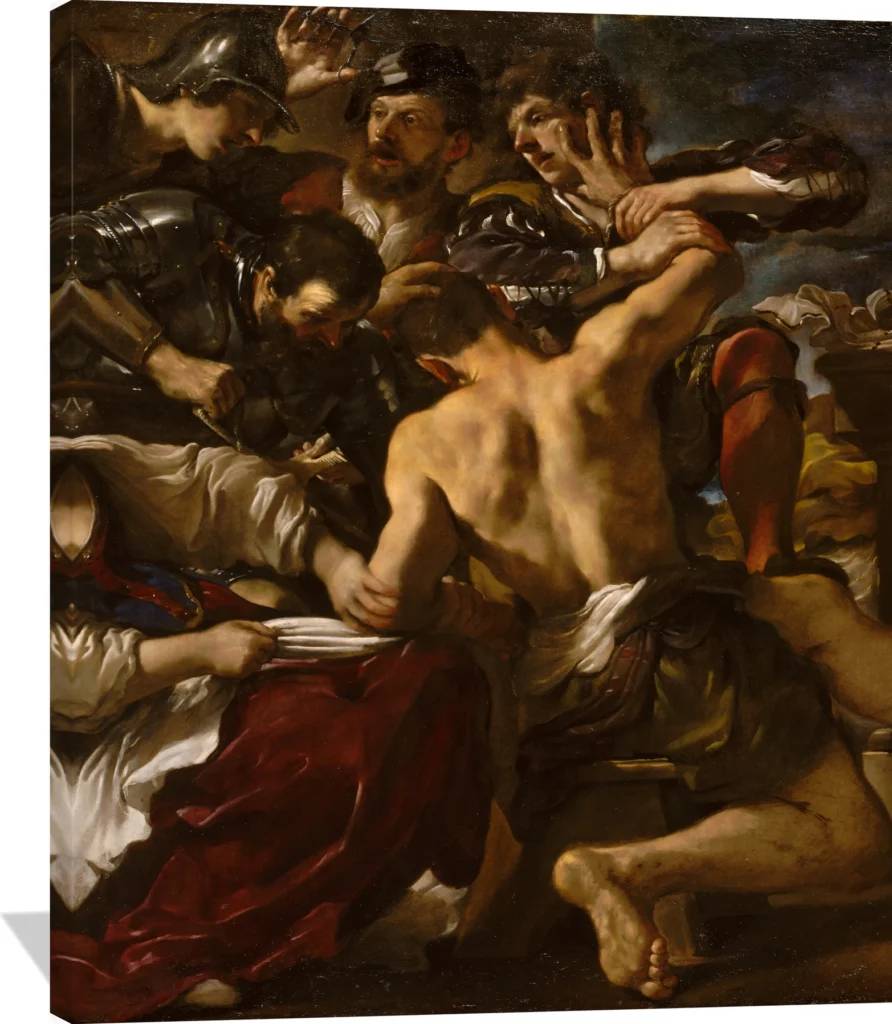
The dramatic energy of Guercino’s Samson Captured by the Philistines canvas embodies the Baroque mastery of movement, light, and emotion. Rich tones of crimson, gold, and deep brown collide with luminous flesh tones, capturing the moment of Samson’s betrayal and struggle with striking realism. Every gesture and shadow reveals Guercino’s gift for storytelling through paint.
This museum-quality Samson Captured by the Philistines canvas print brings timeless intensity and classical grandeur to your space. Ideal for a sophisticated living room, study, or entryway, it transforms any wall into a powerful focal point that celebrates the depth and drama of Italian Baroque art.
Giovanni Francesco Barbieri, known as Guercino, was an influential Italian Baroque painter from Cento whose career flourished between the early and mid‑seventeenth century. Active primarily in Cento and later Bologna, he became celebrated for a dynamic style that blended emotional intensity with masterful draftsmanship.
Artistic Style
Guercino’s work is distinguished by dramatic chiaroscuro, vibrant color harmonies, and fluid, expressive brushwork. His compositions often feature sweeping movement and heightened emotional presence, hallmarks of the Baroque search for immediacy and spiritual resonance. A gifted draftsman, he produced an extensive body of drawings that reveal remarkable sensitivity to light, form, and human expression.
Subjects and Contributions
Guercino created a wide range of religious and mythological paintings, capturing both intimate devotion and grand narrative drama. His figures display a compelling blend of naturalism and lyrical grace. Early masterpieces such as The Burial of Saint Petronilla established his reputation for powerful storytelling, while later altarpieces and frescoes in Bologna highlight his evolving elegance and compositional clarity.
Cultural Significance
A central figure of the Italian Baroque, Guercino influenced generations of artists through his inventive use of light and his commanding sense of movement. His workshop in Cento became a vital artistic center, and his works were sought after by patrons across Italy and beyond. Today, he is recognized for his ability to unite emotional depth with technical brilliance, securing his place as a master of the seventeenth century and a guiding force in the development of the Baroque’s expressive realism.
Trust & policies
- 🚚 Free worldwide shipping
- 🔁 30-day returns (change of mind)
- 🛡️ If damaged/defective/misprinted: free replacement or full refund
- 🌍 Printed in US/CA/EU/UK/AU (based on delivery location)
- 💎 Made to order using acid-free, fade-resistant canvas
- 💎 Solid wood stretcher bars • Pine floating frames
- 🪝 Ready to hang

Walt Whitman
John White AlexanderCanvas from
32,00 $Select options This product has multiple variants. The options may be chosen on the product pageLake of Orta
J. Carroll BeckwithCanvas from
32,00 $Select options This product has multiple variants. The options may be chosen on the product pageAfter a Long Cruise
John CarlinCanvas from
50,00 $Select options This product has multiple variants. The options may be chosen on the product pageA Waterfall, Moonlight
Ralph Albert BlakelockCanvas from
50,00 $Select options This product has multiple variants. The options may be chosen on the product pageLandscape
Ralph Albert BlakelockCanvas from
33,00 $Select options This product has multiple variants. The options may be chosen on the product pageCorn Husking
David Gilmour BlytheCanvas from
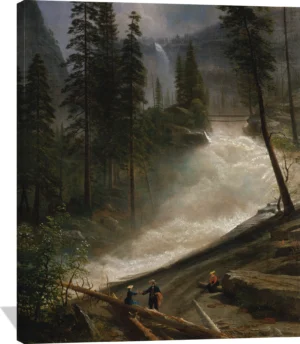
33,00 $Select options This product has multiple variants. The options may be chosen on the product pageNevada Falls, Yosemite
Albert BierstadtCanvas from
32,00 $Select options This product has multiple variants. The options may be chosen on the product pageFur Traders Descending the Missouri
George Caleb BinghamCanvas from
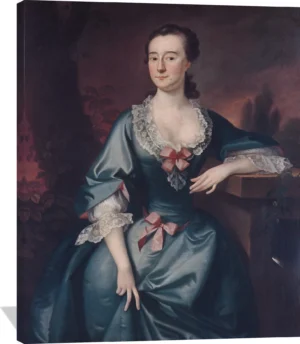
32,00 $Select options This product has multiple variants. The options may be chosen on the product pageMrs. David Chesebrough
Joseph BlackburnCanvas from
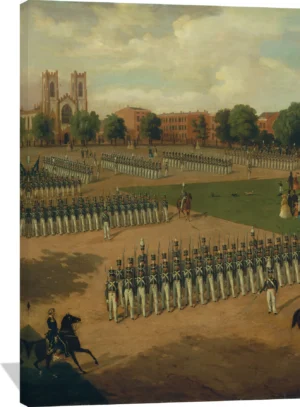
32,00 $Select options This product has multiple variants. The options may be chosen on the product pageSeventh Regiment on Review, Washington Square, New York
Otto BoetticherCanvas from
50,00 $Select options This product has multiple variants. The options may be chosen on the product pageEleanor Hardy Bunker
Dennis Miller BunkerCanvas from
32,00 $Select options This product has multiple variants. The options may be chosen on the product pageAn Indian Encampment
Ralph Albert BlakelockCanvas from
44,00 $Select options This product has multiple variants. The options may be chosen on the product pageBaked Pears in Duane Park
William P. ChappelCanvas from
50,00 $Select options This product has multiple variants. The options may be chosen on the product pageSea Cove
Albert BierstadtCanvas from
33,00 $Select options This product has multiple variants. The options may be chosen on the product pageJames Badger
Joseph BadgerCanvas from
32,00 $Select options This product has multiple variants. The options may be chosen on the product pageThe Pipe Dance
Ralph Albert BlakelockCanvas from
50,00 $Select options This product has multiple variants. The options may be chosen on the product pageMary Sylvester
Joseph BlackburnCanvas from
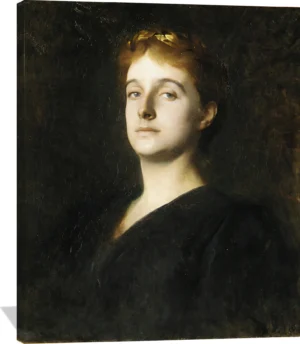
32,00 $Select options This product has multiple variants. The options may be chosen on the product pageStudy in Green and Black
John White AlexanderCanvas from
32,00 $Select options This product has multiple variants. The options may be chosen on the product pageAn Arctic Summer: Boring Through the Pack in Melville Bay
William BradfordCanvas from
50,00 $Select options This product has multiple variants. The options may be chosen on the product pageMrs. Benjamin Simons
Henry BenbridgeCanvas from
32,00 $Select options This product has multiple variants. The options may be chosen on the product pagePhilip Van Cortlandt
Ezra AmesCanvas from
32,00 $Select options This product has multiple variants. The options may be chosen on the product pageMrs. Samuel Cutts
Joseph BlackburnCanvas from
32,00 $Select options This product has multiple variants. The options may be chosen on the product page

Explore Baroque
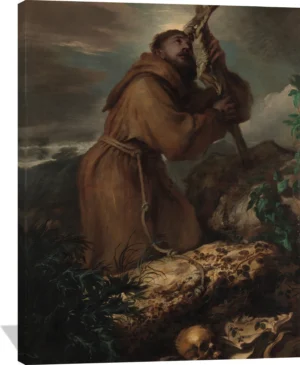
Saint Francis in Ecstasy
Giovanni Benedetto Castiglione (Il Grechetto)Canvas from
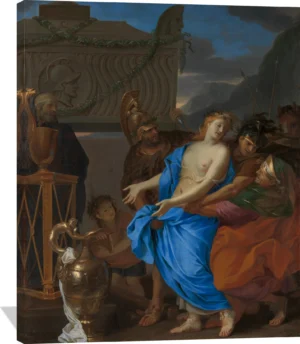
33,00 $Select options This product has multiple variants. The options may be chosen on the product pageThe Sacrifice of Polyxena
Charles Le BrunCanvas from
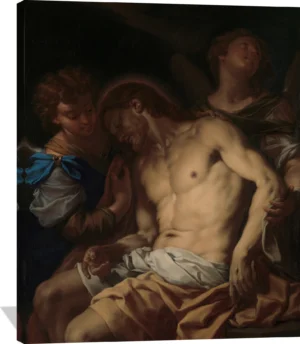
32,00 $Select options This product has multiple variants. The options may be chosen on the product pageDead Christ Supported by Angels
Francesco TrevisaniCanvas from
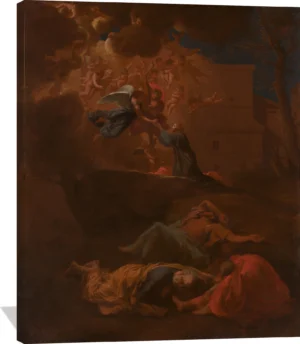
32,00 $Select options This product has multiple variants. The options may be chosen on the product pageThe Agony in the Garden
Nicolas PoussinCanvas from
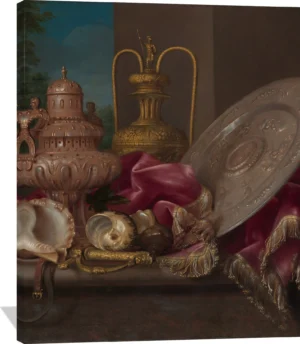
32,00 $Select options This product has multiple variants. The options may be chosen on the product pageStill Life with Silver and Gold Plate, Shells, and a Sword
Meiffren ConteCanvas from
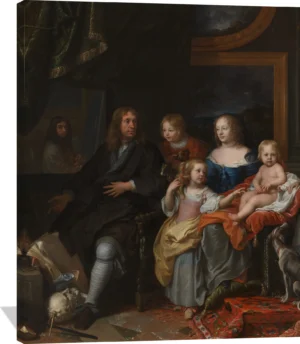
32,00 $Select options This product has multiple variants. The options may be chosen on the product pageThe Jabach Family
Charles Le BrunCanvas from
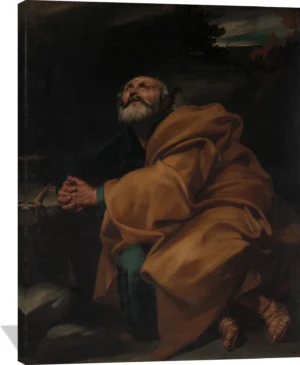
32,00 $Select options This product has multiple variants. The options may be chosen on the product pageThe Tears of Saint Peter
Jusepe de Ribera (called Lo Spagnoletto)Canvas from
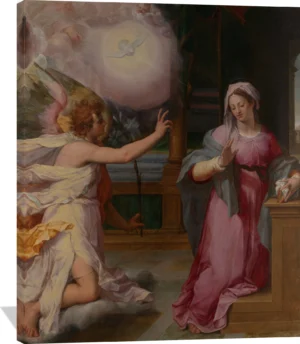
33,00 $Select options This product has multiple variants. The options may be chosen on the product pageThe Annunciation
Peter Candid (Pieter de Witte, Pietro Candido)Canvas from
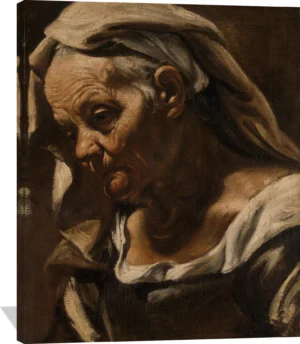
32,00 $Select options This product has multiple variants. The options may be chosen on the product pageHead of an Old Woman
Orazio BorgianniCanvas from
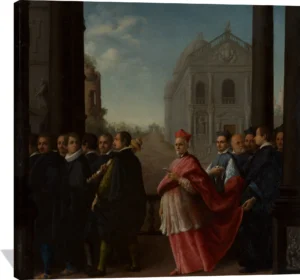
32,00 $Select options This product has multiple variants. The options may be chosen on the product pageA Cardinal’s Procession
Ottavio Leoni (Il Padovano)Canvas from
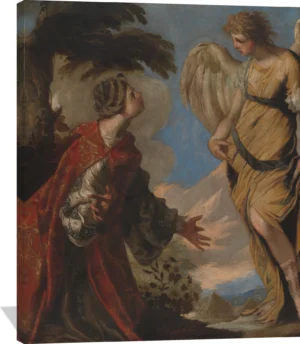
44,00 $Select options This product has multiple variants. The options may be chosen on the product pageHagar and the Angel
Francesco MaffeiCanvas from
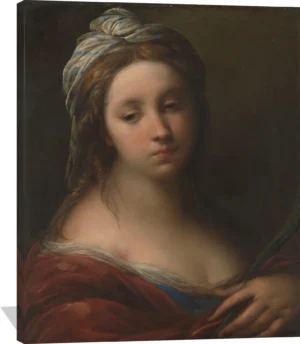
32,00 $Select options This product has multiple variants. The options may be chosen on the product pageA Female Martyr Saint
Carlo Francesco NuvoloneCanvas from
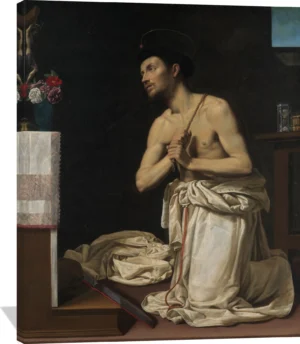
32,00 $Select options This product has multiple variants. The options may be chosen on the product pageSaint Dominic in Penitence
Filippo TarchianiCanvas from
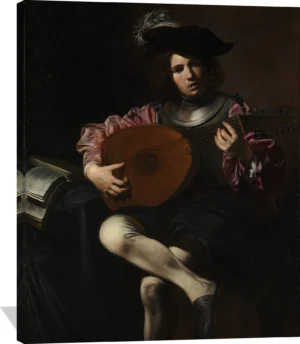
32,00 $Select options This product has multiple variants. The options may be chosen on the product pageLute Player
Valentin de BoulogneCanvas from
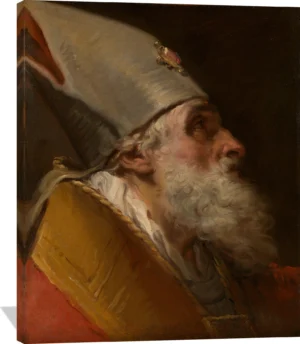
32,00 $Select options This product has multiple variants. The options may be chosen on the product pageHead of a Bishop
Gaetano GandolfiCanvas from
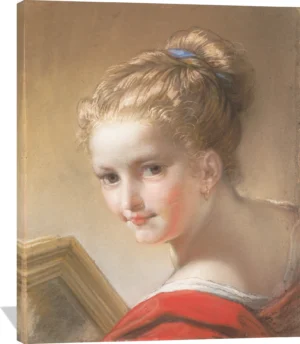
32,00 $Select options This product has multiple variants. The options may be chosen on the product pageStudy of a Girl in Red
Benedetto LutiCanvas from
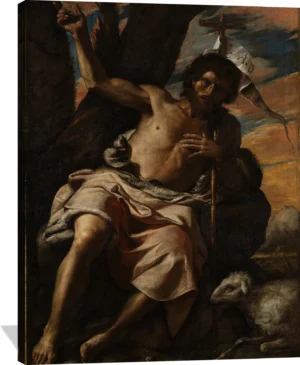
32,00 $Select options This product has multiple variants. The options may be chosen on the product pageSaint John the Baptist Preaching
Mattia Preti (Il Cavalier Calabrese)Canvas from
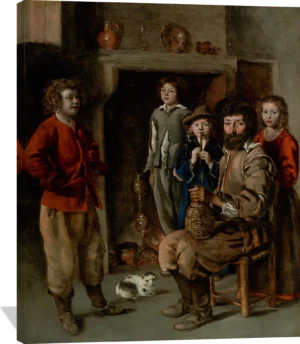
33,00 $Select options This product has multiple variants. The options may be chosen on the product pageA Peasant Family
Antoine Le NainCanvas from
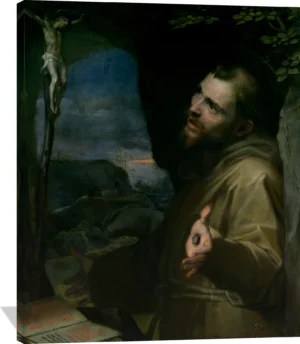
32,00 $Select options This product has multiple variants. The options may be chosen on the product pageSaint Francis
Federico BarocciCanvas from
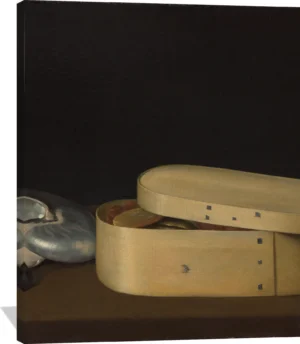
32,00 $Select options This product has multiple variants. The options may be chosen on the product pageStill Life with Shells and a Chip-Wood Box
Sebastian StoskopffCanvas from
32,00 $Select options This product has multiple variants. The options may be chosen on the product pageThe Denial of Saint Peter
Ludovico CarracciCanvas from
50,00 $Select options This product has multiple variants. The options may be chosen on the product page