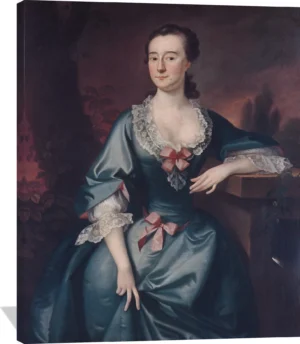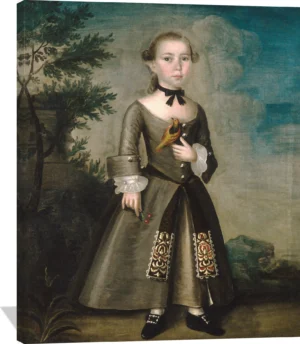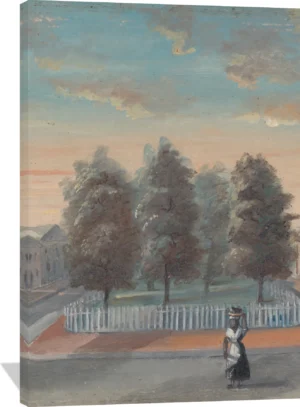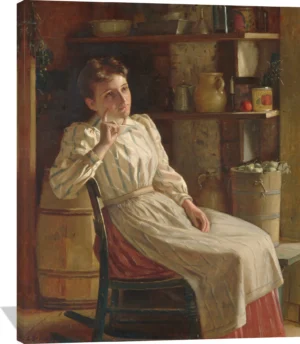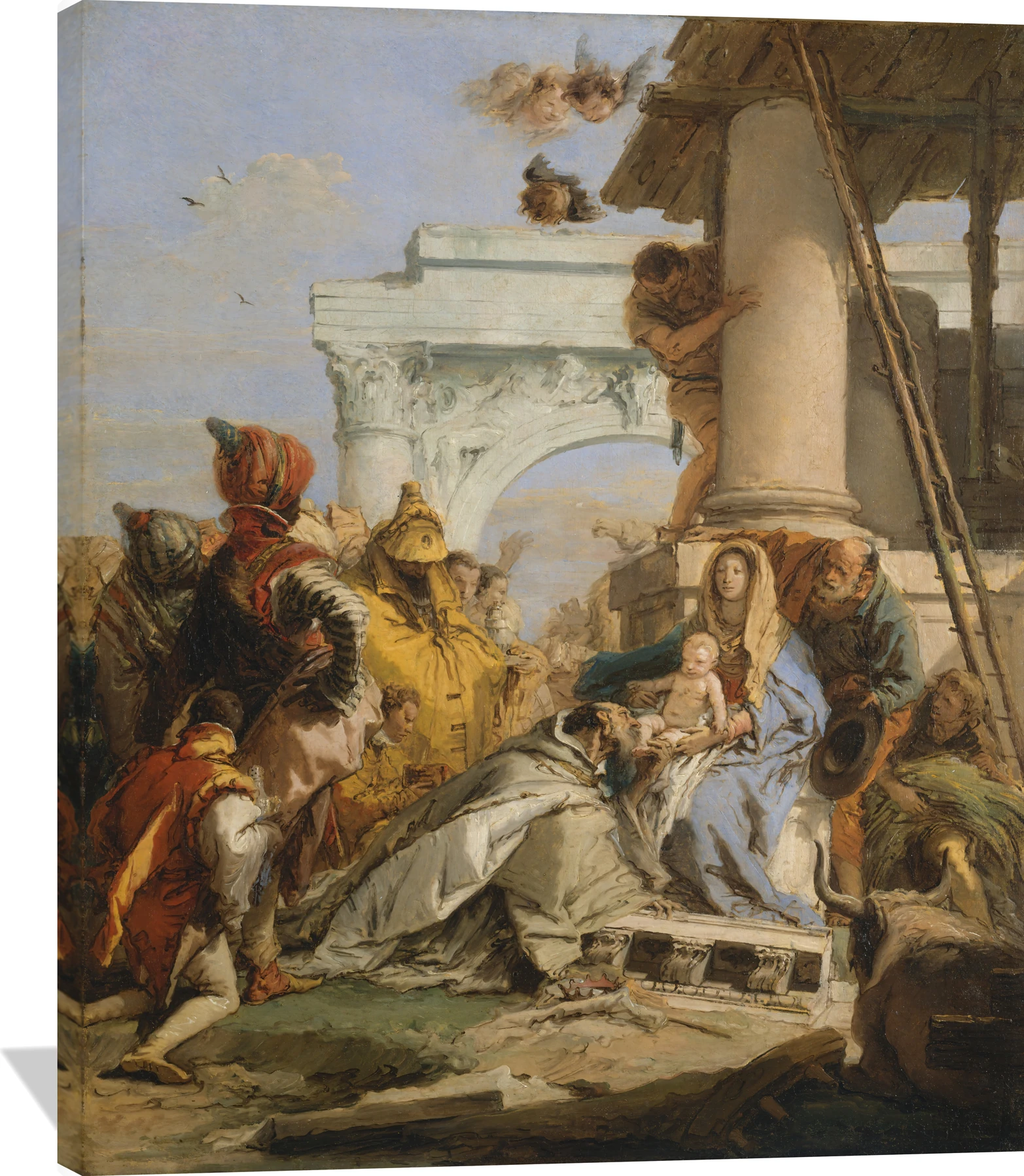
The Giovanni Battista Tiepolo The Adoration of the Magi canvas captures a luminous moment of devotion and grandeur. Tiepolo’s masterful brushwork bathes the scene in warm golds, soft blues, and earthy ochres, creating a radiant interplay of light and reverence. The composition’s vertical orientation draws the eye upward, evoking awe and serenity in equal measure.
This premium canvas print brings timeless Venetian elegance to your home. Perfect for a living room, study, or entryway, this The Adoration of the Magi wall art infuses any space with classical beauty and a sense of divine wonder, celebrating the artistry of one of Italy’s most celebrated painters.
Giovanni Battista Tiepolo (1696–1770) was a Venetian master whose luminous imagination and technical brilliance helped define the final flowering of the Italian Baroque. Celebrated for his grand frescoes and vibrant canvases, he became one of the most sought-after painters of his era, ultimately serving royal and aristocratic patrons across Europe, including in Madrid, where he spent his final years.
Artistic Style
Tiepolo’s work is distinguished by radiant color, fluid brushwork, and striking compositional clarity. His use of airy, theatrical spaces and skillful manipulation of light elevated traditional Baroque aesthetics into something uniquely expansive and dynamic. Tiepolo’s paintings often convey a sense of effortless grandeur, marked by sweeping diagonals, graceful figures, and a characteristic luminosity that set him apart from his contemporaries.
Subjects and Themes
Renowned for his fresco cycles, Tiepolo frequently portrayed mythological scenes, allegories, and religious narratives with imaginative flair. His figures appear weightless, floating in vast celestial realms that dissolve architectural boundaries. Whether depicting epic sagas or sacred histories, he infused each composition with clarity, motion, and emotional immediacy.
Legacy and Significance
Tiepolo stands as one of the last great exponents of the Venetian tradition, bridging the splendor of the Baroque with the emerging elegance of the Rococo. His ability to orchestrate large-scale decorative programs with visual coherence and dazzling color made him a defining artistic force of the eighteenth century. Revered for his inventive spirit and exceptional technical command, he remains celebrated today as a painter of majestic vision and enduring cultural influence.