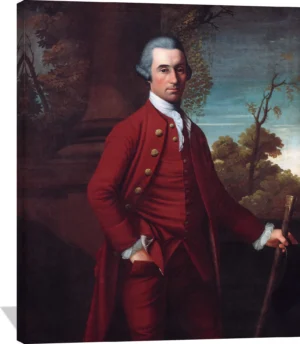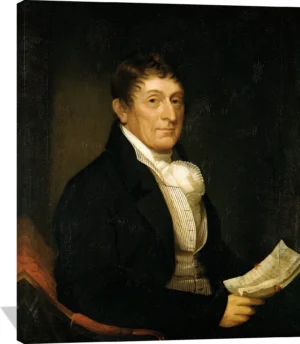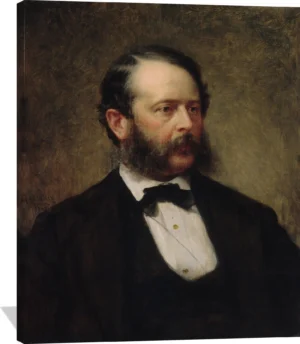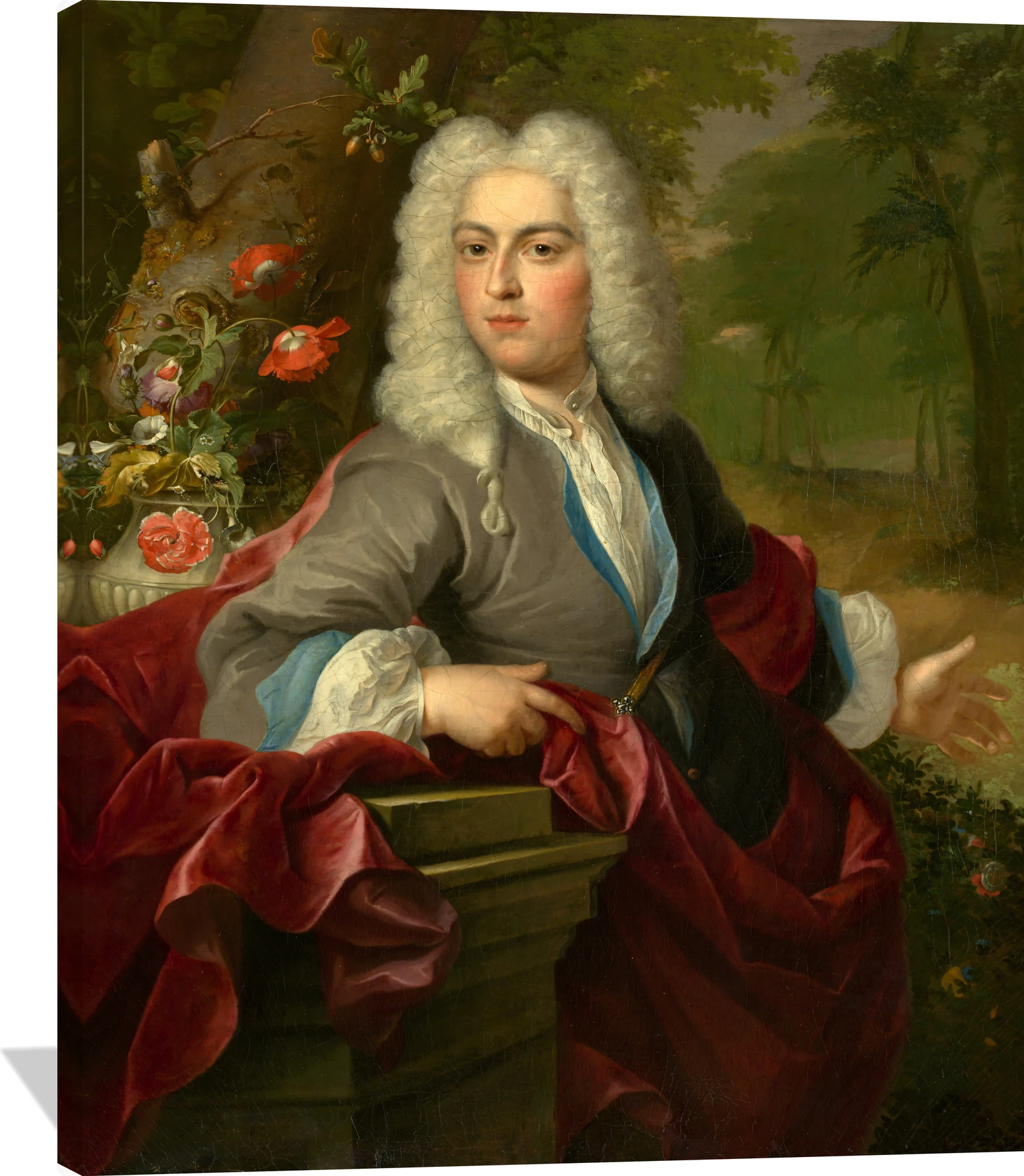
The Arnold Boonen Portrait of a Man canvas captures refined elegance and timeless poise. Set against a lush woodland backdrop, the sitter’s composed expression and flowing curls are framed by rich tones of crimson, slate gray, ivory, and soft green. Boonen’s masterful brushwork and delicate lighting evoke the grandeur of Dutch portraiture at its height.
This exquisite wall art brings a sense of sophistication to any interior—perfect for a living room, study, or entryway. A canvas print of Portrait of a Man invites classic artistry and serene confidence into your space, celebrating the enduring beauty of 18th-century craftsmanship.
Arnold Boonen (Dutch, Dordrecht 1669–1729 Amsterdam) was a distinguished painter of the late Dutch Golden Age, celebrated for his refined portraiture and polished technique. Active during a period when Dutch art shifted toward elegant, cosmopolitan tastes, Boonen became known for his ability to capture both likeness and character with remarkable subtlety.
Artistic Style
Boonen’s work is defined by smooth, controlled brushwork and a luminous handling of light that recalls the influence of earlier Dutch masters. His portraits display a harmonious balance between realism and idealization, often featuring soft chiaroscuro and meticulously rendered textures. This refined aesthetic, combined with his disciplined technique, positioned him as a sought-after portraitist among the Dutch elite.
Typical Subjects
Best known for his portraits, Boonen depicted prominent merchants, scholars, and members of Amsterdam’s intellectual and social circles. He excelled at portraying sitters with a poised formality while allowing individualized expression to emerge through subtle gestures and attentive detailing. His body of work also includes genre scenes and a smaller number of historical subjects, though portraiture remained his central focus and greatest strength.
Legacy and Significance
Boonen contributed to the continuation of Dutch portrait traditions at a moment when the Golden Age had waned but its artistic values remained influential. His paintings embody the sophistication and restraint that defined early eighteenth‑century Dutch art. Admired in his lifetime and commissioned by influential patrons, he helped shape the era’s visual culture through portraits that conveyed social presence with quiet authority.
Today, Boonen is recognized for his masterful control of light and his ability to create portraits that feel both intimate and dignified. His works stand as enduring examples of the elegance and craftsmanship characteristic of Dutch painting in the decades following its most celebrated artistic peak.