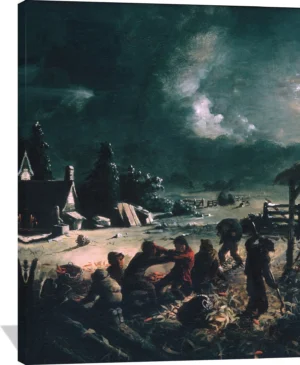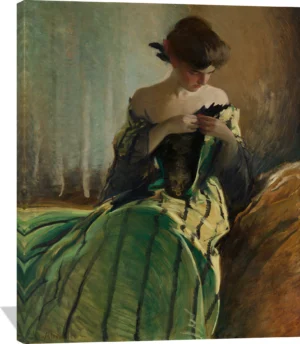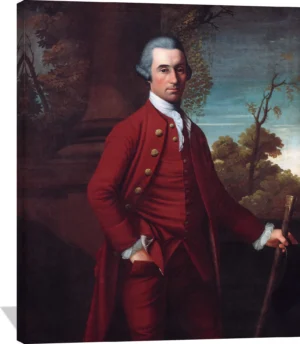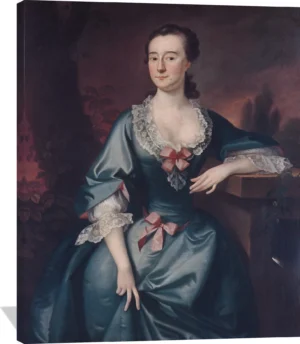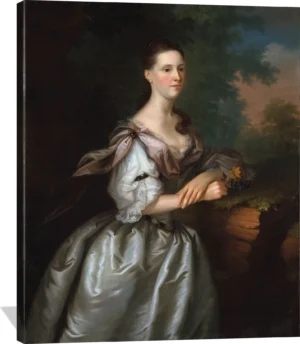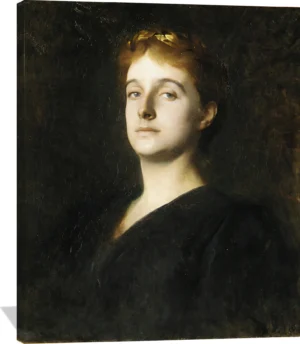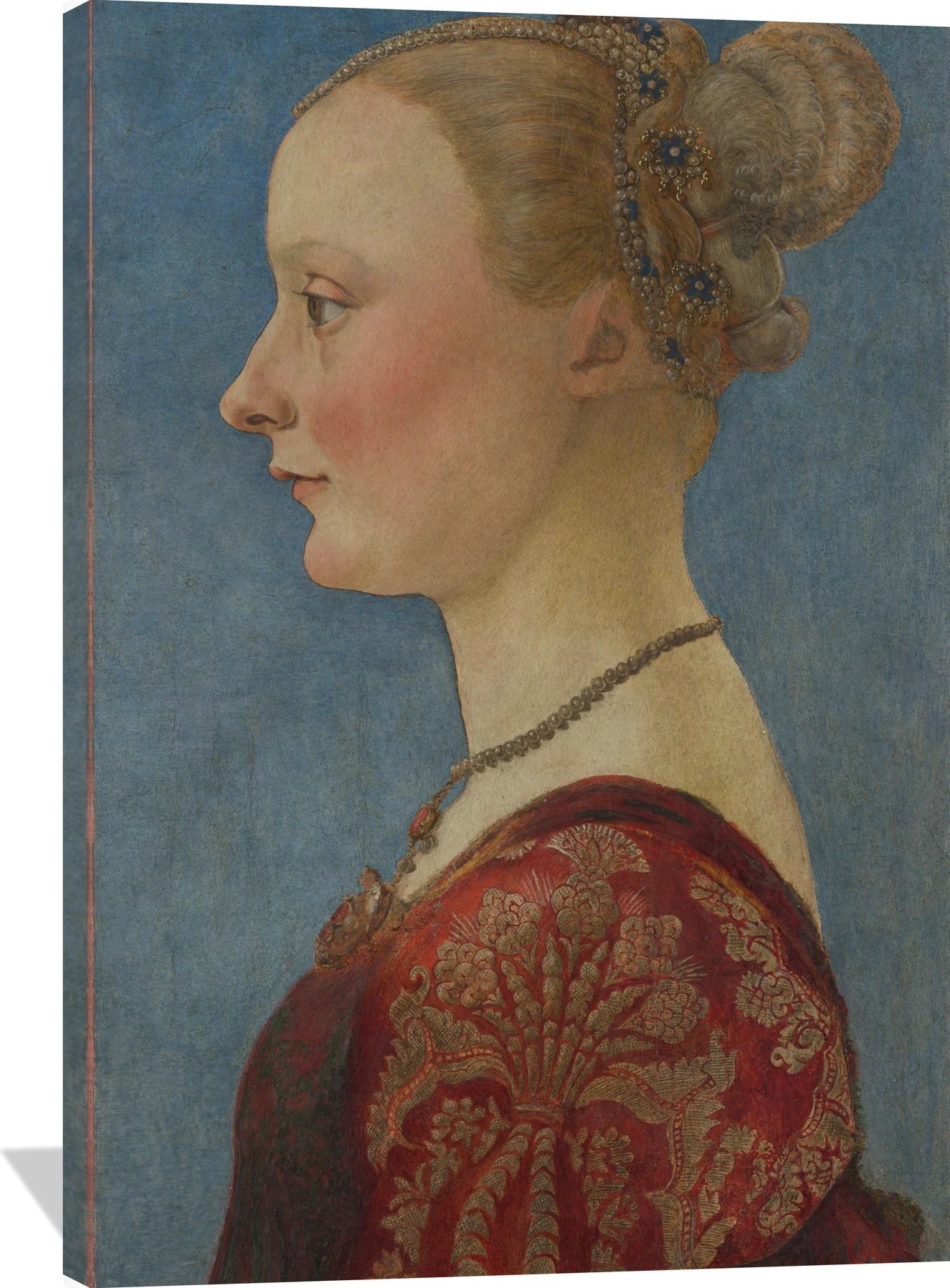
The Piero del Pollaiuolo Portrait of a Woman canvas captures the serene grace and refined beauty of the Italian Renaissance. Rendered in warm golds, deep carmine reds, and soft ivory tones against a tranquil blue background, this exquisite profile radiates quiet dignity and timeless elegance. Every detail—from the intricate embroidery to the delicate pearls—reflects Pollaiuolo’s mastery of texture and light.
This premium Portrait of a Woman wall art brings classical sophistication to any space. Ideal for a living room, study, or entryway, this canvas print adds a touch of Florentine artistry and enduring poise to your home décor.
Piero del Pollaiuolo (Piero di Jacopo Benci) was an Italian Renaissance painter active in Florence and later Rome between 1441/42 and 1485/96. Known for his refined technique and elegant draftsmanship, he worked closely with his brother, Antonio del Pollaiuolo, contributing to the flourishing artistic culture of fifteenth‑century Florence.
Artistic Style
Piero’s style reflects the Florentine devotion to clarity, balance, and anatomical precision. His figures demonstrate keen observation and a sculptural presence, shaped by the period’s growing interest in humanism and naturalism. He often employed luminous color and carefully structured compositions that emphasized harmony and elegance.
Notable Contributions
Piero played a significant role in advancing Renaissance portraiture. His portraits are admired for their serene poise, psychological subtlety, and meticulous surface detail. These works captured the rising merchant and aristocratic classes of Florence with a level of refinement that helped define the era’s visual language. His collaborations with Antonio on altarpieces and decorative projects contributed to some of the most innovative artistic developments of the mid‑Quattrocento, particularly in the study of movement and anatomy.
Subjects and Themes
Piero specialized in portraits and devotional imagery, creating works that combined spiritual dignity with the humanistic ideals of the Renaissance. His subjects often appear in profile or calm three-quarter view, characterized by precise linework and a controlled yet expressive presence. Religious compositions attributed to him or his workshop display clarity of narrative and a subtle emotional depth.
Cultural Significance
As part of a renowned artistic family, Piero contributed to shaping the visual identity of early Renaissance Florence. His work reflects the city’s pursuit of technical excellence and intellectual rigor. Though Antonio is often credited as the more experimental of the brothers, Piero’s paintings possess a distinctive refinement and poise that remain influential. His legacy endures in the development of Renaissance portraiture and in the broader evolution of Florentine artistic ideals, making him a significant figure in the transition toward a more naturalistic and human-centered approach to art.