
Yes — every one of our ten themes works from a cat photo. The portraits below were made from ordinary photographs of three very different cats, with nothing changed but the photo we started from.
Real cats, real photos
Each pair below is the original photo on the left and the finished portrait on the right. Look at the eyes.
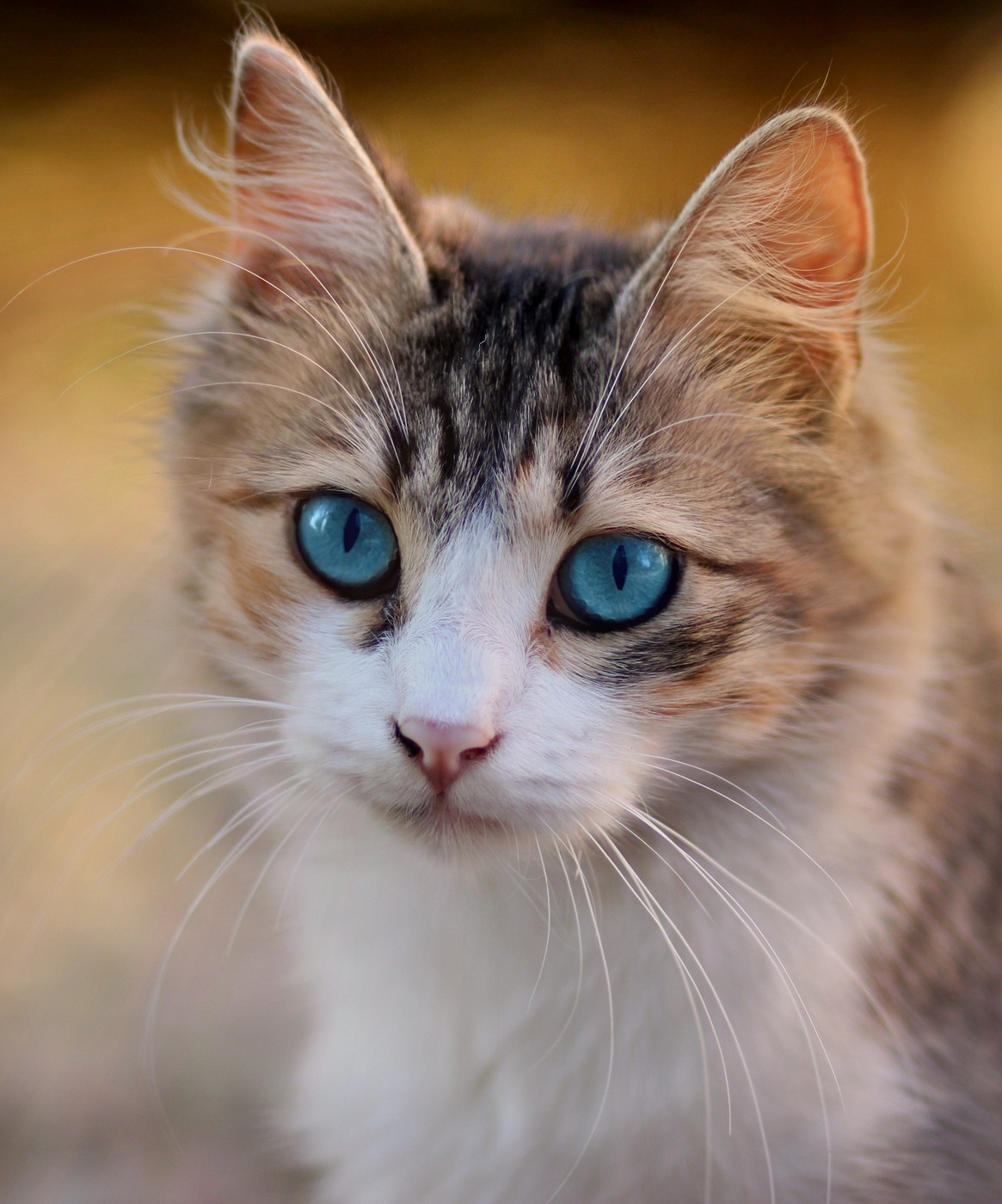
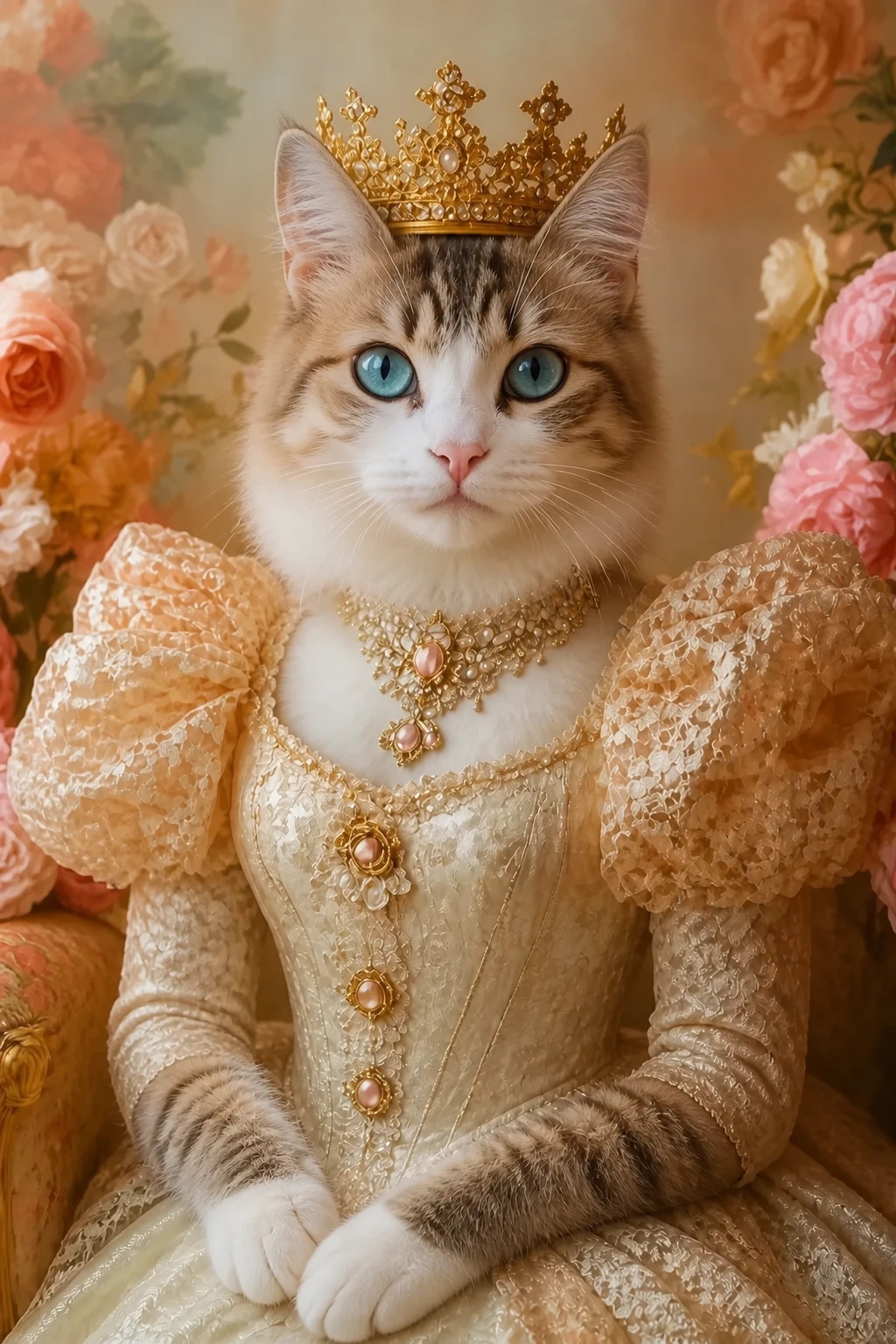
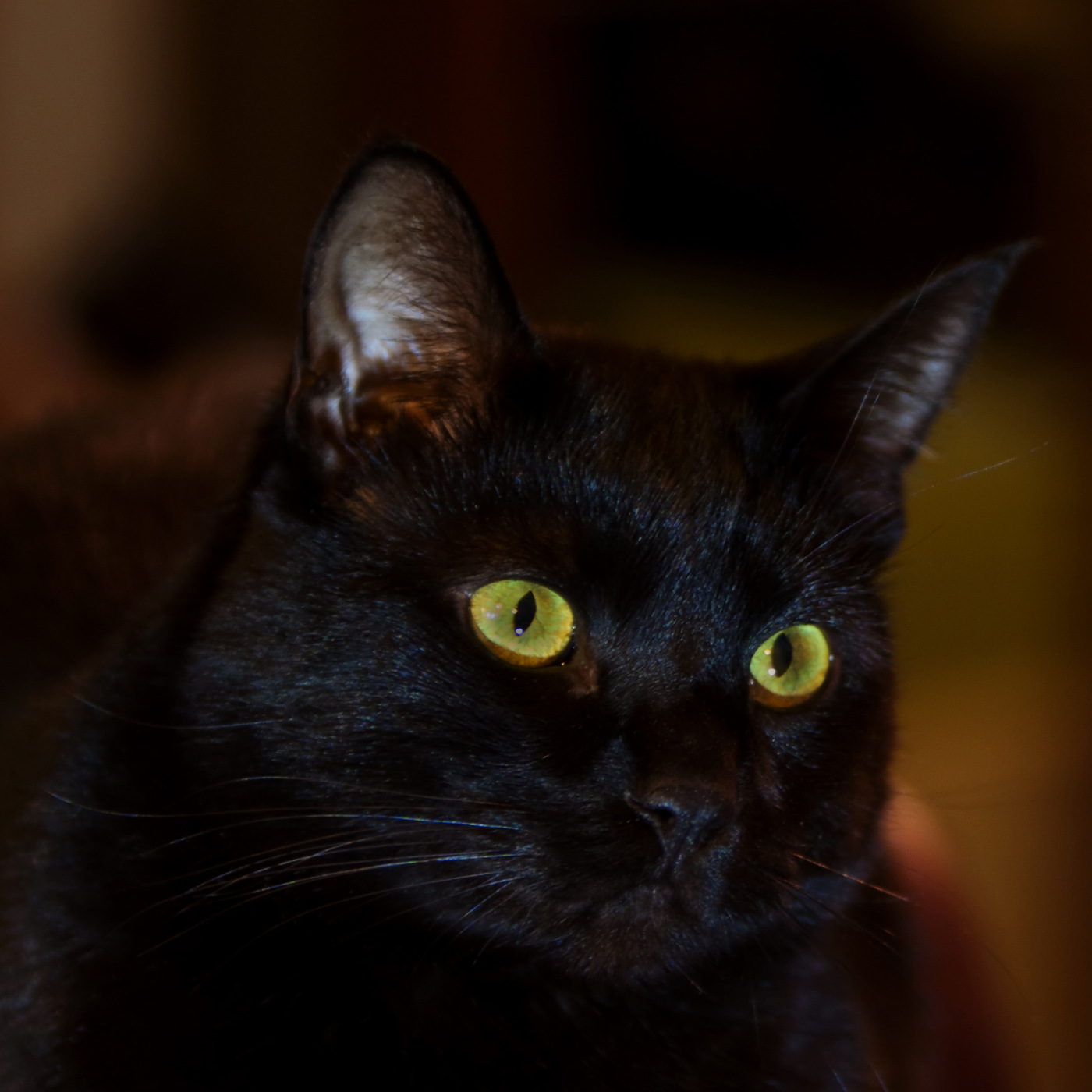
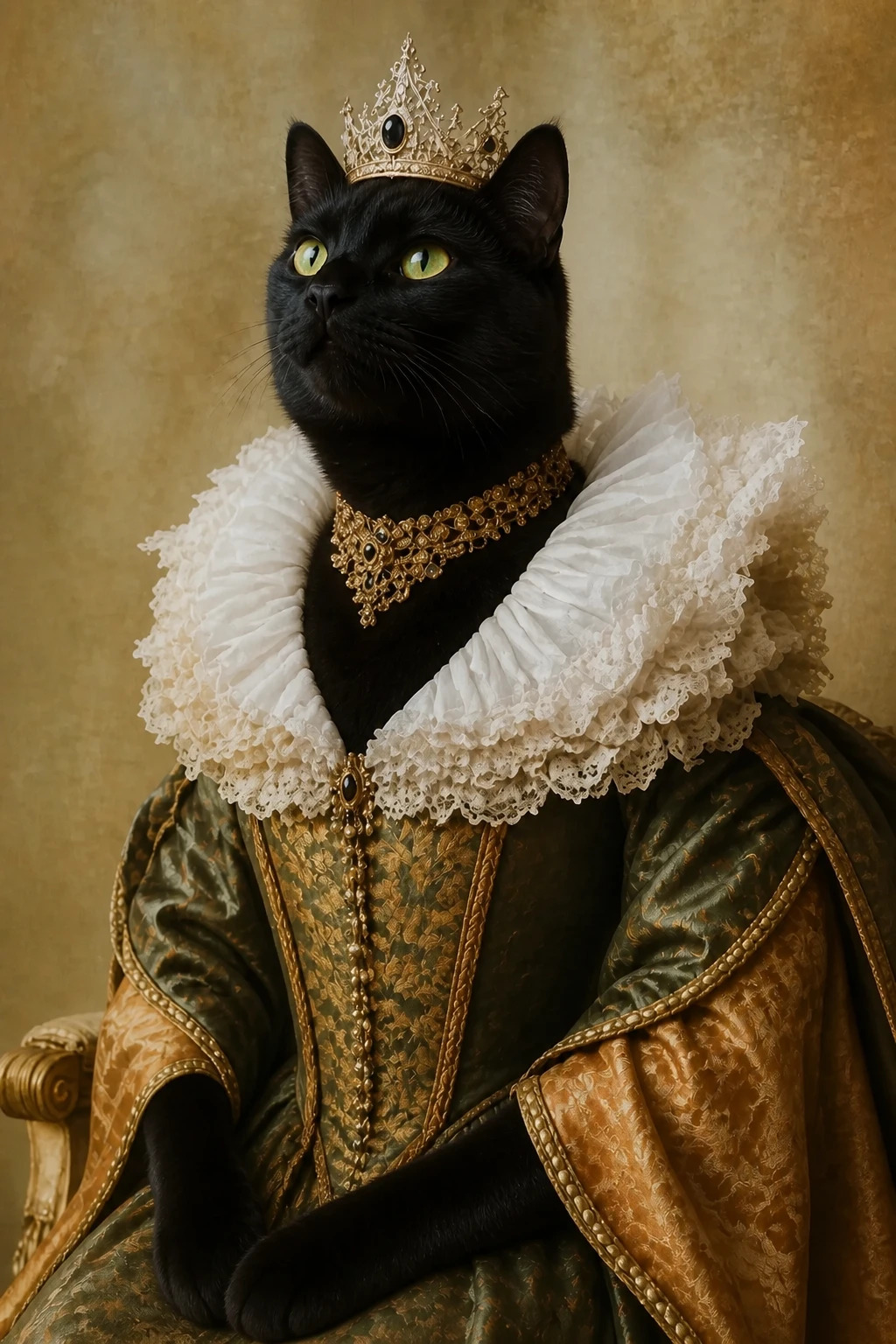
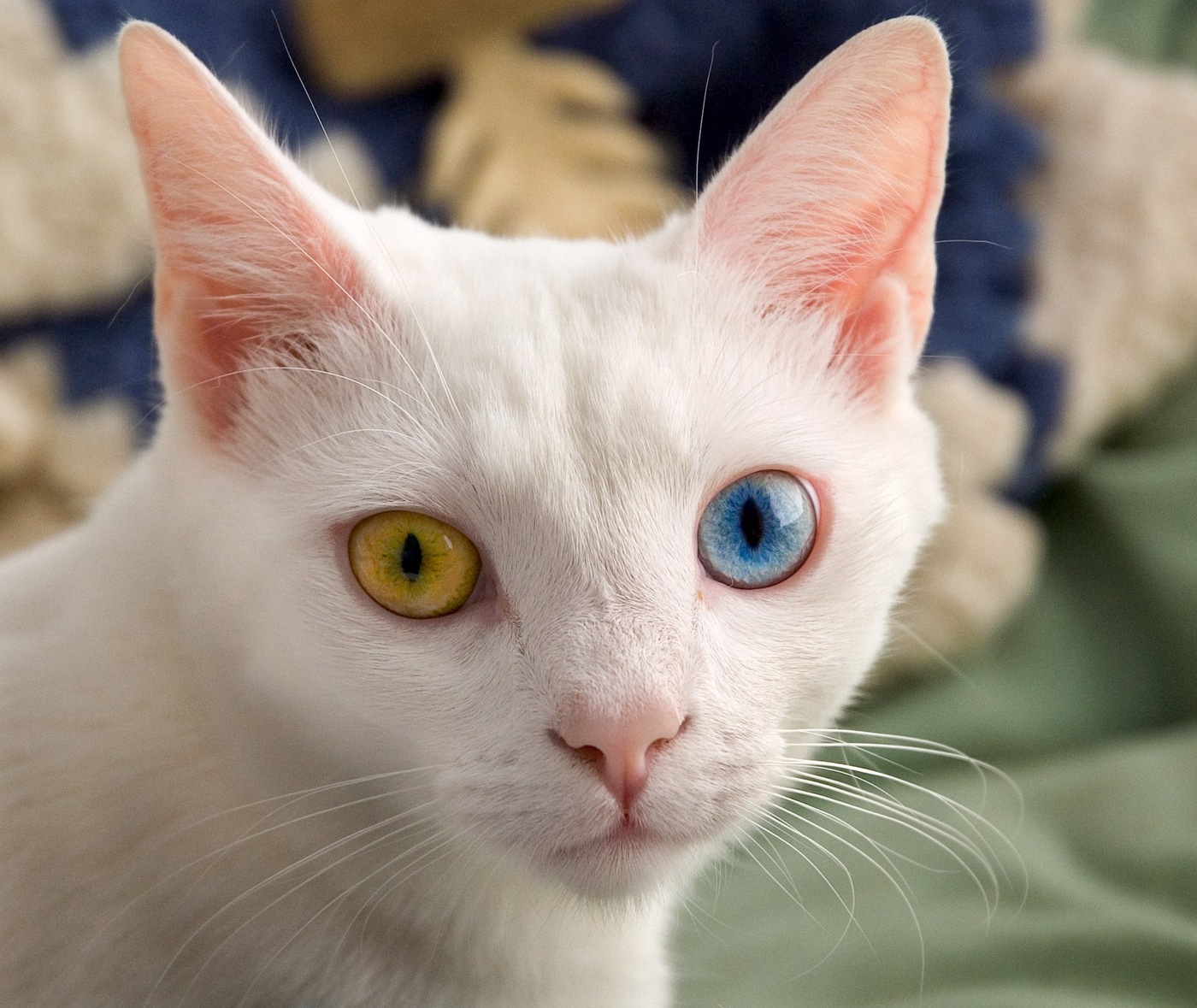
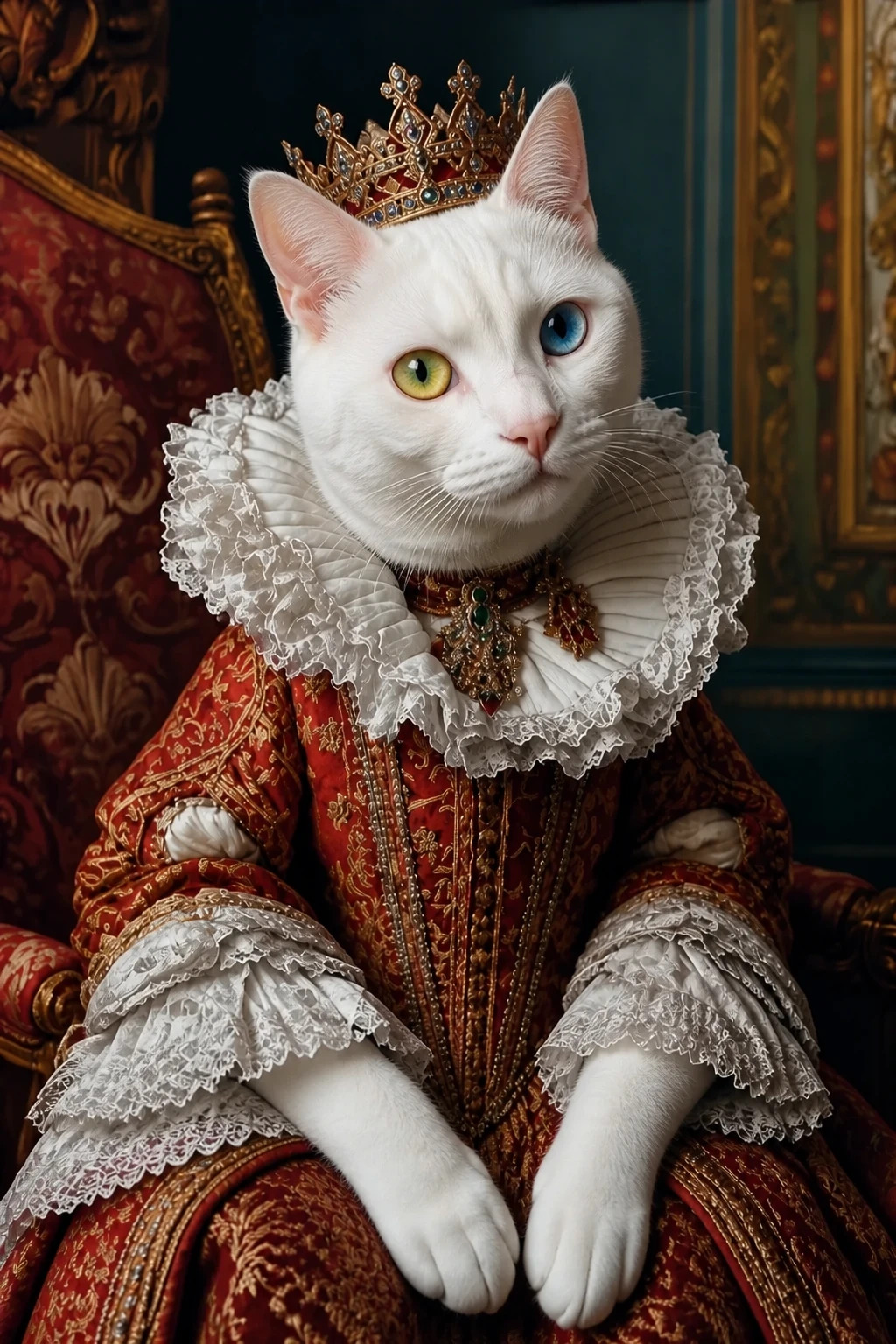
Photographing a cat is harder than photographing a dog
Dogs will sit and look at you. Cats will not, and most cat photos are taken indoors in poor light, from above, of a cat who has just decided to leave. A few things make a real difference:
- Get down to their level. A photo taken from standing height looks down on the top of their head. Crouch so the camera is level with their eyes.
- Use a window. Daylight from the side gives their fur texture and puts a catchlight in the eyes. Overhead ceiling light flattens everything.
- Wait for the settled moment. A cat loafing on a windowsill will hold still far longer than one you are trying to pose.
- Eyes open, looking towards you. More than anything else, this is what makes a portrait look like them.
If your cat is black, avoid backlighting — a bright window behind them turns the face into a shape. Put the light in front and slightly to one side, and expose for the face even if the background blows out.
Which themes suit cats
All ten work, but some land differently on a cat than on a dog:
- The Masterpiece — royal and renaissance. The most popular for cats by a distance; cats already carry themselves like this — and they had to wait a long time for it, since cats arrived in European painting late, and badly.
- Do Not Disturb — cosy and half-asleep. If your cat’s defining trait is sleeping fourteen hours a day, this is the honest one.
- Domestic Diva — for a cat with strong opinions about the household.
- The Usual Suspect — a mugshot, for cats with a documented history.
- Head of the Kitchen — for the one who supervises every meal.
Or see all ten themes.
What it costs
A custom cat portrait starts at $59 for a ready-to-hang stretched canvas and $89 framed, in thirteen sizes, with free tracked shipping. You see your portrait before you pay anything — upload a photo, pick a theme, and only order if it looks like them.
Common questions
Will it work if I only have one decent photo?
Usually, yes — one clear photo is all we need. If you are unsure whether the one you have is good enough, try it: the preview is free and costs you nothing if it does not work out.
Can I get both my cats in one portrait?
Each portrait is made from one cat. If you have two, upload a photo of each and you get two portraits — many people hang them as a pair in the same theme.
My cat is black. Honestly, will it look like anything?
Yes, provided the photo has some light on the face. The example above started from an ordinary indoor photo. What does not work is a silhouette against a bright window — if that is all you have, take one more near a window with the light in front of them.
What if it arrives damaged?
Damaged, defective or misprinted? Send us a photo and we’ll ship a free replacement or give you a full refund — you don’t need to send it back. Custom pet portraits can’t be returned for change of mind: each portrait is printed for one specific order, which is exactly why the preview comes first and costs nothing. Full details are in our return policy.
Source photographs used for the examples above: tabby by Bruno Cervera (CC0); black cat by Frank C. Müller (CC BY-SA 3.0); odd-eyed white cat by Keith Kissel (CC BY 2.0), via Wikimedia Commons.