Artistic Approach
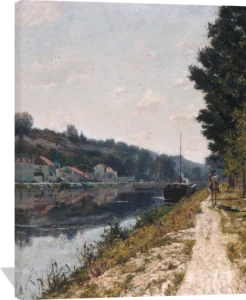
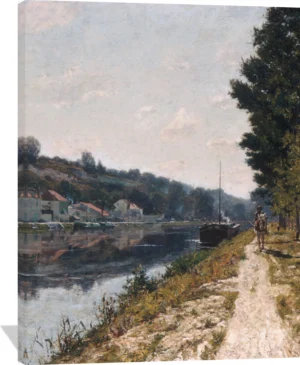
Picknell’s style reflects the influence of the Barbizon painters and the broader movement toward plein‑air practice. His paintings are known for their clarity of light, subtle color harmonies, and confident brushwork. He often rendered skies, shorelines, and rural vistas with a quiet radiance that gives even modest subjects a sense of depth and immediacy.
Notable Subjects
He painted widely across Europe and the United States, favoring the rugged coasts of Brittany, the countryside around Grez‑sur‑Loing, and the pastoral landscapes of New England. Works such as The Road to Concarneau and Morning on the Loing exemplify his ability to capture both atmosphere and terrain with exceptional finesse. His scenes are distinguished by balanced compositions and an understated yet compelling emotional tone.
Legacy
Although his life was brief, Picknell’s contribution to American landscape painting is significant. His commitment to working directly from nature, combined with his refined tonal sensibility, helped bridge European influence with emerging American tastes. Today he is remembered for the *strong, unpretentious naturalism* that defines his best work and for the way his paintings continue to evoke the serenity and grandeur of the environments he so carefully observed.