Artistic Style and Technique
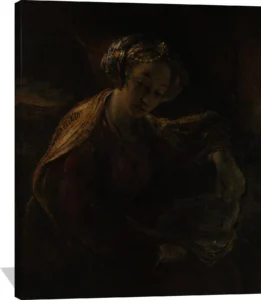
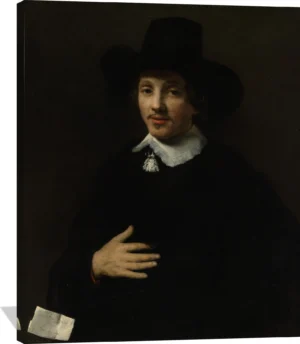
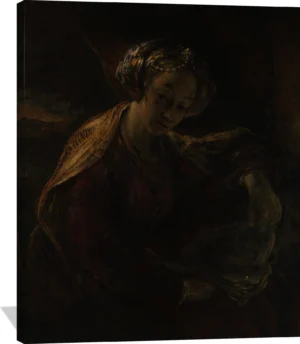
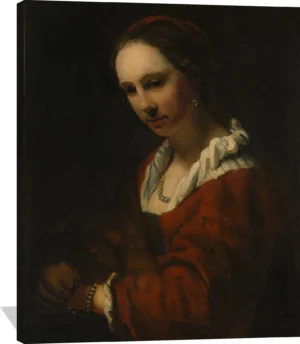
Drost’s painting style is rooted in the dramatic chiaroscuro he absorbed while studying under Rembrandt. His figures often emerge from shadow with a soft, luminous glow, creating an intimate atmosphere that highlights subtle emotional depth. He balanced this expressive lighting with delicately rendered textures and a calm, contemplative mood, characteristics that became hallmarks of his artistry.
Subjects and Themes
Drost favored portraits, historical scenes, and biblical subjects, approaching each with a sense of introspection and quiet drama. His sitters possess a compelling stillness, while his narrative works explore spiritual or moral tension through restrained gestures and rich tonal harmonies. This combination of narrative clarity and emotional resonance gives his paintings a timeless appeal.
Cultural and Historical Significance
Although Drost died at a young age in Venice, his work reflects the dynamic artistic exchange between Northern and Southern Europe during the seventeenth century. His adoption of Venetian coloristic sensitivity, blended with Dutch mastery of light, contributed to a uniquely cosmopolitan voice. Today, he is recognized as one of the most intriguing younger artists associated with Rembrandt’s circle, valued for his refined technique and his ability to convey profound human presence.
Willem Drost’s paintings remain admired for their subtle emotional intensity and their masterful use of light, qualities that continue to captivate collectors and art enthusiasts alike.