Artistic Style
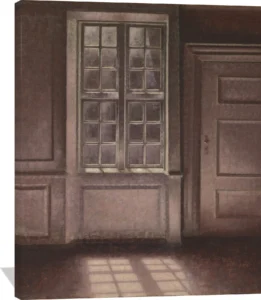
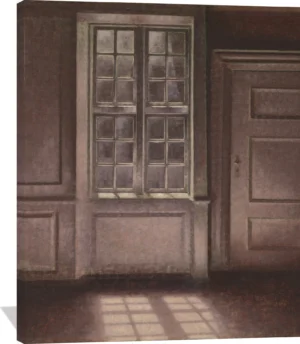
Hammershøi’s style is defined by subtle tonal variations, soft grays, and an almost architectural restraint. He rejected dramatic color and narrative detail, instead creating interiors and cityscapes that radiate contemplative calm. This disciplined minimalism positions him as a precursor to modern Scandinavian design and a key figure in Northern European symbolism.
Subjects and Themes
His most iconic paintings depict the quiet rooms of his Copenhagen home, often furnished with simple objects and illuminated by gentle, indirect light. Figures, when present, usually appear with their backs turned or partially obscured, deepening the sense of introspection. Hammershøi also produced atmospheric landscapes and urban scenes, capturing the essence of places such as London and Copenhagen with the same meditative subtlety.
Cultural Significance
Hammershøi’s restrained approach and emotionally resonant spaces have earned him a lasting place in art history. His ability to transform ordinary interiors into profoundly atmospheric environments continues to influence contemporary artists and designers. Often compared to Vermeer for his mastery of light, he carved out a distinct visual language that bridges realism, symbolism, and early modernism.
Legacy
Today, Hammershøi is admired for the timeless serenity of works such as Interior with Young Woman Seen from the Back and Sunshine in the Drawing Room. His paintings offer a quiet, immersive experience that highlights the beauty of simplicity and the emotional power of space, ensuring his enduring relevance in global art culture.