Artistic Style and Subjects
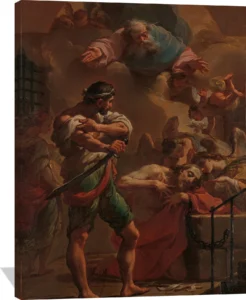
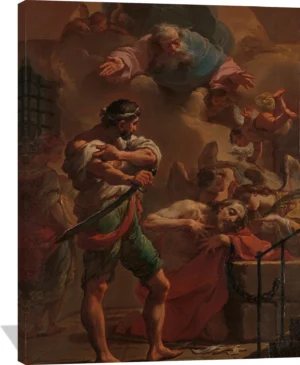
Gandolfi’s paintings are distinguished by their luminous color, elegant compositions, and a compelling blend of dramatic movement with poised, classical restraint. His figures often possess a sculptural presence, revealing his deep study of anatomy and his reverence for the traditions of the Bolognese School. Religious subjects dominated his output, including altarpieces, devotional scenes, and interpretations of saints and biblical stories, though he also produced mythological works and sensitive portraiture.
Notable Contributions
As a central figure of eighteenth‑century Bolognese painting, Gandolfi revitalized the regional artistic language by uniting the expressive vigor of earlier masters with the emerging ideals of measured harmony. His drawings, in particular, remain highly prized for their technical precision and emotional immediacy, often serving as models for students and contemporaries. His ability to balance painterly flourish with structural clarity made him a defining force in shaping the visual culture of his time.
Cultural Significance
Gandolfi’s legacy endures through his role in sustaining and modernizing one of Italy’s most important artistic traditions. His works stand as a testament to the evolution of European painting on the cusp of modernity, offering a refined synthesis of movement, beauty, and intellectual discipline. Today, he is remembered as a master of expressive figuration and a key contributor to the artistic vibrancy of eighteenth‑century Italy.