Artistic Style
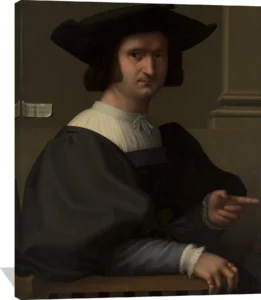
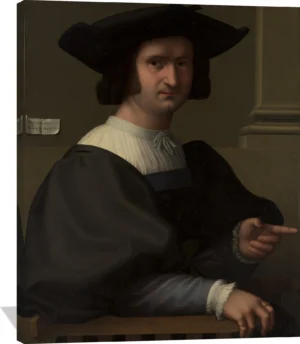
Fiorentino’s work reflects the elegant craftsmanship associated with Florentine Renaissance painting. His style is marked by balanced compositions, controlled linearity, and a subtle use of color that emphasizes harmony and clarity. He often incorporated ornamental detailing, a testament to the sophisticated design sensibilities permeating Florence at the time.
Subjects and Themes
His subjects typically included religious narratives and devotional imagery, rendered with a gentle emotional tenor and attention to architectural setting. Fiorentino’s scenes frequently display a measured interplay between figures and space, suggesting the influence of leading Florentine masters while maintaining his own restrained and thoughtful character.
Legacy and Significance
Though not among the most widely known artists of his era, Tommaso Fiorentino contributed to the visual fabric of sixteenth‑century Florence through works that exemplify the city’s dedication to artistic refinement. His paintings embody the transition from Renaissance clarity to the more stylized sophistication of emerging Mannerism, offering modern viewers a glimpse into a pivotal moment in Italian art. His legacy endures in the way his work brings together grace, structural precision, and the quiet innovation characteristic of the Florentine tradition.