Artistic Style
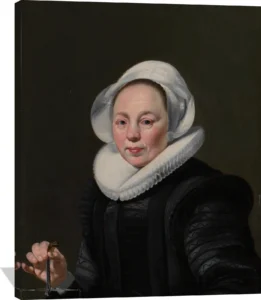
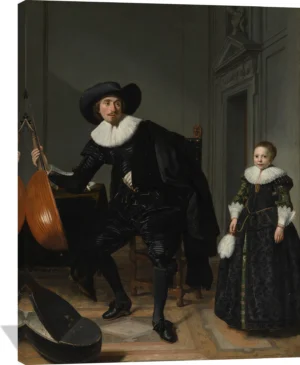
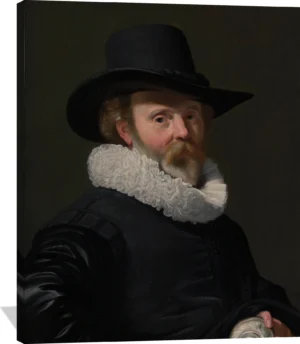
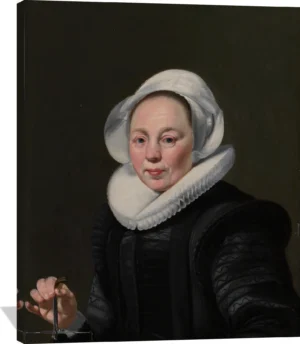
De Keyser’s work is marked by clarity, balance, and a meticulous handling of detail. His portraits often feature poised figures set against understated architectural or domestic settings, emphasizing both social stature and personal presence. The interplay of controlled lighting and richly textured surfaces gives his paintings a quiet sophistication that defines his mature style.
Subjects and Themes
Specializing primarily in portraiture, de Keyser portrayed Amsterdam’s civic officials, merchants, scholars, and affluent families. His sitters are rendered with dignity and subtle psychological depth, conveying the confidence of a prosperous urban society. Though best known for individual and group portraits, he also produced occasional historical and biblical scenes, always with the same attention to measured composition.
Legacy and Significance
Highly esteemed in his lifetime, de Keyser set a visual standard for early seventeenth‑century portraiture. His ability to merge realism with an understated sense of ceremony influenced contemporaries and shaped the development of Amsterdam’s artistic identity. Today, his paintings are valued for their clarity of form, refined technique, and their vivid insight into the world of the Dutch Republic. His work remains a testament to the elegance and cultural vitality of the period he so masterfully recorded.