Artistic Style and Approach
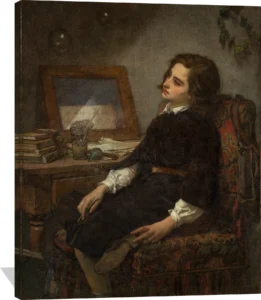
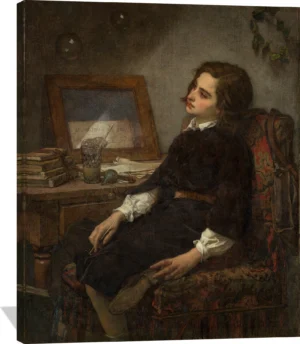
Couture’s work is distinguished by its refined draftsmanship, rich chiaroscuro, and a dramatic interplay of composition and gesture. Drawing on classical models while resisting rigid academic conventions, he developed a balanced style that felt both timeless and contemporary. His paintings are marked by a sculptural treatment of the human form and a keen sensitivity to emotional nuance, qualities that helped define him as a leading figure of French historical painting.
Subjects and Themes
Best known for large‑scale historical scenes such as Romans of the Decadence, Couture explored humanity’s moral and social complexities through allegory and classical storytelling. He frequently depicted pivotal moments from antiquity and modern life alike, using history as a lens for examining ambition, excess, virtue, and downfall. Portraiture also played an important role in his practice, where his sharp observational skills allowed him to reveal both the character and stature of his sitters.
Legacy and Significance
Couture served as a highly influential teacher whose atelier shaped a generation of artists, including notable figures who later pushed beyond academic boundaries. His commitment to expressive clarity and technical mastery made him a touchstone for painters navigating the transition between academic classicism and emerging modern movements. Today, his work is admired for its combination of visual drama and intellectual depth, as well as for his role in elevating historical painting into a medium of profound cultural commentary.
Thomas Couture’s distinctive blend of classical rigor and narrative invention ensures his enduring status as a defining force in nineteenth‑century French art, offering a powerful window into the aspirations and anxieties of his time.