Artistic Style
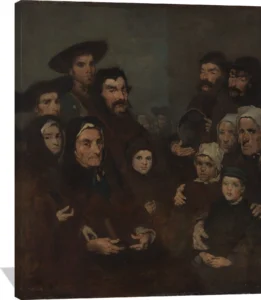
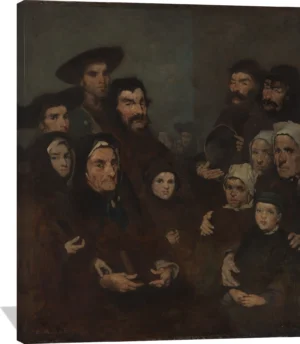
Ribot’s work is defined by deep shadows, luminous highlights, and a strong emphasis on material textures. His paintings often evoke the austerity and emotional intensity associated with the tenebrist style, yet they remain grounded in a modern sensitivity to ordinary subjects. His use of light focused, warm, and sculptural brings quiet scenes into sharp emotional relief, establishing him as a key figure in the revival of chiaroscuro in nineteenth‑century France.
Subjects and Themes
The artist frequently depicted humble interiors, cooks, craftsmen, and solitary figures absorbed in daily labor. His kitchen scenes, still lifes, and genre paintings present unembellished authenticity, honoring the dignity of work and the humanity of common people. Ribot’s figures often appear illuminated against darkened rooms, creating a contemplative mood that highlights both individuality and universality.
Legacy and Significance
Although not associated with a single movement, Ribot held an important place in the evolution of French realism. His commitment to sincerity over grandiosity resonated with younger painters, and his expressive mastery of shadow influenced contemporaries seeking alternatives to academic conventions. Ribot’s paintings remain admired for their quiet power, technical depth, and the emotional immediacy that continues to captivate modern viewers.