Artistic Style and Approach
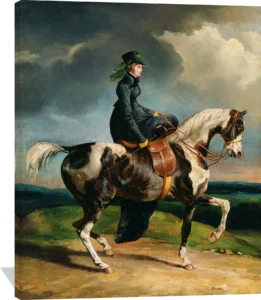
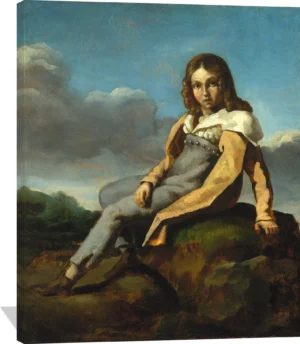
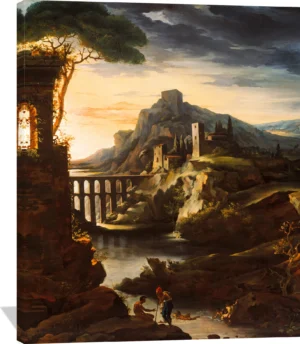
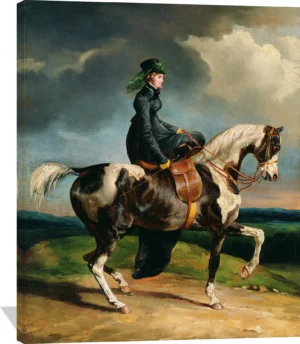
Géricault’s work is distinguished by dramatic contrasts, vigorous brushwork, and an acute sensitivity to human psychology. Rejecting the restraint of Neoclassicism, he embraced a more expressive visual language marked by movement, tension, and atmosphere. His ability to fuse realism with heightened emotion remains one of his most enduring contributions to modern art.
Subjects and Themes
Drawn to scenes of heroism, vulnerability, and social struggle, Géricault portrayed horses, soldiers, and everyday individuals with equal gravity. His fascination with the human condition led him to explore themes of suffering, resilience, and moral complexity. Works like The Raft of the Medusa exemplify his commitment to confronting contemporary events directly, rendering them with both documentary precision and poetic force.
Cultural and Historical Significance
As a leading figure of the Romantic movement, Géricault helped shift the focus of European painting toward personal emotion and contemporary reality. His legacy extends through generations of artists who admired his fearless subject matter and uncompromising vision. Although his career was tragically short, his art remains a cornerstone of nineteenth-century French painting and a touchstone for the expressive possibilities of the medium.
Collectors value Géricault for his emotive power and his masterful ability to capture the human spirit in moments of profound intensity.