Artistic Style
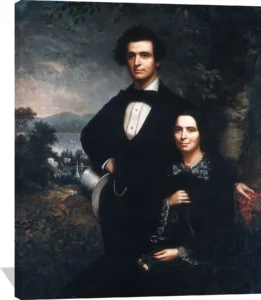
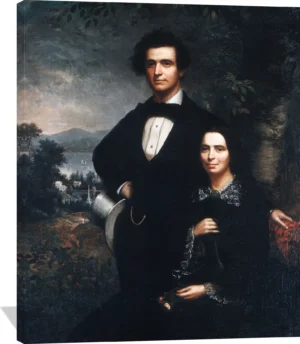
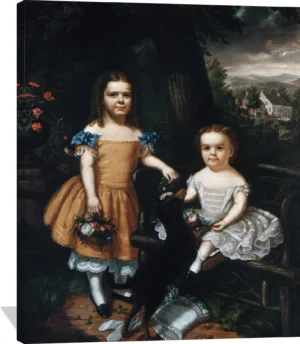
Pine’s paintings are characterized by measured compositions, gentle luminosity, and an emphasis on atmosphere over spectacle. His approach often echoed the broader aesthetic of mid‑century American landscape painting, balancing realism with a subtle romantic inflection. He favored a restrained, observational style that highlighted the harmony between light, land, and seasonal change.
Typical Subjects
Pine frequently depicted forests, riverbanks, pastoral terrain, and the quiet rural settings that defined much of everyday American life in his time. These scenes were rendered with careful attention to detail, yet they maintained a contemplative quality that invited prolonged viewing. His ability to capture stillness and natural clarity is one of the defining characteristics of his work.
Notable Contributions
Though not as widely known as some of his contemporaries, Pine contributed meaningfully to the visual record of nineteenth‑century America. His art provides insight into how artists outside major urban centers interpreted the changing landscape and emerging national aesthetic. The understated refinement of his paintings reflects a dedication to craft and a commitment to portraying the environment with honesty and grace.
Cultural Significance
Pine’s legacy rests in the quiet authenticity of his vision. His work aligns with a generation of artists who helped define the nation’s early artistic identity by turning their attention to the natural surroundings that shaped American life. Today, his paintings endure as evocative reminders of a landscape observed with patience, care, and a deep appreciation for the world as it was. His ability to distill the essence of place stands as his most enduring and distinctive contribution to American art.