Artistic Style and Approach
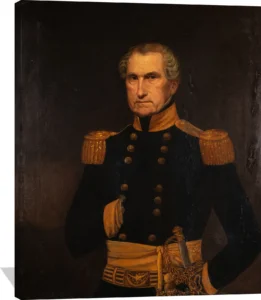
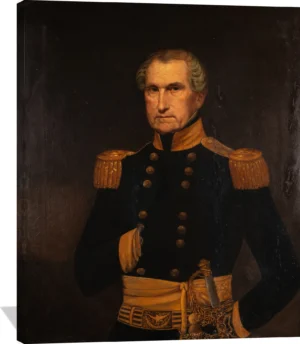
Shaw’s work is distinguished by a refined realism that emphasizes character, clarity, and expressive detail. His portraits often present sitters with a direct, engaging presence, revealing the individuality and optimism that characterized American society during westward expansion. Through subtle modeling and attentive rendering of facial features, he brought a sense of immediacy to his subjects that made his paintings both intimate and historically valuable.
Subjects and Contributions
While Shaw painted landscapes and genre scenes, portraiture remained his central focus. He traveled extensively during the mid‑century, creating likenesses of miners, merchants, and civic leaders who shaped the growing communities of California. His paintings are often regarded as important visual records of the region’s early statehood, preserving the identities of individuals who participated in one of the nation’s most dynamic periods of social change.
Cultural Significance
Shaw’s body of work offers insight into the cultural fabric of nineteenth‑century America. By documenting both prominent figures and everyday settlers, he contributed to a broader artistic effort to define a national character during an era of rapid expansion. His paintings remain valued for their historical resonance and their ability to convey the determination and spirit of the people who helped shape the American West.
Stephen William Shaw’s legacy endures through his finely crafted portraits, which stand as evocative visual testimonies to a pivotal chapter in American history.