Artistic Style
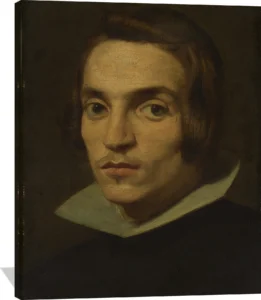
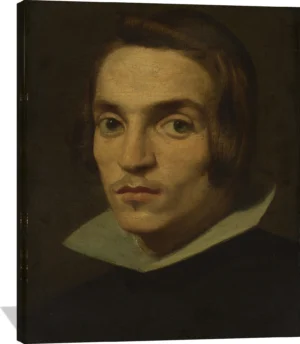
The painter’s style is grounded in a disciplined realism, where controlled light, rich earthy palettes, and a careful study of human presence create an atmosphere of quiet intensity. Influenced by the broader Iberian tendency toward visual austerity, the artist often favored clear compositions and a direct emotional resonance. Subtle chiaroscuro and textured surfaces contribute to the intimate, contemplative mood that became a hallmark of Castilian art.
Subjects and Themes
Typical subjects include devotional imagery, everyday figures, and composed still-life arrangements that highlight the beauty of humble objects. Paintings from this tradition often reveal a strong respect for craftsmanship, with drapery, wood, metal, and flesh meticulously rendered. Even simple scenes invite deeper reflection, transforming ordinary life into something quietly profound.
Notable Contributions
While the artist’s name remains unidentified, the body of work attributed to this Castilian tradition contributes significantly to understanding how Spanish painters bridged the Golden Age with later Baroque expression. These works demonstrate the region’s distinctive blend of spiritual gravity and observational precision. Through their commitment to realism and emotional clarity, such painters helped shape the evolution of Spanish visual culture.
Cultural Significance
The legacy of this Castilian school lies in its ability to capture both the physical and spiritual dimensions of 17th‑century life. The paintings embody a cultural moment defined by introspection, faith, and a deep appreciation for artisanal skill. Today, works attributed to this artistic lineage continue to be valued for their nuanced handling of light, their refined restraint, and their capacity to elevate scenes of daily existence into enduring visual experiences.